
In the landscape of historical and cultural narratives, the Valyrians represent the ultimate “Legacy Brand.” Before their sudden disappearance, they were the undisputed leaders of their world, commanding a market share of power, technology, and prestige that seemed insurmountable. To understand what happened to the Valyrians is to study the trajectory of a brand that achieved total vertical integration, only to be erased by the very insularity that fueled its rise. Their story serves as a quintessential case study in brand strategy, illustrating the dangers of over-reliance on proprietary assets and the failure of crisis management in the face of a “Black Swan” event.

The Architecture of Prestige: Building the Valyrian Brand Equity
The Valyrian brand was built on three pillars: technological superiority, biological exclusivity, and an aggressive acquisition strategy. In modern branding terms, they didn’t just sell a product; they sold an ecosystem. At the height of their power, the Valyrian Freehold was the equivalent of a global tech giant that owned both the hardware, the software, and the energy sources required to run them.
Proprietary Technology and the Valyrian Steel Standard
The most enduring physical artifact of the Valyrian brand is Valyrian Steel. This wasn’t merely a commodity; it was a high-end luxury good that defined the “Valyrian Standard.” By infusing their metallurgy with proprietary techniques—rituals and magic that competitors could not replicate—they created a product that was objectively superior to anything else on the market.
From a brand strategy perspective, Valyrian Steel was the ultimate “hook.” It created a barrier to entry so high that no other civilization could hope to compete in the weapons or luxury goods space. Even centuries after the brand’s collapse, the secondary market for Valyrian Steel remains the most expensive and sought-after niche in the world, proving that true brand equity can outlive the organization itself.
Biological Exclusivity as Brand Identity
The Valyrians utilized a strategy of extreme brand insulation. By maintaining a closed loop of “Old Blood,” they ensured that their most valuable assets—the ability to control dragons—remained within a tightly controlled group of shareholders (the dragon-riding families). This was the ultimate “walled garden.”
In branding, this is known as scarcity marketing taken to its logical extreme. By limiting the “Valyrian Experience” to a specific lineage, they created an aura of divinity and untouchability. However, this lack of diversification in their human capital and genetic “intellectual property” made the brand fragile. When the core of the brand is tied to a non-transferable asset, the brand cannot survive the loss of its founders.
The Trap of Monopolistic Arrogance
What happened to the Valyrians was not just a geological catastrophe; it was a failure of corporate governance. When a brand achieves total dominance, it often falls into the trap of “market blindness.” The Valyrians had no competitors, which meant they had no impetus to innovate or develop contingency plans.
The Failure of the Vertical Integration Model
The Valyrians owned the entire supply chain. From the mines of the Fourteen Flames to the finished dragons, every element of their power was internally managed. While this led to unprecedented efficiency and profit margins in the short term, it created a single point of failure.
In modern brand strategy, we advocate for “resilience through diversification.” The Valyrians did the opposite. They centralized their entire operations in a single geographic hub. When the “Doom”—a massive volcanic upheaval—occurred, it wasn’t just a loss of lives; it was a total loss of infrastructure, data, and manufacturing capability. Because the brand was so centralized, there was no “cloud backup.” Once the physical hub was destroyed, the brand’s proprietary knowledge was erased instantly.
Internal Rot and Shareholder Conflict
Historical records suggest that in the years leading up to the Doom, the various Valyrian families (the primary stakeholders) were more interested in internal power struggles than in monitoring the environmental risks of their volcanic energy sources. This is a classic example of “Executive Myopia.” When leadership becomes more focused on internal politics and short-term prestige gains than on the long-term sustainability of the enterprise, the brand becomes vulnerable to systemic shocks.
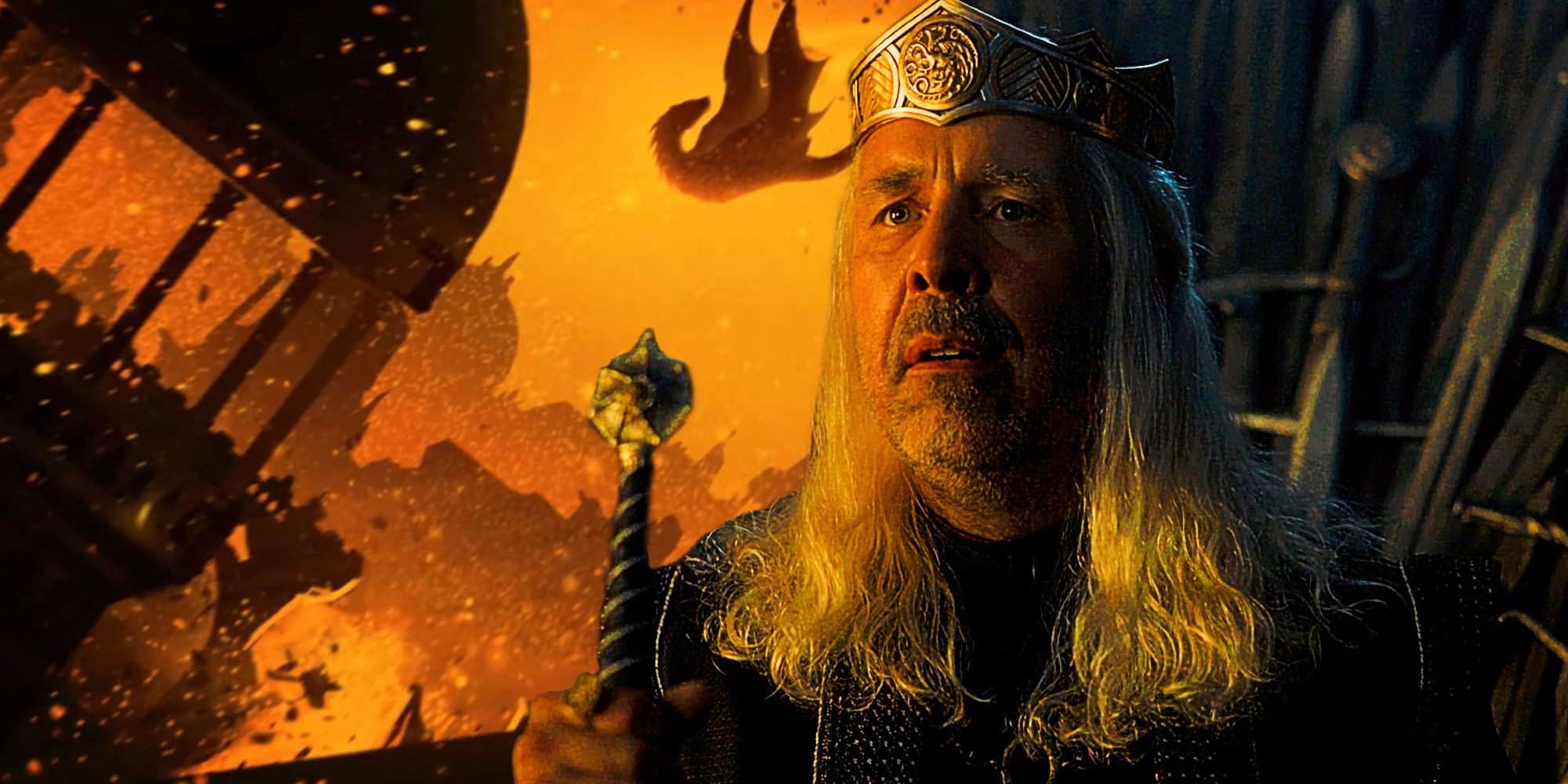
The Doom of Valyria: A Brand Autopsy
The “Doom” is often described in mythological terms, but from a strategic standpoint, it was a catastrophic failure of risk management. The Valyrians ignored the “warning signs” in their primary production facility (the Fourteen Flames). They assumed their brand was too big to fail.
The Loss of the Unique Selling Proposition (USP)
The moment the dragons were lost and the secrets of Valyrian Steel were buried, the brand lost its USP. A brand without a product is merely a memory. The Valyrians had spent centuries convincing the world that they were superior because of their tools and their beasts. Without those tools, the “Valyrian” name shifted from a symbol of power to a symbol of caution.
The Survival of the “Spin-off” Brand: House Targaryen
The only reason the Valyrian brand identity survived at all was through a strategic pivot. House Targaryen, a minor stakeholder in the Valyrian Freehold, engaged in an early “exit strategy.” By relocating to Dragonstone prior to the Doom, they saved a fraction of the brand’s core assets (three dragons and several scrolls of proprietary knowledge).
The Targaryen conquest of Westeros was essentially a rebranding exercise. They took the remains of the Valyrian aesthetic—silver hair, dragons, and “Fire and Blood” messaging—and applied it to a new, untapped market. This is one of the most successful examples of a “spin-off” brand outperforming its parent company’s legacy by adapting to a new environment.
Legacy Branding: The Ghost of Valyria in the Modern Market
Even though the Valyrians as a cohesive organization are extinct, their brand continues to exert influence. This is known as “Ghost Branding” or “Legacy Residuals.” In the current market, the Valyrian name is used to add value to existing products and lineages.
The Value of the “Valyrian” Tag
In Westeros and the Free Cities, any object associated with Valyria carries a premium price. This is not just because of the quality of the items, but because of the “Brand Narrative.” People are willing to pay for the story of a lost golden age. In marketing, we see this with revived heritage brands—companies that went bankrupt decades ago but are “rebooted” because the name still carries weight with consumers.
The “Blood of Old Valyria” as Personal Branding
Individuals like Daenerys Targaryen or the various “Lyseni” nobles use the Valyrian brand to bolster their personal branding. By claiming a connection to the Valyrian lineage, they are attempting to borrow the authority and prestige of the defunct Freehold. It is a form of “stolen valor” branding that works because the original brand was so potent that its echoes still command respect.

Strategic Lessons: Avoiding the “Valyrian Trap”
What happened to the Valyrians offers several vital lessons for modern brand managers and corporate strategists.
- Avoid Excessive Centralization: No matter how powerful your brand is, you must have a decentralized infrastructure. If your entire operation can be taken out by a single event—whether it’s a market crash, a PR scandal, or a technical failure—you are not a leader; you are a target.
- IP Diversification is Mandatory: The Valyrians relied on a single “technology” (magic/dragons). When that technology became obsolete or unavailable, the brand collapsed. Modern brands must constantly innovate and diversify their intellectual property to ensure that the loss of one product line doesn’t mean the end of the company.
- Listen to the “Cassandras”: Daenys the Dreamer warned the Targaryens about the Doom. In every organization, there are voices pointing out systemic risks. Brands that ignore these outliers in favor of maintaining the status quo are destined for their own version of the Doom.
- The Peril of the Walled Garden: While exclusivity builds prestige, total insularity prevents adaptation. By the time the Valyrians needed to evolve, they had spent so long convincing themselves of their own perfection that they had lost the ability to change.
The Valyrians didn’t just disappear; they were victims of their own success. They built a brand so large and so rigid that it could not bend, and so it broke. In the modern world, the most successful brands are those that learn from the ash of Valyria: stay agile, stay decentralized, and never assume that your “fire” will burn forever.
aViewFromTheCave is a participant in the Amazon Services LLC Associates Program, an affiliate advertising program designed to provide a means for sites to earn advertising fees by advertising and linking to Amazon.com. Amazon, the Amazon logo, AmazonSupply, and the AmazonSupply logo are trademarks of Amazon.com, Inc. or its affiliates. As an Amazon Associate we earn affiliate commissions from qualifying purchases.