
For decades, the word “Spartan” was more than just a historical reference; it was a masterclass in brand positioning. It evoked an immediate, visceral reaction: discipline, efficiency, strength, and an uncompromising rejection of luxury. In the world of brand strategy and corporate identity, the “Spartan” archetype became a gold mine. From fitness empires and tech startups to automotive design and software development, the Spartan ethos was the go-to template for companies wanting to project a sense of “elite capability.”
However, in recent years, the market’s obsession with this hyper-masculine, minimalist archetype has shifted. The question of what happened to the Spartans is not a query about the ancient Greek city-state, but an investigation into the rise, saturation, and eventual evolution of one of the most powerful brand identities in modern history. As consumer values pivot toward holistic wellness, inclusivity, and “quiet luxury,” the aggressive, stripped-back Spartan brand is undergoing a massive transformation.
The Rise of the Spartan Brand Identity
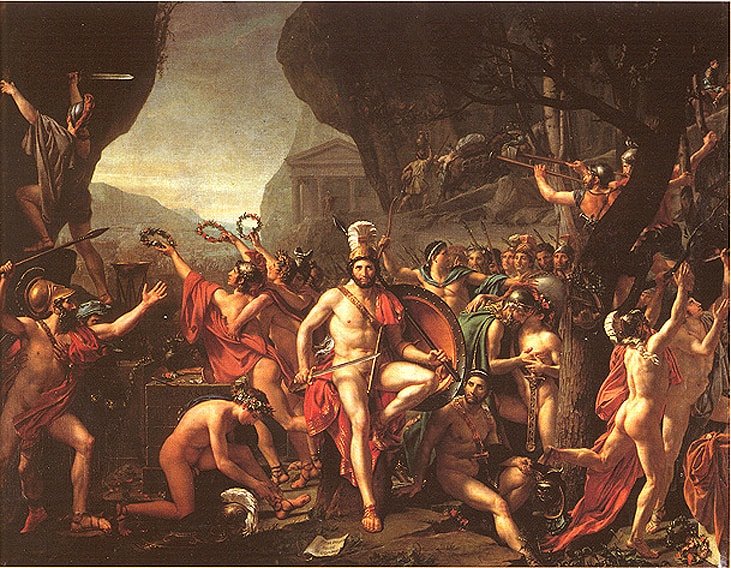
The modern “Spartan” brand boom began in earnest in the mid-2000s, catalyzed largely by pop culture’s reimagining of the Laconic warrior. This created a perfect storm for marketers. At its core, the Spartan brand identity is built on the concept of “The Essential.” In a world of overconsumption and digital noise, the Spartan archetype offered a psychological escape: the promise that by stripping away the unnecessary, one could achieve greatness.
The Aesthetic of Austerity
In brand design, the Spartan influence manifested as extreme minimalism. This wasn’t the “warm minimalism” we see in modern interior design, but a cold, hard-edged austerity. Corporate logos began adopting the iconic Corinthian helmet, sharp angles, and a color palette dominated by black, crimson, and slate gray. This visual language told the consumer that the brand was not there to coddle them; it was there to provide a tool for performance.
This strategy was particularly effective in the “hard” industries. Security firms, tactical gear manufacturers, and high-intensity fitness brands used the Spartan identity to create an “in-crowd.” To buy Spartan was to identify as a warrior, even if that battle was merely a 6:00 AM HIIT class or a demanding software engineering project.
Discipline as a Premium Product
The Spartan brand succeeded because it commodified discipline. In marketing psychology, we often see brands sell “ease” or “convenience.” The Spartan brand did the opposite; it sold “hardship.” This was a brilliant move in brand positioning. By making the brand experience difficult—whether through grueling physical events or high-learning-curve software—companies built immense brand loyalty. Consumers who “survived” the brand became its fiercest advocates, viewing their purchase as a badge of honor rather than a mere transaction.
Case Study: The Gamification of Stoicism
No entity represents the peak of this brand movement better than Spartan Race. Founded by Joe De Sena, the brand didn’t just sell obstacle course races; it sold a lifestyle philosophy based on “Spartan Up” principles. They took an ancient, somewhat obscure historical culture and turned it into a global ecosystem including apparel, nutrition, media, and training programs.
From Mud Runs to a Lifestyle Ecosystem
The brand strategy of Spartan Race was to move beyond the event. They understood that a brand is only as strong as its community’s daily habits. By creating “Spartan-approved” diets and training regimens, they ensured the brand was present in the consumer’s mind 24/7. This is the holy grail of brand strategy: transitioning from a service provider to a core component of the user’s identity.
The “Spartan” name provided an instant framework for this. You didn’t have to explain what the brand stood for; the name did the heavy lifting. It signaled that the products were durable, the community was tough, and the results would be earned, not given.
The Digital Spartan: Microsoft and Beyond
The influence of the Spartan brand wasn’t limited to physical fitness. In the tech world, “Spartan” became a code word for speed and efficiency. Microsoft famously used “Project Spartan” as the internal codename for the browser that eventually became Microsoft Edge. The goal was to signal a departure from the bloated, slow legacy of Internet Explorer. The Spartan name was chosen to convey a “lean, mean, and fast” digital experience.
Similarly, the Halo franchise turned the “Spartan” into a digital demigod, further cementing the brand’s association with high-tech prowess and individual excellence. This helped the Spartan archetype bridge the gap between “rugged grit” and “cutting-edge technology,” making it a versatile tool for brand managers across various sectors.

The Perils of Over-Saturation and Brand Dilution
If the Spartan brand was so powerful, why does it feel like it’s fading? The answer lies in one of the most common pitfalls in brand strategy: over-saturation. When a brand archetype becomes too popular, it loses its “elite” status and becomes a cliché.
The Helmet Logo Fatigue
At a certain point in the 2010s, it felt like every CrossFit affiliate, beard oil company, and “entrepreneurial mindset” YouTube channel was using a Spartan helmet in their logo. When a symbol is used to sell everything from high-end tactical knives to budget energy drinks, its meaning begins to erode.
In corporate identity, this is known as “semantic bleach.” The Spartan helmet, once a symbol of unique discipline, became a generic shorthand for “we are tough.” For premium brands, this was a signal to move on. To remain elite, a brand must be distinct. When the Spartan look became the “Walmart of masculinity,” the most influential brands began to pivot toward new archetypes.
The Shift from “Grind” to “Flow”
Perhaps the biggest reason for the Spartan brand’s decline is a fundamental shift in consumer psychology. We are moving away from “grind culture”—the idea that life is a constant battle to be won through sheer force of will. In its place has emerged a focus on “flow,” mental health, and sustainable performance.
The Spartan archetype is inherently rigid. It doesn’t allow for vulnerability, rest, or complexity. As modern brands strive to be more “human” and “relatable,” the cold, unyielding Spartan identity has started to feel out of touch. Consumers no longer want to be “warriors” all the time; they want to be optimized, mindful, and balanced.
Future-Proofing the Spartan Ethos: The Pivot to “Modern Minimalism”
So, what happened to the Spartans? They didn’t disappear; they evolved. The smartest brands have taken the core tenets of the Spartan archetype—efficiency, durability, and essentialism—and repackaged them for a modern audience.
The Rise of the “Quiet Professional” Aesthetic
In industries like tech and high-end gear, we see a move toward the “Quiet Professional.” This is the Spartan ethos without the loud, aggressive branding. It’s the brand that doesn’t need to put a helmet on the box because the quality of the engineering speaks for itself. This is a more sophisticated form of brand strategy that relies on “if you know, you know” (IYKYK) marketing.
Brands like GORUCK or Arc’teryx exemplify this evolution. They retain the Spartan commitment to durability and “over-built” quality, but they present it with a sleek, modern aesthetic that fits into a boardroom just as well as a battlefield. They have moved from “Spartan as a costume” to “Spartan as a functional principle.”
Redefining Strength as Sustainability
We are also seeing the Spartan brand pivot toward sustainability and longevity. The old Spartan brand was about burning out in a blaze of glory. The new “Spartan-inspired” brand is about “The Long Game.” This involves a shift in messaging from “Do more” to “Do better.”
For brands, this means moving away from the aggressive red-and-black color schemes and the “No Excuses” taglines. Instead, they are adopting a language of “High Performance through High Quality.” They are focusing on the bio-mechanics of the products, the transparency of the supply chain, and the mental resilience of the user. This is a more mature, sustainable version of the Spartan identity.

Conclusion: The Legacy of the Spartan Brand
The Spartan brand archetype is not dead; it has simply graduated. The era of the “loud Spartan”—the one characterized by helmet logos and “grind” rhetoric—has largely passed into the realm of mid-market commodity branding. However, the core of what made the Spartan brand great lives on in the most successful companies of the 2020s.
The companies that “survived” the decline of the Spartan trend are those that understood it was never about the history of ancient Greece. It was about the human desire for order, the respect for discipline, and the pursuit of the essential. By shedding the aggressive baggage and embracing a more refined, tech-forward, and sustainable identity, the modern “Spartan” brands are continuing to dominate the market. They have proved that while the armor might change, the spirit of the brand—the commitment to being the best, most efficient version of oneself—remains a timeless marketing powerhouse.
aViewFromTheCave is a participant in the Amazon Services LLC Associates Program, an affiliate advertising program designed to provide a means for sites to earn advertising fees by advertising and linking to Amazon.com. Amazon, the Amazon logo, AmazonSupply, and the AmazonSupply logo are trademarks of Amazon.com, Inc. or its affiliates. As an Amazon Associate we earn affiliate commissions from qualifying purchases.