
For nearly a century, the Academy of Motion Picture Arts and Sciences held a monopoly on “prestige.” To win an Oscar was more than receiving a gold-plated statuette; it was the ultimate validation of brand equity for actors, directors, and studios. However, in the last decade, the Academy Awards have experienced a dramatic shift in cultural relevance. What happened to the Oscars is not merely a story of declining television ratings, but a complex case study in brand misalignment, the fragmentation of audience attention, and a failure to adapt a legacy identity to a decentralized digital marketplace.
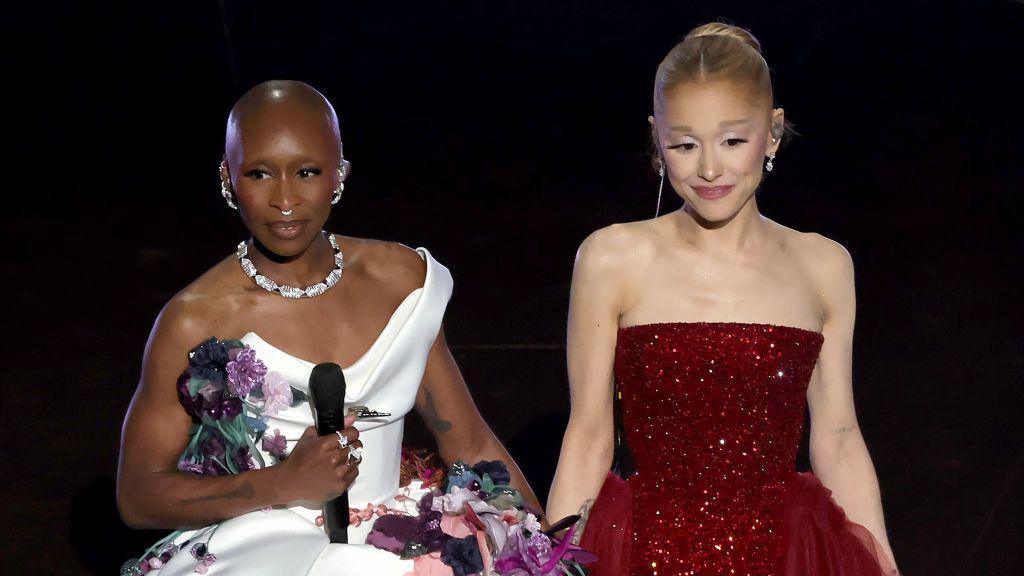
From a brand strategy perspective, the Oscars are currently navigating a “relevance gap.” The distance between what the brand represents (traditional cinematic excellence) and what the modern consumer values (authenticity, accessibility, and speed) has never been wider. To understand the current state of the Oscars, we must analyze the structural shifts in their brand positioning and how the “gold standard” lost its luster.
The Dilution of the Prestige Narrative
At its peak, the Oscar brand was built on the pillars of exclusivity and aspiration. It functioned as the gatekeeper of high culture. However, as the media landscape shifted, the very exclusivity that built the brand began to work against it.
From Elitism to Inaccessibility
In branding, exclusivity is a double-edged sword. For decades, the Academy cultivated an aura of being the “ultimate authority.” But as social media democratized film criticism, the “Academy” began to look less like an authority and more like an out-of-touch committee. The brand failed to transition from an “authoritative” voice to a “participatory” one. When the audience feels their tastes are fundamentally at odds with a brand’s endorsements, the brand loses its “trust equity.” The Oscar brand started to feel inaccessible, not because it was high-end, but because it was perceived as disconnected from the cultural zeitgeist.
The Identity Crisis: Popularity vs. Artistry
One of the most significant brand blunders occurred when the Academy attempted to introduce a “Most Popular Film” category in 2018. This was a reactive strategy rather than a proactive one. In brand management, when a luxury or prestige brand tries to pander to the mass market too aggressively, it often alienates its core base while failing to attract new loyalists. By signaling that “popular” films were separate from “best” films, the Academy inadvertently damaged its own value proposition. It suggested that high quality and high popularity were mutually exclusive, further isolating the brand from the blockbuster-heavy consumption habits of younger demographics.
Rebranding for a Digital-First Audience
The transition from a three-hour linear television broadcast to a fragmented digital experience has been the Oscars’ greatest operational challenge. The “product”—the ceremony itself—is a legacy format struggling to survive in a TikTok-speed economy.
The Viral Moment Strategy
In recent years, the Academy’s brand strategy has shifted toward creating “viral moments” to maintain relevance. From the “envelopegate” Moonlight/La La Land mix-up to the infamous “slap,” the brand has transitioned from being a celebration of craft to a generator of memes. While this spikes short-term engagement and social mentions, it creates a “brand noise” problem. When a brand becomes famous for its glitches and controversies rather than its core mission, the long-term value of its “seal of approval” begins to diminish. The Academy is currently caught in a cycle of chasing clicks at the expense of its prestige positioning.
Social Media and the Democratization of Influence
The Oscars used to be the primary source of discovery for great cinema. Today, that discovery happens on YouTube, Letterboxd, and TikTok. The “Oscar Brand” no longer owns the conversation; it is merely a participant in it. Personal branding has also played a role. Individual creators and influencers now carry more weight with Gen Z and Millennial audiences than institutional bodies. When a popular YouTuber’s film review carries more social currency than an Academy Award nomination, the institutional brand has reached a point of critical inflation. The Academy’s failure to integrate these new influencers into their brand ecosystem earlier has left them playing a perpetual game of catch-up.

The Competitor Landscape: Brand Erosion in a Fragmented Market
No brand exists in a vacuum. The Oscars are facing unprecedented competition, not just from other award shows, but from a fundamental change in how “prestige” is defined in the entertainment industry.
The Rise of Niche Awards and Influencer Culture
The Oscars were designed for a monoculture—a time when everyone watched the same movies and the same television channels. In today’s fragmented market, brand loyalty is found in niches. Smaller, more targeted award shows (like the Spirit Awards or even genre-specific honors) often feel more authentic to their respective communities. Furthermore, the “brand” of the individual creator has overtaken the brand of the institution. Audiences are now more likely to follow a specific director’s or actor’s personal brand across platforms than they are to follow the Academy’s seasonal narrative.
Streaming Platforms as the New Brand Gatekeepers
The entry of Netflix, Apple TV+, and Amazon into the Oscar race fundamentally changed the corporate identity of the awards. For a long time, the Oscar brand was synonymous with the “theatrical experience.” When the Academy resisted the inclusion of streaming films, it created a brand friction that lasted years. Eventually, the streamers didn’t just join the Oscars; they began to dominate them. This shifted the power dynamic. Now, the Oscars often serve as a marketing arm for tech giants. This association has muddied the Oscars’ brand identity, moving it away from “Hollywood Tradition” and toward “Content Ecosystem Validation.”
Strategic Pivots: Can the Academy Reclaim Its Value?
To survive the next century, the Academy must undergo a rigorous brand audit and pivot from a “ceremony-first” brand to a “content-platform” brand. The current trajectory suggests that the yearly broadcast is no longer a sustainable anchor for the entire organization’s relevance.
Modernizing Corporate Governance
Behind the scenes, the Academy has made significant strides in diversifying its membership. From a brand perspective, this is a move toward “Corporate Social Responsibility” (CSR) and inclusivity. By expanding its voting pool to include more international members and a younger demographic, the Academy is attempting to fix the “identity crisis” mentioned earlier. A brand is only as strong as the people who represent it, and by diversifying its “board” (the voters), the Academy is slowly realigning its values with a global, modern audience. This is a long-term play for brand integrity that may take years to yield results in the public eye.
Leveraging Nostalgia vs. Innovation
The Oscars possess an asset that few modern brands have: 96 years of history. In branding, heritage is a powerful tool, but only if it is used to provide context for the future rather than a longing for the past. The “What Happened to the Oscars” narrative is often fueled by a nostalgic comparison to a pre-digital era. To pivot, the brand must stop trying to recreate the “glory days” of 40 million viewers and instead focus on “high-value engagement.” This means leaning into the technical excellence of filmmaking—AR/VR, AI in cinema, and innovative storytelling—positioning the Oscar not just as a history book, but as a compass for where the industry is heading.
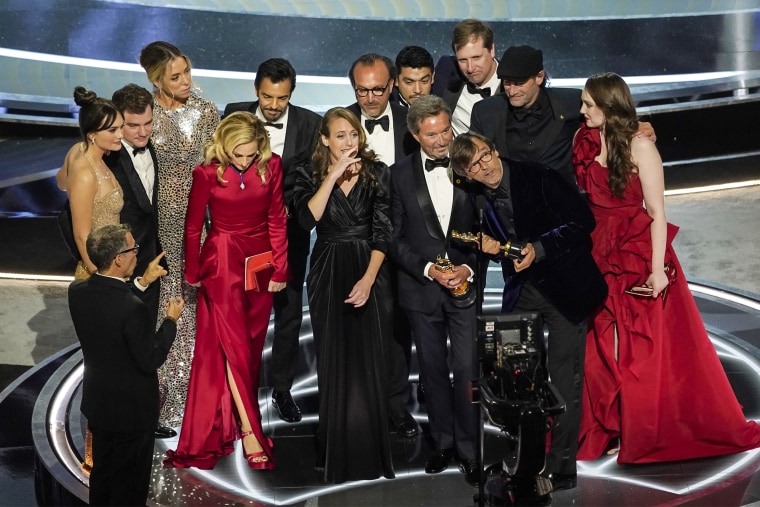
The Future of the Oscar Brand
The “Oscars” as a brand are currently in a state of transition. They are moving from being the “Mass Market Authority” to a “Legacy Luxury Brand.” Like a heritage fashion house, the Academy must find a way to remain prestigious without being pretentious, and historic without being archaic.
The decline in ratings isn’t a sign of the death of the brand, but a sign of its evolution. The Oscar brand still carries immense weight in contract negotiations, international distribution, and historical legacy. However, its “Consumer Brand” (the public’s interest in the show) is failing. To bridge this gap, the Academy needs to stop treating the Oscars as a one-night television event and start treating it as a year-round brand experience.
In the final analysis, what happened to the Oscars is a reflection of the broader shift in how we value institutions. In a world of decentralized influence, no single “gold statuette” can command the undivided attention of the world. The future of the Oscar brand lies in its ability to become a curated platform for excellence in a sea of infinite content. If they can successfully navigate this shift, they will remain the industry’s most valuable trademark. If they fail to adapt their brand strategy, they risk becoming a beautiful, gold-plated relic of a bygone era.
aViewFromTheCave is a participant in the Amazon Services LLC Associates Program, an affiliate advertising program designed to provide a means for sites to earn advertising fees by advertising and linking to Amazon.com. Amazon, the Amazon logo, AmazonSupply, and the AmazonSupply logo are trademarks of Amazon.com, Inc. or its affiliates. As an Amazon Associate we earn affiliate commissions from qualifying purchases.