
The simple question, “What happened to The Greg Gutfeld Show last night?” immediately sends ripples through the landscape of brand strategy and audience engagement. In an era where media consumption is instantaneous and expectations are high, any deviation from a regularly scheduled broadcast becomes a point of inquiry, affecting not just the program itself, but the intricate web of its personal, corporate, and media brand identities. This isn’t merely a query about a TV schedule; it’s a window into the dynamics of brand consistency, crisis communication, and the enduring power of audience loyalty.
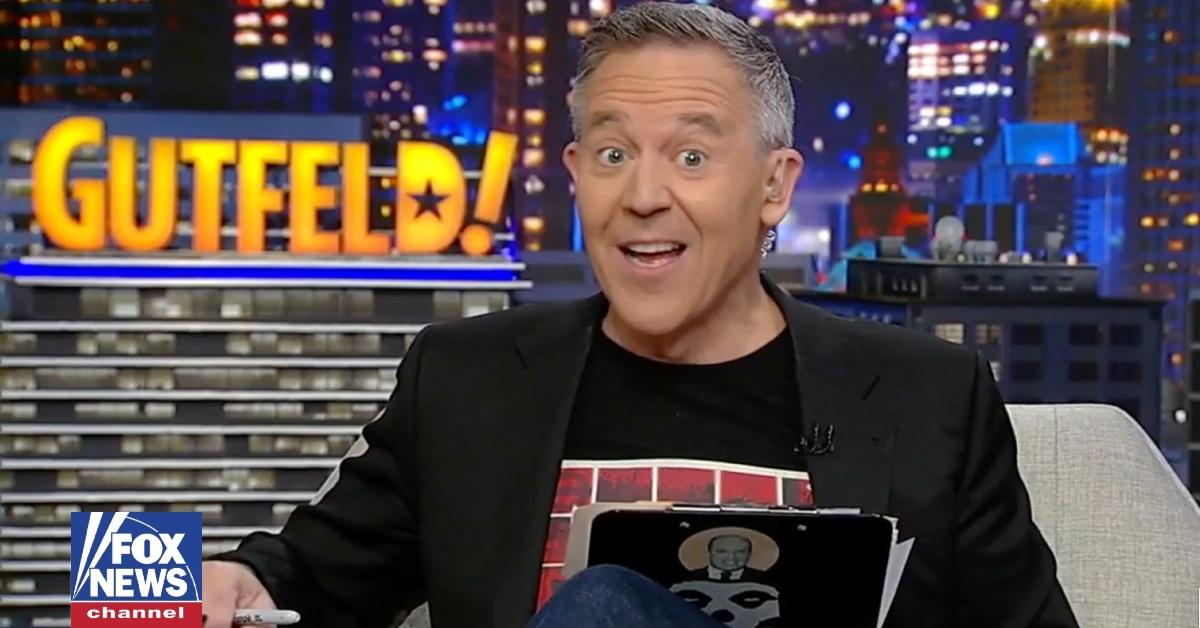
At its core, “The Greg Gutfeld Show” (or “Gutfeld!” as it’s now known) is more than just a television program; it’s a meticulously crafted brand. It represents the distinct persona of its host, the editorial line of its network (Fox News), and the community of viewers it has cultivated. When its expected presence is disrupted, whether by a planned special, an unexpected technical glitch, or a host’s absence, the brand’s equilibrium is momentarily tested. Understanding the implications of such an event requires dissecting the layers of branding at play and recognizing how quickly information, and misinformation, can shape public perception.
The Anatomy of a Live Broadcast Brand Event
Live television, by its very nature, operates on a delicate balance of predictability and spontaneity. Audiences tune in at specific times with specific expectations, built over years of consistent delivery. When “what happened last night” becomes a question, it signifies a breach, however minor, in this established routine. From a branding perspective, this is not just a scheduling hiccup; it’s a brand event that demands analysis of its immediate and potential long-term impacts.
Maintaining Brand Consistency in Live Television
Consistency is the bedrock of strong branding. For a live broadcast, this means appearing on schedule, delivering expected content, and maintaining the show’s distinct tone and perspective. The “Greg Gutfeld Show” brand, known for its late-night commentary and panel discussions, thrives on this regularity. Viewers form habits around its broadcast time, integrating it into their daily routines. Any unannounced absence or significant change can feel like a disruption to this established relationship.
A brand’s promise is implicitly tied to its consistency. When a show fails to air as expected, it can inadvertently suggest a lack of control, a breakdown in operational reliability, or even a disregard for the audience’s time. While one-off incidents are rarely catastrophic, a pattern of inconsistency can erode brand trust and lead to audience attrition. Therefore, the simple act of “showing up” consistently is a profound act of brand reinforcement.
The Immediate Impact of Schedule Deviations
The moment a scheduled program doesn’t appear, the immediate impact is a surge of queries across various platforms. Social media lights up with questions, news outlets may speculate, and the network’s own communication channels are scrutinized. This rapid-fire response from the audience is a real-time barometer of the brand’s engagement and the strength of its community.
For a brand like “Gutfeld!”, which has cultivated a highly engaged and often vocal fanbase, these immediate reactions are amplified. Loyal viewers aren’t just consumers; they are advocates, and their concern or confusion about a missing episode highlights the depth of their connection to the brand. How a network or show’s brand management team responds to these immediate inquiries — or fails to — can significantly shape the narrative around the event. Transparency, even in brief, can mitigate negative perceptions, while silence can fuel frustration and speculation.
Decoding the “What Happened”: Potential Brand Implications
The question “what happened” can encompass a multitude of scenarios, each with distinct branding implications. Understanding these possibilities allows for a more nuanced appreciation of how a media brand navigates unforeseen circumstances or executes strategic changes.
Scenario 1: Unscheduled Preemption or Technical Glitch
Perhaps the most challenging scenario is an unexpected preemption due to breaking news, or a technical failure that prevents broadcast. In such cases, the brand faces a potential crisis. The immediate reaction from the audience is often confusion, followed by irritation if information is not readily available.
For the show’s brand, an unscheduled preemption demonstrates the network’s broader news priorities, which can overshadow individual program brands. However, a technical glitch directly impacts the show’s perceived reliability and professionalism. Effective brand management in these situations requires swift, transparent communication. Acknowledging the issue, apologizing for the inconvenience, and (if applicable) explaining the cause demonstrates accountability and respect for the audience. Without this, the brand risks being perceived as unreliable or even indifferent, which can damage long-term trust and loyalty. Rebuilding that trust often involves a strong return, perhaps with an acknowledgment from the host about the previous night’s absence.
Scenario 2: Planned Special Programming or Hiatus
Alternatively, “what happened” could refer to a pre-planned event: a network special taking its slot, a holiday hiatus, or a pre-recorded episode. While these are managed internally, their external communication is crucial for brand continuity. A well-communicated special event can be a positive for the brand, generating excitement or providing unique content. However, if poorly communicated, a planned absence can still lead to audience confusion and dissatisfaction, similar to an unexpected preemption.
Strategic brand communication involves proactive announcements through various channels: on-air promos, social media posts, and website updates. This preemptive messaging sets audience expectations, preventing the “what happened?” question from arising in a negative context. For instance, announcing a host’s vacation or a special pre-emption well in advance allows the brand to control the narrative, maintain its reputation for transparency, and even leverage the change as a marketing opportunity (e.g., “Tune in next week for Gutfeld’s exciting return!”). This proactive approach reinforces the brand’s reliability and its commitment to keeping its audience informed.
Scenario 3: Host Absence and Guest Hosts
A specific aspect of a show’s brand is often inextricably linked to its host. Greg Gutfeld’s personal brand is a significant part of the show’s appeal. If he were absent, even with a planned guest host, this could trigger the “what happened” question. This scenario highlights the delicate balance between the personal brand of the host and the corporate brand of the show itself.
When a primary host is absent, the show’s brand must demonstrate its resilience and adaptability. A guest host who embodies similar values, tone, and audience appeal can maintain brand consistency. However, a guest host who significantly departs from the established brand persona can alienate viewers. The communication around a host’s absence (e.g., “Greg is on vacation, but we have a fantastic guest host tonight!”) is vital. It acknowledges the audience’s connection to the host while reassuring them that the show’s brand experience will continue, albeit with a temporary twist. This careful management ensures that the core brand message remains intact, even in the absence of its central figure.
The Greg Gutfeld Show as a Case Study in Personal and Corporate Branding
“The Greg Gutfeld Show” offers a compelling case study in how personal branding intertwines with corporate identity to create a unique and successful media product. Its ability to generate a strong, often passionate, audience reaction to its presence or absence speaks volumes about its brand resonance.
Greg Gutfeld: The Persona as Brand Anchor

Greg Gutfeld’s personal brand is the magnetic core of his show. He has cultivated a distinctive persona: witty, provocative, opinionated, and often irreverent. This personal brand resonates deeply with a specific segment of the audience, who tune in specifically for his unique perspective and comedic style. His consistent delivery of this persona across different media (from “The Five” to “Gutfeld!”) has solidified his brand identity.
When an audience connects so strongly with a host’s personal brand, any disruption to that presence directly impacts the show’s brand. Viewers are not just watching a show; they are engaging with Greg Gutfeld. His absence, even for a night, can feel like a missing friend or an unfulfilled expectation, highlighting how deeply personal branding can become embedded within a broader media product.
Fox News’ Role in Shaping the Show’s Brand Identity
While Gutfeld’s personal brand is central, “The Greg Gutfeld Show” also operates under the powerful umbrella brand of Fox News. The network provides the platform, resources, and often the overarching editorial context for the show. Fox News’ corporate identity—its positioning in the media landscape, its target demographic, and its political leaning—significantly shapes how “Gutfeld!” is perceived and consumed.
The show benefits from Fox News’ established viewership and brand recognition. Conversely, any event affecting “Gutfeld!” can reflect, however subtly, on the broader Fox News brand. The network’s brand strategy likely involves positioning “Gutfeld!” as a distinct but complementary voice within its programming lineup, leveraging Gutfeld’s unique appeal to attract a younger, more entertainment-oriented audience while still aligning with the network’s core values. This symbiotic relationship means that incidents like “what happened last night” are managed not just by the show’s team, but with consideration for the corporate brand’s reputation.
Cultivating a Niche Audience and Brand Loyalty
“The Greg Gutfeld Show” has successfully carved out a significant niche in the late-night landscape, often challenging traditional conventions. By appealing to a specific demographic with a particular ideological bent and a taste for its distinct brand of humor, the show has fostered a deeply loyal audience. This loyalty is a testament to effective brand positioning and consistent content delivery.
This strong brand loyalty explains the intensity of the “what happened last night” question. Loyal audiences are invested; they feel a sense of ownership and connection. They are not passive viewers but active participants in the brand’s ecosystem. Their engagement translates into higher ratings, social media buzz, and a formidable defense against critics. For any brand, cultivating such a dedicated community is the ultimate goal, transforming casual consumers into ardent advocates.
Navigating Audience Expectations and Brand Perception in the Digital Age
The digital age has fundamentally altered how brands interact with their audience and manage their public perception. The question “what happened last night” is no longer confined to water cooler conversations; it explodes onto social media, demanding immediate attention and careful management.
Social Media as a Real-Time Brand Barometer
Social media platforms like X (formerly Twitter), Facebook, and Instagram serve as instant feedback loops for media brands. Within minutes of a schedule deviation, these platforms buzz with audience queries, frustrations, and theories. This real-time interaction provides an invaluable, albeit sometimes chaotic, brand barometer.
For “The Greg Gutfeld Show” brand, monitoring these conversations is crucial. It allows brand managers to gauge the immediate impact of an event, identify prevalent sentiments (confusion, anger, humor), and even detect the spread of misinformation. An effective brand strategy in this environment involves not just listening but also engaging, where appropriate, to shape the narrative.
Proactive Communication Strategies
In a world driven by instant information, proactive communication is paramount. If a show’s absence or change is planned, announcing it well in advance across multiple channels (on-air, social media, website) can prevent confusion and maintain positive brand perception. For unplanned events like technical difficulties, a quick, clear statement can significantly reduce audience frustration.
The challenge lies in the speed and clarity of this communication. A delayed or vague message can exacerbate negative sentiment. For a brand like “Gutfeld!”, known for its directness, its communication strategy around disruptions should mirror that brand attribute: straightforward, honest, and timely. This reinforces brand integrity and respects the audience’s investment.
Rebuilding and Reinforcing Brand Trust
Should an event lead to a dip in brand trust or an increase in negative sentiment, rebuilding and reinforcing that trust becomes a priority. This isn’t just about apologies; it’s about consistent delivery and demonstrating value. Returning to the regular schedule with strong content, perhaps an acknowledgment from Greg Gutfeld himself, can signal to the audience that the brand is back on track.
Long-term brand reinforcement involves continuously delivering on the brand promise. For “Gutfeld!”, this means consistently providing the witty commentary, engaging discussions, and unique perspective that its audience expects. Each successful broadcast following a disruption helps to re-establish the brand’s reliability and strengthens its bond with its loyal viewers.
Lessons for Brands from “Last Night’s Event”
The seemingly simple question “what happened to The Greg Gutfeld Show last night?” unravels into a complex lesson in modern brand management. It provides invaluable insights applicable to any brand, regardless of industry.
The Imperative of Brand Agility
The media landscape is dynamic, and unexpected events are inevitable. Brands must cultivate agility—the ability to adapt quickly and effectively to unforeseen circumstances. This includes having robust communication plans for crises, flexible scheduling, and a team prepared to respond to public inquiries rapidly. For a brand like “Gutfeld!”, agility means being ready to pivot when breaking news demands preemption or when a host requires a break, all while minimizing negative impact on its brand equity.

The Power of Community and Engagement
The robust reaction to a show’s absence highlights the immense power of community and audience engagement. Brands that foster a strong, loyal community are better equipped to weather disruptions. Engaged audiences are more forgiving, more likely to seek out information directly from the brand, and more willing to advocate on its behalf. “The Greg Gutfeld Show” demonstrates that building a dedicated fanbase is not just about ratings; it’s about creating a resilient brand ecosystem that can withstand minor tremors.
In conclusion, “what happened to The Greg Gutfeld Show last night” is a powerful reminder that in the interconnected world of media, every scheduled broadcast is a reinforcement of a brand promise. Any deviation, whether planned or accidental, instantly becomes a brand event that demands strategic communication, audience empathy, and a deep understanding of the intricate relationship between a show, its host, its network, and its loyal viewers. The incident, whatever its nature, serves as a mini case study in the continuous effort required to maintain brand consistency, manage expectations, and nurture the invaluable trust of an engaged audience.
aViewFromTheCave is a participant in the Amazon Services LLC Associates Program, an affiliate advertising program designed to provide a means for sites to earn advertising fees by advertising and linking to Amazon.com. Amazon, the Amazon logo, AmazonSupply, and the AmazonSupply logo are trademarks of Amazon.com, Inc. or its affiliates. As an Amazon Associate we earn affiliate commissions from qualifying purchases.