
The evolution of Cartoon Network from a monolithic force in cable television to a fragmented digital entity serves as one of the most compelling case studies in modern brand strategy. For decades, the network stood as a pillar of animation, commanding immense brand equity through a curated identity that balanced nostalgia with avant-garde creativity. However, the shifting tides of media consumption have forced a radical repositioning. Understanding what happened to Cartoon Network requires looking past the content itself and examining the strategic pivots in corporate branding, the dilution of identity, and the struggle to remain relevant in a post-linear, algorithmic ecosystem.

The Erosion of Core Brand Identity
At its height, Cartoon Network was not merely a television channel; it was a curated lifestyle brand. Through legendary programming blocks like Toonami, Adult Swim, and Cartoon Cartoons, the brand established a distinct visual and tonal identity that commanded fierce loyalty. This was brand strategy in its purest form—a clear value proposition targeted at a specific demographic, delivered with aesthetic consistency.
From Curated Vision to Corporate Consolidation
The first shift in the brand’s trajectory occurred during the transition from a standalone creative hub to a component of larger media conglomerates. As Cartoon Network was folded into the Warner Bros. Discovery ecosystem, the distinct “personality” of the network began to fray. Strategic focus shifted from brand cultivation—the art of building a long-term relationship with an audience—to asset management. When a brand begins to treat its identity as a portfolio of intellectual property (IP) rather than a cohesive experience, the brand equity inevitably thins.
The Dilution of the “Cartoon” Value Proposition
The identity of Cartoon Network was historically rooted in the prestige of its original programming. By prioritizing quantity and immediate cross-platform saturation, the brand moved away from the “event television” model that defined its mid-2000s peak. In brand marketing, when a brand attempts to be everything to every platform, it risks becoming nothing to anyone. The strategic pivot toward global syndication meant that the specific, regional, or niche appeal of its programming was sacrificed for broad-market viability, fundamentally altering how audiences perceived the brand’s authority in the animation space.
The Strategy of Disintegration in the Digital Pivot
The decline of Cartoon Network’s brand dominance is perhaps best understood through the lens of audience fragmentation. In the era of legacy cable, the brand acted as a funnel, capturing a massive, captive audience. In the digital era, that funnel has been replaced by the direct-to-consumer app ecosystem.
Transitioning from Channel to Content Library
The strategic move to silo programming within platforms like Max represents a significant shift in corporate identity. By subsuming the Cartoon Network brand under a generic “Kids & Family” hub, the network traded its unique brand recognition for the logistical convenience of a parent corporation’s unified interface. While this makes sense from a financial consolidation standpoint, it is a catastrophic blow to brand equity. A brand is defined by its edges—what it is and what it is not. By disappearing into the broader “Warner Bros.” library, Cartoon Network lost its role as a destination. Consumers no longer “go to” Cartoon Network; they scroll past it as part of an infinite list of content assets.

The Loss of Curatorial Authority
One of the most powerful aspects of the original brand strategy was the curation—the sense that human editors were selecting the best animation from around the world. In the digital age, curation has been replaced by algorithmic recommendation engines. This shift effectively stripped the brand of its primary competitive advantage: its taste-making status. When a brand surrenders its role as a curator to an algorithm, it loses its soul. The strategy of replacing a curated, personality-driven experience with a data-driven, search-based one is a hallmark of “corporate-first” marketing that prioritizes engagement metrics over long-term brand devotion.
The Marketing Challenge of Post-Linear Engagement
The most significant hurdle for Cartoon Network in the current landscape is the fundamental shift in how its target demographic consumes media. The “linear” model provided a rhythm to the audience’s life, creating rituals that turned the network into a household staple. Replicating that sense of community in a fragmented, on-demand world is a masterclass in brand difficulty.
The Failure of Community-Driven Branding
Historically, Cartoon Network excelled at community building. Through interactive websites, online games, and integrated social experiences, the network fostered a sense of belonging. In recent years, that strategy has been replaced by transactional marketing. Modern digital touchpoints are designed to push traffic to streaming services rather than build a cohesive subculture. This shift represents a failure to understand the difference between audience reach and brand loyalty. One measures how many eyes have been seen; the other measures how many hearts are invested. Cartoon Network’s current strategic focus on the former has left its brand identity hollowed out.
Misaligning with Gen Alpha and Gen Z
Brand strategy is, by definition, forward-looking. The decline of the Cartoon Network brand is also a case study in failing to adapt to shifting psychographics. The modern child’s attention is split between short-form video platforms, gaming environments like Roblox, and user-generated content creators. Cartoon Network’s brand strategy remained tethered to the “television show” format for too long. By the time the network pivoted toward mobile-first and social-first content, the competition had already captured the audience’s primary attention spans. The brand failed to reposition itself as a platform-agnostic creator of content, remaining instead a traditional studio trying to play in a disruptor’s sandbox.
Reconstructing the Identity: The Future of Legacy Media Brands
Is there a way for a brand like Cartoon Network to regain its former glory? The answer lies in a return to disciplined brand strategy. The network is currently suffering from a crisis of identity, where the brand has been expanded until it is transparent. To pivot, leadership must make the painful decision to re-consolidate its assets under a singular, high-prestige banner.
The Necessity of “Event-Based” Brand Positioning
The most successful legacy media brands today are those that have embraced the “event” model. By creating scarcity and high-quality, singular cultural moments rather than saturating the market with endless, low-stakes content, a brand can reclaim its status. Strategic re-investment in creative quality—the hallmark of the network’s early years—is the only way to re-establish the premium perception that once defined it.
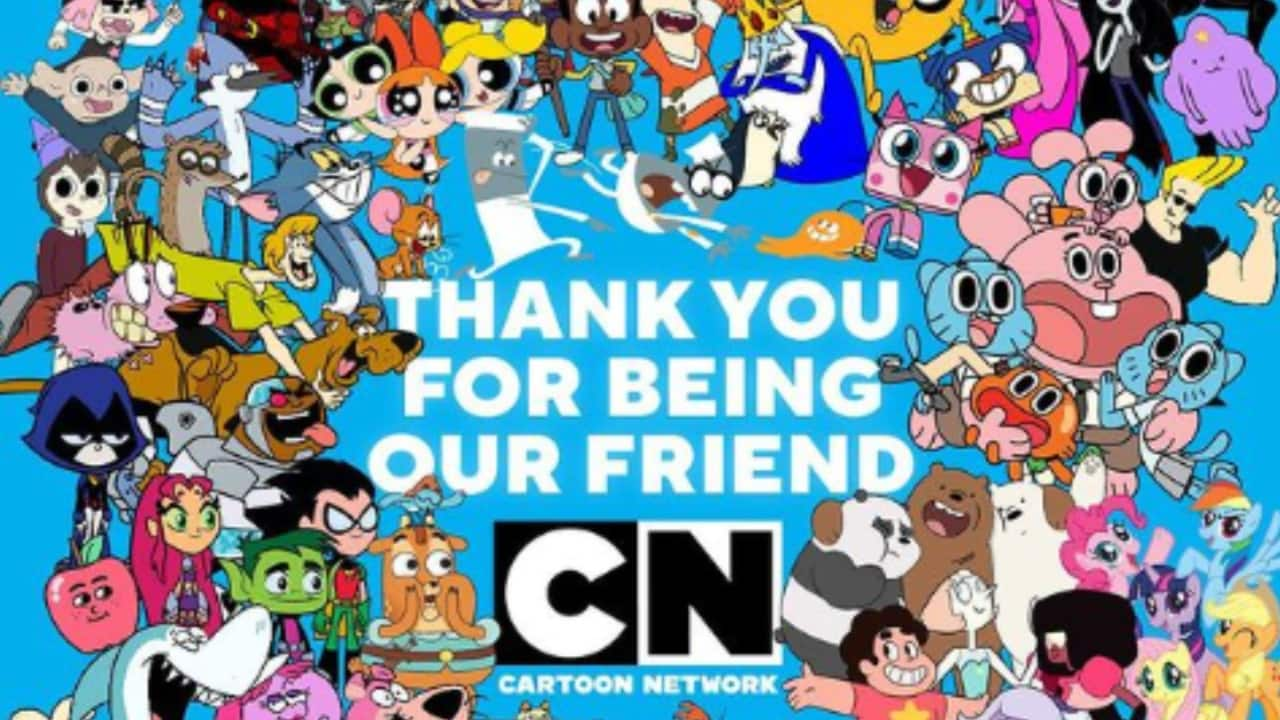
Embracing the “Fan-First” Strategy
The brand needs to move away from being a mere content delivery vehicle and back toward being a participant in the animation community. This means empowering creators, leaning into unique animation styles that cannot be easily replicated by AI or low-cost studios, and treating the brand as a hub for artistic innovation. If Cartoon Network can reposition itself as the “Gold Standard” for animation—the brand where creators go to build worlds—it can once again differentiate itself from the sea of generic content available on streaming platforms.
The trajectory of Cartoon Network proves that brand equity is not a static resource; it is a living entity that requires constant, intentional nourishment. When strategy shifts from building a brand to liquidating its value across a corporate ecosystem, the result is the slow decay of relevance. For Cartoon Network, the path forward is not just about producing more content, but about defining what it stands for in a world where content is abundant but brand identity is incredibly scarce. To recover, the brand must stop behaving like an asset and start behaving like an icon again.
aViewFromTheCave is a participant in the Amazon Services LLC Associates Program, an affiliate advertising program designed to provide a means for sites to earn advertising fees by advertising and linking to Amazon.com. Amazon, the Amazon logo, AmazonSupply, and the AmazonSupply logo are trademarks of Amazon.com, Inc. or its affiliates. As an Amazon Associate we earn affiliate commissions from qualifying purchases.