
The capsizing of the Costa Concordia off the coast of Isola del Giglio in January 2012 remains one of the most significant maritime disasters of the 21st century. While the tragedy claimed 32 lives, it also triggered a global firestorm centered on a single individual: Captain Francesco Schettino. From a brand management and corporate identity perspective, the aftermath of the Costa Concordia serves as an ultimate cautionary tale regarding how leadership crises can irrevocably destroy a professional reputation and the corporate brand associated with it.

The Immediate Erosion of Brand Trust
When a crisis occurs, the public expects a specific archetype of leadership. In the maritime industry, this is deeply rooted in the concept of the “captain staying with the ship.” By abandoning the vessel before the evacuation of passengers and crew was complete, Captain Schettino did not merely violate maritime law; he performed a catastrophic breach of the brand promise that Costa Cruises offered its patrons.
The Breakdown of Crisis Communication
In the hours following the collision, the communication gap between the captain, his crew, and the passengers created a vacuum filled by panic. For a brand that markets “the vacation of a lifetime,” the lack of controlled, authoritative messaging transformed a technical failure into a total brand collapse. The subsequent audio recordings of the Italian Coast Guard ordering the captain back on board—”Get back on board, for f—‘s sake!”—became the defining soundbite of the crisis.
This audio did not just damage Schettino’s individual reputation; it decimated the perceived competence of Costa Cruises. A brand’s identity is built on trust and the promise of safety. When the face of that brand is perceived as cowardly or incompetent, the consumer’s emotional connection to the product is severed instantly.
The Optics of Leadership Failure
Personal branding is often defined by the narrative one crafts during moments of extreme pressure. Schettino’s narrative was hijacked by the footage of the tilted ship and the reports of his departure. In modern marketing, “optics” are as significant as reality. The image of a luxury cruise line’s captain on the shore while passengers were still trapped in a sinking vessel became the enduring emblem of the disaster. This visual branding proved impossible to overcome, even with subsequent attempts at damage control by the parent company, Carnival Corporation.
Corporate Identity vs. Individual Accountability
The Costa Concordia incident highlights a critical challenge in corporate governance: how much of a company’s brand identity is tied to its individual leaders? For Costa Cruises, the disaster necessitated an aggressive rebranding effort to distance the corporation from the “Captain Coward” narrative that the media had constructed around the incident.
The Role of Corporate Responsibility
Corporate identity is rarely solely the responsibility of a single person, yet the public almost always identifies a “face” for a disaster. Costa Cruises faced a massive uphill battle to convince the public that their operational standards were robust despite the failure of their most senior employee. They had to pivot their messaging from “luxury adventure” to “safety-first excellence” almost overnight.
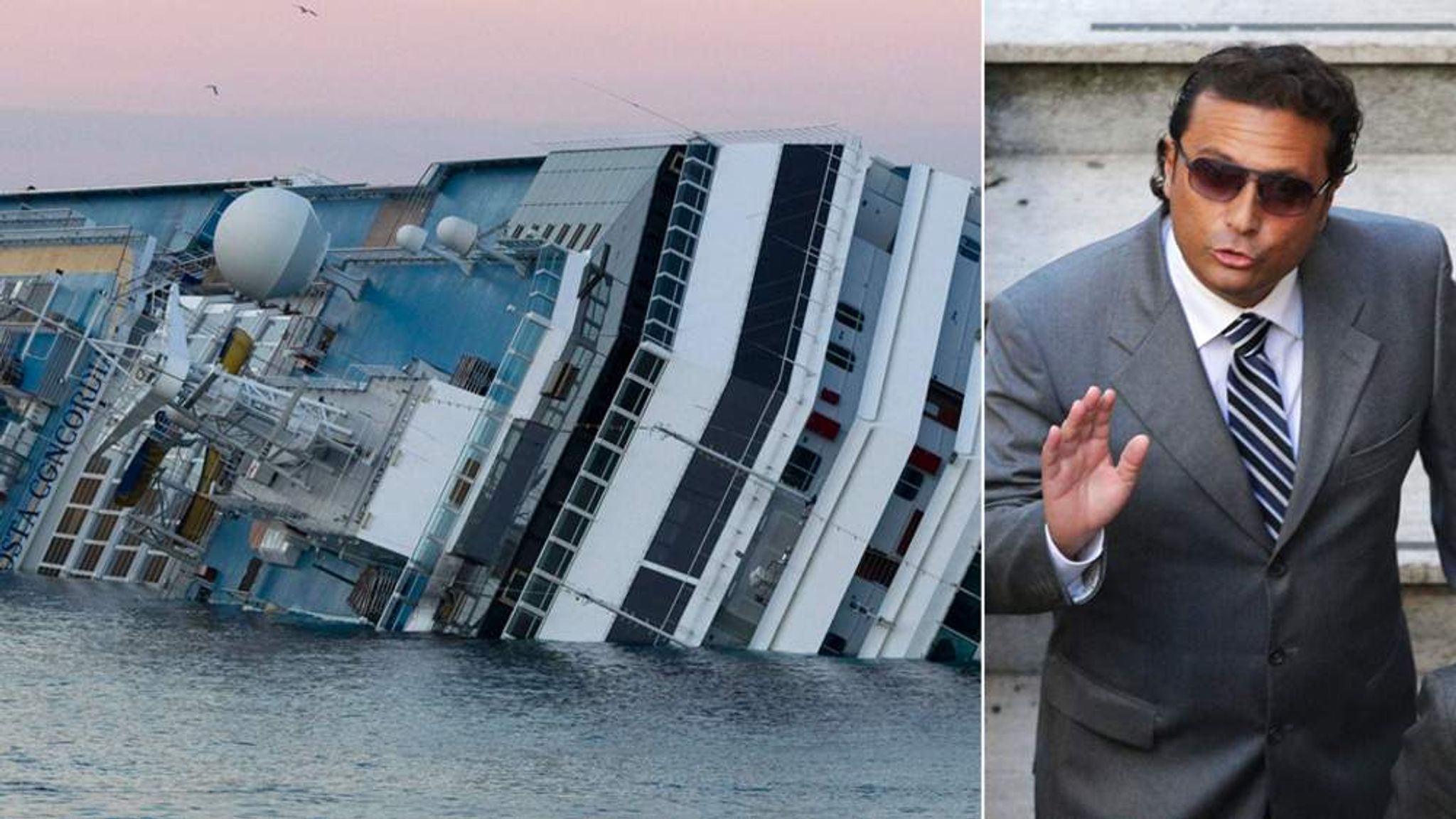
This is a common struggle for global brands. When an individual representative of the company acts in a way that contradicts the core values of the brand, the company must act swiftly to demonstrate that the individual is an anomaly, not a systemic flaw. In the case of the Costa Concordia, the company’s internal branding had to be surgically separated from Schettino’s personal actions, a process that required years of rigorous safety training initiatives and transparent communication campaigns to rebuild consumer confidence.
Legal Outcomes and the Finality of Reputation
Captain Schettino was eventually found guilty of manslaughter, causing a shipwreck, and abandoning his ship. In 2017, Italy’s highest court upheld his 16-year prison sentence. From a reputation management standpoint, this legal finality acted as the closing chapter of a long, public trial by media. By the time the verdict was delivered, the “brand” of Francesco Schettino had been permanently relegated to the annals of infamy.
His failure serves as a stark reminder that in the modern era, there is no “off the record.” Every decision made by a leader in a crisis is archived, digitized, and scrutinized. The personal brand of a captain—who is essentially the “CEO” of the vessel—is irrevocably linked to the safety and success of the corporate entity. When the individual fails, the brand is held accountable by proxy.
Rebuilding After the Storm: Marketing Lessons
How does a brand recover after a crisis of this magnitude? The Costa Concordia incident provides a roadmap for what companies must avoid and how they must respond when they are inevitably tested by catastrophe.
Radical Transparency as a Brand Pivot
Following the disaster, Costa Cruises implemented a series of radical transparency measures. This included opening their bridge procedures to third-party safety auditors and publicizing their enhanced evacuation drills. This was an attempt to shift the narrative from a story about a specific man to a story about a resilient, evolving organization. In the world of corporate branding, when a crisis strikes, the only way to reclaim the narrative is to provide an overwhelming amount of evidence that the culture has changed.
The Fragility of Luxury Brand Equity
Luxury brands are particularly susceptible to this kind of damage. When a customer pays a premium for a cruise, they are paying for a sense of security and exclusivity. The Costa Concordia disaster stripped away the luxury veneer, revealing the underlying operational risks. Rebuilding that equity required Costa to focus heavily on the “Human Element”—shifting the focus from the ship itself to the extensive training and professionalism of the crew. By emphasizing the collective, they sought to dilute the power of the individual leader who had caused the initial damage.
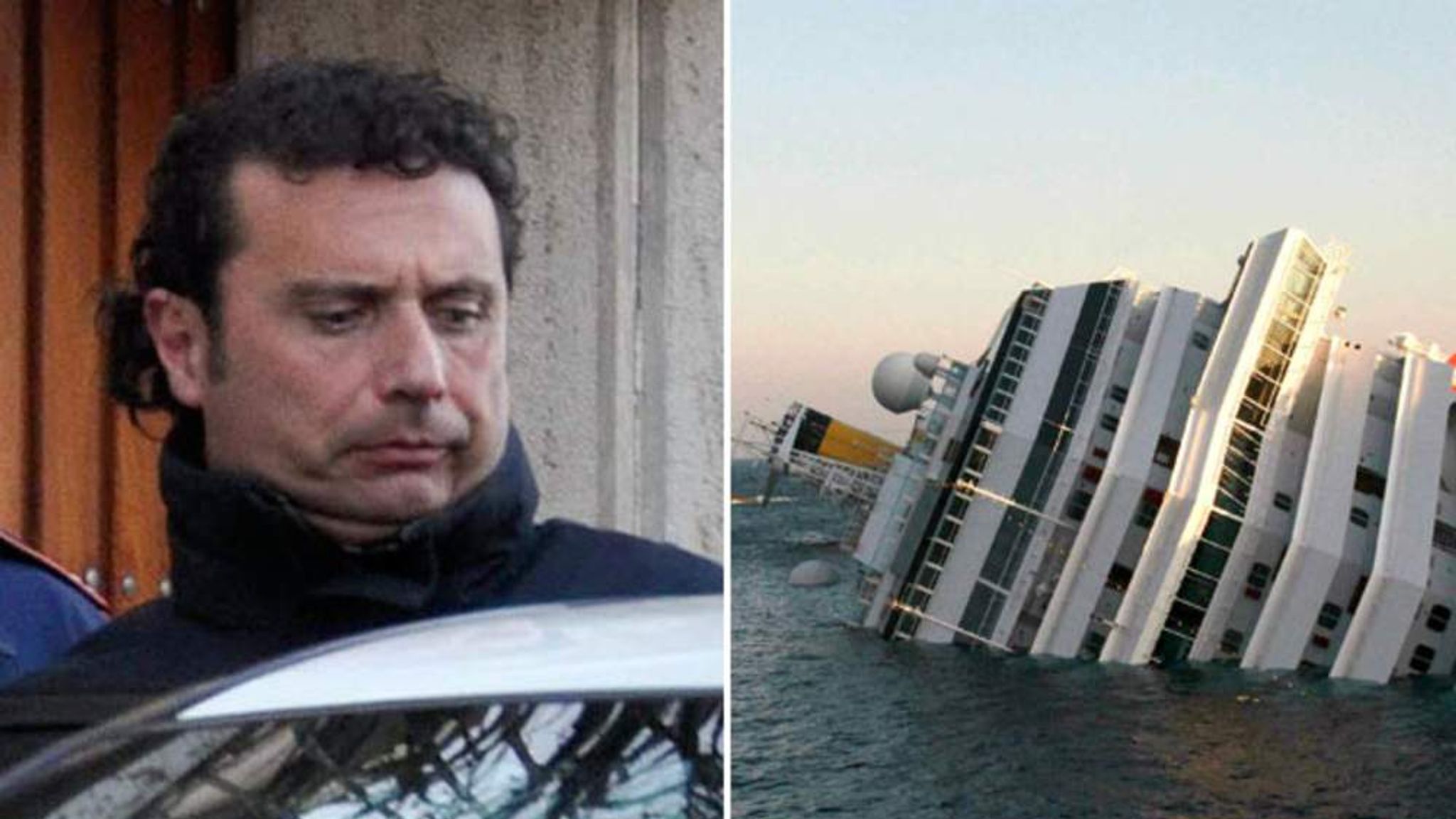
The Legacy of the “Captain” Archetype
Ultimately, Schettino’s story is a lesson in the dangers of neglecting personal branding. A captain is a figurehead, and by failing in his duties, he destroyed the archetype of the “heroic mariner.” In the corporate world, whether you are a CEO or a mid-level manager, your actions are the primary components of your personal brand.
If we look at the legacy of the Costa Concordia, we see that the market is unforgiving. It does not just demand competence; it demands a display of character that aligns with the brand’s stated values. When that alignment breaks, the brand itself—the corporation, the fleet, and the employees—pays the price.
Francesco Schettino remains the cautionary figure of the 21st century for anyone in a leadership role. His story is not just about a navigation error or a panic-induced decision; it is a profound lesson in how one person’s inability to uphold the standards of their role can shatter the trust built by decades of corporate work. For any brand, the takeaway is clear: your leadership is your brand, and your actions during a crisis will serve as your brand’s legacy long after the headlines fade. As the industry moves forward, the memory of that night off the coast of Giglio continues to serve as the benchmark for why integrity, preparedness, and accountability are the most valuable assets a leader can possess.
aViewFromTheCave is a participant in the Amazon Services LLC Associates Program, an affiliate advertising program designed to provide a means for sites to earn advertising fees by advertising and linking to Amazon.com. Amazon, the Amazon logo, AmazonSupply, and the AmazonSupply logo are trademarks of Amazon.com, Inc. or its affiliates. As an Amazon Associate we earn affiliate commissions from qualifying purchases.