
The Digital Evolution of Poetic Analysis
The intricate tapestry of sound devices within poetry, traditionally a domain of meticulous human scholarship, is increasingly being illuminated and expanded by technological advancements. As digital tools become more sophisticated, they offer unprecedented ways to identify, analyze, and even generate the phonetic nuances that give poetry its unique resonance. Understanding “what are the sound devices in poetry” in the 21st century now inherently involves exploring the software, algorithms, and platforms that are revolutionizing our interaction with these artistic elements.
Software for Phonetic Annotation and Rhyme Schemes
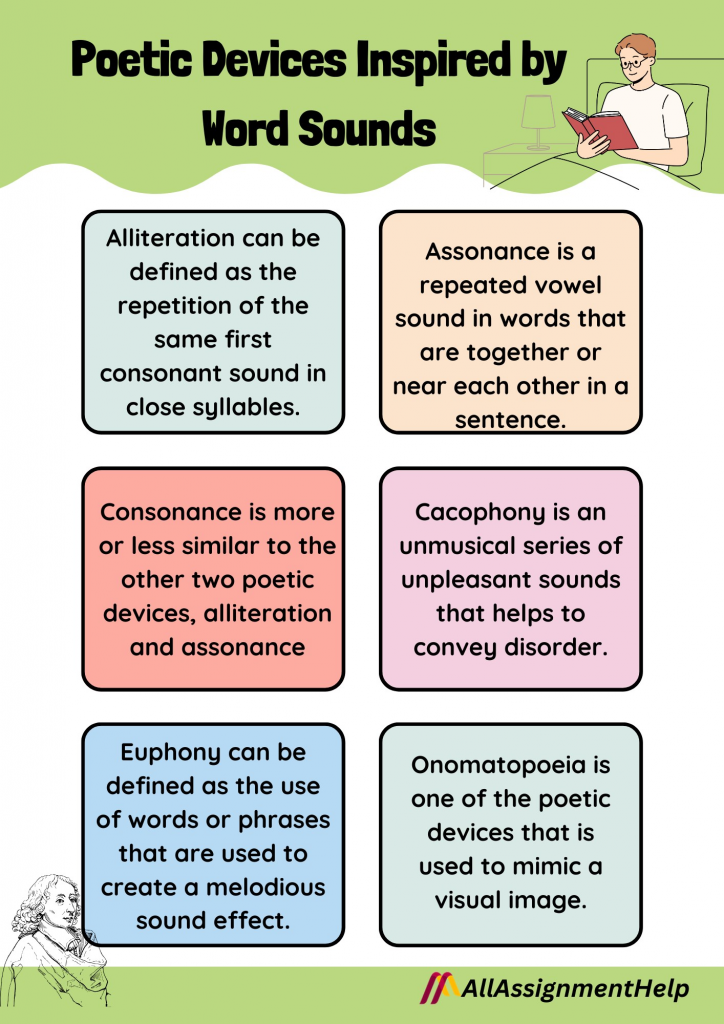
Specialized literary analysis software provides powerful capabilities for dissecting the aural structure of poems. Tools like rhyme scheme generators and phonetic annotators can rapidly process large volumes of text, identifying patterns that might be time-consuming or difficult for the human eye and ear to discern across extensive works. Rhyme schemes, the ordered pattern of rhymes at the ends of lines in a poem, are foundational sound devices. Software can automatically tag end rhymes (e.g., AABB, ABAB), and even detect internal rhymes (rhymes within a single line) or slant rhymes (near rhymes that share similar sounds but are not identical), which adds layers of complexity often missed in initial readings. Beyond simple rhyme, some programs utilize phonemic transcription systems to analyze subtle sound repetitions, allowing for a deeper understanding of alliteration (repetition of initial consonant sounds, e.g., “slippery slope”), assonance (repetition of vowel sounds within non-rhyming words, e.g., “light fire”), and consonance (repetition of consonant sounds within words or at the end of words, e.g., “stroke of luck”). These applications provide visual representations, such as color-coded text or statistical graphs, making abstract sound patterns tangible and enabling comparative analysis across different poetic traditions or individual poets.
Corpus Linguistics and Quantitative Poetics
The advent of large digital literary corpora has opened new avenues for studying sound devices on a grand scale. Corpus linguistics, a methodology utilizing vast collections of text, allows researchers to identify trends in the usage of sound devices across entire literary periods, genres, or geographical regions. For instance, a researcher might use a digital corpus to quantitatively measure the prevalence of sibilance (repetition of ‘s’ or ‘sh’ sounds, often creating a hissing effect) in Victorian poetry versus modernist works, revealing shifts in aesthetic preference or thematic concerns. Quantitative poetics employs statistical methods to analyze poetic features, including rhythm and meter. While traditional scansion (the analysis of metrical patterns) is a subjective art, software can assist by identifying stressed and unstressed syllables based on dictionaries and pronunciation rules. This allows for the automated detection of meter (the rhythmic structure of a poem, often measured in feet like iambic pentameter, which has five pairs of unstressed/stressed syllables per line) and variations within it, providing empirical data to support interpretive claims about a poem’s rhythm and its impact on meaning. By leveraging these technologies, scholars can move beyond individual close readings to broader, data-driven insights into how sound shapes poetic expression over time.
AI as a Creator and Identifier of Sound Devices
Artificial intelligence, particularly in the realm of natural language processing (NLP) and generative models, has profoundly impacted our understanding and application of sound devices. AI is no longer merely an analytical tool; it can now both discern and craft the aural intricacies of poetry, pushing the boundaries of creativity and analysis.
AI-Generated Poetry and Algorithmic Alliteration
Generative AI models, trained on vast datasets of human-written poetry, can now produce original verses that effectively employ a range of sound devices. These algorithms learn patterns of alliteration, assonance, consonance, and rhyme by analyzing millions of lines of poetry. When tasked with creating a poem, they can generate text where initial consonant sounds are repeated (alliteration), creating a desired sonic texture. For example, an AI could be prompted to write about a “stormy sea” and generate lines like “Foaming waves flash fierce, forcing fishing fleets forth,” demonstrating a sophisticated understanding and application of alliteration. This capability not only showcases AI’s creative potential but also serves as a fascinating lens through which to reverse-engineer and understand the rules and contexts governing these sound devices in human poetry. By observing how AI constructs such patterns, we gain new insights into the underlying mechanisms and effects of alliteration and other phonetic repetitions.
Machine Learning for Meter and Rhythm Detection
The nuanced interplay of stressed and unstressed syllables, pauses, and line breaks that constitute a poem’s rhythm and meter can be incredibly complex for human analysis, especially across diverse forms and languages. Machine learning algorithms are proving invaluable in this area. By processing massive amounts of annotated poetic text, these models learn to identify and classify different metrical patterns (e.g., iambic, trochaic, anapestic, dactylic) with high accuracy. They can recognize deviations from regular meter, such as inversions or substitutions, which poets often use for emphasis or to vary rhythm. Furthermore, these AI systems can analyze the overall prosody of a poem, detecting subtle shifts in pace and intonation. This capability is not just about identifying existing patterns but also about predicting how a line might be read or performed, providing a deeper layer of analysis for performance poets and literary scholars alike. The ability of AI to break down complex rhythmic structures offers a quantifiable approach to a historically subjective aspect of poetic appreciation.
Natural Language Processing in Assonance and Consonance
Natural Language Processing (NLP) techniques are at the forefront of identifying more subtle sound devices like assonance and consonance. Unlike simple rhyme, these devices involve the repetition of vowel or consonant sounds within words, regardless of their position at the end of a line. NLP models can employ phonetic analysis to convert words into their constituent phonemes (the smallest units of sound) and then compare these sequences to detect shared vowel sounds (assonance) or consonant sounds (consonance) across multiple words within a phrase or line. For instance, an NLP system can pinpoint the recurring ‘i’ sound in “trim the brine fisher’s lines” (assonance) or the ‘ck’ sound in “thick bluck clock” (consonance). This granular level of analysis reveals the intricate sonic textures that poets craft, often subconsciously, to enhance meaning, mood, or musicality. By making these hidden connections explicit, NLP tools allow both students and seasoned critics to appreciate the full auditory richness embedded within poetic language.
Interactive Platforms and Digital Performance
The digital realm has fostered a dynamic environment for experiencing and experimenting with sound devices in poetry. Interactive platforms and advancements in digital audio technology are transforming how audiences engage with poetic sound, moving beyond static text to immersive, multi-sensory experiences.
Online Tools for Experimenting with Poetic Sound
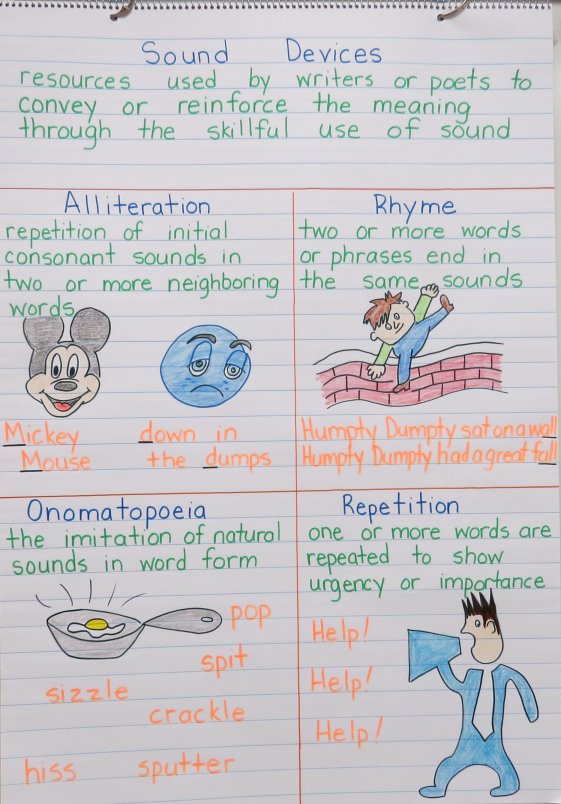
A new generation of online tools empowers poets, educators, and enthusiasts to actively experiment with and visualize sound devices. Websites and applications offer interactive interfaces where users can input text and receive immediate feedback on its phonetic qualities. Some platforms highlight alliteration, assonance, and consonance in different colors, allowing users to “see” the sound patterns they are creating. Others provide audio playback with customizable pronunciations, helping users understand how word choice impacts the spoken rhythm and cadence. These digital sandboxes are invaluable for learning by doing, enabling aspiring poets to refine their craft by observing the direct auditory effect of their word choices. Furthermore, some tools facilitate the creation of onomatopoeia – words that imitate the sound they represent (e.g., “buzz,” “sizzle,” “thump”) – by offering sound libraries or suggesting words based on intended sounds, thereby enriching the sonic vocabulary available to creators. This hands-on approach demystifies the mechanics of poetic sound, making it accessible and engaging for a broader audience.
Augmented Reality and Immersive Poetry Experiences
Emerging technologies like Augmented Reality (AR) are beginning to offer immersive ways to experience poetry, particularly its sound devices. Imagine holding a tablet over a printed poem and seeing words that contribute to alliteration or assonance highlighted in real-time, perhaps even accompanied by subtle audio cues that emphasize the repeated sounds. AR applications could overlay visual interpretations of rhythm and meter, animating the text as it is read aloud to visually represent its sonic flow. This blend of visual and auditory information can deepen the understanding and appreciation of how sound devices function within a poem, transforming a solitary reading experience into an interactive exploration. While still in nascent stages, the potential for AR to bring the sonic architecture of poetry to life is immense, creating new educational and artistic avenues for engagement with complex literary forms.
The Role of Audio Production in Spoken Word and Podcasts
The rise of digital audio production tools has dramatically impacted the performance aspect of poetry, especially in spoken word and podcasting. Sound devices, which are inherently auditory, gain new dimensions when expertly performed and produced. Professional audio software allows poets and producers to manipulate vocal delivery, adding effects that emphasize alliteration, create echoes for repetition, or layer voices to highlight complex assonance and consonance. For instance, a spoken word artist might use pitch shifts and delays to underscore the percussive effect of repetition (the conscious recurrence of words, phrases, or ideas), such as in anaphora (repetition at the beginning of successive clauses) or epistrophe (repetition at the end). Podcasts dedicated to poetry often feature rich soundscapes, where background music and ambient sounds are carefully chosen to complement the poem’s sonic qualities, enhancing its mood and meaning. This fusion of literary art with advanced audio technology transforms poetry from a written form into a vibrant, multi-media experience, emphasizing its inherent musicality and the power of its sound devices.
Educational Technology and Accessibility
The integration of technology into poetry education is not only enhancing understanding of sound devices but also making this field more accessible to diverse learners, bridging gaps and fostering broader appreciation.
Gamified Learning of Poetic Sound
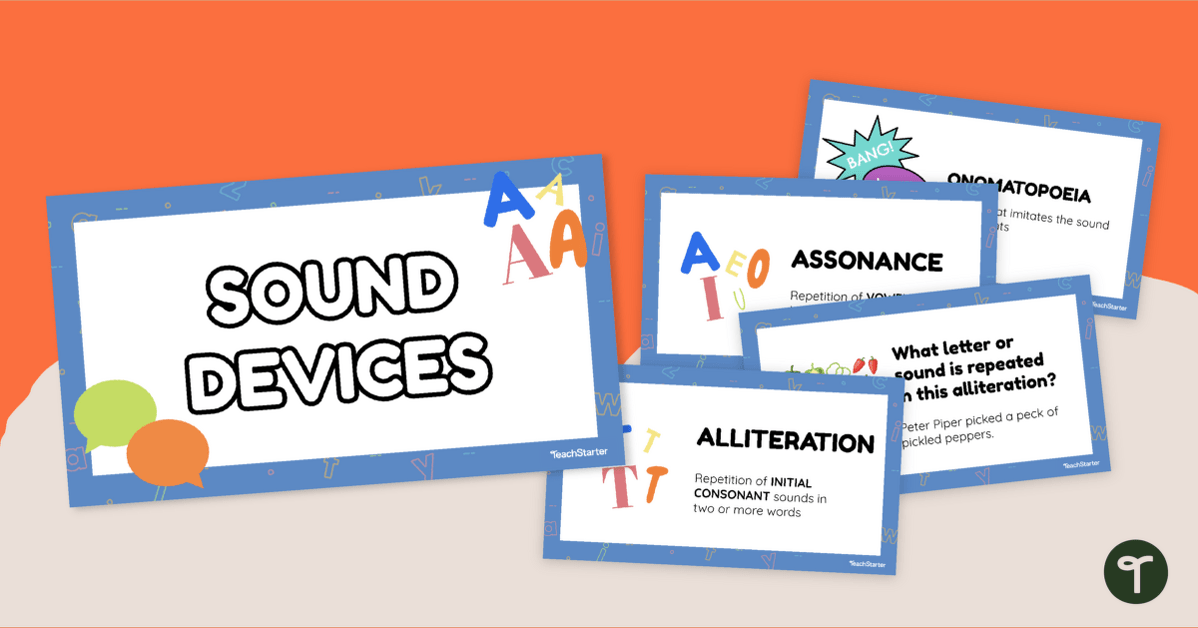
Educational technology has embraced gamification to make learning about complex literary concepts, including sound devices, more engaging and intuitive. Interactive games and quizzes designed for students can challenge them to identify alliteration, assonance, consonance, and rhyme schemes in various poems, often offering immediate feedback and progressive difficulty levels. These platforms might include drag-and-drop exercises for matching definitions to examples, or listening games where students identify sound patterns in audio clips of poetry readings. Such gamified approaches not only reinforce knowledge of “what are the sound devices in poetry” but also make the learning process enjoyable, catering to different learning styles and improving retention. This digital approach is particularly effective in demystifying abstract concepts like euphony (pleasant-sounding language) and cacophony (harsh-sounding language), allowing students to hear and differentiate these effects in practical contexts.
Assistive Technologies for Engaging with Poetry
For individuals with learning differences or disabilities, assistive technologies are proving invaluable in accessing and comprehending the nuances of poetic sound. Text-to-speech software, for example, can read poems aloud, allowing visually impaired individuals or those with dyslexia to experience the aural qualities of a poem, including its rhythm and sound repetitions, in a way that reading alone might not permit. Customizable display settings in digital readers can highlight sound devices with different colors or font treatments, making them more visually salient for individuals who benefit from enhanced visual cues. Furthermore, interactive digital glossaries and audio explanations embedded within e-texts can provide instant clarification of terms like meter or foot, breaking down barriers to understanding. These technologies ensure that the rich world of poetic sound devices is accessible to a wider audience, fostering inclusivity in literary education.
Digital Archives and Global Access to Sound-Rich Works
Digital archives and online databases have democratized access to a vast repository of poetry, including recordings of poets reading their own work. Websites like the Poetry Foundation or the Library of Congress’s archive allow users from around the world to not only read texts but also to listen to poets perform their creations. This direct access to the poet’s voice is crucial for understanding how sound devices were intended to be heard and felt. Hearing a poet emphasize an alliterative phrase or pause strategically to enhance rhythm provides invaluable insight into their craft. These digital repositories are vital tools for comparative studies, allowing students and scholars to explore how sound devices are employed across different languages and cultures, transcending geographical limitations. By making these “sound-rich” works universally available, technology ensures that the oral tradition of poetry, with its inherent emphasis on sound devices, continues to thrive and evolve in the digital age.
aViewFromTheCave is a participant in the Amazon Services LLC Associates Program, an affiliate advertising program designed to provide a means for sites to earn advertising fees by advertising and linking to Amazon.com. Amazon, the Amazon logo, AmazonSupply, and the AmazonSupply logo are trademarks of Amazon.com, Inc. or its affiliates. As an Amazon Associate we earn affiliate commissions from qualifying purchases.