
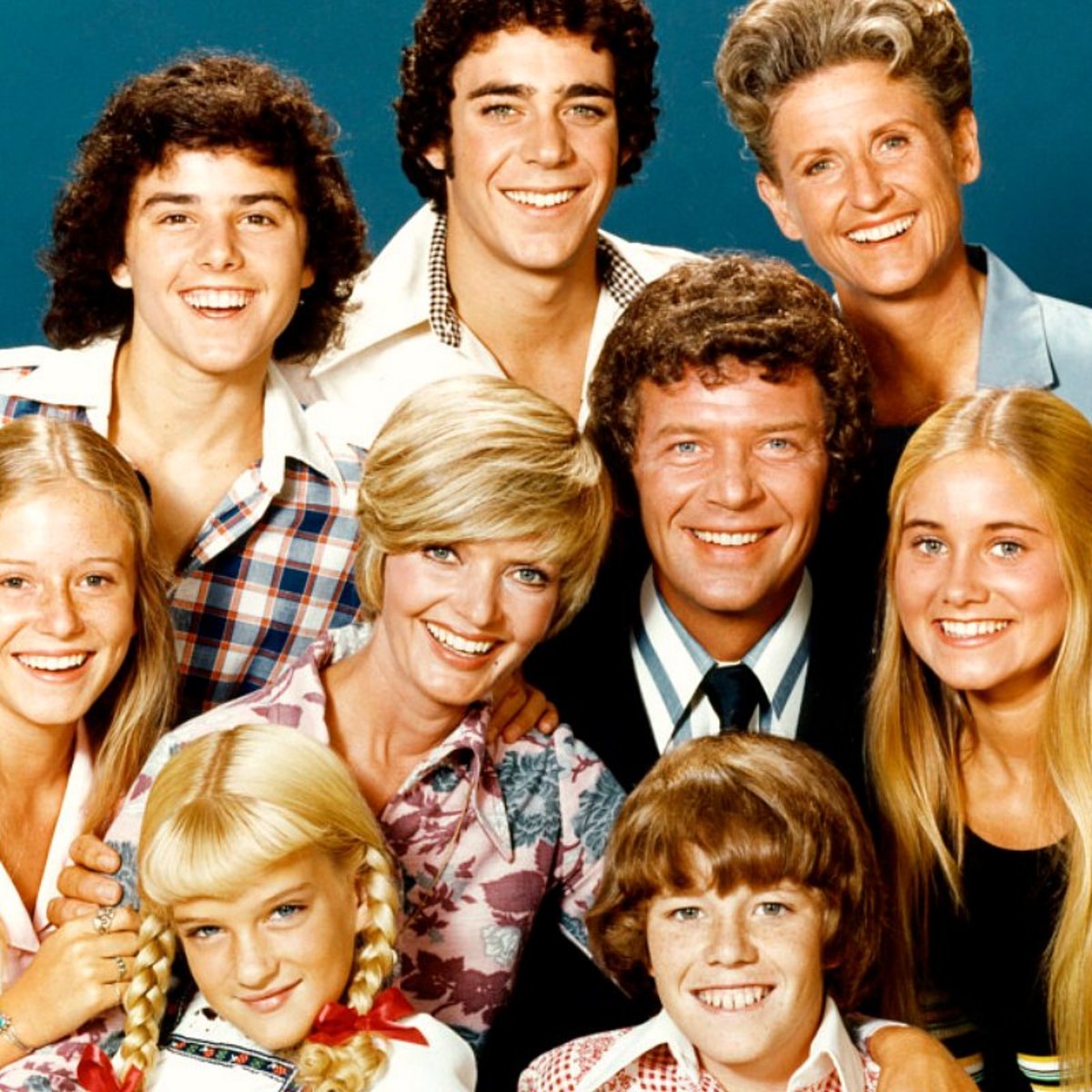
In the history of television, few properties have achieved the near-mythic brand equity of The Brady Bunch. Originally airing from 1969 to 1974, the show was more than just a sitcom; it was a carefully curated image of American suburban idealism. However, for the six actors who portrayed the Brady siblings—Barry Williams, Maureen McCormick, Christopher Knight, Eve Plumb, Mike Lookinland, and Susan Olsen—the conclusion of the series was not an end, but the beginning of a complex lifelong challenge: how to manage a personal brand that is inextricably linked to a monolithic corporate identity.

The trajectory of the Brady actors offers a masterclass in brand management, demonstrating the risks of brand pigeonholing and the various strategies one can employ to pivot, reclaim, or leverage an existing legacy. To understand what happened to these actors is to understand the mechanics of personal branding in the face of overwhelming public perception.
The Challenge of Brand Pigeonholing: The “Brady” Narrative
In the world of branding, “pigeonholing” occurs when a product or personality becomes so closely associated with a single trait or era that expansion into new markets becomes nearly impossible. For the Brady cast, their individual identities were subsumed by the “Brady” brand. They weren’t just actors; they were archetypes.
The Anchor Effect of Typecasting
From a strategic standpoint, the cast faced what marketers call the “Anchor Effect.” The public’s perception was anchored to the wholesome, 1970s versions of their characters. When the show ended, the actors found that their marketability was limited to projects that echoed the Brady aesthetic. This created a significant barrier to entry for more mature or diverse roles.
Maureen McCormick (Marcia Brady) and Eve Plumb (Jan Brady) faced the brunt of this. Plumb, in a decisive move to break her brand association, famously turned down the “Brady Bunch Hour” variety show in the mid-70s to pursue grittier roles, such as her performance in Dawn: Portrait of a Teenage Runaway. This was a strategic attempt at brand repositioning—distancing herself from the “Jan” persona to establish a new identity as a serious dramatic actress.
The Commercialization of Nostalgia
While some cast members fought the association, others eventually embraced the “nostalgia marketing” potential of their roles. Barry Williams (Greg Brady) transitioned into a role that leaned heavily into his legacy. By authoring the book Growing Up Brady and participating in various spin-offs, Williams transformed his personal brand into a custodial role for the franchise’s history. This is a classic example of “Legacy Branding,” where the individual becomes the primary ambassador for the historical value of the product.
Strategic Pivots: From Performance to Entrepreneurship
Perhaps the most fascinating aspect of the Brady cast’s evolution is how several members successfully pivoted away from the entertainment industry entirely to build new, independent brands in business and design.
Christopher Knight: The Entrepreneurial Pivot
Christopher Knight (Peter Brady) provides the most successful example of brand diversification. Recognizing the volatility of an acting career tied to a specific era, Knight shifted his focus to the tech and home industries. He founded several companies, including a pioneering 3D graphics company and, most notably, Christopher Knight Home.
By launching a furniture brand, Knight engaged in “Brand Extension.” He leveraged his name recognition to build trust with consumers but focused the brand’s value proposition on quality and design rather than his acting history. Today, Christopher Knight Home is a multi-million dollar business that supplies major retailers like Amazon and Target. Knight successfully transitioned from being a “personality” to a “founder,” a pivot that secured his financial independence and redefined his professional identity.
Eve Plumb: The Creative Rebrand
Eve Plumb’s journey took her into the world of fine art. For decades, Plumb has maintained a successful career as a painter. From a branding perspective, this was a “Niche Strategy.” By moving into a high-culture space like fine art, she was able to build a reputation based on tangible skill and aesthetic vision that had nothing to do with her television persona. Her success in this arena proves that a strong personal brand can be rebuilt from scratch if the individual is willing to enter an entirely different vertical.
Susan Olsen and Mike Lookinland: Behind the Scenes
Susan Olsen (Cindy Brady) and Mike Lookinland (Bobby Brady) chose paths that took them away from the spotlight, focusing on graphic design and specialized manufacturing, respectively. Lookinland’s move into the production of decorative architectural concrete is a stark departure from Hollywood. This represents a “Brand Exit,” where the individual intentionally de-escalates their public profile to pursue personal fulfillment and specialized craftsmanship, effectively retiring the public-facing brand in favor of a private one.

Brand Dilution and the Recovery Phase
Maintaining a brand for over 50 years is fraught with risk. The Brady actors have had to navigate periods of brand dilution—times when the legacy was satirized, exploited, or marred by personal struggles.
Navigating the Reality TV Era
In the early 2000s, several cast members participated in reality television, a medium known for “High-Risk Branding.” Christopher Knight’s appearance on The Surreal Life and Maureen McCormick’s stints on various competition shows were attempts to re-engage with a modern audience. While reality TV can revitalize a stagnant brand, it also risks “Brand Degradation” by exposing personal vulnerabilities for entertainment.
Maureen McCormick, in particular, used her autobiography, Here’s the Story, to pivot her brand once again. By being transparent about her struggles with addiction and the pressures of child stardom, she moved from being a “static icon” to a “relatable survivor.” This transparency added a layer of authenticity to her personal brand, allowing her to connect with audiences on a much deeper, more modern level.
The Power of Co-Branding: A Very Brady Renovation
In 2019, the surviving cast members reunited for HGTV’s A Very Brady Renovation. This was a masterstroke of co-branding. By partnering with a lifestyle and home improvement network, the actors were able to merge their historical legacy with a high-value, contemporary project.
This collaboration served three strategic purposes:
- Reactivation: It brought the “Brady” brand back into the cultural conversation.
- Contextualization: It placed the actors in a modern, professional setting (renovation and design).
- Unity: It reinforced the collective strength of the group, proving that their combined “Brand Equity” was greater than the sum of its parts.
Lessons in Modern Personal Branding and Longevity
The trajectory of the Brady Bunch cast offers vital insights for today’s influencers, entrepreneurs, and public figures. In an era where “fame” can be fleeting, the Brady actors demonstrate how to manage a legacy over the long term.
Authenticity Over Perfection
The most successful transitions within the group occurred when the actors stopped trying to be the “perfect” Bradys and started being authentic individuals. Whether it was Christopher Knight’s business acumen or Maureen McCormick’s honesty, authenticity proved to be the most resilient brand asset.
The Value of the “Pivot”
The ability to pivot is essential for brand longevity. The actors who fared best were those who developed skills outside of acting. In professional branding, this is known as “Skill Stack Development.” By adding business, art, or design to their repertoire, they ensured that their value was not dependent on a single industry’s whims.
Managing the Halo Effect
The “Halo Effect” is a cognitive bias where our overall impression of a person influences how we feel and think about their character. For years, the Brady actors benefited from—and were trapped by—the “wholesome halo.” Managing this required a delicate balance: honoring the nostalgia that fans loved while asserting their own adult identities.
Conclusion: The Enduring Legacy of the Brady Brand
What happened to the Brady Bunch actors is a story of survival in the high-stakes world of public identity. They started as components of a corporate brand and evolved into distinct personal brands, each with its own market position.
From the entrepreneurial heights of Christopher Knight to the artistic credibility of Eve Plumb, the cast has shown that while you cannot always control the narrative people project onto you, you can control the business you build and the authenticity you bring to your work. They have successfully navigated the transition from child stars to legacy icons, proving that a well-managed brand can transcend its origins and find new life in an ever-changing cultural landscape.
The “Brady” brand remains a powerful force in television history, but the individual brands of the actors who lived it are perhaps even more instructive. They remind us that branding is not a static destination, but a continuous process of evolution, adaptation, and reinvention.
aViewFromTheCave is a participant in the Amazon Services LLC Associates Program, an affiliate advertising program designed to provide a means for sites to earn advertising fees by advertising and linking to Amazon.com. Amazon, the Amazon logo, AmazonSupply, and the AmazonSupply logo are trademarks of Amazon.com, Inc. or its affiliates. As an Amazon Associate we earn affiliate commissions from qualifying purchases.