
Sony, a name synonymous with innovation and quality for generations, has had a roller-coaster journey through the treacherous waters of the 21st century’s rapidly evolving technological landscape. Once an undisputed titan of consumer electronics, pioneering everything from the portable music player to the compact disc, the company faced a period where its once-unassailable position seemed to falter, raising questions about its future. However, to truly understand “what happened to Sony” is to delve into a compelling narrative of glorious technological breakthroughs, painful strategic missteps, and an eventual, resilient pivot back to its core strengths and a renewed vision for the future.

This article will explore Sony’s technological evolution, examining its early dominance, the challenges it faced during its “lost decade,” and the strategic transformations that have positioned it once again as a formidable player across diverse tech sectors. From iconic gadgets to cutting-edge sensors and gaming consoles, Sony’s story is a powerful case study in corporate adaptation within an ever-changing tech paradigm.
The Golden Era and Early Tech Dominance
For decades, Sony was not just a brand; it was a byword for technological aspiration and sophisticated engineering. Its trajectory from a post-war radio repair shop to a global powerhouse was built on a relentless pursuit of miniaturization, quality, and user experience, fundamentally transforming how people interacted with technology.
From Transistors to Walkmans: A Legacy of Consumer Electronics
Sony’s initial rise was fueled by a series of groundbreaking innovations that captured the public imagination and set new industry standards. Its early foray into transistor radios revolutionized portable communication, shrinking devices previously confined to living rooms into pockets. The Trinitron color television, introduced in 1968, offered unparalleled picture quality, becoming a benchmark for display technology for over two decades. But perhaps no product crystallized Sony’s innovative spirit quite like the Walkman. Launched in 1979, the TPS-L2 was not just a portable cassette player; it was a cultural phenomenon that liberated music from the confines of the home, paving the way for personal entertainment on the go. The Walkman represented a perfect blend of miniaturization, design aesthetics, and a deep understanding of consumer desires.
Beyond the Walkman, Sony’s contributions to the digital revolution were equally profound. Collaborating with Philips, it developed the Compact Disc (CD) in the early 1980s, ushering in the era of digital audio and setting the stage for digital media consumption. The invention of the MiniDisc and early digital cameras further cemented Sony’s reputation as a leader in consumer electronics, perpetually pushing the boundaries of what was possible and consistently delivering premium, innovative products to the global market. This period established Sony as a technological trendsetter, with a formidable research and development engine that seemed unstoppable.
PlayStation’s Genesis: A Gaming Revolution
As the 1990s dawned, Sony demonstrated its capacity for disruptive innovation by venturing into an entirely new technological frontier: video games. Its decision to enter the console market, initially as a partner to Nintendo, ultimately led to the independent development and launch of the PlayStation (PS1) in 1994. This move was audacious for a company primarily known for audio-visual equipment, but it paid off spectacularly.
The PlayStation was a technological marvel for its time, leveraging CD-ROM technology for larger games and pioneering 3D graphics that redefined the gaming experience. It wasn’t just a console; it was a cultural gateway, appealing to a broader demographic than its competitors. The success of the PS1 was followed by the even more dominant PlayStation 2 (PS2) in 2000, which became the best-selling video game console of all time, largely due to its backward compatibility and its early integration of DVD playback, making it a home entertainment hub. Sony Computer Entertainment, under the leadership of Ken Kutaragi, rapidly transformed gaming from a niche hobby into a mainstream technological and entertainment industry pillar, solidifying PlayStation as a cornerstone of Sony’s technological empire and a vital engine for its future.
The Lost Decade: Stumbles in a Shifting Landscape
Despite its earlier triumphs, the turn of the millennium presented Sony with unprecedented challenges. The company, once a byword for innovation, seemed to struggle to adapt to the seismic shifts brought about by the internet and the rise of new digital paradigms.
Missed Shifts and Strategic Missteps
The primary narrative of Sony’s “lost decade” — roughly from the early 2000s to the early 2010s — is one of failing to fully grasp and adapt to the rapid transition from physical media to digital, and from standalone devices to interconnected ecosystems. Perhaps the most glaring example was its struggles in portable music. While Sony had invented the Walkman, it watched as Apple’s iPod and iTunes ecosystem dominated the digital music revolution. Sony’s response, fragmented across various incompatible formats and proprietary digital rights management (DRM) systems, was too little, too late, and too complicated for consumers. The once-mighty Walkman brand faded into obscurity in the face of seamless digital integration.
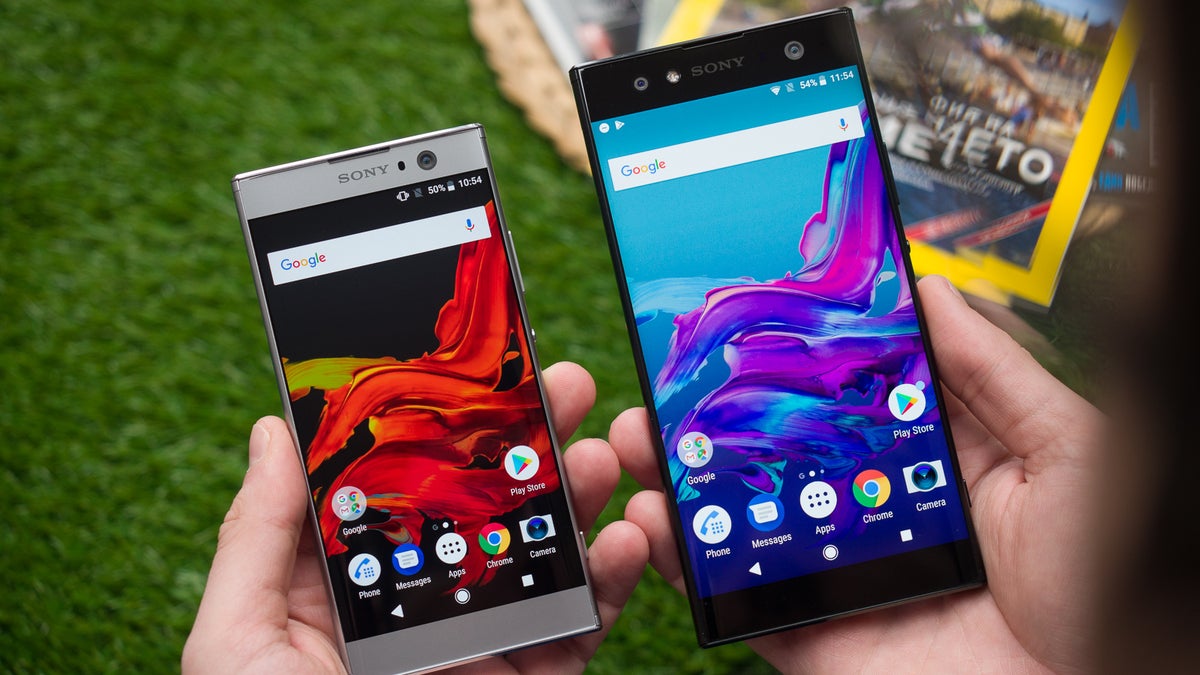
Similarly, in the burgeoning smartphone market, Sony lagged significantly. While it had experience with mobile phones through its joint venture Sony Ericsson, it failed to produce a truly compelling competitor to Apple’s iPhone or the rapidly evolving Android ecosystem. Its devices often suffered from uninspired design, inconsistent software experiences, and a lack of clear strategic direction, leading to consistent market share losses and financial drains. Even in its traditional stronghold of televisions, Sony faced immense pressure. The shift from bulky CRT to flat-panel LCD and OLED technologies saw aggressive competition from Korean manufacturers like Samsung and LG, who could produce at lower costs and innovate at a faster pace, eating into Sony’s once-premium market share and profitability.
Internal Silos and Innovation Bottlenecks
A significant internal factor contributing to Sony’s struggles was its complex, often fragmented organizational structure. Historically, Sony operated as a collection of largely autonomous business units, each with its own R&D, product development, and marketing. While this fostered focused innovation in the past, it became a hindrance in an era demanding cross-platform integration and cohesive digital strategies.
The “not invented here” syndrome often prevented different divisions from collaborating effectively, leading to competing technologies within the same company (e.g., various music players, proprietary memory cards) and a lack of a unified vision for a connected digital future. This meant that while individual departments might still produce technologically advanced components, the overall user experience across Sony devices felt disjointed. Leadership changes during this period also struggled to implement a comprehensive strategy to dismantle these silos, leading to slower decision-making and an inability to respond nimbly to market changes. The once-innovative behemoth became ponderous, its sheer size and internal complexities preventing it from recapturing its former agility.
Rebuilding Blocks: A Strategic Tech Pivot
Recognizing the existential threat posed by its prolonged struggles, Sony embarked on a determined, often painful, restructuring and strategic pivot under the leadership of Kazuo Hirai and later Kenichiro Yoshida. This involved divesting unprofitable divisions, streamlining operations, and most importantly, doubling down on its unique technological strengths.

Doubling Down on Core Strengths: Gaming and Imaging
The most visible aspect of Sony’s resurgence has been the revitalization and continued dominance of its PlayStation gaming division. After a challenging launch for the PS3, Sony came roaring back with the PlayStation 4 (PS4) in 2013, which outsold its primary competitor and cemented its status as the leading console platform. The PS4’s success was built on a developer-friendly architecture, a strong lineup of exclusive games, and a focus on community and online services. This momentum carried through to the PlayStation 5 (PS5), launched in 2020, which, despite initial supply constraints, has continued to set sales records, driven by cutting-edge hardware, immersive graphics, and a robust ecosystem. PlayStation remains Sony’s primary technological and financial engine, showcasing its ability to innovate and execute in a highly competitive market.
Concurrently, Sony reaffirmed its commitment to imaging technology. While its consumer digital camera market faced saturation from smartphones, Sony strategically shifted its focus to high-end, professional, and prosumer cameras. Its Alpha series of mirrorless cameras (e.g., A7, A9, A1) have not only revolutionized the professional photography and videography industry but have also surpassed traditional DSLR stalwarts in terms of innovation, speed, and image quality. This success is not just about the cameras themselves but also the underlying sensor technology, which Sony has heavily invested in. By leveraging its deep expertise in optics and sensor manufacturing, Sony transformed its imaging division into a significant profit driver and a technological leader.
The Quiet Powerhouse: Semiconductors and Sensors
Beyond the high-profile successes of PlayStation and Alpha cameras, a less visible but equally crucial transformation occurred within Sony: its rise as a dominant force in semiconductor technology, specifically image sensors. Sony is the world’s leading manufacturer of Complementary Metal-Oxide Semiconductor (CMOS) image sensors, supplying these critical components to a vast array of companies, including rivals like Apple, Samsung, and Huawei for their smartphones, as well as for automotive, security, and industrial applications.
This pivot represented a shrewd strategic move to leverage Sony’s fundamental technological expertise in a B2B context. By focusing on providing core components that power the cameras in virtually every modern smartphone, Sony created a highly profitable and resilient revenue stream that is largely insulated from the consumer market’s volatile trends. This “behind-the-scenes” dominance in sensor technology underscores Sony’s deep engineering prowess and its ability to adapt its technological strengths to new, high-value markets, demonstrating a significant shift from solely consumer-facing products to crucial component supply.
Re-evaluating Niche Markets: Audio and Entertainment Synergy
While some divisions were culled, Sony selectively maintained and refined others. Its premium audio division continues to innovate with high-resolution audio products, noise-canceling headphones (like the WH-1000XM series), and soundbars, catering to an audiophile and discerning consumer market. These products leverage Sony’s long history in sound engineering and often integrate seamlessly with its entertainment content.
Moreover, Sony’s entertainment arms – Sony Pictures Entertainment and Sony Music Entertainment – are not merely separate entities but increasingly interconnected with its technology divisions. Content creation tools (cameras, professional displays), distribution platforms (PlayStation Store, Bravia Core), and immersive experiences (VR) all benefit from this synergy. This strategy helps differentiate Sony in a crowded tech market, providing a holistic ecosystem of hardware, software, and content.
Future Horizons: Innovation in a Connected World
Having navigated its past challenges and solidified its core, Sony is now looking toward the future, actively exploring emerging technologies and leveraging its diverse portfolio to shape new experiences in a highly connected world.
Beyond Gaming: Virtual Reality and Metaverse Exploration
Building on the success of PlayStation, Sony has been a pioneer in the console virtual reality space with PlayStation VR (PSVR). While not a mainstream runaway hit, PSVR established Sony’s presence in immersive technology. The launch of PSVR2 for the PlayStation 5, with its advanced haptics, eye-tracking, and stunning visuals, signals Sony’s continued commitment to VR. This is not just about gaming; Sony views VR and AR as foundational technologies for future “metaverse” experiences, offering new ways to interact with digital content and spaces. Its technological expertise in display, sensors, and graphics processing positions it well to contribute significantly to the evolution of these immersive platforms.
Mobility and Vision: From EVs to Creator Tools
Perhaps one of Sony’s most unexpected recent ventures is into electric vehicles (EVs). The partnership with Honda to form Sony Honda Mobility and the unveiling of the Afeela brand demonstrates Sony’s ambition to integrate its software, sensor, and entertainment technologies into the future of mobility. This isn’t about traditional car manufacturing but about creating an “entertainment space” on wheels, leveraging Sony’s strengths in imaging sensors for autonomous driving, advanced infotainment systems, and user interfaces that draw on its gaming and media expertise. It’s a bold move that highlights how Sony views its technology as transferable across industries.
Concurrently, Sony continues to empower creators globally. Its professional cameras, broadcast equipment, and now cinematic drones like the Airpeak are essential tools for filmmakers, content creators, and broadcasters. This focus ensures Sony remains at the forefront of the technological tools that shape our visual and auditory culture.
AI and Cloud Integration: Powering Next-Gen Experiences
Underpinning many of Sony’s future ambitions is a growing emphasis on Artificial Intelligence (AI) and cloud computing. AI is increasingly integrated into its products, from the advanced autofocus systems in its Alpha cameras that can track eyes and objects with incredible precision, to AI-powered non-player characters in PlayStation games, and intelligent recommendations within its entertainment services. Cloud technology is crucial for its gaming services (PlayStation Plus), streaming platforms, and for enabling seamless connectivity across its devices and services. Sony is investing in AI and cloud infrastructure not just as features, but as fundamental enablers for the next generation of personalized, responsive, and immersive technological experiences.
Conclusion
“What happened to Sony?” is a story of a cyclical journey from technological marvel to a period of uncertainty, followed by a strategic re-evaluation and a powerful resurgence. It serves as a potent reminder that in the fast-paced world of technology, even the most iconic companies must constantly adapt, innovate, and sometimes, courageously prune. Sony’s recent trajectory underscores the importance of understanding and leveraging core technological strengths, making bold strategic pivots into new domains, and fostering an integrated ecosystem of hardware, software, and content.
From its unwavering dominance in gaming and imaging to its quiet leadership in semiconductor sensors, and its ambitious forays into virtual reality and electric vehicles, Sony has successfully navigated the digital tides. The company has not only rediscovered its innovative spirit but has diversified its technological portfolio, positioning itself as a resilient and forward-looking player that continues to shape the future of entertainment, communication, and mobility. Sony, the global tech giant, has not just survived; it has redefined itself, ensuring its legacy of innovation continues into the next generation.
aViewFromTheCave is a participant in the Amazon Services LLC Associates Program, an affiliate advertising program designed to provide a means for sites to earn advertising fees by advertising and linking to Amazon.com. Amazon, the Amazon logo, AmazonSupply, and the AmazonSupply logo are trademarks of Amazon.com, Inc. or its affiliates. As an Amazon Associate we earn affiliate commissions from qualifying purchases.