
The gaming world is a dynamic and often unforgiving landscape. For every titan that dominates the charts for years, there are countless others that flare brightly before fading into obscurity. Shatterline, a promising free-to-play extraction shooter, falls into the latter category for many who were initially captivated by its ambitious vision. Launched with significant fanfare and early access buzz, Shatterline promised a unique blend of tactical combat, cooperative PvE, and a compelling lore. Yet, despite its initial strengths, the game struggled to maintain its momentum, leading to questions about its current state and future.

This article will explore the journey of Shatterline, examining the factors that contributed to its initial appeal, the challenges it faced in a competitive market, and what its trajectory might signify for the broader gaming industry. We’ll delve into the technical aspects that initially impressed, the branding and marketing efforts that garnered attention, and the financial realities that often dictate a game’s longevity.
The Allure of the Post-Apocalyptic Extraction Shooter
Shatterline arrived in a gaming ecosystem ripe for a fresh take on the extraction shooter genre. Games like Escape from Tarkov had already proven the genre’s appeal, but Shatterline aimed to democratize it with a free-to-play model and a more accessible, yet still challenging, gameplay loop.
Technical Prowess and Innovative Gameplay
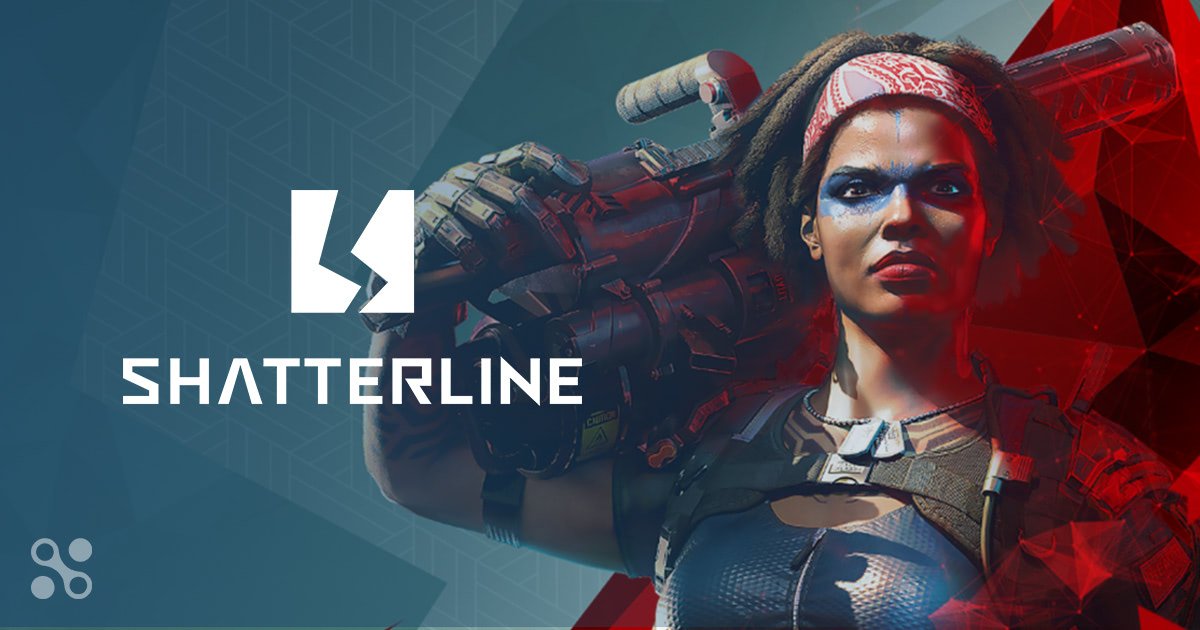
From a technical standpoint, Shatterline impressed many players during its early access phase. Developed by Frag Labs, the game showcased a commitment to fluid gunplay, detailed weapon customization, and a visually distinct, albeit somewhat bleak, post-apocalyptic world. The engine powered smooth animations and responsive controls, crucial elements for a shooter where split-second decisions matter.
The core gameplay loop revolved around players dropping into a persistent world, completing objectives, looting valuable resources, and extracting before succumbing to enemy AI or other player squads. This high-stakes loop inherently generates tension and replayability. Shatterline differentiated itself with several key features:
- Cooperative PvE Focus: Unlike many extraction shooters that are heavily PvP-centric, Shatterline offered robust cooperative PvE missions. This allowed players to experience the thrill of looting and surviving against intelligent AI opponents, making it more accessible to those less inclined towards direct player-vs-player confrontation. The AI exhibited surprisingly effective tactics, requiring coordinated team play even in PvE scenarios.
- Modular Weapon System: The weapon customization in Shatterline was a significant draw. Players could meticulously modify their firearms with a wide array of attachments, from scopes and grips to specialized ammunition types. This deep level of personalization allowed for fine-tuning weapons to suit individual playstyles and mission requirements.
- Dynamic World and Lore: Shatterline presented a world scarred by a mysterious cataclysm, where factions fought for survival amidst hazardous anomalies. The developers invested in building a narrative that unfolded through in-game lore, environmental storytelling, and in-game events. This attempt to imbue the gameplay with a sense of purpose and history was a welcome addition to the genre.
- Cross-Platform Play: Embracing a modern approach, Shatterline offered cross-platform play between PC and consoles, broadening its potential player base and fostering a more connected community from the outset.
These technical and gameplay elements formed the bedrock of Shatterline’s initial appeal, attracting a dedicated community eager to explore its depths.
Branding and Marketing: A Double-Edged Sword
The branding and marketing of Shatterline played a crucial role in its initial visibility. The game adopted a gritty, dark aesthetic that perfectly aligned with its post-apocalyptic theme. Promotional materials emphasized the intense combat, the cooperative nature of survival, and the unique world-building.
- Strategic Early Access: The decision to launch in early access was a common and often effective strategy for free-to-play titles. It allowed the developers to gather crucial player feedback, iterate on gameplay, and build a community of engaged players who felt invested in the game’s development. This also provided a constant stream of content and updates to keep players interested.
- Influencer Engagement: Like many games, Shatterline leveraged streamers and content creators to generate buzz. Early access keys were distributed to prominent figures in the shooter genre, showcasing gameplay to a wide audience and generating organic interest.
- Clear Value Proposition: The free-to-play model was a powerful marketing tool, removing a significant barrier to entry. Combined with the promise of deep gameplay and a compelling world, Shatterline presented a clear and attractive proposition to gamers looking for a new experience without the upfront cost.
However, the success of branding and marketing in the gaming industry is intrinsically linked to the product itself. While Shatterline generated initial interest, its ability to retain players depended on its continued ability to deliver on its promises.
The Unforeseen Challenges and Shifting Sands of the Market
Despite its promising start, Shatterline began to face significant headwinds that impacted its player base and ultimately led to a major shift in its development strategy. The competitive landscape of free-to-play shooters is fierce, and even innovative titles can struggle to find their footing.
Monetization and Player Retention Dilemmas
The financial sustainability of a free-to-play game is a delicate balancing act. While the model attracts a large initial audience, it requires a well-thought-out monetization strategy that doesn’t alienate players. For Shatterline, this proved to be a significant challenge.
- Battle Pass and Cosmetic Sales: Like many F2P games, Shatterline relied on a battle pass system and the sale of cosmetic items for revenue. While standard practice, the perceived value and pace of unlockable content within the battle pass can heavily influence player engagement. If players feel the grind is too long or the rewards aren’t worth the investment, their motivation wanes.
- Player Feedback Loop: The early access phase, while beneficial for feedback, also exposed the game to a wide range of player expectations. Some players were looking for a hyper-realistic, punishing experience akin to Tarkov, while others sought a more casual, accessible shooter. Bridging these differing desires while maintaining a cohesive vision for the game proved difficult.
- The “Bugs and Balance” Gauntlet: Free-to-play shooters, especially those in early access, are often plagued by bugs and balancing issues. While Frag Labs worked diligently to address these, the sheer volume of issues and the time it took to resolve them could lead to player frustration. A persistent feeling of instability can quickly drive players away, especially when competing titles offer a smoother experience.
The Impact of a Shrinking Player Base
A declining player count has a cascading effect on any online multiplayer game. For an extraction shooter, it’s particularly detrimental.
- Matchmaking Woes: With fewer players, matchmaking times increase, and the quality of matches can suffer. Players might find themselves facing opponents far more skilled or encountering lobbies with fewer participants, diminishing the sense of a vibrant, active community.
- Erosion of the Economic Loop: The in-game economy in extraction shooters often relies on players trading loot and resources. A smaller player base means fewer transactions, which can stifle the economy and make it harder for players to acquire desired items.
- Loss of Momentum: A shrinking player base can create a negative feedback loop. As more players leave, the game becomes less appealing to new potential players, further accelerating the decline. The initial hype and buzz can quickly dissipate, replaced by a sense of a game that is “dying.”
Strategic Pivots and Community Reactions
Facing these challenges, Frag Labs made the difficult decision to significantly alter Shatterline’s direction. The game was taken offline for an extended period to undergo substantial changes, aiming to rebrand and re-evaluate its core gameplay loop. This pivot involved:
- Shifting Focus: While details were initially scarce, the move suggested a potential re-evaluation of the game’s core mechanics or target audience. This could have involved streamlining gameplay, altering the PvE/PvP balance, or even a complete overhaul of certain systems.
- Community Silence and Uncertainty: The extended downtime, while necessary for development, also created a period of silence and uncertainty for the player base. Lack of frequent communication about the progress of these changes can breed anxiety and lead to a further loss of interest. Players want to know what’s happening and feel included in the process.
- The “What Happened?” Question: The extended hiatus and the uncertainty surrounding the game’s future are precisely why the question “What happened to Shatterline?” became so prevalent. It symbolized the hopes of a community that had invested time and energy into the game, now left wondering about its fate.
The Enduring Lessons of Shatterline’s Journey
Shatterline’s story, while perhaps not reaching the blockbuster status of some other titles, offers valuable insights into the complexities of the modern gaming industry, particularly within the free-to-play and live-service models.
The Crucial Role of Player Retention Over Acquisition
While acquiring players through free-to-play and effective marketing is important, the true measure of success lies in retaining them. Shatterline’s initial appeal was strong, but the challenges in maintaining player engagement highlight the need for:
- Consistent High-Quality Content: Regular updates, new game modes, seasonal events, and compelling battle passes are essential to keep players invested.
- Robust Monetization with Perceived Value: Players need to feel that their spending is worth the rewards, whether through cosmetic variety, convenience, or content unlocks.
- Effective Community Management and Communication: Transparency, responsiveness to feedback, and a genuine connection with the player base can foster loyalty and mitigate frustration.
The Double-Edged Sword of Ambition in a Competitive Market
Shatterline’s ambition to blend PvE and PvP, offer deep customization, and build a rich lore was commendable. However, in the highly competitive shooter market, this ambition also presented significant development challenges.
- Balancing Player Expectations: Catering to diverse player preferences (casual vs. hardcore, PvE vs. PvP) is a monumental task for any game developer.
- The Cost of Innovation: Developing and iterating on complex systems requires significant resources and time, which can be a strain on smaller studios.
- The “Live Service” Treadmill: Games in this genre are not static products; they require constant attention, updates, and adaptation to player trends and competitor offerings.
The Financial Realities of the F2P Ecosystem
Ultimately, the financial sustainability of a game dictates its longevity. While Shatterline’s free-to-play model democratized access, it also placed immense pressure on its monetization strategy and player retention to generate sufficient revenue.
- The Need for a Sustainable Revenue Stream: Early access, while allowing for testing, needs to transition into a consistent revenue stream that can support ongoing development and server costs.
- The Investment in Development vs. Return: The significant investment in creating and maintaining a complex online game must be recouped through player spending. If player numbers dwindle, this return becomes increasingly difficult.

What Does the Future Hold?
The question of “what happened to Shatterline” has a complex answer, pointing to a confluence of market pressures, development challenges, and the inherent difficulty of succeeding in the highly competitive free-to-play shooter space.
Whether Shatterline will re-emerge in a new form, or whether its legacy will be one of a game that showed great promise but ultimately couldn’t overcome its hurdles, remains to be seen. Its journey serves as a compelling case study for aspiring developers and a reminder to players of the dynamic and often volatile nature of the digital entertainment landscape. The lessons learned from Shatterline’s trajectory, however, will undoubtedly inform future game development and marketing strategies, reminding us that in the pursuit of gaming success, even the most compelling ideas must be meticulously crafted, strategically marketed, and financially viable to truly shatter expectations.
aViewFromTheCave is a participant in the Amazon Services LLC Associates Program, an affiliate advertising program designed to provide a means for sites to earn advertising fees by advertising and linking to Amazon.com. Amazon, the Amazon logo, AmazonSupply, and the AmazonSupply logo are trademarks of Amazon.com, Inc. or its affiliates. As an Amazon Associate we earn affiliate commissions from qualifying purchases.