
In the landscape of modern media, few names carry the weight of “Rachael Ray.” For nearly two decades, she was the face of approachable cooking, the pioneer of the “30-minute meal,” and a staple of American daytime television. However, as we move through 2024, many observers have asked: what happened to Rachael Ray? From a brand strategy perspective, the answer isn’t one of decline, but rather one of sophisticated evolution. Ray has transitioned from a personality-driven talk show host to a diversified lifestyle mogul, successfully navigating the treacherous waters of a post-linear TV world.

This article examines the Rachael Ray brand in 2024, focusing on her strategic move away from traditional broadcasting, her masterclass in brand diversification, and the enduring power of her “authentic” personal identity.
The Transition from Linear TV to Digital-First Ecosystems
The most visible change for the Rachael Ray brand occurred in 2023 with the conclusion of her long-running, Emmy-winning daily talk show after 17 seasons. In 2024, we are seeing the strategic fallout of that decision. In the world of personal branding, staying too long in a declining medium can dilute a brand’s value. Ray’s exit from daytime TV was a proactive pivot toward the future of content consumption.
The Sunset of the Daytime Giant
For 17 years, the Rachael Ray show served as the primary marketing vehicle for her entire empire. It provided daily impressions and a direct line to her core demographic. However, the economics of daytime TV changed significantly with the rise of streaming. By ending the show, Ray freed her brand from the grueling production schedule of linear television, allowing her to refocus on high-value, evergreen content. This move signals a shift from “broadcasting” to “narrowcasting,” focusing on a more engaged, niche audience rather than a passive daytime viewer.
The Rise of Free Food Studios and Digital Content
In 2024, the Rachael Ray brand is anchored by her new venture: Free Food Studios. This production company represents a move toward ownership and distribution control. Rather than being a “talent” for a network, Ray has positioned herself as a content architect. Her focus has shifted to streaming platforms and social-first content, such as her “Rachael Ray in Tuscany” series. This transition allows her to maintain a premium brand image while meeting her audience where they live: on their phones, tablets, and smart TVs.
Brand Diversification as a Survival Strategy
While many celebrity chefs struggle when their flagship show ends, the Rachael Ray brand remains robust due to its incredible horizontal integration. Ray has successfully decoupled her revenue from her physical presence on screen. In 2024, her brand is as much about pet food and home goods as it is about cooking.
Nutrish and the Power of Purpose-Driven Branding
One of the most successful arms of the Ray empire is Nutrish, her line of pet food. From a brand strategy standpoint, Nutrish is a masterpiece. It connects Ray’s personal passion for animal rescue with a high-frequency consumer good. In 2024, Nutrish continues to be a market leader in the “premium grocery” pet food category. By donating a portion of proceeds to The Rachael Ray Foundation, she has infused the brand with a “social good” component that resonates deeply with modern consumers who demand corporate responsibility.
Lifestyle Expansion: Beyond the Kitchen
The Rachael Ray brand in 2024 is no longer confined to the kitchen. Through partnerships in furniture and home decor, she has positioned herself as a holistic lifestyle authority. Her “Rachael Ray Home” collections focus on the same brand pillars as her recipes: they are functional, stylish, and, most importantly, accessible. By expanding into the living room and bedroom, she has increased the “lifetime value” of her customers, moving from selling a $20 cookbook to a $2,000 bedroom set.
The Architecture of Authenticity in a Polished World
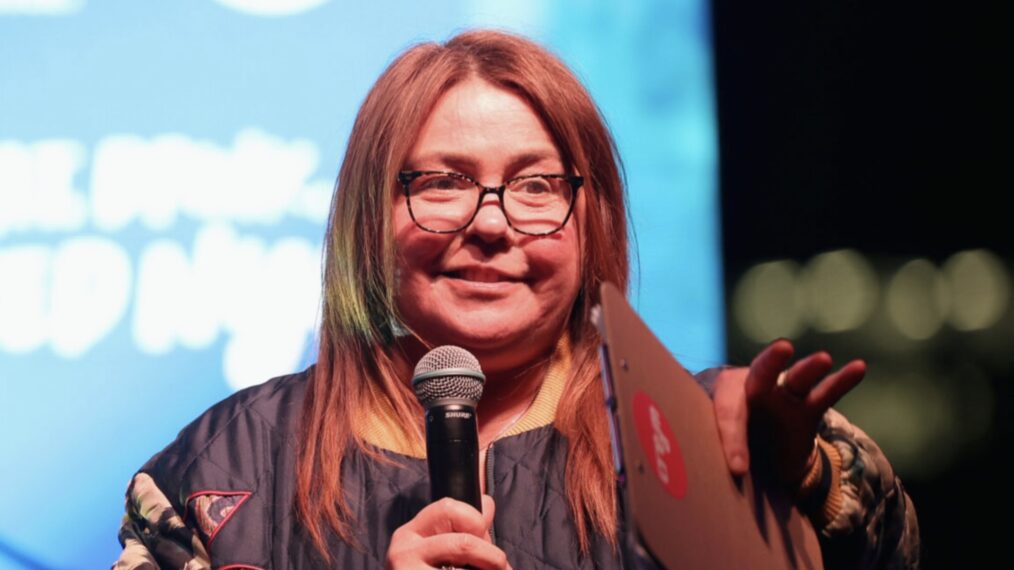
The core of any personal brand is its identity. Since her debut on the Food Network in the early 2000s, Ray’s brand identity has been built on the “girl next door” persona. In 2024, this authenticity is her greatest asset, especially as consumers grow weary of the overly curated and filtered aesthetic of modern influencers.
Maintaining the “Unfiltered” Persona
What happened to Rachael Ray in 2024 is that she doubled down on being herself. While many brands attempt to pivot to match every passing trend, Ray has remained remarkably consistent. She still uses her signature catchphrases (like “EVOO”) and maintains a “perfectly imperfect” cooking style. In an age of AI-generated content and hyper-produced lifestyle videos, Ray’s raw, enthusiast-driven approach feels refreshing. This consistency builds brand equity; her audience knows exactly what to expect, creating a “comfort brand” status.
Crisis Management and Brand Resilience
No brand exists for two decades without facing challenges. Whether it was rumors regarding her personal life or the logistical hurdles of the COVID-19 pandemic, the Rachael Ray brand has shown incredible resilience. Her strategy has always been transparency. During the pandemic, she filmed her show from her home kitchen, often with her husband acting as the cameraman. This “scrappy” approach reinforced her brand’s core value of relatability. In 2024, that legacy of resilience continues to protect her brand from the volatility of celebrity culture.
The 2024 Business Model: Direct-to-Consumer and Partnerships
The modern iteration of the Rachael Ray brand is less about being a “celebrity” and more about being a “platform.” Her business model in 2024 relies on strategic partnerships that leverage her massive reach without requiring her to manage the day-to-day logistics of manufacturing or distribution.
Leveraging Niche Streaming and A+E Networks
A key development for Ray in 2024 is her partnership with A+E Networks. This deal involves the production of hundreds of hours of new content. This is a strategic move to dominate the “lifestyle” vertical on FAST (Free Ad-supported Streaming TV) channels. By saturating these platforms, Ray ensures that her brand remains top-of-mind for viewers who are cutting the cord on traditional cable. This strategy allows her to monetize her library of content while simultaneously introducing her brand to a younger generation of viewers.
Philanthropic Branding: The Yum-o! Organization
Brand strategy in 2024 requires more than just a good product; it requires a soul. The Yum-o! organization is the philanthropic heart of the Rachael Ray brand. By focusing on three pillars—cooking, feeding, and funding—Ray has created a brand ecosystem that gives back. This isn’t just charity; it’s a strategic brand alignment that builds a “halo effect” around all her commercial ventures. When consumers buy a Rachael Ray product, they feel they are contributing to a larger cause, which creates a powerful emotional bond between the brand and the consumer.
Conclusion: The Blueprint for a Multi-Decade Personal Brand
So, what happened to Rachael Ray in 2024? She evolved. She recognized that the era of the daytime talk show was ending and pivoted toward a more sustainable, diversified, and digital-first business model. She transitioned from a television personality into a lifestyle icon, proving that a personal brand can survive the obsolescence of its original medium if it is built on a foundation of authenticity and strategic diversification.
Rachael Ray remains a case study in personal branding excellence. By focusing on accessibility, maintaining a consistent identity, and aggressively pursuing new distribution channels, she has ensured that her brand remains as relevant in the digital age as it was in the heyday of cable television. Her 2024 trajectory serves as a blueprint for any public figure looking to build an enduring, multi-category empire that stands the test of time.
aViewFromTheCave is a participant in the Amazon Services LLC Associates Program, an affiliate advertising program designed to provide a means for sites to earn advertising fees by advertising and linking to Amazon.com. Amazon, the Amazon logo, AmazonSupply, and the AmazonSupply logo are trademarks of Amazon.com, Inc. or its affiliates. As an Amazon Associate we earn affiliate commissions from qualifying purchases.