
In the rapidly shifting landscape of the “streaming wars,” few platforms have undergone as dramatic a technical and structural evolution as Paramount Plus. What began as a niche supplemental service known as CBS All Access has transformed into a global powerhouse, but this transition was not merely a change in branding. To understand what happened to Paramount Plus, one must look beneath the surface at the massive overhaul of its software architecture, the integration of complex content libraries, and the technological hurdles the platform had to overcome to compete with industry titans like Netflix and Disney+.

The Infrastructure Pivot: Scaling Beyond CBS All Access
The story of Paramount Plus is primarily a story of technical debt and rapid modernization. When the service was known as CBS All Access, it was designed for a specific, relatively limited audience interested in network television and a handful of originals. However, as the parent company ViacomCBS (now Paramount Global) looked to compete globally, the existing backend infrastructure was no longer sufficient.
Re-platforming for a Global Audience
One of the most significant changes to “what happened” to the service was a complete re-platforming. The engineering teams had to migrate from a localized server structure to a highly scalable, cloud-native architecture. By leveraging global cloud providers like Amazon Web Services (AWS) and Google Cloud, Paramount Plus was able to implement a microservices-based backend. This shift allowed the platform to handle the massive traffic spikes associated with live events—most notably the NFL and the UEFA Champions League—without the frequent crashes that plagued the early days of the service.
Optimization of Content Delivery Networks (CDNs)
To ensure that a user in London experiences the same low-latency stream as a user in New York, Paramount Plus significantly expanded its use of Content Delivery Networks. The transition involved moving from a single-CDN strategy to a multi-CDN approach. This ensures that the software can dynamically route traffic based on regional outages or congestion, providing a more stable “buffer-free” experience that was a major point of criticism during its first year of operation.
The Showtime Integration: A Masterclass in Backend Consolidation
In 2023, the most visible shift occurred: the merger of Showtime into the Paramount Plus app. While this appeared to consumers as a simple library update, it represented a monumental challenge for the software engineers and database managers behind the scenes.
Merging Disparate Databases
Showtime and Paramount Plus operated on entirely different tech stacks with separate user authentication systems, billing cycles, and metadata standards. “What happened” during this merger was a massive data migration project. Engineers had to unify these databases without disrupting service for millions of active subscribers. This required the creation of a “unified profile” system, where a user’s watch history and preferences from Showtime were mapped onto the Paramount Plus recommendation engine.
Streamlining the App Experience
From a software perspective, the integration required a complete redesign of the app’s information architecture. The developers had to introduce a “Showtime hub” within the existing interface, which necessitated a lighter, more efficient UI code to prevent the app from becoming bloated. This transition saw the implementation of a more robust API layer that allowed the app to pull content from various legacy Showtime servers while maintaining the visual consistency of the Paramount Plus interface.
Navigating the UX/UI Landscape: Performance and Patchwork
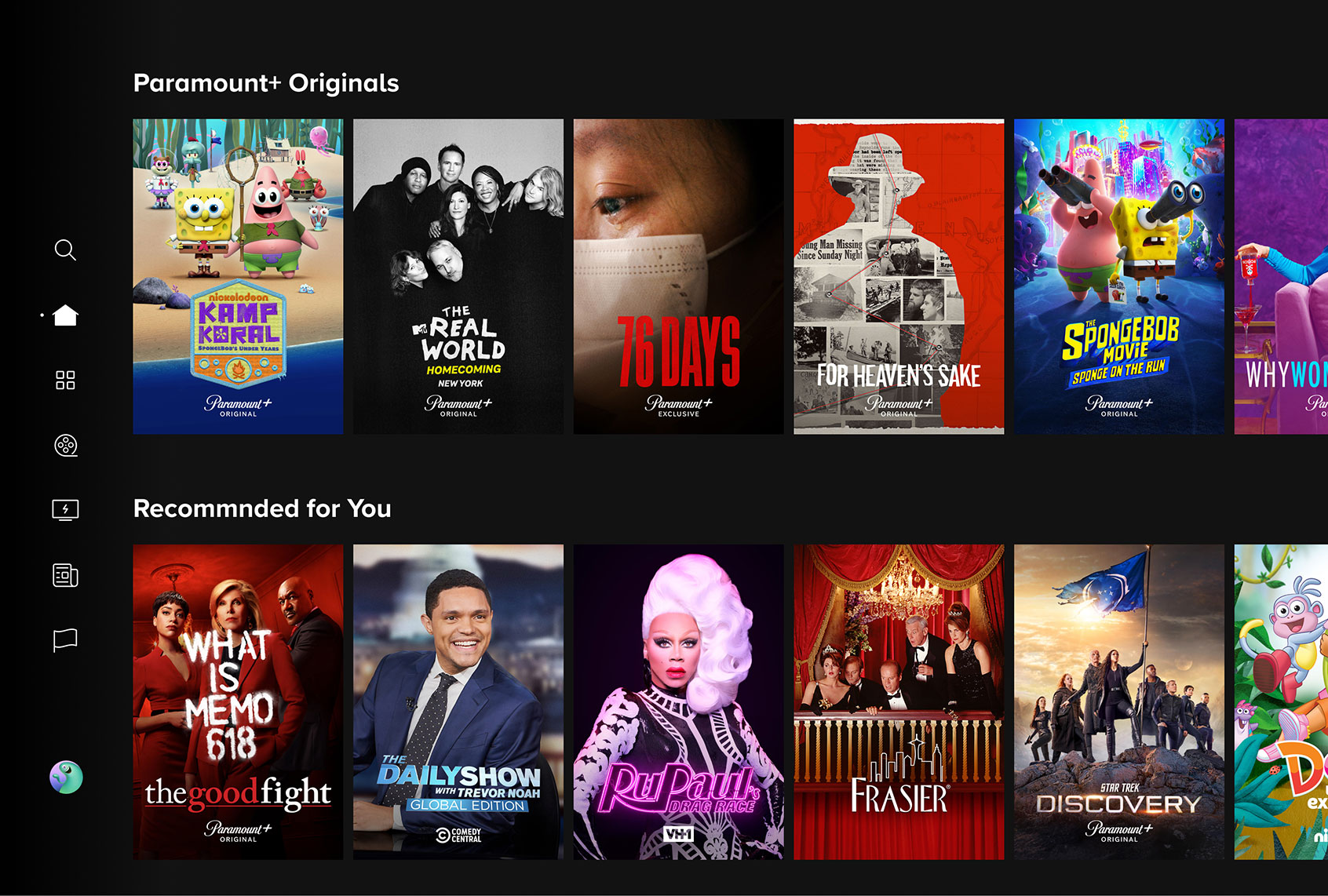
A common critique of Paramount Plus has been its user interface (UI). Throughout its lifecycle, the platform has faced the “legacy problem”—code remnants from its predecessor that occasionally caused navigation lag or search errors.
The Evolution of the Navigation Logic
In response to user feedback, Paramount Plus has undergone several UI iterations aimed at reducing “click fatigue.” The introduction of dynamic sidebars and personalized “My List” syncing across devices was a direct response to the technical shortcomings of the early 2021 build. The software now utilizes a more advanced React Native framework in many of its mobile and smart TV iterations, which allows for faster updates and a more responsive feel when scrolling through high-resolution tile art.
Addressing the “Clunky” Reputation
To solve the issues of crashes and slow load times on older hardware (such as legacy Roku or Fire TV sticks), the tech team implemented more aggressive caching strategies and optimized the image-loading sequence. By prioritizing the loading of text metadata over high-resolution posters, the platform improved the perceived speed of the app. This optimization was crucial as the service expanded into international markets where average internet speeds and hardware capabilities vary significantly.
The Future of Streaming Tech: AI and Personalization
As we look at the current state of Paramount Plus, much of the recent innovation is happening in the realms of Artificial Intelligence and Machine Learning. The platform has moved away from basic genre-based categories toward a sophisticated algorithmic recommendation engine.
Machine Learning in Content Discovery
The recommendation engine now analyzes thousands of data points, including watch duration, time of day, and “genre-blending” preferences. By utilizing AI models, the platform can predict what a user wants to watch with much higher accuracy than the static lists used in the CBS All Access era. This technological shift is designed to increase “session length”—a key metric in the software world—ensuring that users stay within the ecosystem rather than migrating to a competitor.
Advanced Video Encoding and 4K Delivery
Technologically, Paramount Plus has also made strides in its video pipeline. The adoption of the AV1 codec and improved HEVC encoding has allowed the platform to deliver 4K and Dolby Vision content more efficiently. For tech-savvy users, the difference is noticeable: higher bitrates with lower data consumption. This is particularly important for the “Paramount+ with SHOWTIME” tier, which serves as the flagship technical experience for the brand, offering premium visual and audio fidelity that rivals physical media.
Security, Authentication, and the Modern Streaming Stack
In an era of increasing digital security threats, “what happened” to Paramount Plus also involves a significant hardening of its security protocols. The platform had to address the vulnerabilities inherent in a rapidly expanding user base, especially regarding credential stuffing and account sharing.
Implementing Multi-Factor Logic and DRM
The technical team integrated more robust Digital Rights Management (DRM) to protect its high-value assets, like “Yellowstone” and “Star Trek.” Furthermore, the authentication flow was redesigned to support OAuth 2.0, providing a more secure bridge between third-party logins (like Apple ID or Google) and the Paramount Plus account. This reduced the friction of the “sign-in” process while simultaneously increasing the security of user payment data.
The Move to Edge Computing
To further decrease latency, Paramount Plus has begun experimenting with edge computing. By moving certain computational tasks—like personalized ad-insertion and localized metadata translation—closer to the user at the “edge” of the network, the platform can deliver a more seamless experience. This is particularly relevant for the ad-supported tier, where the seamless transition between content and commercials is a technical hurdle that many streaming apps still struggle to perfect.
Conclusion: A Platform in Continuous Beta
The transformation of Paramount Plus from a network-branded app to a global technology platform is a testament to the importance of scalable software architecture in the modern media landscape. What happened to the service was not just a name change; it was a total rebuild of the streaming stack. Through the consolidation of Showtime, the optimization of global CDNs, and the implementation of AI-driven discovery, Paramount Plus has moved from a legacy broadcaster’s experiment to a sophisticated tech product.
As the platform continues to iterate, the focus remains on technical refinement. Whether it is through reducing the footprint of the app on low-power devices or enhancing the bitrate of live sports broadcasts, the evolution of Paramount Plus is an ongoing process of software engineering. For the user, this means a service that is faster, more intelligent, and more stable than its predecessor, marking a successful, if complex, transition into the top tier of digital streaming technology.
aViewFromTheCave is a participant in the Amazon Services LLC Associates Program, an affiliate advertising program designed to provide a means for sites to earn advertising fees by advertising and linking to Amazon.com. Amazon, the Amazon logo, AmazonSupply, and the AmazonSupply logo are trademarks of Amazon.com, Inc. or its affiliates. As an Amazon Associate we earn affiliate commissions from qualifying purchases.