
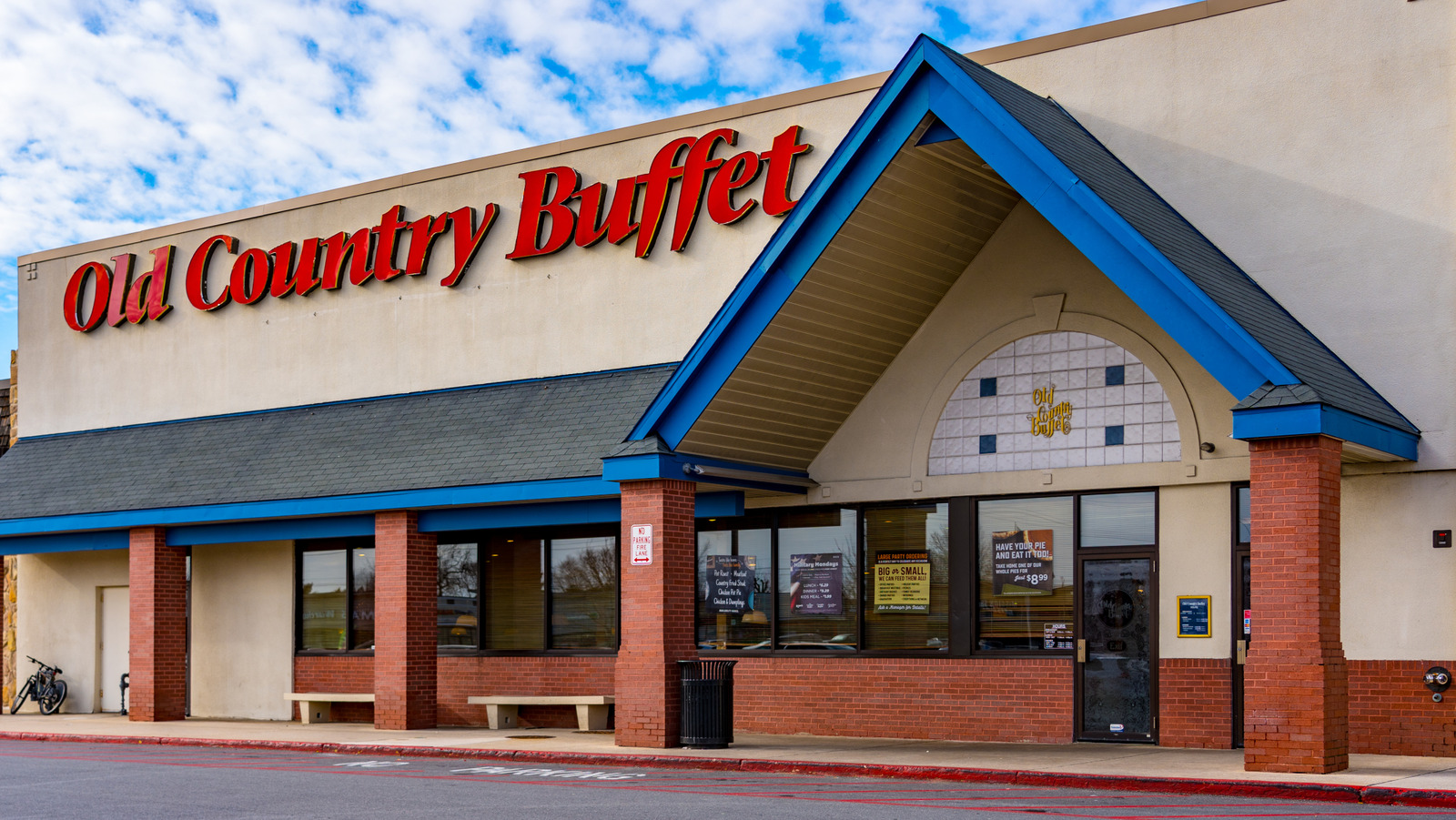
The echoes of clattering plates and the murmur of contented diners used to fill the air at Old Country Buffet. For decades, it was a ubiquitous presence, a go-to destination for families seeking an affordable and abundant dining experience. The concept was simple: an all-you-can-eat smorgasbord featuring a vast array of comfort food, from fried chicken and mashed potatoes to a sprawling dessert station. Yet, the once-thriving empire has seen a dramatic decline, with many locations shuttering their doors. This isn’t just a story about a single restaurant chain; it’s a microcosm of broader shifts in consumer behavior, industry trends, and the very nature of how we dine. To understand what happened to Old Country Buffet, we need to examine the forces at play across technology, brand perception, and the ever-evolving economic landscape.
The Crumbling Foundations: When Comfort Food Met a Changing World
The allure of Old Country Buffet was undeniably its value proposition. In an era where restaurant meals were often a significant expense, the buffet offered an almost guilt-free indulgence. The sheer volume of choices catered to a wide range of tastes, making it a convenient option for large families or groups with diverse preferences. However, what once felt like a clever strategy began to feel increasingly outdated as the market matured and consumer priorities shifted.
The Evolving Palate: From Abundance to Authenticity and Experience
One of the most significant factors impacting Old Country Buffet’s decline is the evolution of consumer tastes and preferences. The “more is more” mentality that fueled the buffet’s success began to wane as diners sought out more refined and authentic culinary experiences.
The Rise of Niche and Artisanal Dining
In recent years, there has been a powerful surge in appreciation for specialized and artisanal food offerings. Consumers are increasingly drawn to restaurants that focus on specific cuisines, locally sourced ingredients, or unique preparation methods. This trend is deeply rooted in a desire for quality over quantity, a stark contrast to the mass-produced, standardized fare often found at large buffet chains. Think of the explosion of craft breweries, farm-to-table restaurants, and eateries specializing in single, well-executed dishes. These establishments offer a sense of discovery and a connection to the food that Old Country Buffet, by its very nature, struggled to replicate. The novelty of a vast selection lost its luster when compared to the curated excellence offered elsewhere.
The Growing Demand for Health and Wellness
Another potent force reshaping the dining landscape is the heightened awareness and demand for healthier food options. Consumers are more informed than ever about nutrition, and the typical offerings at an all-you-can-eat buffet – often laden with fried foods, sugary desserts, and processed ingredients – became increasingly unappealing to a health-conscious public. While Old Country Buffet did make efforts to introduce some healthier choices, they were often overshadowed by the more indulgent options and couldn’t compete with the transparency and dedicated healthy menus offered by other establishments. This shift reflects a broader societal move towards wellness, impacting everything from grocery store aisles to restaurant menus.
The Digital Disruption: How Technology Reshaped the Dining Table
The rise of technology has been a pervasive force, impacting every industry, and the restaurant sector is no exception. Old Country Buffet, with its traditional brick-and-mortar model, found itself ill-equipped to navigate the digital revolution.
The Era of Convenience and Digital Ordering
Technology has fundamentally altered consumer expectations around convenience. The ability to order food online, through apps, and have it delivered directly to your door has become a standard. This shift has been particularly detrimental to buffet-style restaurants. Why brave traffic and the potential hassle of a crowded buffet when you can have a curated meal delivered with a few taps on your phone?
The Dominance of Food Delivery Platforms
The proliferation of third-party delivery services like DoorDash, Uber Eats, and Grubhub has created an entirely new ecosystem for dining. These platforms offer consumers an unparalleled level of choice and convenience, allowing them to explore a vast array of restaurants and cuisines from the comfort of their homes. For a buffet, the concept of delivery is inherently problematic. The appeal of a buffet lies in the immediate availability of a wide variety of hot and cold dishes, meant to be consumed fresh. Packaging and transporting such a diverse spread, while maintaining its quality and appeal, is a logistical nightmare and goes against the core dining experience. This digital shift effectively bypassed the need for the physical buffet experience for a significant portion of the market.
The Power of Online Reviews and Social Media

In the age of the internet, every dining experience is subject to public scrutiny. Online review platforms like Yelp, Google Reviews, and TripAdvisor, coupled with the pervasive influence of social media, have empowered consumers with a powerful voice. A few negative reviews or viral social media posts detailing a less-than-stellar experience at an Old Country Buffet could have a disproportionately large impact on its reputation. Conversely, restaurants that excel in customer service and food quality often benefit from a steady stream of positive online buzz. The traditional, often inconsistent, quality and service at Old Country Buffet made it vulnerable to this digital spotlight, and the narrative that emerged was often one of decline and disappointment.
Brand Erosion: When Identity Fades and Reputation Suffers
Beyond operational and technological challenges, Old Country Buffet also faced significant hurdles in maintaining a relevant and positive brand identity in a rapidly evolving marketplace.
The Struggle for Differentiation in a Crowded Market
The buffet segment itself became increasingly competitive. While Old Country Buffet was once a pioneer, other buffet chains emerged, some offering different niches (e.g., Golden Corral focusing on a more home-style feel, or specific ethnic buffets catering to particular tastes). This increased competition meant that Old Country Buffet’s unique selling proposition became less distinct.
The Loss of a Unique Value Proposition
In a market saturated with dining options, a strong and unique value proposition is crucial for survival. Old Country Buffet’s initial appeal was its sheer abundance and affordability. However, as the market evolved, this proposition began to feel less compelling. Other restaurants started offering competitive pricing, and the “abundance” aspect was increasingly viewed through the lens of quality. When consumers began prioritizing taste, health, and a memorable experience, the generic nature of a buffet’s offerings became a liability. The brand struggled to articulate what made it special beyond simply having a lot of food.
The Impact of Negative Perceptions and Operational Issues
As the chain experienced financial difficulties and closures, negative perceptions began to solidify. Stories of declining food quality, less-than-stellar cleanliness, and inconsistent service became more prevalent. These issues, amplified by online reviews and word-of-mouth, created a downward spiral for the brand’s reputation. A brand’s identity is not just about its logo or marketing slogans; it’s about the consistent experience it delivers. When that experience falters, the brand suffers. The widespread closures further reinforced a narrative of decline, making it difficult for remaining locations to attract new customers or retain existing ones who had grown accustomed to the perceived shortcomings.
The Business Realities: Financial Headwinds and Strategic Missteps
Ultimately, the decline of Old Country Buffet is a story of business realities. Financial pressures, coupled with strategic decisions (or indecisions), played a critical role in its downfall.
Navigating Financial Storms and Shifting Business Models
The restaurant industry is notoriously challenging, characterized by thin profit margins, high overhead, and intense competition. Old Country Buffet, like many large chains, faced significant financial headwinds that ultimately proved insurmountable.
Declining Foot Traffic and Revenue Streams
The confluence of changing consumer preferences, technological disruptions, and brand erosion directly translated into declining foot traffic and, consequently, reduced revenue. With fewer customers coming through the doors, the fixed costs associated with running large buffet establishments became unsustainable. The model relies on high volume, and when that volume shrinks, the economics quickly become unfavorable. This is a classic case of a business model being outpaced by market dynamics.

The Challenges of Modernizing a Legacy Brand
Attempting to modernize a legacy brand like Old Country Buffet presented a significant challenge. Significant investment would have been required to revamp store aesthetics, update kitchen technology for more efficient and diverse food preparation, and potentially pivot towards a more curated dining experience. The financial strain of ongoing operations likely made such substantial capital expenditures difficult, if not impossible, to undertake. Without significant investment and a willingness to fundamentally rethink the buffet concept, the brand was caught in a cycle of decline, unable to adapt to the demands of the modern consumer.
In conclusion, the fate of Old Country Buffet is a complex narrative woven from threads of technological advancement, evolving consumer desires, and the ever-present realities of business and brand management. It serves as a potent reminder that in today’s dynamic world, adaptation and innovation are not merely advantageous; they are essential for survival. The story of Old Country Buffet is a cautionary tale, highlighting how even the most familiar and seemingly resilient brands can falter when they fail to keep pace with a world that is constantly redefining what it means to dine.
aViewFromTheCave is a participant in the Amazon Services LLC Associates Program, an affiliate advertising program designed to provide a means for sites to earn advertising fees by advertising and linking to Amazon.com. Amazon, the Amazon logo, AmazonSupply, and the AmazonSupply logo are trademarks of Amazon.com, Inc. or its affiliates. As an Amazon Associate we earn affiliate commissions from qualifying purchases.