
The story of the Lost Colony of Roanoke is a tantalizing enigma that has captivated historians and the public for centuries. While often framed as a historical puzzle, from a branding perspective, Roanoke represents a catastrophic failure in establishing and sustaining a viable colonial venture. The absence of a clear narrative for its disappearance leaves a void, but by analyzing the known factors surrounding its inception and operation, we can draw parallels to the critical elements that define any successful brand: clear vision, effective execution, stakeholder alignment, and adaptation. The tale of Roanoke is not merely about missing people; it’s a stark reminder of what happens when a nascent brand falters at its core.
The Genesis of a Brand: Ambition, Vision, and Early Marketing
The establishment of the Roanoke Colony in the late 16th century was a bold undertaking, driven by a confluence of national ambition, economic opportunism, and a desire to project English power on the global stage. Sir Walter Raleigh, the primary financier and visionary, envisioned Roanoke not just as a settlement but as a strategic foothold, a base for privateering against Spanish interests, and a potential hub for trade and resource extraction. This ambition, however, was not always clearly translated into actionable brand pillars for the colonists themselves.
Visionary Marketing vs. Ground-Level Reality
Raleigh’s promotional efforts, aimed at attracting investors and colonists, likely painted an appealing picture of the New World. The narrative would have emphasized opportunities for land ownership, personal advancement, and the chance to be part of a groundbreaking national enterprise. This early marketing was crucial in generating initial interest, but it’s probable that the vision presented by the “brand managers” in England was significantly different from the harsh realities faced by those on the ground. The colonists were tasked with building a self-sustaining community in an unfamiliar environment, facing challenges that were likely downplayed or misunderstood by the distant leadership. This disconnect between the aspirational brand message and the operational realities is a common pitfall in brand development, leading to disillusionment and a weakening of initial enthusiasm. The early marketing of Roanoke, therefore, served to attract, but not necessarily to prepare or sustain.
The Role of Leadership and Stakeholder Perception
The success of any brand is heavily influenced by its leadership and how key stakeholders perceive its value and direction. In the case of Roanoke, the colonial leadership structure was often fragmented and subject to the dictates of distant patrons. John White, the governor of the final, ill-fated expedition, was an artist and administrator, but perhaps lacked the decisive authority and practical experience needed to navigate the complex challenges of frontier settlement. Furthermore, the relationship between the colonists and the indigenous Powhatan people was fraught with misunderstandings and escalating tensions. The “brand” of the English settlers, as perceived by the native populations, quickly shifted from potential allies to unwelcome intruders, a critical failing in establishing a sustainable brand presence within the local ecosystem.
Execution and Adaptation: The Critical Pillars of Brand Sustainability
A compelling brand vision is only as strong as its execution and its ability to adapt to changing circumstances. The Roanoke Colony’s struggles highlight significant deficiencies in both these areas, ultimately leading to its demise.
Supply Chain Vulnerabilities and Operational Inefficiencies

The reliance on resupply missions from England proved to be a fatal flaw in Roanoke’s operational framework. The intermittent nature of these voyages meant that colonists often faced prolonged periods of scarcity. The delay in Governor John White’s return in 1590, due to ongoing conflict with Spain, left the colonists isolated for an extended period. This vulnerability in the supply chain directly impacted the colony’s ability to sustain itself and maintain morale. In branding terms, this is akin to a company with a critical dependency on a single, unreliable supplier, where disruptions can cripple operations and erode customer trust (in this case, the trust of the colonists in their leadership and the viability of the venture). The lack of local resourcefulness and the inability to establish robust self-sufficiency further exacerbated these issues.
Communication Breakdown and Strategic Pivots
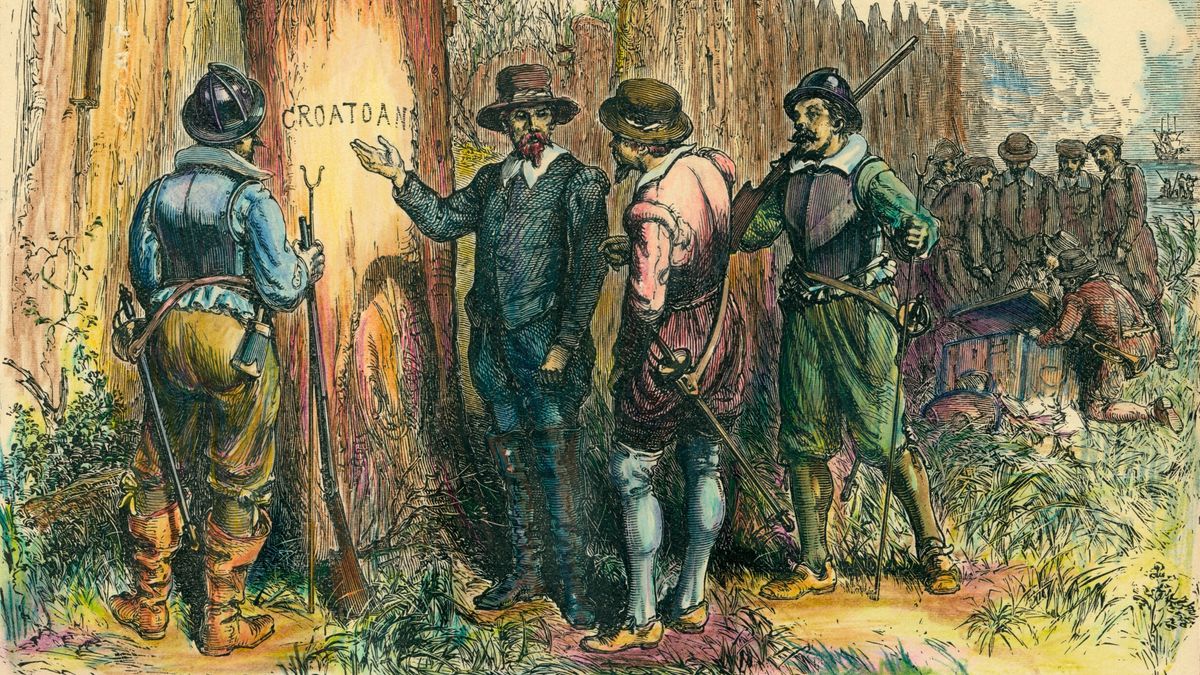
Effective communication is paramount for brand cohesion and strategic adaptation. The colonists at Roanoke appear to have suffered from a severe breakdown in communication, both internally and with their external stakeholders. The famous “CROATOAN” carving, found on a post, suggests a possible relocation, but the absence of any other clear indicators or coordinated movement points to a lack of pre-planned strategy or unified decision-making. Were they forcibly assimilated? Did they disperse? The ambiguity is a direct result of a failure in clear communication and documentation, essential for any brand seeking to maintain a coherent narrative.
Furthermore, the colony struggled to adapt its strategy to the evolving realities of the New World. The initial focus on establishing a purely English settlement without a robust understanding of local resources, diplomacy, or established trade routes proved insufficient. A successful brand must be agile, able to pivot its offerings and approach based on market feedback and environmental changes. Roanoke’s inability to adapt its core operational strategy likely sealed its fate.
The Legacy of a Lost Brand: Lessons in Brand Narrative and Identity
The enduring mystery of Roanoke has, paradoxically, cemented its place in the annals of colonial history. While the colony itself failed to establish a lasting physical presence or a thriving community, its disappearance has created a powerful, albeit haunting, brand narrative. This narrative serves as a cautionary tale for anyone involved in launching new ventures, whether commercial enterprises or societal projects.
The Power of Unresolved Narratives in Brand Perception
The lack of a definitive conclusion surrounding Roanoke has allowed for a proliferation of theories, each contributing to the mystique. This unresolved narrative, while intriguing, also represents a failure in establishing a clear and triumphant brand story. A successful brand identity relies on a cohesive and understandable narrative that resonates with its audience. The ambiguity of Roanoke’s end leaves its “brand story” incomplete and, in a sense, flawed. It highlights the importance of not just launching a product or service, but also carefully crafting its narrative arc, ensuring that its conclusion, or its ongoing evolution, is clearly communicated and understood.
The Cost of Inadequate Due Diligence and Risk Assessment
From a business and branding perspective, the Roanoke venture suffered from inadequate due diligence and risk assessment. The challenges of establishing a long-term settlement in a foreign land were likely underestimated. The complexities of intercultural relations, the logistical nightmares of trans-Atlantic supply chains, and the economic realities of an unproven market were not fully accounted for. A robust brand strategy requires a thorough understanding of the competitive landscape, potential risks, and the resources necessary for sustained success. Roanoke’s disappearance underscores the critical importance of comprehensive market research and meticulous planning before launching any significant brand initiative.

The Enduring Impact of a Brand’s Absence
The “brand” of Roanoke is defined as much by its absence as by any tangible achievements. This absence has become its defining characteristic, a powerful reminder of the fragility of human endeavors and the unpredictable nature of history. While the tangible legacy of Roanoke is one of failure, its intangible legacy lies in the enduring questions it poses and the lessons it offers. It serves as a potent case study in the critical elements of brand building: a clear vision, effective leadership, robust execution, strategic adaptation, and the vital importance of a well-defined and communicated narrative. The ghost of Roanoke, a phantom brand, continues to haunt us, reminding us that even the most ambitious ventures require more than just a bold idea; they demand meticulous planning, unwavering execution, and the ability to adapt and endure.
aViewFromTheCave is a participant in the Amazon Services LLC Associates Program, an affiliate advertising program designed to provide a means for sites to earn advertising fees by advertising and linking to Amazon.com. Amazon, the Amazon logo, AmazonSupply, and the AmazonSupply logo are trademarks of Amazon.com, Inc. or its affiliates. As an Amazon Associate we earn affiliate commissions from qualifying purchases.