
In the history of the digital age, few dates carry as much weight for the architecture of the internet as December 14, 2017. On that day, the Federal Communications Commission (FCC) voted to repeal the “Open Internet Order,” a set of regulations established in 2015 designed to uphold the principles of net neutrality. This decision marked a fundamental shift in how the United States governs the data flowing through its fiber-optic cables and wireless towers.
Net neutrality is the technical and philosophical principle that Internet Service Providers (ISPs)—the gatekeepers of the web—must treat all data equally. Under these rules, a byte of data from a local blog must be delivered with the same priority and speed as a byte of data from a multi-billion-dollar streaming giant. When the 2017 repeal took effect, it didn’t just change a legal classification; it altered the potential trajectory of technological innovation, digital security, and the very structure of the World Wide Web.
Understanding the 2017 Pivot: From Open Internet to ISP Discretion
The core of the 2017 controversy resided in the technical classification of broadband providers. To understand what happened, one must look at the distinction between “Title I” and “Title II” of the Communications Act of 1934.
The Regulatory Shift: Title I vs. Title II
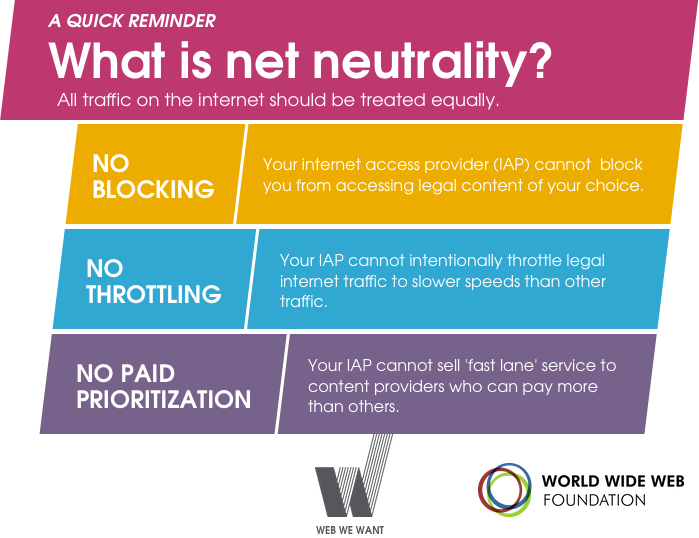
In 2015, the FCC classified broadband as a “Title II” common carrier service. This was a significant technical designation because it gave the FCC the authority to regulate ISPs much like public utilities—similar to phone companies or water providers. This classification made it illegal for ISPs to block websites, throttle (slow down) specific types of traffic, or offer “paid prioritization” (fast lanes).
The 2017 repeal, spearheaded by then-Chairman Ajit Pai under the “Restoring Internet Freedom Order,” reclassified broadband as a “Title I” information service. Technically, this stripped the FCC of its primary enforcement mechanism. The argument from the tech-infrastructure side was that Title II was a “heavy-handed” relic of the rotary-phone era that discouraged investment in high-speed fiber networks. Critics, however, argued that this shift effectively gave ISPs the keys to the kingdom, allowing them to dictate the quality of the user experience based on their own corporate interests.
The Role of the FCC under Ajit Pai
The 2017 decision was driven by a philosophy of “light-touch” regulation. The FCC argued that the market would self-regulate and that the Federal Trade Commission (FTC) would handle any anti-competitive behavior. From a technological standpoint, this meant shifting from ex-ante rules (rules that prevent bad behavior before it happens) to ex-post enforcement (punishing bad behavior after it is discovered). For the tech community, this was a radical departure from the “permissionless innovation” that had defined the early internet.
Technical Implications: Throttling, Fast Lanes, and Data Prioritization
What did the 2017 repeal actually mean for the bits and bytes traveling across the network? The removal of “bright-line rules” opened the door for three specific technical maneuvers that net neutrality was designed to prevent.
The End of Bright-Line Rules
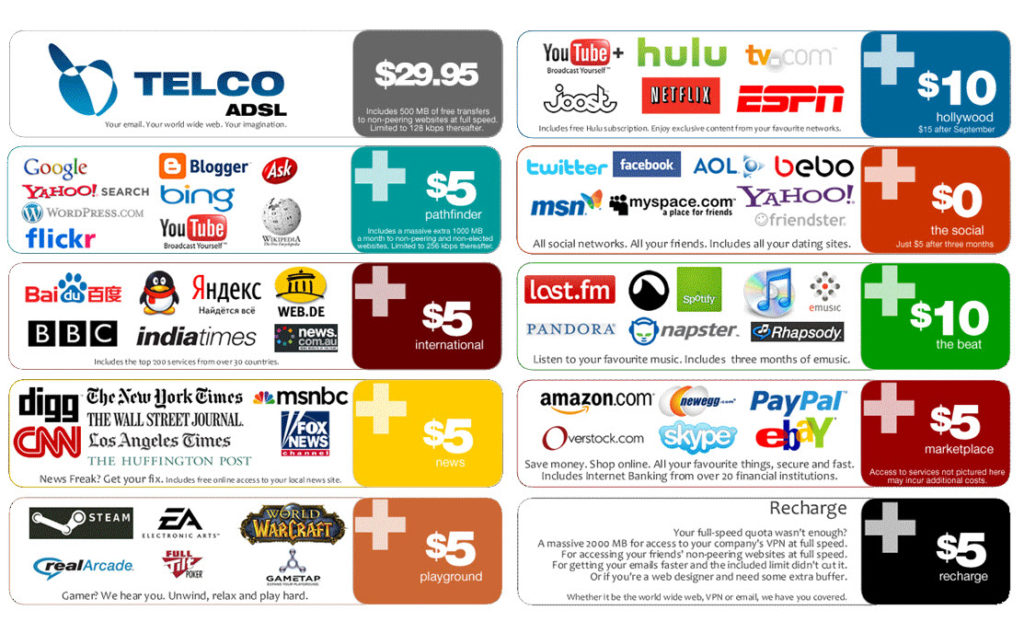
The three bright-line rules were: No Blocking, No Throttling, and No Paid Prioritization. Without these, an ISP could technically identify traffic from a specific application—say, a peer-to-peer file-sharing service or a high-bandwidth video platform—and use Deep Packet Inspection (DPI) to slow that traffic down. This isn’t just a theoretical concern; it is a matter of bandwidth management. ISPs argue that managing “congested” nodes requires the ability to deprioritize certain types of data. However, without net neutrality, the criteria for what gets slowed down becomes opaque.
Zero-Rating and the Competitive Disadvantage
One of the most subtle tech-trends to emerge post-2017 was the rise of “zero-rating.” This is the practice where an ISP allows a user to access certain apps or services without that data counting against their monthly data cap. While this sounds like a “feature” for the consumer, it is a technical barrier to entry. If a mobile provider owns a streaming service and zero-rates it, but charges data for a rival startup’s service, the ISP is effectively using its infrastructure to pick winners and losers in the software ecosystem. This creates a “walled garden” effect that limits the diversity of the digital landscape.
Innovation and the Startup Ecosystem Post-2017
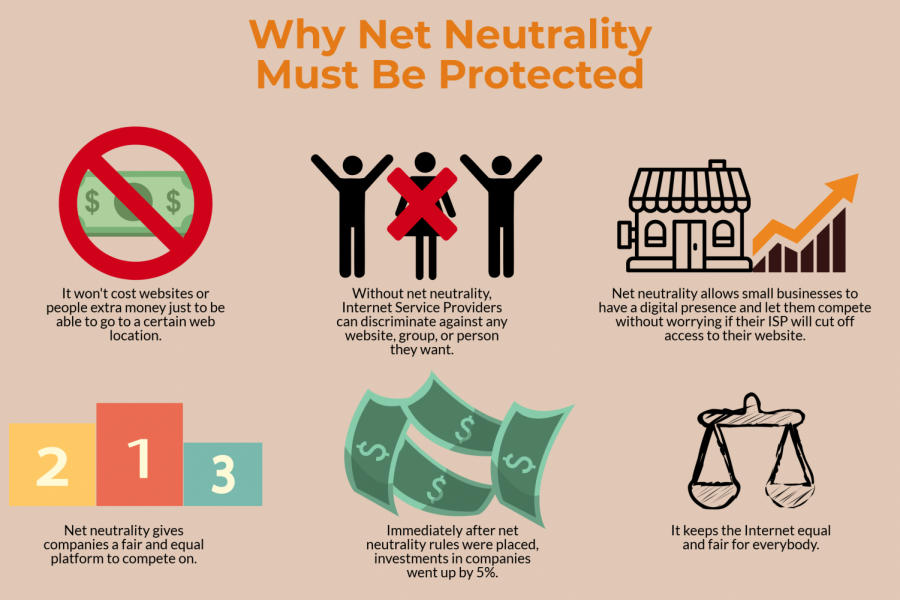
The tech industry is built on the idea that two people in a garage can build an app that disrupts a global titan. Net neutrality was the technical equalizer that made this possible. The 2017 repeal fundamentally changed the risk profile for tech startups.
The Barrier to Entry for New Platforms
In a neutral environment, a new video platform only needs to worry about its server capacity and its code. In a post-2017 environment, a startup might also need to worry about negotiating “interconnection” deals with major ISPs to ensure their video doesn’t buffer for millions of users. Large tech companies like Google or Netflix have the capital to pay for “fast lanes” or direct peering agreements. A startup does not. This creates a technical “moat” around incumbent players, stifling the “Next Big Thing” before it can gain traction.
Consolidation of Power Among Big Tech and ISPs
The repeal accelerated a trend of vertical integration. When the companies that own the “pipes” (Comcast, AT&T, Verizon) also own the “content” (NBCUniversal, WarnerMedia, etc.), the incentive to prioritize their own data packets becomes overwhelming. From a technical architecture perspective, this leads to a more fragmented internet where the quality of service is determined by commercial partnerships rather than network efficiency.
Digital Security and Privacy in a De-Regulated Environment
Beyond the speed of Netflix, the 2017 repeal had profound implications for how data is handled and how users protect their digital footprints.
Metadata Collection and ISP Transparency
Under the Title II regime, ISPs were subject to stricter privacy rules regarding what they could do with user metadata—the records of which sites you visit and when. After the 2017 shift, these protections were weakened. ISPs occupy a unique position in the tech stack: unlike a website that only sees what you do on their page, an ISP sees every unencrypted DNS request you make. The repeal allowed ISPs to become more aggressive in “monetizing” this data, treating their subscribers’ browsing habits as a product to be analyzed and sold to third-party data brokers.
The Rise of VPNs as a Tech Workaround
As a direct response to the 2017 repeal, there was a measurable surge in the adoption of Virtual Private Networks (VPNs). Users and tech enthusiasts realized that if the ISP could no longer be trusted to treat all traffic equally, the solution was to hide the traffic from the ISP entirely. By using a VPN, the ISP only sees an encrypted tunnel to a single server; they cannot see whether the user is watching a movie, gaming, or visiting a political site. This shifted the burden of “neutrality” and “privacy” from the network level to the individual user, sparking a golden age for the consumer security software industry.
The Current State and Future of the Open Web
The 2017 repeal was not the end of the story; it was the beginning of a multi-year technical and legal tug-of-war that continues to this day.
State-Level Legislation: The California Precedent
When the federal government stepped back, several states stepped in. California, in particular, passed the California Internet Consumer Protection and Net Neutrality Act of 2018. This was perhaps the most stringent net neutrality law in the country, effectively reinstating the 2015 rules within the state’s borders. This created a complex technical challenge for ISPs: how do you manage a national network when one of the largest nodes (California) requires different traffic management protocols than the rest of the country? This state-level “patchwork” has kept the spirit of net neutrality alive even in the absence of federal oversight.
The 2024 Reinstatement Efforts
Technology moves fast, but regulation moves slow. In April 2024, under a new administration, the FCC voted to restore net neutrality rules and reclassify broadband as a Title II service once again. This move aims to fix the vulnerabilities exposed by the 2017 repeal, particularly regarding the FCC’s ability to oversee outages, boost national security, and ensure that “fast lanes” do not become the standard for the American internet.
The 2017 repeal of net neutrality was a watershed moment that forced the world to reckon with the power of the companies that provide our connection to the digital world. It highlighted the delicate balance between corporate freedom to manage infrastructure and the collective need for an open, un-interrupted flow of information. As we move further into the era of 5G, AI, and edge computing, the lessons of 2017 remain a vital part of the conversation on how we build—and protect—the future of technology.
aViewFromTheCave is a participant in the Amazon Services LLC Associates Program, an affiliate advertising program designed to provide a means for sites to earn advertising fees by advertising and linking to Amazon.com. Amazon, the Amazon logo, AmazonSupply, and the AmazonSupply logo are trademarks of Amazon.com, Inc. or its affiliates. As an Amazon Associate we earn affiliate commissions from qualifying purchases.