
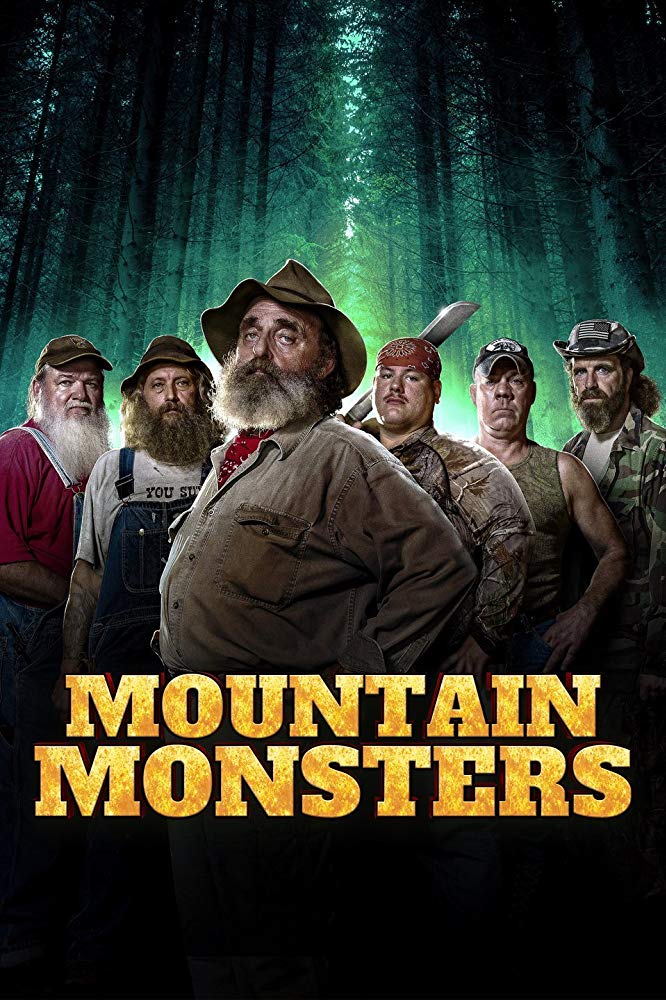
The landscape of reality television is littered with flashes in the pan—shows that capture the cultural zeitgeist for a season or two before fading into obscurity. However, few programs illustrate the complexities of niche brand management as vividly as Mountain Monsters. Originally premiering on Destination America before migrating to the Travel Channel and eventually the Discovery+ streaming ecosystem, the show followed the Appalachian Investigative Team (AIMS) as they pursued cryptids across the rugged terrain of West Virginia and beyond.
To the casual observer, the question “What happened to Mountain Monsters?” is a query about production schedules and casting. From a brand strategy perspective, however, the answer lies in the evolution of media conglomerates, the shift from linear television to streaming-first models, and the delicate art of maintaining a brand’s “authenticity” in the face of tragedy and market saturation.
The Rise of the AIMS Brand: Authenticity in the “Docu-Drama” Era
In the early 2010s, reality television underwent a significant pivot. The market moved away from polished, high-gloss productions toward a “rugged” aesthetic. Brands like Duck Dynasty and Gold Rush proved that there was significant market value in localized, salt-of-the-earth personas. This is the environment in which the AIMS brand was born.
Identifying and Capturing the Niche Audience
The creators of Mountain Monsters didn’t just target fans of the paranormal; they targeted a specific demographic often overlooked by mainstream coastal media: the rural, outdoor-centric audience. By focusing on the Appalachian region, the show tapped into a rich vein of folklore and regional pride. The “AIMS” brand was built on the pillars of brotherhood, local tradition, and a hands-on approach to problem-solving. This wasn’t just a show about monsters; it was a brand built on a specific cultural identity.
Building the “Appalachian Investigative” Persona
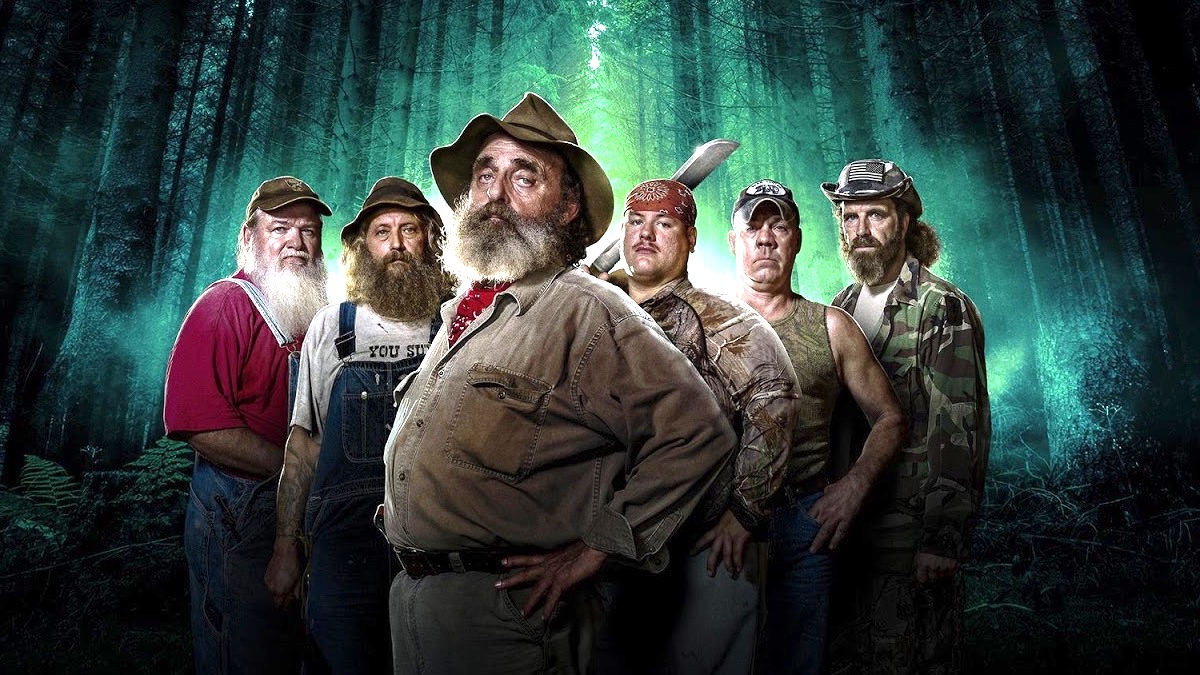
The branding of the AIMS team was a masterclass in consistency. Each member had a defined role—the leader, the researcher, the wild card—mirroring the archetypes found in successful ensemble casts from The A-Team to Ghostbusters. By leaning heavily into their local accents and utilizing “trap-building” sequences that showcased blue-collar ingenuity, the brand solidified its position as the “everyman’s” paranormal investigators. This relatability created a fiercely loyal fan base, which is the most valuable asset any niche brand can possess.
The Discovery-Travel Channel Pivot: Brand Synergy and Channel Re-Alignment
As the media landscape began to consolidate, Mountain Monsters became a pawn in a larger corporate strategy. The show’s journey from Destination America to the Travel Channel represents a textbook example of brand re-alignment within a parent company (Discovery, Inc., now Warner Bros. Discovery).
Moving Beyond Traditional Documentaries
The Travel Channel underwent a significant rebranding in the late 2010s. It shifted away from purely aspirational travel—fancy hotels and exotic locales—toward “adventure and the unknown.” Bringing Mountain Monsters into the fold was a strategic move to bolster this new identity. The show provided the high-stakes, narrative-driven content that kept viewers tuned in longer than traditional travelogues could.
The Consolidation of Paranormal Programming
By housing Mountain Monsters alongside shows like Ghost Adventures and The Holzer Files, Discovery created a “Paranormal Powerhouse” sub-brand. This allowed for cross-promotion and “tentpole” programming events, such as special crossover episodes or themed weeks. For the AIMS team, this meant broader exposure, but it also meant competing for attention within a more crowded internal ecosystem. The brand had to evolve from a big fish in a small pond (Destination America) to a mid-sized asset in a global portfolio.
Brand Sustainability: Managing a Franchise After the Loss of a Central Figure
The ultimate test for any brand is how it survives the loss of its primary “face.” In 2019, the AIMS team and its fans faced a significant turning point with the passing of John “Trapper” Rucker, the founder and central figure of the group.
The Trapper Rucker Legacy as a Brand Asset
In many corporate structures, the loss of a founder can lead to a brand identity crisis. However, the producers of Mountain Monsters chose to lean into the tragedy, transforming the brand from a monster-hunting show into a tribute to a legacy. Season 6 and beyond became a narrative arc about honoring Trapper’s final wishes. This was a sophisticated branding move that prioritized emotional connection over spectacle, ensuring that the audience felt a personal stake in the team’s continuation.
Emotional Branding and Fan Loyalty
By integrating Trapper’s journals and his “unfilled missions” into the plot, the show utilized a strategy known as “legacy branding.” This kept the founding spirit alive while allowing other members, such as Buck or Huckleberry, to step into leadership roles. It shifted the brand’s value proposition from “seeing a monster” to “witnessing a brotherhood persevere through grief.” This pivot allowed the show to maintain high engagement rates even when the actual “monster hunting” took a backseat to character development.
The Streaming Shift: How Discovery+ and Max Changed the Distribution Model
The most significant answer to “what happened” to the show is not found in the woods of West Virginia, but in the boardrooms of New York and Los Angeles. The transition from linear cable to the Discovery+ (and later Max) streaming platform fundamentally changed how the brand’s success was measured.
From Linear Schedules to VOD Domination
In the traditional cable model, success was measured by Nielsen ratings—who was watching at 9:00 PM on a Wednesday. In the streaming era, the metric shifted to “subscriber retention” and “binge-ability.” Mountain Monsters, with its deep library of episodes and dedicated cult following, became a “library asset.” It wasn’t just about the new season; it was about the value of the entire back catalog in keeping subscribers from canceling their monthly payments.
The Future of Niche IP in a Consolidated Market
As Warner Bros. Discovery seeks to streamline its offerings, niche brands like Mountain Monsters face new challenges. In a massive ecosystem that includes HBO, CNN, and DC Comics, a show about Appalachian cryptid hunters must prove its “Return on Investment” (ROI) in a way it never had to before. The brand is now competing for production budget against multi-million dollar scripted dramas.
The “disappearance” of the show from regular television schedules is often a reflection of these corporate pauses—periods where executives evaluate the cost-to-benefit ratio of producing new content versus simply letting the old content generate passive revenue through streaming.
Conclusion: The Resilience of the Niche Brand
What happened to Mountain Monsters is a story of survival in a volatile media market. The brand succeeded because it built a foundation on regional authenticity, pivoted effectively during corporate restructuring, and handled personal tragedy with a narrative grace that deepened fan loyalty.
While the future of the AIMS team remains subject to the whims of streaming executives and production cycles, the brand itself has already achieved a rare feat: it became the definitive voice for a specific subculture. Whether it returns for a tenth season or remains a “hidden gem” on a streaming platform, Mountain Monsters serves as a powerful case study in how to build, maintain, and evolve a niche brand in the 21st century.
The AIMS team taught us that the hunt is never just about the monster; it’s about the team, the territory, and the brand identity that ties them all together. In the world of business and media, that sense of identity is the most elusive—and valuable—creature of all.
aViewFromTheCave is a participant in the Amazon Services LLC Associates Program, an affiliate advertising program designed to provide a means for sites to earn advertising fees by advertising and linking to Amazon.com. Amazon, the Amazon logo, AmazonSupply, and the AmazonSupply logo are trademarks of Amazon.com, Inc. or its affiliates. As an Amazon Associate we earn affiliate commissions from qualifying purchases.