
For anyone who came of age during the first decade of the 2000s, the name “Miniclip” evokes a specific kind of digital nostalgia. It represents a simpler era of the internet—a time of school computer labs, dial-up or early broadband connections, and the iconic purple-and-orange logo that promised hours of free, accessible entertainment. However, unlike many of its contemporaries that faded into obscurity alongside Adobe Flash, Miniclip underwent a radical transformation. What happened to Miniclip is not a story of decline, but a masterclass in brand evolution, strategic repositioning, and the art of corporate survival in an ever-shifting digital landscape.
The Birth of a Digital Icon: Establishing the Miniclip Brand Identity
To understand the current state of Miniclip, one must first analyze how the brand established its dominant market position in the early 2000s. Founded in 2001 by Rob Small and Tihan Presbie, Miniclip began with a modest budget and a singular vision: to make games accessible to everyone, regardless of their hardware or financial status.
From Sketches to Servers: The Vision of Rob Small and Tihan Presbie
The Miniclip brand was built on the principle of “snackable” content long before the term was popularized by social media. The founders recognized that the internet was transitioning from a research tool to an entertainment hub. By focusing on browser-based games that required no installation, they eliminated the friction that typically hindered the gaming experience. This “low barrier to entry” became the cornerstone of the Miniclip brand identity. It wasn’t just a website; it was a reliable destination for instant gratification.
The Viral “Dancing Bush” and Early Brand Recognition
One of the most significant moments in early digital marketing was the release of “Dancing Bush,” a simple animation of then-President George W. Bush. This piece of content went viral in a pre-YouTube era, bringing millions of eyes to the Miniclip portal. This event defined the brand’s early personality: irreverent, timely, and highly shareable. This initial surge of traffic allowed Miniclip to build a massive user database, providing them with the brand equity needed to attract developers and advertisers alike. By the mid-2000s, Miniclip was the world’s largest privately owned online gaming site, a testament to the power of a clear, utility-focused brand.
Navigating the Browser-to-Mobile Pivot: Protecting Brand Equity
The greatest threat to the Miniclip brand wasn’t a competitor, but a technological shift. The rise of the smartphone and the eventual demise of Adobe Flash—the engine that powered nearly all of Miniclip’s library—threatened to render the brand’s entire value proposition obsolete. The way the company handled this transition is a prime example of proactive brand management.
The Adobe Flash Crisis and the Threat to Utility
When Steve Jobs famously penned his “Thoughts on Flash” in 2010, the writing was on the wall for browser-based gaming portals. For Miniclip, the brand was synonymous with Flash. If the technology died, the brand risked dying with it. However, instead of clinging to the past, the leadership team recognized that their brand was not tied to how the games were delivered, but what they represented: high-quality, casual fun.
The company began a multi-year process of auditing their brand assets. They identified which titles had enough “brand weight” to exist as standalone products outside of the web portal. This led to the aggressive migration of flagship titles to iOS and Android, ensuring that the brand remained relevant in the pocket of the consumer, not just on their desktop.
Rebranding for the Smartphone Generation
The transition to mobile required a shift in how the brand communicated with its audience. On the web, Miniclip was a “platform brand”—a curator of other people’s games. On mobile, it had to become a “publisher brand.” This meant the Miniclip logo needed to signify a certain standard of quality in the App Store, similar to how a studio like Pixar signifies quality in film.
By focusing on a few key titles—most notably 8 Ball Pool—Miniclip successfully transitioned its brand equity. 8 Ball Pool became more than just a game; it became a sub-brand of its own, consistently ranking as one of the top-grossing apps globally. This success proved that the Miniclip brand could survive the death of its original medium by leveraging its reputation for addictive, polished casual gameplay.
Strategic Acquisitions and Corporate Identity: The Tencent Era
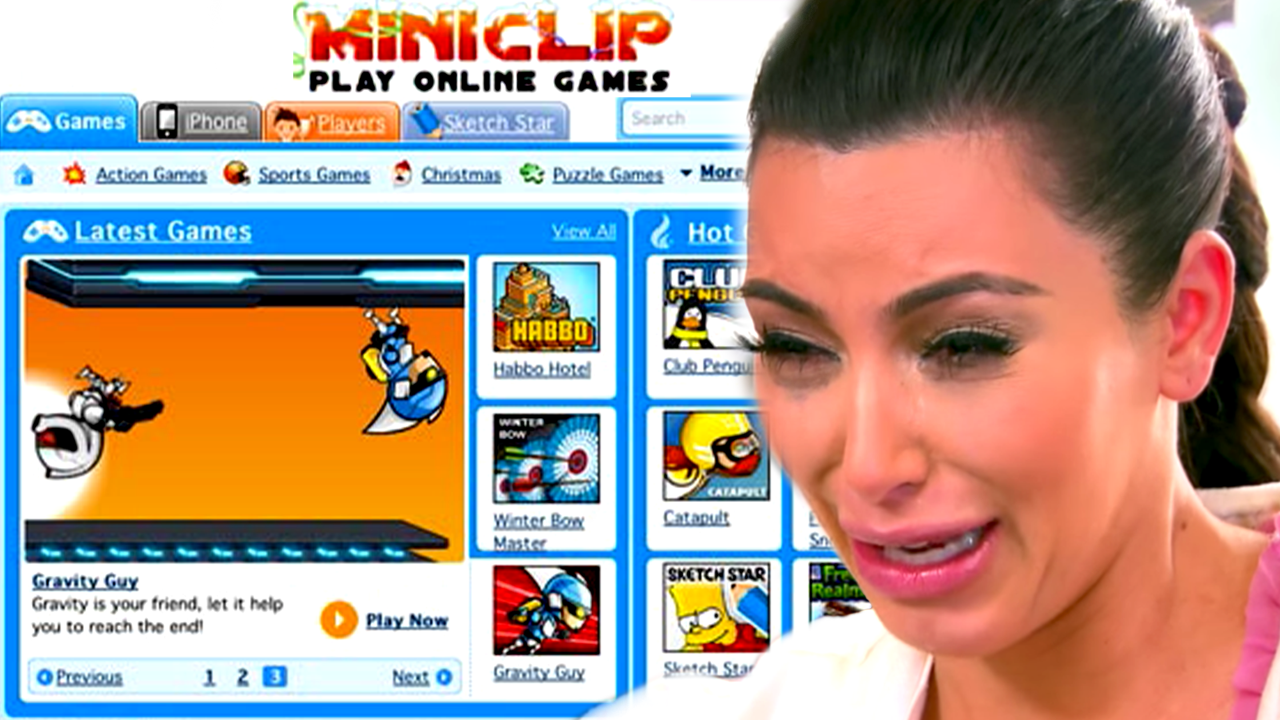
As the 2010s progressed, Miniclip’s identity shifted from an independent “scrappy” startup to a global corporate powerhouse. This evolution was cemented in 2015 when the Chinese conglomerate Tencent acquired a majority stake in the company. From a brand strategy perspective, this was a pivotal moment that redefined Miniclip’s role in the gaming ecosystem.
Becoming a Global Publisher: Integrating New Studios
With the backing of Tencent, Miniclip moved from being a game creator to an aggressive acquirer of brands. This is a common strategy for mature brands looking to maintain growth. Miniclip began acquiring studios that shared its brand DNA—casual, social, and highly engaging games.
The acquisition of studios like Sybo (the makers of Subway Surfers), Ilyon Games, and Green Horse Games allowed Miniclip to diversify its portfolio while keeping the overarching brand focused on the “casual” sector. Each acquisition was a strategic move to bolster Miniclip’s identity as the “King of Casual Gaming.” The brand no longer just represented a website; it represented a massive network of mobile experiences that reached billions of users.
Maintaining the “Miniclip” Name in a Mobile-First World
Interestingly, while the website miniclip.com eventually moved away from hosting browser games in 2022 to focus on corporate information and mobile redirects, the name Miniclip was meticulously preserved. In many corporate acquisitions, the smaller brand is absorbed or renamed. However, Tencent recognized the immense value in the Miniclip name.
The brand carries a legacy of trust and nostalgia. For the generation that grew up with the site, seeing the Miniclip logo on a mobile game splash screen provides an immediate sense of familiarity. This “legacy branding” is a powerful tool in a crowded mobile market where user acquisition costs are skyrocketing. Miniclip didn’t have to buy a new audience; they simply followed their existing one to a new platform.
Lessons in Brand Longevity: Why Miniclip Succeeded Where Others Failed
When we look at the landscape of 2000s internet brands, many names like Myspace, Digg, or even gaming rivals like AddictingGames have either disappeared or become shells of their former selves. Miniclip’s continued dominance offers several key lessons in brand strategy and corporate identity.
Adaptation as a Core Brand Value
The most successful brands are those that view their identity as a fluid concept rather than a static one. Miniclip’s brand was never truly about “Flash games.” It was about “accessible entertainment.” By defining themselves through the value they provided to the user rather than the technology they used, they were able to pivot seamlessly when the market changed. This adaptability is the hallmark of a resilient brand. While others tried to save the “web portal” model, Miniclip was busy reinventing itself as a mobile-first publisher.
Community Trust and the Legacy of the “Purple and Orange”
Miniclip also understood the value of “brand sentiment.” For millions of players, the brand is associated with positive memories. In the world of marketing, this is known as “brand affinity.” Miniclip leaned into this by maintaining its visual identity—the iconic purple and orange—even as the company’s internal structure became more corporate.
Furthermore, by transitioning to a mobile publishing model, they maintained a direct relationship with their community. They didn’t just sell their users to the highest bidder; they provided them with a path to continue playing the games they loved on new devices. This commitment to the user experience has allowed Miniclip to maintain a level of brand loyalty that is rare in the volatile world of digital entertainment.
Conclusion: The Modern Identity of Miniclip
Today, Miniclip is a multi-billion dollar entity that looks very different from the website started in a London apartment over two decades ago. It has evolved from a simple game portal into one of the most sophisticated mobile game publishers on the planet.
What happened to Miniclip is a success story of intentional rebranding. They successfully navigated the “Valley of Death” that claimed many early internet companies by focusing on three pillars: protecting their brand equity during technological shifts, using strategic acquisitions to broaden their corporate identity, and never losing sight of the “casual fun” promise that made them famous in the first place.
Miniclip serves as a reminder that a brand is not its product, its website, or its technology. A brand is a promise made to a consumer. By keeping that promise across three decades and multiple technological revolutions, Miniclip has secured its place as a permanent titan of the digital era. Whether on a CRT monitor in 2004 or a flagship smartphone in 2024, the Miniclip brand remains a symbol of the universal human desire for a quick, engaging, and joyful escape.
aViewFromTheCave is a participant in the Amazon Services LLC Associates Program, an affiliate advertising program designed to provide a means for sites to earn advertising fees by advertising and linking to Amazon.com. Amazon, the Amazon logo, AmazonSupply, and the AmazonSupply logo are trademarks of Amazon.com, Inc. or its affiliates. As an Amazon Associate we earn affiliate commissions from qualifying purchases.