
In the mid-1980s, the intersection of Duval Street and the tropical allure of Key West became the epicenter of a cultural and commercial phenomenon. Jimmy Buffett, a man who had successfully translated the “island escapism” aesthetic into a multi-platinum music career, opened the first Margaritaville Café in 1985. It wasn’t just a bar; it was a physical manifestation of a song, a brand touchpoint that would eventually anchor a multi-billion-dollar empire. However, in recent years, visitors to Key West have noticed significant shifts in the brand’s footprint. The question of “what happened” to Margaritaville in Key West is not merely a story of a business closing or moving; it is a sophisticated case study in brand evolution, lifestyle licensing, and the strategic pivot from niche hospitality to mass-market real estate.
The Genesis of the Lifestyle Brand: From Duval Street to Global Identity
The original Margaritaville Café on Duval Street served as the prototype for what marketing experts now call “experiential branding.” Before the term was a buzzword in corporate boardrooms, Buffett was selling an atmosphere. The brand was built on the foundation of “escapism”—the idea that no matter where you were, you could temporarily inhabit a world of palm trees, salt air, and low-pressure living.
The Power of Narrative Branding
Margaritaville’s success in Key West was rooted in its authenticity. Unlike corporate chains that attempt to manufacture a “vibe,” Margaritaville was an extension of Buffett’s personal brand and his lived experience in the Florida Keys during the 1970s. This narrative resonance allowed the brand to command immense loyalty from a demographic known as “Parrotheads.” For these consumers, the Key West location was a pilgrimage site. By the 1990s and early 2000s, the brand realized that its value didn’t lie in the food or beverage quality itself, but in the emotional equity of the Margaritaville name.
Strategic Expansion and Brand Dilution Risks
As the brand began to scale globally—opening locations in Orlando, Las Vegas, and the Caribbean—the Key West flagship faced a unique challenge. How does a brand maintain its “local cool” identity while becoming a ubiquitous global franchise? In the world of brand strategy, this is the “growth vs. exclusivity” paradox. As Margaritaville expanded into casinos, footwear, and even home decor, the original Key West location had to evolve from being a “local hangout” to becoming a high-performance retail and dining engine.
The Great Rebranding: The Transition from Resort to Portfolio
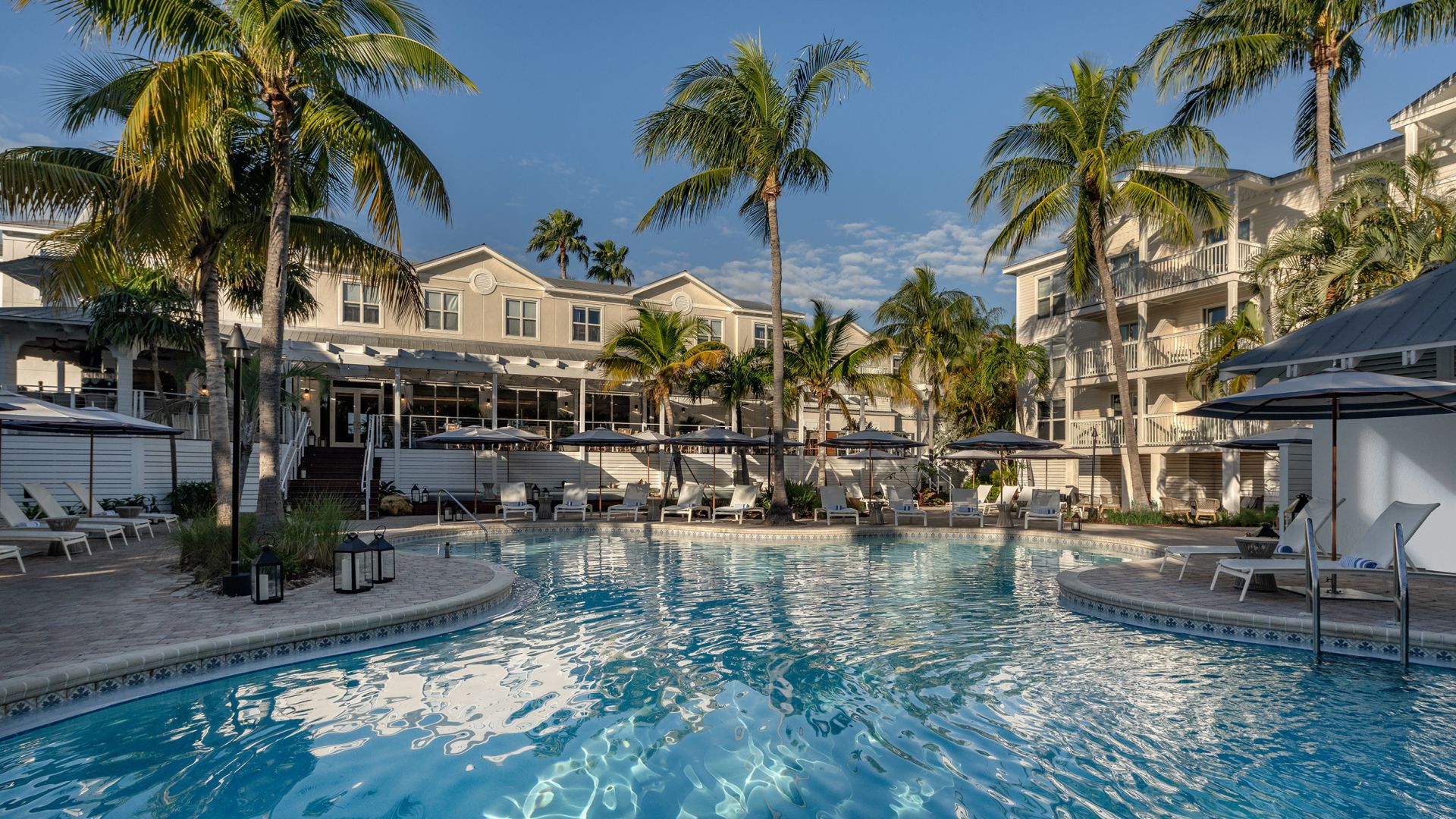
The most significant “change” that sparked public inquiry was the 2020-2021 rebranding of the Margaritaville Key West Resort & Marina. Located on Front Street, the property was a cornerstone of the island’s luxury hospitality sector. However, the resort underwent a transition to become the Opal Key Resort & Marina. This move was not a failure of the Margaritaville brand, but rather a strategic realignment by the property owners, Ocean Properties, and a reflection of evolving brand architectures in the hospitality industry.
The Shift to the Opal Collection
The transition to “Opal Key” represented a move toward “soft branding” or independent luxury positioning. While the Margaritaville brand appeals to a broad, lifestyle-oriented demographic, the “Opal Collection” targets a traveler seeking a more boutique, upscale experience that emphasizes the destination over the brand persona. This highlights a critical lesson in brand strategy: a brand can sometimes become so large and so specific in its associations that it limits the “price ceiling” of a luxury asset. By rebranding to Opal, the property could distance itself from the casual, “flip-flop” imagery of Margaritaville and command higher ADR (Average Daily Rate) through a more refined, nautical aesthetic.
Maintaining the Core: The Duval Street Anchor
Despite the resort rebranding, it is a common misconception that Margaritaville “left” Key West. The original Margaritaville Café on Duval Street remains a high-traffic operational hub. This bifurcation—losing the resort name but keeping the café—illustrates a brand’s need to protect its “source of authority.” The café is the historical heart of the brand. While the resort was a licensed partnership, the café represents the brand’s spiritual home. For the parent company, Margaritaville Holdings, keeping the Duval Street location operational is essential for maintaining the brand’s heritage, even as the larger corporate entity focuses on more lucrative ventures like “Latitude Margaritaville” retirement communities.
The Licensing Pivot: From Hospitality to Real Estate Ecosystems

To understand what happened to Margaritaville in Key West, one must look at the broader shift in the company’s business model. Under the leadership of CEO John Cohlan, Margaritaville Holdings transitioned from a restaurant and hotel operator into a lifestyle licensing powerhouse. The brand is no longer just selling a meal; it is selling a lifestyle that spans from birth (baby clothes) to death (retirement homes).
The Latitude Margaritaville Phenomenon
The most aggressive growth for the brand hasn’t been in traditional tourist hubs like Key West, but in the residential real estate sector. The “Latitude Margaritaville” active-adult communities have redefined the brand’s trajectory. By licensing the name to developers like Minto Communities, the brand has tapped into the aging Baby Boomer demographic’s desire for community and nostalgia. In this context, Key West is no longer the primary revenue driver; it is the “marketing collateral.” The existence of a Margaritaville in Key West validates the “tropical dream” that the brand sells to retirees in inland Florida or South Carolina.
Diversification of the Brand Portfolio
The evolution in Key West mirrors a broader corporate strategy of diversification. The brand now encompasses:
- Hospitality: Traditional hotels and all-inclusive resorts (often in partnership with Karisma Hotels & Resorts).
- Gaming: Margaritaville-themed casinos.
- Consumer Goods: Everything from blenders to frozen shrimp and outdoor furniture.
- Media: SiriusXM channels that broadcast the “lifestyle” 24/7.
In this massive ecosystem, a single location in Key West is a small piece of a much larger puzzle. The brand has moved from being “location-dependent” to “identity-dependent.”
Brand Equity in the Post-Buffett Era
The passing of Jimmy Buffett in 2023 marked a pivotal moment for the Margaritaville brand. For decades, the brand was inextricably linked to the man himself. In Key West, where Buffett’s presence was felt in every corner of the historic district, his death prompted a period of reflection on the brand’s future.
Institutionalizing the “Vibe”
Successful brands must eventually transcend their founders. Just as Disney moved beyond Walt and Apple moved beyond Steve Jobs, Margaritaville has spent the last decade “institutionalizing the vibe.” What happened in Key West over the last few years—the rebranding of the resort, the modernization of the retail spaces—was part of a deliberate effort to ensure the brand could survive without Buffett’s physical presence. The brand is now a set of design standards, a color palette, and a specific “no-worries” philosophy that can be replicated by franchisees and licensees globally.
Authenticity vs. Commercialization
The tension in Key West remains the balance between authenticity and commercialization. Long-time locals often view the “Margaritaville-ization” of the island with skepticism, seeing it as a commodification of the keys’ once-gritty, bohemian spirit. However, from a brand strategy perspective, Margaritaville has performed a masterclass in capturing “nostalgia-as-a-service.” They have successfully packaged the feeling of 1970s Key West and sold it back to a global audience. The “changes” in Key West are simply the brand shedding its skin to accommodate a more scalable, corporate-friendly version of paradise.

Conclusion: The Legacy of a Destination Brand
What happened to Margaritaville in Key West is not a story of decline, but one of unprecedented success. Most celebrity-founded brands vanish within a decade; Margaritaville has thrived for nearly forty years. By strategically pivoting from a single iconic location to a diverse portfolio of licensed assets, the brand has ensured its longevity.
The rebranding of the Front Street resort was a tactical decision in property management, while the persistence of the Duval Street café remains a strategic commitment to the brand’s origin story. Today, Margaritaville in Key West serves as a living museum of lifestyle branding. It reminds us that a powerful brand doesn’t just inhabit a place—it creates its own geography. As the company continues to expand into cruise lines and luxury residences, Key West will always remain the “North Star” for the brand, even if the corporate footprint on the island continues to shift to meet the demands of modern hospitality and real estate markets. For the brand strategist, the lesson is clear: protect your roots, but never be afraid to rebrand the branches to reach higher-yielding sunlight.
aViewFromTheCave is a participant in the Amazon Services LLC Associates Program, an affiliate advertising program designed to provide a means for sites to earn advertising fees by advertising and linking to Amazon.com. Amazon, the Amazon logo, AmazonSupply, and the AmazonSupply logo are trademarks of Amazon.com, Inc. or its affiliates. As an Amazon Associate we earn affiliate commissions from qualifying purchases.