
Long John Silver’s, a name that once evoked images of crispy fish, overflowing hushpuppies, and a casual, family-friendly dining experience, has undergone a significant transformation. For many, the question of “what happened to Long John Silver’s?” isn’t just about a restaurant chain; it’s about a shifting brand identity, a struggle to adapt in a rapidly changing fast-food landscape, and the enduring challenges of maintaining relevance in the face of evolving consumer preferences. This article delves into the brand’s journey, exploring the strategic decisions, market pressures, and internal shifts that have shaped its current position, focusing on the critical elements of brand strategy, marketing, and corporate identity.
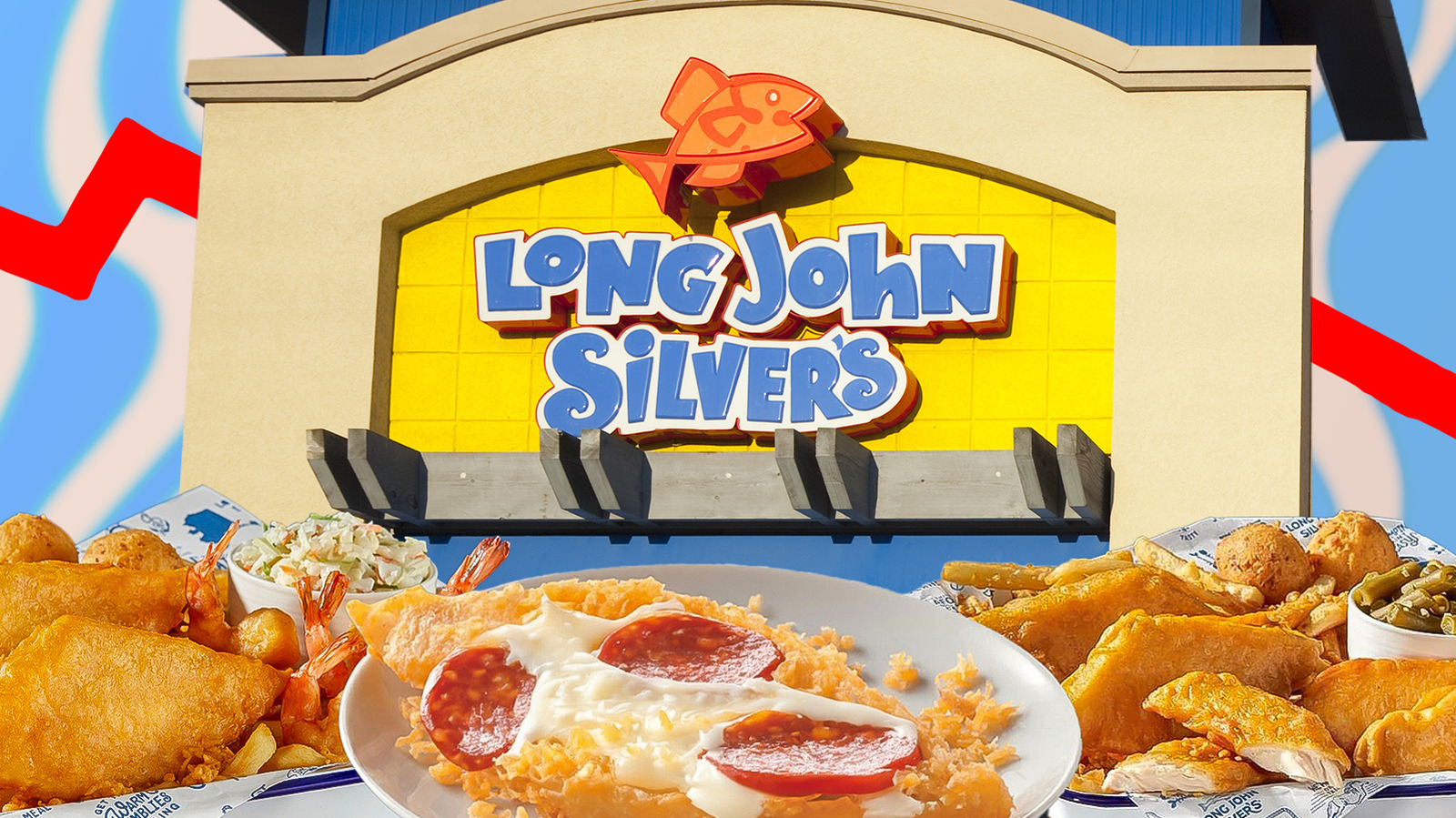
The Golden Age and the Seeds of Change
For decades, Long John Silver’s occupied a unique niche in the fast-food market: the king of casual seafood. Launched in 1969, the brand tapped into a desire for accessible, familiar, and affordable seafood options that were typically reserved for sit-down restaurants or special occasions. The iconic pirate-themed branding, complete with a distinctive logo and restaurant decor, created a memorable and playful atmosphere that resonated with families and a broad demographic.
Establishing a Seafood Staple
The initial success of Long John Silver’s can be attributed to several key factors that formed the bedrock of its brand.
A Novel Concept and Market Dominance
In an era dominated by burger joints and fried chicken establishments, Long John Silver’s offered something genuinely different. Their commitment to a core menu of battered and fried fish, shrimp, and chicken, alongside their signature sides like coleslaw and the perpetually popular hushpuppies, created a loyal customer base. The brand was synonymous with a specific, indulgent flavor profile that many consumers craved. This novelty, combined with an aggressive expansion strategy, allowed Long John Silver’s to quickly establish itself as the dominant player in the fast-casual seafood segment. The brand’s marketing, while perhaps simple by today’s standards, was effective in communicating this unique offering and fostering a sense of recognition and trust.
The Power of the Pirate Persona
The nautical, pirate-themed branding was more than just a decorative choice; it was a core component of the Long John Silver’s brand identity. The name itself, borrowed from Robert Louis Stevenson’s classic novel, evoked adventure and a touch of whimsy. This playful persona helped to differentiate the brand from its competitors and created an engaging experience for diners, particularly children. The pirate iconography was woven into everything from the restaurant’s architecture and uniforms to their promotional materials, forging a strong and memorable association in the minds of consumers. This visual and thematic consistency was crucial in building brand recognition and establishing an emotional connection with its audience.
Navigating the Shifting Tides of Consumer Palates
As the fast-food industry evolved, so did consumer expectations. What once represented a novel and exciting dining option began to face new challenges from emerging trends and a growing awareness of health and wellness. The brand’s traditional strengths, while historically successful, started to become perceived as weaknesses in this new environment.
The Rise of Health Consciousness and “Better-for-You” Options
The late 20th and early 21st centuries witnessed a significant shift in consumer dietary habits and priorities. Increased awareness of the health implications of fried foods, coupled with a growing demand for healthier alternatives, began to erode the appeal of deep-fried seafood for a segment of the population. Competitors that offered grilled, baked, or plant-based options started to gain traction. Long John Silver’s, with its core menu deeply rooted in fried offerings, found itself on the defensive. The brand’s identity was intrinsically linked to indulgence, and while that remained appealing to some, it alienated others who were actively seeking lighter, fresher, or perceived as “healthier” choices. This created a significant strategic dilemma for the brand.
The Challenge of Menu Diversification
Adapting the menu to meet these new demands without alienating the core customer base proved to be a difficult balancing act. While Long John Silver’s made attempts to introduce grilled fish and other lighter options, these often struggled to gain the same traction as their classic fried fare. The perceived complexity of offering both traditional and healthier choices, alongside the operational challenges of ensuring quality across a more diverse menu, presented a significant hurdle. Furthermore, the marketing efforts surrounding these new items sometimes failed to effectively communicate their benefits or integrate them seamlessly into the established brand narrative. The pirate, after all, was more associated with hearty, indulgent fare than with delicate steamed fish.
Intensifying Competition and Market Saturation

The fast-food landscape is notoriously competitive, and Long John Silver’s faced an increasing onslaught of rivals from multiple fronts. Beyond traditional fast-food chains, the rise of fast-casual concepts offering higher quality ingredients and more sophisticated dining experiences also chipped away at market share. Furthermore, other quick-service restaurants began to incorporate seafood items into their menus, further diluting Long John Silver’s unique selling proposition. The sheer volume of choices available to consumers meant that brands had to work harder than ever to stand out and retain customer loyalty.
The “Fast-Casual” Revolution and its Impact
The emergence of the fast-casual dining segment, characterized by higher quality ingredients, more appealing aesthetics, and a slightly higher price point than traditional fast food, significantly impacted Long John Silver’s. Restaurants like Chipotle, Panera Bread, and even more niche seafood concepts offered a more contemporary dining experience that appealed to a growing segment of consumers. Long John Silver’s, with its distinctly fast-food heritage and often dated restaurant aesthetics, struggled to compete in this elevated space. While efforts were made to refresh store designs and improve the overall dining environment, the perception of being a traditional fast-food joint persisted, making it difficult to attract the fast-casual crowd.
Rebranding and Reinvention: A Battle for Relevance
In recent years, Long John Silver’s has embarked on a significant journey of rebranding and reinvention, aiming to recapture its former glory and adapt to the modern market. This has involved a multifaceted approach, touching upon operational changes, marketing revitalizations, and a re-evaluation of its core brand identity.
Strategic Ownership and Operational Overhauls
The ownership of Long John Silver’s has changed hands several times, with each new steward bringing their own vision and strategy. These shifts in corporate leadership have often precipitated significant operational changes, including menu adjustments, store remodels, and a renewed focus on customer service. The goal has been to streamline operations, improve efficiency, and create a more appealing customer experience.
Modernizing the Store Experience
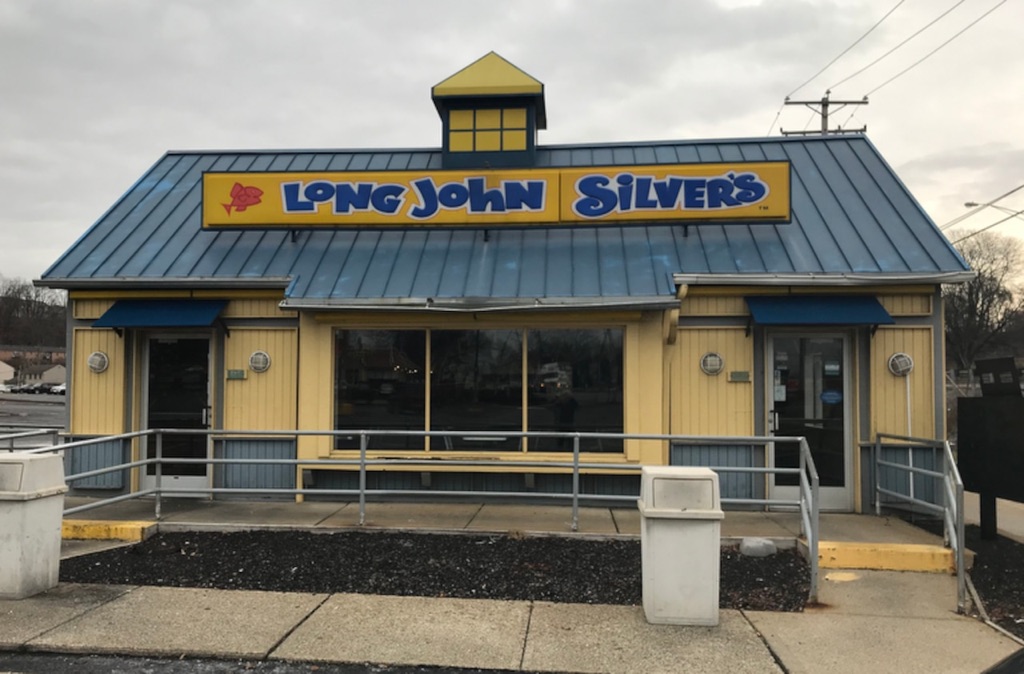
Recognizing the need to move away from its sometimes dated image, Long John Silver’s has invested in modernizing its restaurant interiors and exteriors. The aim is to create a cleaner, more inviting, and contemporary atmosphere that aligns better with current consumer expectations for dining establishments. This includes updated signage, improved lighting, and more comfortable seating. The intention is to signal a departure from the past and present the brand as a relevant and forward-thinking option.
Streamlining the Menu and Focusing on Core Strengths
One of the key strategies employed has been to simplify the menu and refocus on the items that Long John Silver’s is best known for. This involves identifying and emphasizing the most popular and profitable dishes, while potentially phasing out less successful ones. The goal is to ensure operational efficiency and to reinforce the brand’s core competency in delivering quality seafood. This approach aims to avoid the pitfalls of over-diversification and to re-establish a clear, consistent message about what the brand offers.
Revitalizing Marketing and Brand Messaging
The brand’s marketing efforts have also undergone a significant evolution. Gone are some of the more overtly pirate-centric campaigns, replaced by a more nuanced and modern approach that seeks to highlight the quality of the seafood and the value proposition. The messaging aims to resonate with contemporary consumers while still retaining a sense of familiarity.
Emphasizing Quality and Value
A central theme in recent marketing campaigns has been to highlight the quality of the seafood ingredients used by Long John Silver’s. This involves showcasing the sourcing of their fish and emphasizing the preparation methods. Coupled with this is a renewed focus on the value proposition, presenting the brand as an affordable yet satisfying option for seafood lovers. The aim is to counter perceptions of being an unhealthy or outdated choice by emphasizing the freshness and quality of their core offerings, presented in a modern and appealing way.
Reconnecting with the Core Consumer and Expanding Reach
The brand is also working to reconnect with its loyal customer base while simultaneously trying to attract new diners. This involves a blend of traditional marketing channels and digital strategies, including social media engagement and online advertising. The objective is to create a more dynamic and interactive brand presence that can compete for attention in today’s crowded media landscape. By adapting its communication strategies, Long John Silver’s seeks to reassert its relevance and remind consumers why they fell in love with the brand in the first place, while also inviting new generations to discover its appeal.
In conclusion, the question of “what happened to Long John Silver’s?” is a complex one, reflecting the inherent challenges of brand evolution in a dynamic marketplace. The brand’s journey from a pioneering seafood fast-food leader to its current position is a testament to the constant need for adaptation, strategic foresight, and a deep understanding of shifting consumer desires. While the path has been fraught with challenges, the recent efforts to rebrand, modernize operations, and refine its marketing suggest a determined effort to navigate these currents and chart a course towards renewed relevance and sustained success. The future of Long John Silver’s will undoubtedly depend on its continued ability to balance its heritage with innovation and to consistently deliver a compelling brand experience that resonates with today’s discerning diner.
aViewFromTheCave is a participant in the Amazon Services LLC Associates Program, an affiliate advertising program designed to provide a means for sites to earn advertising fees by advertising and linking to Amazon.com. Amazon, the Amazon logo, AmazonSupply, and the AmazonSupply logo are trademarks of Amazon.com, Inc. or its affiliates. As an Amazon Associate we earn affiliate commissions from qualifying purchases.