
The Hidden Economic Burden of a Persistent Disease
While often considered a disease of the past, leprosy, or Hansen’s disease, continues to affect thousands globally, particularly in economically vulnerable communities. The question “what happened to leprosy” extends beyond its epidemiological decline to encompass the profound and often unquantified financial costs it has imposed—and continues to impose—on individuals, healthcare systems, and national economies. Understanding these monetary implications is crucial for appreciating the scale of the challenge and the financial logic behind global health interventions.
Direct Healthcare Costs
The most immediate financial impact of leprosy is its direct healthcare costs. These include expenditures on diagnosis, multi-drug therapy (MDT), surgical interventions, and long-term care for complications. Although MDT, a highly effective treatment, is provided free of charge by the World Health Organization (WHO) and its partners, this generosity doesn’t negate all direct financial burdens. National health systems still bear the costs associated with drug distribution logistics, training of healthcare workers, regular patient follow-ups, laboratory tests, and managing adverse drug reactions.
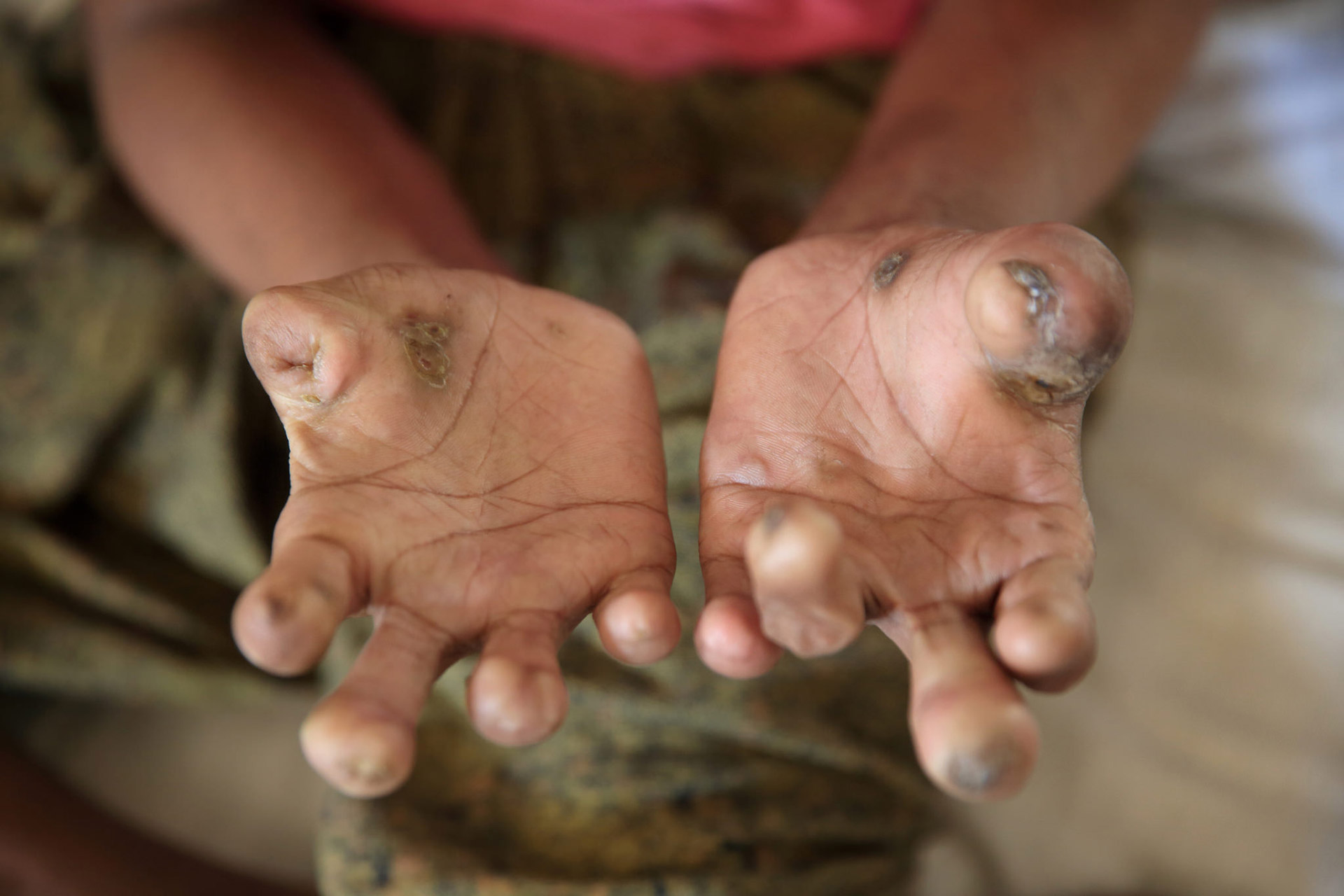
For patients, even “free” treatment can carry significant out-of-pocket expenses. Transport to and from health centers, often in remote areas, can be prohibitive, especially for individuals already struggling with poverty. Loss of daily wages for clinic visits, specialized diets, and the purchase of supportive devices like braces or custom footwear for nerve damage add further layers of financial strain. In regions where healthcare infrastructure is weak, these hidden costs can create substantial barriers to consistent treatment adherence, leading to potential relapse and increased long-term expenditures.
Indirect Economic Losses
Beyond direct medical expenses, leprosy inflicts substantial indirect economic losses that ripple through communities and national economies. These losses stem primarily from productivity deficits and the exacerbation of poverty cycles. Individuals afflicted with leprosy often face severe social stigma, leading to discrimination in employment, education, and social participation. This stigma, combined with physical disabilities such as nerve damage, blindness, or loss of limbs, significantly reduces their ability to work and earn a living.
Whole families are frequently impacted. A parent unable to work due to advanced leprosy or needing to care for an affected child represents a lost income stream, pushing households deeper into poverty. Children may be pulled out of school to contribute to family income or to avoid the stigma associated with their affected relatives, perpetuating a cycle of low education and limited economic opportunity across generations. At a macro level, a workforce diminished by disease-related disability or societal exclusion translates into reduced national productivity and hindered economic development. The economic potential of human capital is stifled, impacting GDP growth and overall societal prosperity in endemic regions.
Financing the Fight: Global Health Investment and Eradication Strategies
The significant decline in leprosy prevalence over the past few decades is not an accidental phenomenon; it is a direct consequence of concerted global health investment and strategic financial allocation. The story of “what happened to leprosy” is fundamentally a narrative of how international funding, strategic partnerships, and focused financial mechanisms enabled a massive public health victory.
Multilateral Funding Mechanisms
A cornerstone of the leprosy elimination effort has been the involvement of multilateral organizations and international aid. The WHO, for instance, has played a pivotal role, facilitating the donation of MDT drugs by pharmaceutical companies—a massive in-kind contribution with an estimated value of hundreds of millions of dollars over decades. This unprecedented public-private partnership dramatically reduced the direct drug costs for endemic countries, making treatment accessible even in the poorest settings.
Beyond drug donations, organizations like the World Bank, the Global Fund to Fight AIDS, Tuberculosis and Malaria (though less directly involved with leprosy compared to other diseases), and various UN agencies have contributed through grants, loans, and technical assistance. These funds support critical infrastructure development, capacity building for healthcare professionals, surveillance systems, and public awareness campaigns. Investing in these foundational elements ensures that treatment reaches those who need it and that new cases are detected early, preventing further transmission and disability. The economic rationale is clear: proactive investment in disease control is significantly more cost-effective than reactive treatment of advanced cases and managing long-term disabilities.
The Role of Philanthropy and Private Sector Investment
While governmental and multilateral efforts are crucial, the fight against leprosy has also benefited immensely from philanthropic organizations and targeted private sector investment. Foundations and non-governmental organizations (NGOs) often fill critical funding gaps, supporting research into new diagnostic tools, vaccines, and improved treatment regimens. They also frequently provide direct services, reaching marginalized populations that national health systems might struggle to access. This includes funding for reconstructive surgeries, rehabilitation services, and social integration programs, all of which have substantial financial implications.
Private companies, beyond pharmaceutical donations, have also contributed through corporate social responsibility initiatives, funding community health programs, and supporting research. The economic incentives for such investments can range from brand enhancement and market access to a genuine commitment to global health equity. These diverse financial streams demonstrate a shared understanding that controlling diseases like leprosy is not just a humanitarian imperative but also an economically sound investment in global stability and development.
Economic Dividend of Disease Control: A Return on Investment
The question of “what happened to leprosy” also points to a profound return on investment (ROI) from public health expenditure. The decline in leprosy cases and the associated reduction in disability have yielded tangible economic dividends, illustrating the financial benefits of successful disease control strategies.
Increased Productivity and Human Capital
One of the most significant economic benefits of controlling leprosy is the preservation and enhancement of human capital. By preventing disability and facilitating effective treatment, individuals are able to maintain their productivity and participate fully in the workforce. A healthy population is a productive population, capable of contributing to agricultural output, industrial development, and service sectors. The economic impact of saving a potential breadwinner from debilitating disease—allowing them to continue working, earning, and supporting their family—is immense, both at the household and national levels.
Furthermore, reducing the prevalence of leprosy means fewer resources diverted to long-term care for disabled individuals, freeing up national budgets for other essential services like education, infrastructure development, or economic stimulus programs. Healthy children can attend school consistently, leading to better educational outcomes and, consequently, higher earning potential in adulthood. This creates a virtuous cycle where health investments lead to economic growth, which in turn can fund further health improvements.
Reduced Strain on Public Health Systems
Successful leprosy control programs also alleviate the immense financial and operational strain on public health systems. A reduction in new cases means fewer demands for diagnostic services, MDT provision, and follow-up care. More importantly, preventing the severe disabilities associated with untreated leprosy significantly reduces the need for expensive surgical interventions, long-term rehabilitation, and specialized nursing care. These services are not only costly but also require highly skilled personnel and specialized facilities, which are often scarce in resource-limited settings.
By bringing leprosy under control, health systems can reallocate resources—both financial and human—to address other pressing health issues, manage emerging epidemics, or strengthen primary healthcare services. This efficiency gain contributes directly to the sustainability and resilience of national health infrastructures, allowing for a more equitable and effective distribution of healthcare resources across the population.
The Lingering Financial Fallout and Future Investment Needs
Despite significant progress, leprosy has not been fully eradicated, and its legacy continues to pose financial challenges. Answering “what happened to leprosy” completely requires acknowledging the ongoing costs of managing residual cases, preventing new transmissions, and supporting those living with its long-term consequences.
Managing Post-Treatment Complications and Disabilities
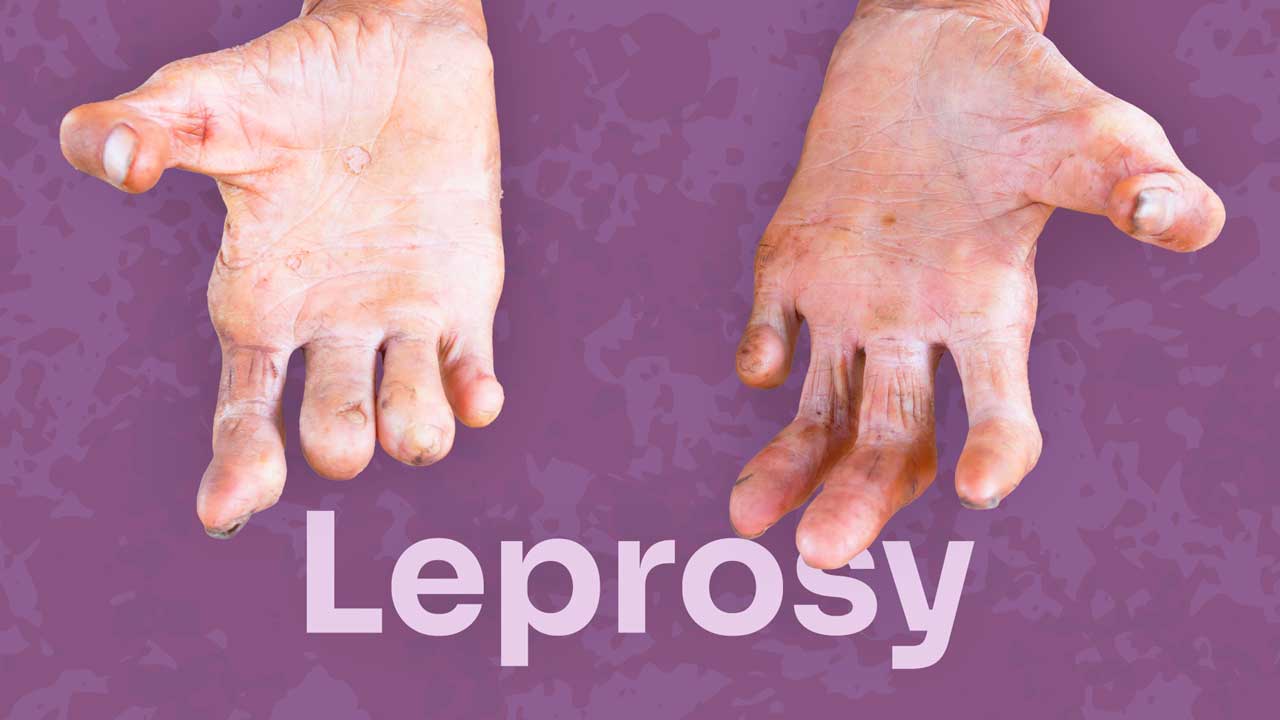
Even after successful completion of MDT, many individuals live with permanent nerve damage, deformities, or disabilities caused by delayed diagnosis or advanced disease. These conditions require ongoing medical attention, rehabilitation services, and assistive devices—all of which incur significant costs. The financial burden shifts from acute treatment to chronic care management, often for the remainder of the individual’s life. This includes physical therapy, occupational therapy, prosthetics, special footwear, and regular medical check-ups to prevent secondary complications like ulcers or infections.
For governments and healthcare providers, funding these long-term care needs represents a continuing commitment. From a financial perspective, neglecting these post-treatment complications can lead to a deterioration in quality of life, further social marginalization, and a resurgence of indirect economic losses due to reduced productivity. Therefore, comprehensive leprosy programs must budget not only for treatment but also for robust rehabilitation and social support systems.

Sustaining Surveillance and Prevention Funding
The low prevalence of leprosy in many regions might lead to a perception that it no longer warrants significant financial investment. However, maintaining gains and preventing resurgence requires sustained funding for surveillance, early detection, and targeted prevention efforts. Active case finding, contact tracing, and preventive treatment for contacts of new cases are critical strategies that demand ongoing financial resources for trained personnel, logistics, and drug supply.
Furthermore, research into new diagnostic tools that can detect the disease earlier, or even a vaccine, requires continuous R&D investment. Without sustained financial commitment to these ‘last mile’ efforts, there is a risk of leprosy re-emerging, undoing decades of costly progress. The lessons learned from other diseases show that complacency in funding elimination programs can lead to significant financial setbacks in the long run. The sustained economic dividend from leprosy control hinges on a continued, albeit targeted, financial allocation to ensure it truly becomes a disease of the past.
aViewFromTheCave is a participant in the Amazon Services LLC Associates Program, an affiliate advertising program designed to provide a means for sites to earn advertising fees by advertising and linking to Amazon.com. Amazon, the Amazon logo, AmazonSupply, and the AmazonSupply logo are trademarks of Amazon.com, Inc. or its affiliates. As an Amazon Associate we earn affiliate commissions from qualifying purchases.