
In the rapidly evolving landscape of consumer finance, Klarna has emerged as a formidable player, redefining the way millions shop and pay. Positioned as a “buy now, pay later” (BNPL) service, Klarna promises a “smoooth” shopping experience, allowing consumers to defer or split payments without immediately incurring interest. But beyond the slick marketing and user-friendly interface, lies a sophisticated financial model designed to benefit both shoppers and retailers. Understanding “how Klarna works” from a financial perspective is crucial for grasping its impact on personal finance, business operations, and the broader credit market. This article will delve into the intricate financial mechanics that power Klarna, shedding light on its various payment options, its value proposition for merchants, its revenue streams, and the financial implications for all stakeholders.
The Core Proposition: Demystifying Buy Now, Pay Later (BNPL)
At its heart, Klarna is a financial technology company that offers credit to consumers at the point of sale, allowing them to receive goods or services immediately while paying for them over time. This model, commonly known as Buy Now, Pay Later (BNPL), bridges the gap between traditional credit cards and upfront payments, offering a flexible alternative that appeals to a wide demographic.
Klarna’s Vision for Consumer Spending
Klarna’s vision revolves around simplifying the shopping experience and empowering consumers with greater control over their finances. The company aims to remove the friction associated with traditional payment methods, offering transparent and manageable payment plans. This philosophy resonates deeply with modern consumers who often seek flexibility and instant gratification without the immediate burden of full payment or the long-term commitment of a credit card. By integrating seamlessly into the checkout process, Klarna positions itself not just as a payment processor, but as a financial partner that facilitates smarter spending and budgeting. The appeal lies in its promise of immediate gratification coupled with structured, often interest-free, repayment schedules, transforming what could be a large, single expense into a series of manageable, smaller outlays.
The “Smoooth” User Experience: A Gateway to Flexible Payments
The success of Klarna, from a financial standpoint, is inextricably linked to its user-friendly interface and frictionless experience, which encourages adoption and repeated use. When a customer chooses Klarna at checkout, they are typically presented with several payment options. The process is remarkably swift: a quick identity verification, often involving a soft credit check (which does not impact their credit score), and the purchase is approved. This simplicity is a significant financial draw, as it reduces cart abandonment rates for merchants and allows consumers to complete purchases they might otherwise defer or abandon due due to immediate budget constraints. The “smoooth” experience also extends to payment reminders and management through Klarna’s app, which helps users stay on top of their financial commitments, ideally preventing late fees and maintaining their financial health.
For the Consumer: Navigating Klarna’s Payment Options
Klarna offers a suite of payment options, each designed to cater to different consumer needs and financial situations. Understanding these options, along with their associated terms, is paramount for consumers managing their personal finances.
Pay in 4: Interest-Free Installments
The “Pay in 4” option is arguably Klarna’s most popular offering. It allows consumers to split their purchase into four equal, interest-free payments. The first installment is typically due at the time of purchase, with the remaining three automatically charged to the consumer’s debit or credit card every two weeks. The financial appeal here is clear: it’s an interest-free loan that helps spread the cost of a purchase over a short period. For budget-conscious shoppers, this provides a practical way to manage larger expenses without incurring additional interest charges, provided all payments are made on time. It acts as a short-term budgeting tool, allowing consumers to align their spending with their bi-weekly pay cycles.
Pay in 30 Days: Deferring Payment Without Immediate Cost
Another attractive option is “Pay in 30 Days,” which allows consumers to receive their goods and services upfront but defer the full payment for up to 30 days. This option is also interest-free. It’s particularly useful for items where a consumer might want to try on clothing or inspect an item before committing fully, akin to a modern-day invoicing system. From a financial planning perspective, it offers a temporary cash flow buffer, allowing consumers to make a purchase today and pay for it after their next paycheck, or once they’ve had a chance to confirm their satisfaction with the product. As with Pay in 4, the absence of interest makes it a financially appealing choice for short-term deferment.
Financing: Longer-Term Credit Solutions
For larger purchases, Klarna offers “Financing,” which functions more like a traditional loan, allowing consumers to pay for items over a period of 6 to 36 months. Unlike “Pay in 4” and “Pay in 30 Days,” this option may include interest charges, depending on the promotional terms offered by the merchant and Klarna. The interest rates can vary and are often disclosed upfront. This option is a direct competitor to credit cards or personal loans for financing significant purchases, providing a structured repayment plan. While it offers flexibility for bigger ticket items, consumers must carefully evaluate the interest rates and ensure the monthly payments fit comfortably within their budget to avoid accumulating debt.
Understanding the Financial Implications: Fees, Interest, and Credit
While Klarna prominently features its interest-free options, it’s crucial for consumers to understand the full financial landscape.
- Late Fees: If payments for “Pay in 4” or “Pay in 30 Days” are not made on time, Klarna may charge late fees, which can quickly add up. These fees serve as a critical revenue stream for Klarna and a deterrent against missed payments.
- Interest on Financing: As mentioned, the “Financing” option typically involves interest, which is a direct cost to the consumer for borrowing money over a longer period.
- Credit Impact: While Klarna often performs “soft” credit checks that don’t affect a consumer’s credit score for initial approvals, defaulting on payments or consistently missing deadlines can lead to “hard” credit inquiries and negative reporting to credit bureaus, significantly impacting a consumer’s credit score and future borrowing capacity. Responsible use of Klarna, however, can demonstrate good financial behavior.
For Merchants: Driving Sales and Mitigating Risk
Klarna’s value proposition extends significantly to retailers, offering a suite of benefits that directly impact their financial performance, from increased sales to reduced financial risk.
Seamless Integration and Merchant Benefits
For merchants, integrating Klarna into their checkout process is typically straightforward, often via existing e-commerce platforms or APIs. The financial benefits for merchants are compelling:
- Increased Conversion Rates: Offering flexible payment options at checkout can significantly reduce cart abandonment and increase the likelihood of a sale. Customers who might hesitate due to an immediate large payment are more likely to complete a purchase with Klarna’s options.
- Higher Average Order Value (AOV): By making larger purchases more affordable through installments or deferred payment, Klarna often encourages customers to add more items to their cart or opt for higher-priced goods, thereby increasing the AOV.
- Attracting New Customers: Klarna’s popularity draws a segment of shoppers who prefer BNPL options, expanding the merchant’s potential customer base. It caters to younger demographics who may not have traditional credit cards or prefer alternative credit solutions.
Klarna’s Role in Payment Processing and Risk Assumption
One of the most significant financial advantages for merchants is Klarna’s assumption of credit risk. When a customer chooses Klarna, Klarna pays the merchant upfront for the full purchase amount (minus their fee) almost immediately. This means the merchant doesn’t have to wait for the customer’s installment payments or bear the risk of customer default. Klarna takes on the responsibility of collecting payments from the consumer, including managing late payments and potential defaults. This allows merchants to focus on their core business operations without being burdened by credit management, customer collections, or payment-related fraud. It’s a powerful cash flow management tool for businesses, ensuring immediate revenue recognition and reducing financial uncertainty.
The Cost of Convenience: Merchant Fees Explained
While Klarna offers substantial benefits, it comes at a cost for merchants. Klarna charges merchants a transaction fee, which typically consists of a fixed fee plus a percentage of the transaction value. These fees vary based on the merchant agreement, the volume of sales, and the specific Klarna services utilized. These fees are generally higher than standard credit card processing fees but are justified by the increased sales, higher AOV, and the assumption of credit risk that Klarna provides. Merchants must weigh these costs against the financial gains of increased sales and reduced risk. For many, the incremental revenue generated by Klarna’s services far outweighs the associated transaction fees, making it a financially sound strategic partnership.
Klarna’s Business Model: Where the Money Flows
Understanding Klarna’s core business model reveals how the company generates revenue and sustains its operations, highlighting its unique position in the financial services sector.
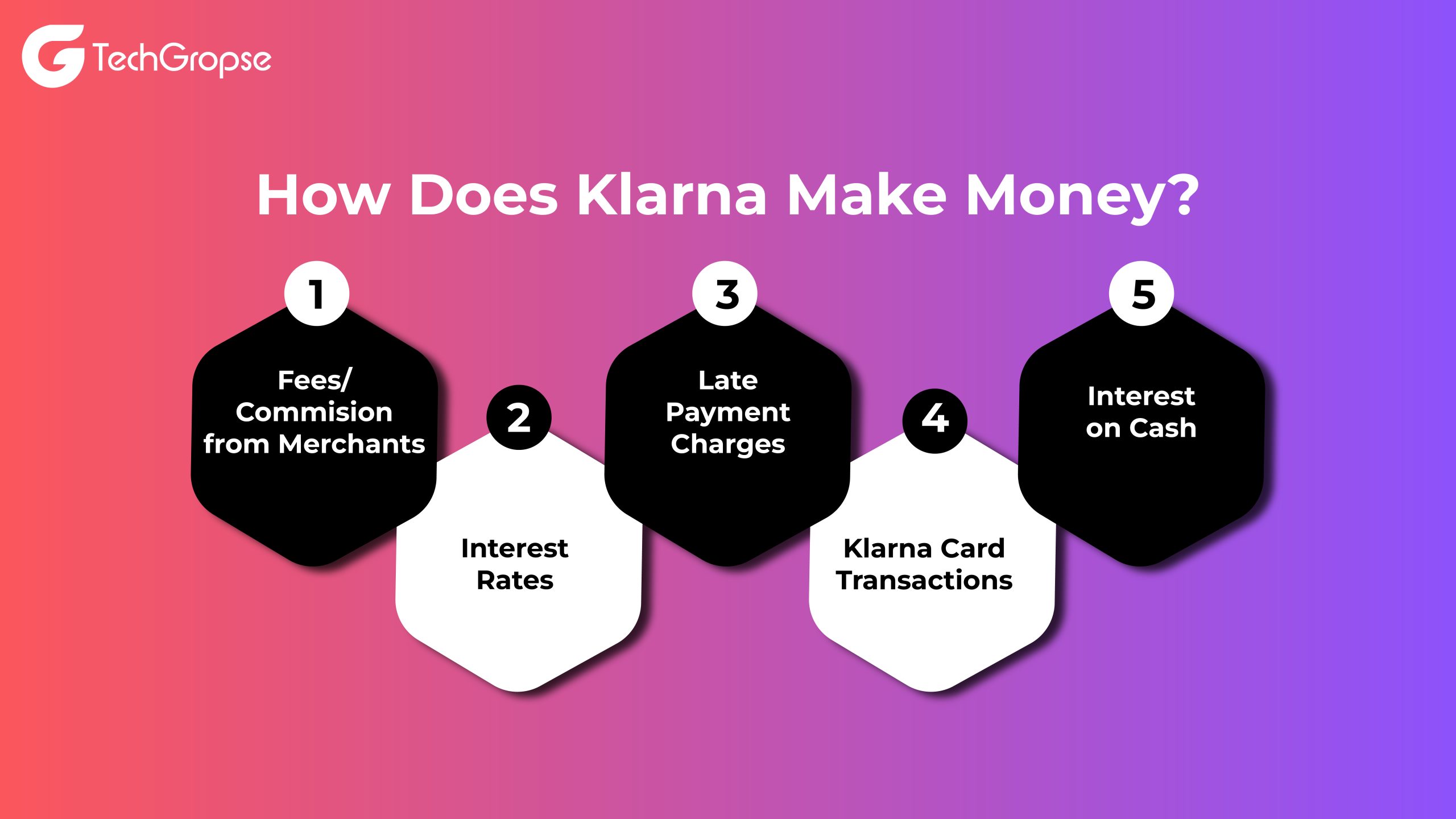
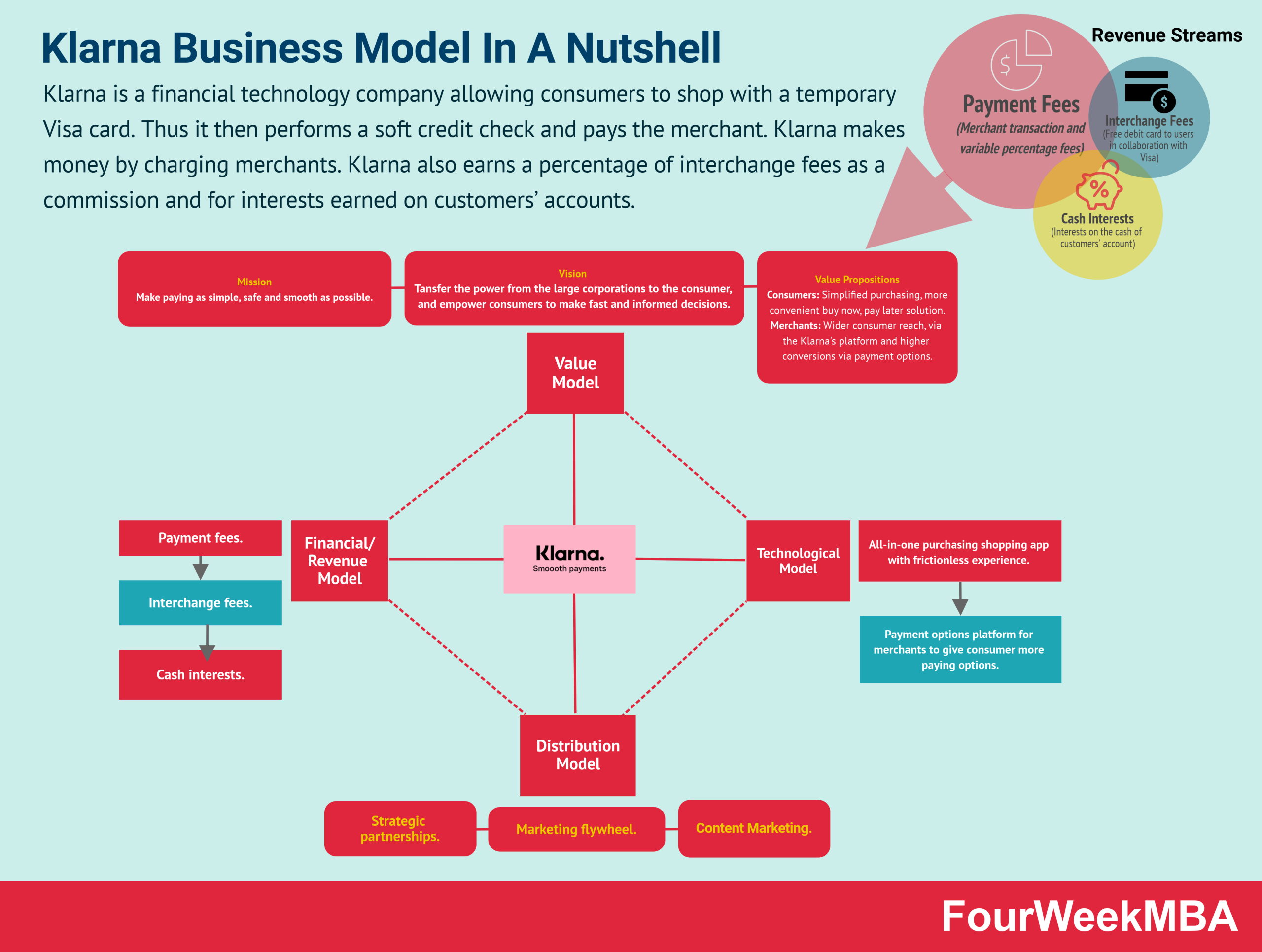
Revenue Streams: Merchant Fees, Interest, and Late Charges
Klarna’s primary revenue streams are multifaceted:
- Merchant Fees: This is the most significant component. As discussed, Klarna charges retailers a percentage of each transaction value, plus a fixed fee, for enabling BNPL services and assuming the credit risk.
- Consumer Interest: While many of Klarna’s popular options are interest-free, its “Financing” product does generate interest revenue from consumers who choose longer repayment terms.
- Late Fees: For consumers who miss their payment deadlines on the interest-free options, Klarna levies late fees. These fees are a critical disincentive for late payments and a source of revenue, although Klarna often emphasizes responsible usage to minimize their occurrence.
- Other Services: Klarna has been expanding into other financial services, such as a consumer banking app (in select markets) with budgeting tools and debit cards, potentially generating revenue through interchange fees or premium services.
This diversified revenue model allows Klarna to absorb the credit risk it takes on and invest in its technology and growth.
Underwriting and Risk Management: The Soft Credit Check
Central to Klarna’s operation is its sophisticated risk management system. When a consumer applies for a Klarna payment option, the company performs a real-time risk assessment. This typically involves a “soft” credit check, which looks at a consumer’s payment history, credit score, and other financial data without impacting their credit score. Klarna’s algorithms then determine the likelihood of repayment and approve or decline the purchase accordingly. This ability to quickly assess risk is crucial, as Klarna is essentially extending credit. By minimizing defaults through effective underwriting, Klarna can maintain its profitability and ensure the sustainability of its BNPL model. This real-time, data-driven approach to lending distinguishes it from traditional, often more cumbersome, credit application processes.
Beyond Traditional Credit: A New Paradigm for Lending
Klarna’s model represents a significant departure from traditional credit card lending. While both offer deferred payment, Klarna’s interest-free options for short-term payments differentiate it. Traditional credit cards often carry high-interest rates that apply from day one if the balance isn’t paid in full by the due date. Klarna, on the other hand, makes interest-free credit readily available for shorter terms, positioning itself as a budgeting tool rather than just a credit line. It appeals to consumers wary of traditional credit card debt and those seeking more transparent and predictable repayment schedules. This shift creates a new paradigm in consumer lending, forcing traditional financial institutions to adapt and innovate to compete with the flexibility and perceived transparency of BNPL services.
The Financial Landscape: Opportunities and Challenges of BNPL
The rise of Klarna and other BNPL providers marks a significant shift in the consumer finance landscape, presenting both immense opportunities and considerable challenges from a financial wellness perspective.
Empowering Financial Flexibility and Budgeting
For many consumers, Klarna offers valuable financial flexibility. The ability to break down a larger purchase into smaller, manageable, interest-free installments can be an effective budgeting tool. It allows consumers to acquire necessary goods or even aspirational items without depleting their savings or resorting to high-interest credit cards. It can also help smooth out cash flow fluctuations, especially for individuals whose income is not always predictable. When used responsibly, Klarna empowers consumers to make thoughtful purchasing decisions, aligning payments with their personal financial cycles and avoiding unnecessary debt accumulation.
The Pitfalls: Overspending, Debt, and Credit Impact
Despite its advantages, Klarna’s ease of use and immediate gratification can also lead to financial pitfalls. The frictionless nature of BNPL can encourage impulse buying and overspending, as consumers may feel less immediate pain when not paying the full amount upfront. Managing multiple BNPL plans across various providers can become complex, leading to missed payments, accumulating late fees, and potentially spiraling debt. Furthermore, while initial soft credit checks don’t affect scores, consistent late or missed payments can be reported to credit bureaus, severely impacting a consumer’s creditworthiness. The “set it and forget it” nature of auto-payments can also lead to forgotten obligations if not closely monitored, making financial discipline crucial for users.

Regulatory Scrutiny and the Future of BNPL
The rapid growth and increasing adoption of BNPL services like Klarna have attracted significant attention from financial regulators worldwide. Concerns have been raised regarding consumer protection, potential for debt accumulation, lack of transparent disclosures for some products, and the need for more robust credit assessment standards. Regulatory bodies are exploring ways to ensure that BNPL products are offered responsibly, with clear terms and conditions, and that consumers are adequately protected. This scrutiny is likely to shape the future of Klarna and the broader BNPL sector, potentially leading to increased oversight, stricter lending practices, and more standardized reporting. The outcome of these regulatory developments will ultimately determine the long-term financial viability and market positioning of BNPL services, ensuring a more balanced ecosystem for both consumers and providers.
In conclusion, Klarna’s operational model is a sophisticated blend of financial innovation and consumer-centric design. By mastering the delicate balance between enabling flexible payments for consumers and driving sales for merchants, while effectively managing credit risk and generating diversified revenue, Klarna has carved out a significant niche in the financial services industry. Its ongoing evolution, however, will be closely tied to consumer financial literacy, responsible usage, and the evolving regulatory landscape, all of which will determine its long-term impact on how the world shops and pays.
aViewFromTheCave is a participant in the Amazon Services LLC Associates Program, an affiliate advertising program designed to provide a means for sites to earn advertising fees by advertising and linking to Amazon.com. Amazon, the Amazon logo, AmazonSupply, and the AmazonSupply logo are trademarks of Amazon.com, Inc. or its affiliates. As an Amazon Associate we earn affiliate commissions from qualifying purchases.