
The Genesis of a Gaming Icon: Establishing a Character Brand
The inquiry into “what happened to Leon Kennedy” transcends a mere plot summary; it delves into the strategic brand development and management of one of gaming’s most enduring figures. Leon S. Kennedy’s journey within the Resident Evil universe is a compelling case study in character branding, illustrating how a fictional persona can be meticulously crafted, evolved, and sustained to become a significant brand asset for a global entertainment franchise.
Initial Brand Persona and Archetype
Leon’s debut in Resident Evil 2 in 1998 was pivotal in establishing his foundational brand persona. Introduced as a rookie Raccoon City police officer on his first day, thrust into an apocalyptic nightmare, his initial brand archetype was that of the idealistic, yet vulnerable, everyman hero. This immediate, relatable vulnerability, coupled with his innate courage and growing resourcefulness, struck a chord with players. His youthfulness and determination to protect others, particularly Claire Redfield and Sherry Birkin, cemented his core brand values: heroism, resilience, a strong moral compass, and an underlying sense of duty. This persona was not just accidental; it was a deliberate design choice that allowed players to project themselves into his shoes, fostering immediate brand affinity.
Design as Brand Identity
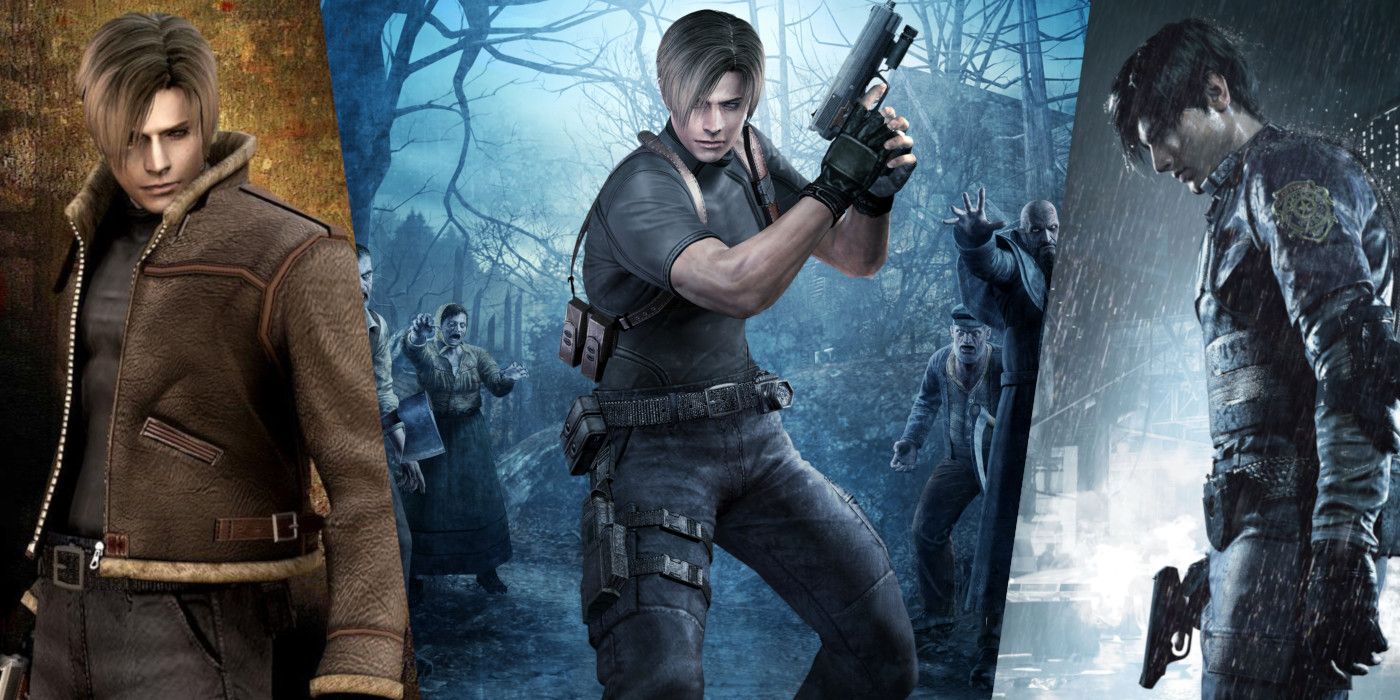
Beyond his narrative role, Leon’s visual design immediately became a critical component of his brand identity. His iconic, albeit slightly oversized, police uniform, distinct blonde hair, and earnest facial expressions became instantly recognizable markers. This visual shorthand was paramount in an era before extensive in-game lore was commonplace. As the Resident Evil franchise expanded, so did Leon’s visual brand, each iteration subtly reinforcing his evolution while maintaining core recognition. His appearance communicates not just who he is, but also the tone and style of the game he inhabits, acting as a visual anchor for the player’s experience.
Strategic Brand Evolution: Adapting for Longevity and Market Relevance
Maintaining a character brand’s relevance over decades requires strategic foresight and a willingness to adapt without diluting its core identity. Leon Kennedy’s trajectory showcases a masterful execution of this delicate balance, demonstrating how a brand can evolve to meet new market expectations while preserving its legacy.
Reinvention in Resident Evil 4
Perhaps the most significant brand transformation for Leon occurred with Resident Evil 4. Moving from a rookie cop to a seasoned, government special agent, this iteration saw a deliberate shift in his persona. He became more cynical, more capable, and notably, more sarcastic and witty. This reinvention was a strategic move by Capcom to refresh not only the character but the entire Resident Evil gameplay experience, transitioning from survival horror to action-horror. Leon’s updated brand image — cooler, more agile, and a charismatic quipper — resonated immensely, elevating his appeal and broadening his demographic reach. This wasn’t merely a character update; it was a brand relaunch that solidified his position as a global icon.
Consistency Amidst Change
Despite these significant shifts, a careful thread of consistency was maintained. While his cynicism grew, his underlying heroism and commitment to justice remained intact. He might joke in the face of danger, but his actions always spoke to his unwavering moral compass. This strategic balancing act ensured that while his brand evolved, it never strayed so far as to alienate his established fanbase. It demonstrated an understanding that core brand values must endure, even as external presentation and narrative context change. This approach is analogous to a beloved product line introducing new features or designs while retaining its fundamental quality and purpose.
Iterative Design and Narrative Updates
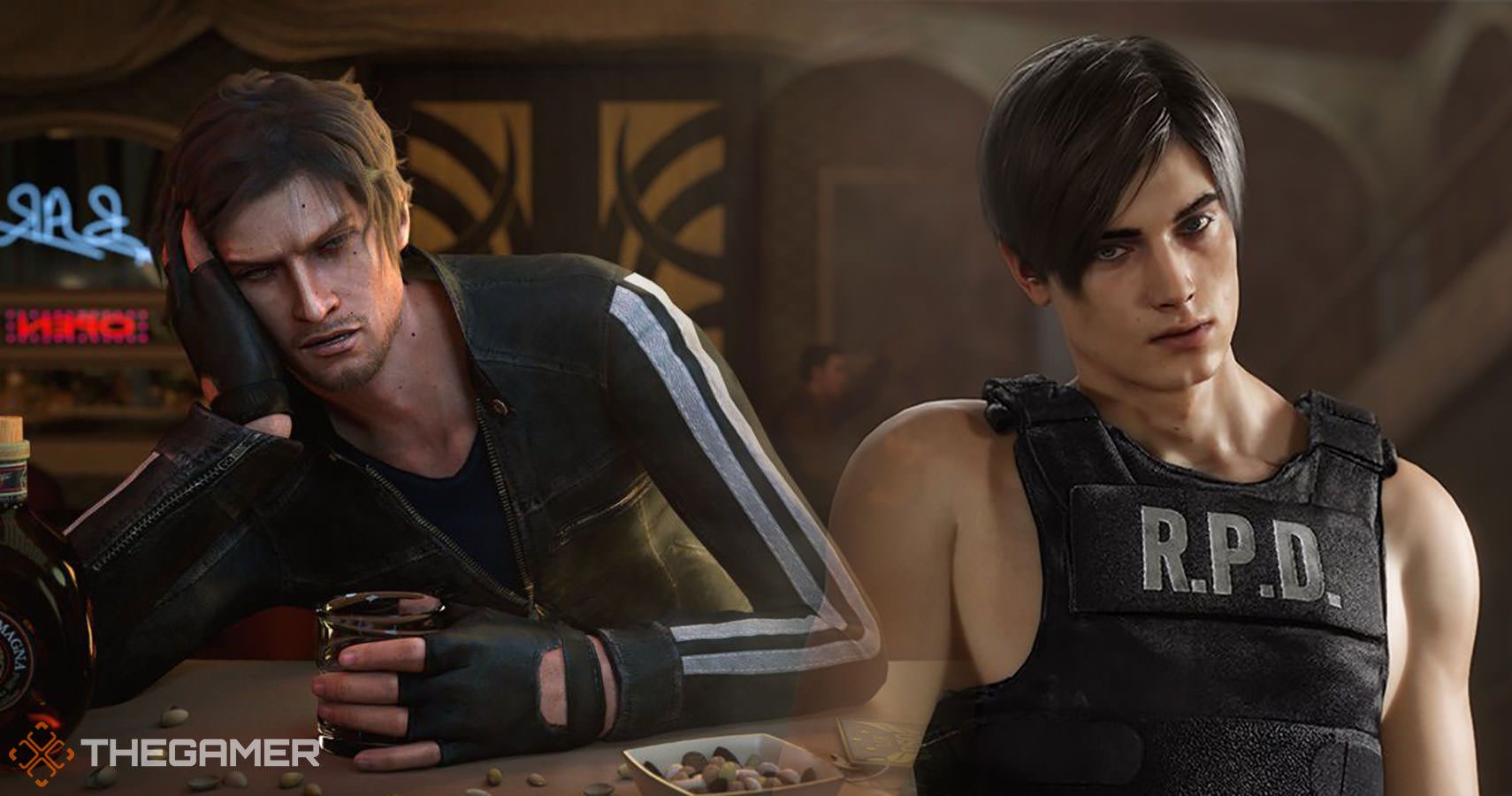
Subsequent appearances, such as in Resident Evil 6 and the critically acclaimed Resident Evil 2 and Resident Evil 4 remakes, continued this iterative design process. Each iteration offered a chance to refine his character, balancing modern storytelling sensibilities with nostalgic appeal. The remakes, in particular, provided an opportunity to revisit and enhance his origin story with contemporary graphics and deeper characterization, essentially re-packaging a classic brand for a new generation without undermining its original appeal. This continuous refinement and reintroduction are crucial for long-term brand health and market dominance.
Leon Kennedy: A Pillar of the Resident Evil Corporate Brand
Leon Kennedy is far more than just a protagonist; he is a significant brand ambassador and a critical component of the overarching corporate identity of Capcom and the Resident Evil franchise. His presence signifies a promise of quality, a particular gameplay style, and a continuation of the rich lore that defines the series.
Character as a Franchise Anchor
Along with other key characters like Chris Redfield and Jill Valentine, Leon serves as a vital anchor for the Resident Evil brand. His consistent presence in mainline games, spin-offs, and animated features helps to maintain narrative cohesion and a recognizable face for the franchise. For consumers, seeing Leon Kennedy on the box art or in promotional material instantly communicates the nature of the experience: intense action, horror elements, and a fight against bio-organic threats. This brand association is invaluable for consumer recall and loyalty, making him a tangible asset in Capcom’s intellectual property portfolio.
Marketing and Fan Engagement
Leon’s popularity translates directly into robust marketing opportunities and strong fan engagement. His iconic status drives the sales of merchandise, collectibles, and apparel, extending the Resident Evil brand beyond the gaming console. Fan communities actively discuss his character, create fan art, and debate his storyline, contributing to a vibrant ecosystem that continuously reinforces his brand equity. This organic engagement is a powerful form of marketing, demonstrating the deep connection players feel with his character and, by extension, the broader franchise brand. His presence is a testament to the power of well-executed character branding in fostering a dedicated global following.
Cross-Media Brand Expansion
The strategic decision to feature Leon Kennedy prominently in the Resident Evil animated film series (Degeneration, Damnation, Vendetta, Death Island) is a masterclass in cross-media brand expansion. These films allow Capcom to explore different facets of Leon’s character, expand the franchise’s lore, and introduce his brand to wider audiences, including those who may not be traditional gamers. By maintaining a consistent characterization and visual style across these different media, Capcom ensures brand harmony and reinforces Leon’s global recognition, solidifying his status as a multi-platform entertainment icon. This diversification is crucial for extending the brand’s lifespan and tapping into new revenue streams.
Sustaining Brand Legacy: The Future of Leon’s Persona
The enduring question of “what happened to Leon Kennedy” will continue to evolve as long as the Resident Evil franchise thrives. His narrative is an ongoing testament to the challenges and rewards of sustaining a powerful brand legacy in a dynamic entertainment landscape.
Navigating Modern Narratives
As the gaming industry evolves, so too must its character brands. Capcom faces the ongoing challenge of crafting narratives that remain fresh and engaging while respecting Leon’s established history and fan expectations. This involves navigating contemporary storytelling trends, leveraging technological advancements in game development to enhance his portrayal, and potentially exploring new psychological depths or moral quandaries that resonate with modern audiences. The brand of Leon Kennedy must remain adaptable, yet authentic, to remain relevant for future generations of players.

The Art of Brand Refresh
The continuous art of the “brand refresh” is paramount for characters like Leon Kennedy. This isn’t about discarding the past but about reinterpreting and re-energizing it. Future iterations will likely continue to explore his character in new contexts, perhaps examining the long-term psychological toll of his experiences or placing him in mentor roles. The goal is always to keep his persona compelling and his actions impactful, ensuring that Leon Kennedy remains not just a nostalgic figure, but a vibrant, evolving brand that continues to captivate and define the Resident Evil narrative for decades to come. His longevity serves as a powerful reminder of how exceptional character branding can secure an iconic status that transcends mere entertainment.
aViewFromTheCave is a participant in the Amazon Services LLC Associates Program, an affiliate advertising program designed to provide a means for sites to earn advertising fees by advertising and linking to Amazon.com. Amazon, the Amazon logo, AmazonSupply, and the AmazonSupply logo are trademarks of Amazon.com, Inc. or its affiliates. As an Amazon Associate we earn affiliate commissions from qualifying purchases.