
The question, “What happened to Left Eye from TLC?” transcends a simple query about a celebrity’s fate. It delves into the very essence of personal branding, the creation of a lasting legacy, and the indelible mark an individual can leave on culture and industry. Lisa ‘Left Eye’ Lopes was more than just a member of one of the best-selling female groups of all time; she was a meticulously crafted, fiercely independent, and profoundly impactful personal brand. Her story, marked by brilliant creativity, public vulnerability, and an untimely end, offers invaluable lessons in brand strategy, reputation management, and the enduring power of an authentic voice. In an era saturated with fleeting fame, Left Eye’s journey serves as a compelling case study on how to build, challenge, and sustain a brand that resonates far beyond its physical presence.
The Genesis of a Singular Brand: Lisa ‘Left Eye’ Lopes
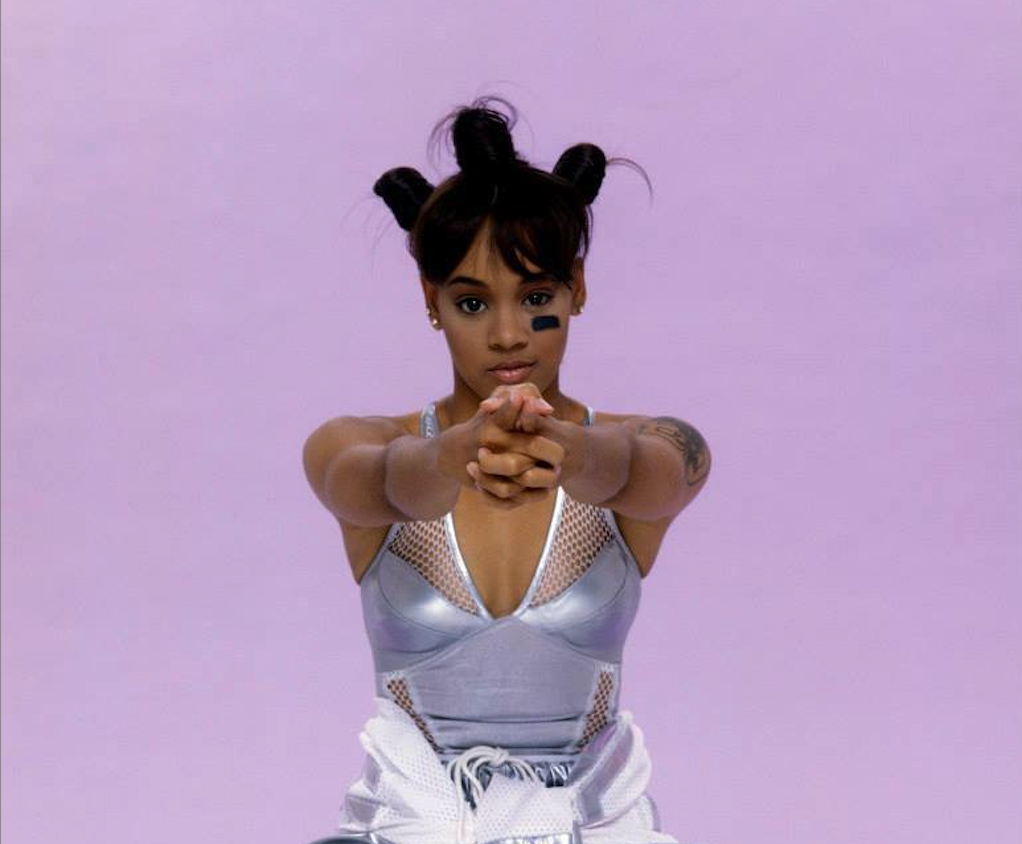
From her striking visual aesthetic to her provocative lyrical contributions, Left Eye meticulously cultivated a personal brand that was both distinct and integral to the collective identity of TLC. Her initial foray into the public eye was marked by a deliberate construction of persona that set her apart and cemented her as an unforgettable force.
Crafting a Persona: Beyond the Music
Lisa Lopes understood the power of a unique identity. Adopting the moniker “Left Eye” – initially due to a compliment about her captivating gaze – she transformed it into a core element of her personal brand. She frequently wore a condom over her left eye, a bold and intentional statement aimed at promoting safe sex awareness during the height of the AIDS epidemic. This wasn’t merely a fashion choice; it was a strategic branding decision that fused advocacy with artistry. Her persona was often portrayed as the rebellious, outspoken, and edgy component of TLC, a deliberate contrast to T-Boz’s sultry coolness and Chilli’s innocent allure. This differentiation was crucial for the group’s overall brand strategy, ensuring each member occupied a unique space, yet contributed to a cohesive whole. She wasn’t just a rapper; she was an iconoclast, a provocateur, and a passionate advocate, all rolled into one distinctive package. This multi-faceted persona allowed her to connect with audiences on multiple levels, fostering a deeper engagement than mere musical talent alone.
Visual Identity and Distinctive Expression
Left Eye’s visual branding was arguably one of the strongest elements of her personal identity. Beyond the condom over her eye, her style was characterized by baggy clothes, vibrant colors, and futuristic aesthetics that challenged conventional notions of femininity in R&B. She often sported unique hairstyles, elaborate makeup, and an overall aesthetic that defied categorization. This visual consistency, while evolving with trends, always retained a core essence of individuality and fearlessness. Her choices were not arbitrary; they were deliberate expressions of her personality and her message. In an industry increasingly reliant on visual appeal, Left Eye mastered the art of non-verbal communication, using her image to convey strength, rebellion, and creativity. This strong visual identity not only made her instantly recognizable but also served as a powerful marketing tool, imprinting her brand into the collective consciousness of fans and critics alike. Her influence on fashion and visual culture within music is undeniable, proving that a strong visual identity is a cornerstone of a powerful personal brand.
The Dynamic Synergy of TLC’s Brand Ecosystem
TLC itself was a masterclass in brand synergy. Comprising three distinct personalities – T-Boz, Chilli, and Left Eye – the group’s success lay in the harmonious interplay of their individual brands. Left Eye’s edgy, outspoken persona provided a critical counterpoint that diversified TLC’s appeal. Her raps injected a raw, street-smart credibility into their R&B sound, distinguishing them from their contemporaries. This internal brand differentiation allowed TLC to capture a broader demographic, appealing to those who resonated with Left Eye’s rebellious spirit as much as with T-Boz’s smooth vocals or Chilli’s softer image. The group’s brand was built on messages of female empowerment, self-respect, and challenging societal norms, themes that Left Eye vocally championed. Her contributions were not just musical; they were thematic, shaping the narrative and social commentary embedded in TLC’s brand identity. This dynamic ecosystem demonstrated how individual brands can amplify and enrich a collective brand, creating a sum far greater than its parts.
Navigating Brand Challenges and Public Perception
Left Eye’s career, like many public figures, was not without its turbulence. Her personal struggles often played out in the public eye, posing significant challenges to her brand. However, her journey also illustrates the capacity for authenticity and resilience in reclaiming narrative.
When Personal Struggles Impact Public Image
A critical aspect of personal branding is managing the intersection of private life and public perception. Left Eye’s highly publicized relationship with NFL player Andre Rison, and particularly the incident where she set fire to his mansion, cast a shadow over her personal brand and, by extension, TLC’s image. These events, while deeply personal, became part of her public narrative, challenging the carefully constructed image of empowerment and advocacy. In the brand world, such incidents can be catastrophic, leading to a decline in public trust and brand equity. For Left Eye, it meant navigating intense media scrutiny, legal battles, and a period of public condemnation. This period tested the resilience of her brand, demonstrating how personal actions, especially those perceived negatively, can drastically alter public perception and require significant effort to rehabilitate. It’s a stark reminder that authenticity, while valued, must be balanced with responsibility, as every action by a public figure contributes to their brand’s story.
Reclaiming Narrative and Redefining Purpose
Despite the setbacks, Left Eye demonstrated an incredible ability to reclaim her narrative. Rather than allowing the media to define her solely by her mistakes, she actively worked to shift the conversation. She openly discussed her struggles, including battles with alcohol and self-destructive tendencies, turning vulnerability into a source of strength. This transparency, rare for celebrities of her era, allowed her to redefine her purpose beyond just entertainment. She channeled her experiences into her art, using her platform to speak on mental health, relationships, and personal growth. Her solo album, “Supernova,” released posthumously but largely completed before her death, explored themes of transformation and self-discovery. This strategic pivot from damage control to purposeful messaging is a powerful lesson in brand resilience. By acknowledging her past, learning from it, and communicating her growth, Left Eye began to rebuild trust and foster a deeper, more empathetic connection with her audience. She demonstrated that a brand can evolve, learn, and even strengthen through adversity, provided there’s an authentic commitment to growth and a clear communication strategy.
The Power of Authenticity in Brand Resilience
Left Eye’s enduring appeal lay in her unvarnished authenticity. She was unapologetically herself, a quality that resonated deeply with fans who appreciated her honesty, even when it revealed imperfections. This authenticity became a cornerstone of her brand resilience. In an industry often criticized for its manufactured images, Left Eye stood out as genuinely human. Her raps were often confessional, her interviews candid, and her on-stage presence raw and uninhibited. This genuine connection fostered a loyal fanbase that was willing to stand by her, even through public tribulations. Her commitment to being true to herself, both in her artistic expression and her public life, allowed her to maintain a strong emotional bond with her audience. This deep connection served as a buffer against negative press, demonstrating that authenticity, when consistently delivered, can be a brand’s most powerful asset, cultivating loyalty and forgiveness in ways that calculated image management often cannot.
The Enduring Brand Legacy After Transition
The question “What happened to Left Eye?” ultimately refers to her tragic passing in a car accident in Honduras in 2002. Her sudden death marked not an end to her brand, but a profound transformation, ushering in a new chapter of legacy management and posthumous influence.
Preserving and Evolving the Brand Narrative Posthumously
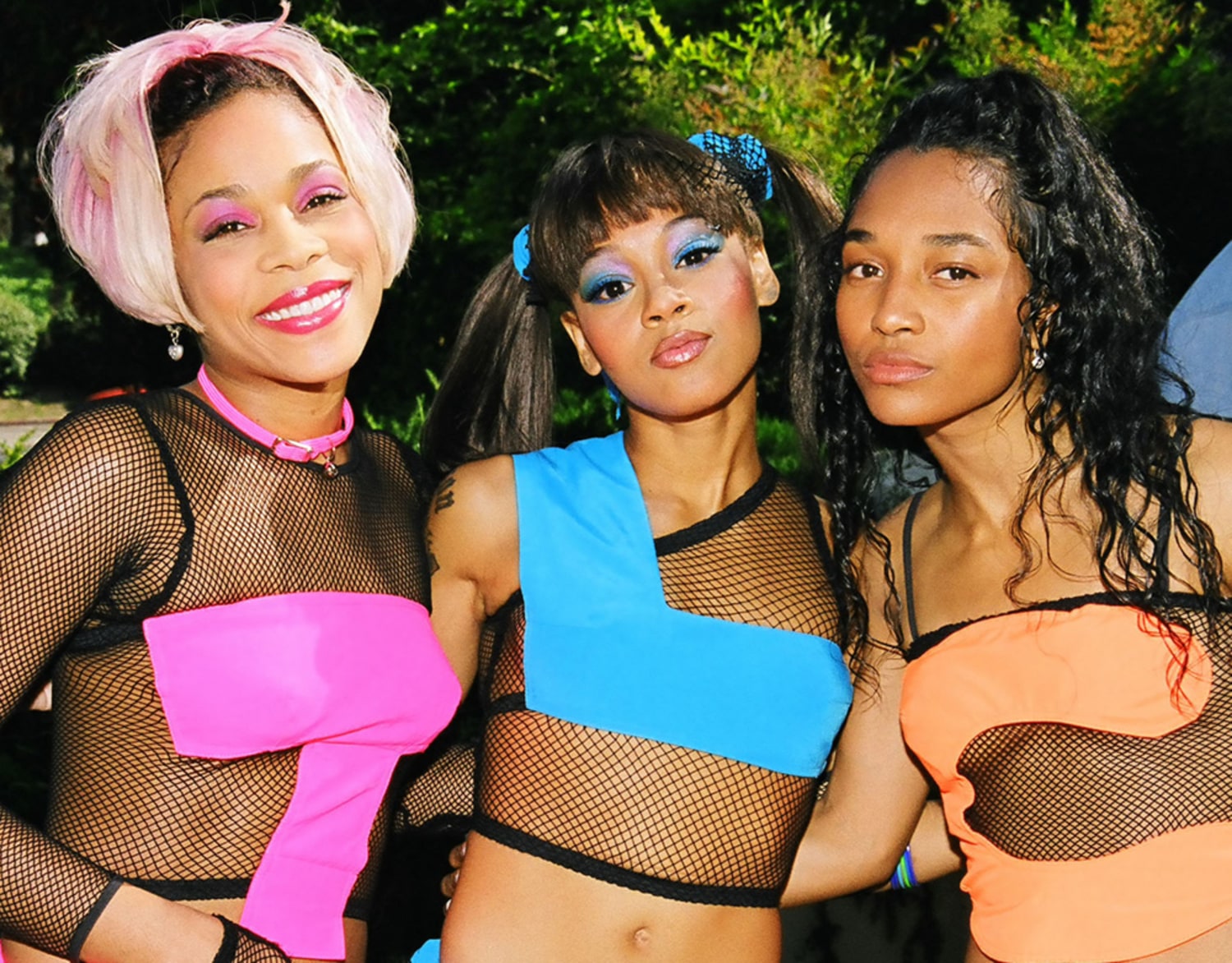
Left Eye’s passing presented a unique challenge for the TLC brand and for her individual legacy. The immediate aftermath focused on mourning and remembrance, but quickly transitioned into how to preserve and evolve her brand narrative. TLC continued to perform, often incorporating her vocals or visual presence into their shows, a poignant strategy to keep her memory alive and maintain the group’s original dynamic. Projects like posthumous albums, documentaries, and tributes became crucial tools for managing her legacy. These efforts allowed her artistic contributions, her unique perspective, and her vibrant spirit to continue to impact new generations. The challenge was to keep her relevant without exploiting her memory. This required careful curation of her unreleased material and a respectful portrayal of her life and struggles, ensuring her narrative remained true to who she was while highlighting her lasting impact. It became a case study in how to sensitively manage a brand after the principal figure is no longer physically present, focusing on celebrating their life and contributions.
The Unforeseen Impact on Group and Individual Brand Equity
Left Eye’s absence irrevocably altered TLC’s brand equity. While T-Boz and Chilli admirably carried on the legacy, the unique balance and dynamic synergy of the original trio were impossible to replicate. Her distinct voice and persona were an irreplaceable component of TLC’s appeal, and her passing left a void that affected the group’s musical direction and public perception. For Left Eye’s individual brand, her death, while tragic, paradoxically solidified her iconic status. The finality of her story cemented her place as a legend, contributing to her mystique and amplifying the power of her unfulfilled potential. Her brand equity shifted from that of an active artist to a timeless icon whose impact continued to grow through her existing work and the stories told about her. This demonstrates how a personal brand, especially one built on authenticity and impact, can transcend mortality, with its equity transforming rather than diminishing.
Fan Engagement and Memorialization as Brand Reinforcement
The intense loyalty of Left Eye’s fanbase played a crucial role in the post-mortem reinforcement of her brand. Fans actively participated in memorialization, sharing memories, discussing her influence, and introducing her music to new listeners. Social media, though nascent at the time of her death, and later burgeoning online communities became platforms for collective remembrance, transforming fan engagement into a powerful form of organic brand reinforcement. This communal act of remembrance ensured that her impact remained vibrant and her story continued to be told. Documentaries like “The Last Days of Left Eye” (produced by VH1, with cooperation from her family and TLC members) offered intimate glimpses into her life, further solidifying her narrative and expanding public understanding of her complexities. This continuous interaction and memorialization by her audience underscores the vital role of community in sustaining and evolving a brand’s legacy, particularly in the absence of its founder.
Lessons in Brand Management from Left Eye’s Journey
Left Eye’s life and legacy offer a wealth of insights for anyone interested in personal branding, brand strategy, and the enduring power of an authentic identity. Her journey underscores several critical principles that remain highly relevant today.
The Imperative of Strategic Personal Brand Development
From her visual choices to her lyrical content, Left Eye’s brand was deliberately and strategically developed. She understood the power of differentiation and carved out a niche that was uniquely hers. Her story emphasizes the importance of intentionality in brand building: understanding your unique value proposition, crafting a compelling narrative, and consistently communicating that identity across all platforms. For aspiring personal brands, Left Eye serves as a reminder that authenticity doesn’t mean a lack of strategy; rather, it’s about strategically packaging and presenting one’s true self in a way that resonates and leaves a lasting impression. It’s about finding your distinct voice and making it heard, ensuring that every element, from your image to your message, aligns to create a cohesive and memorable brand.
Crisis Communication and Image Rehabilitation
Left Eye’s handling of her public struggles, particularly her transparent approach to discussing personal challenges, provides a powerful lesson in crisis communication and image rehabilitation. Instead of hiding from controversy, she chose to confront it, transforming moments of vulnerability into opportunities for growth and deeper connection with her audience. Her journey illustrates that authentic communication, even when difficult, can be far more effective than denial or deflection. For brands facing public scrutiny, Left Eye’s example shows the value of taking responsibility, demonstrating a commitment to change, and using one’s platform to advocate for positive change. It highlights that transparency and a willingness to be human can actually strengthen a brand’s resilience and foster greater trust in the long run.
Building a Legacy That Transcends Lifetime
Ultimately, “what happened to Left Eye” is not just about her passing, but about the legacy she created that continues to thrive. Her ability to build a brand that resonates decades after her death speaks to the power of impact over mere presence. Her messages of empowerment, self-love, and challenging the status quo continue to inspire, demonstrating that a well-defined brand built on strong values can achieve a timeless quality. For any brand or individual aiming for lasting influence, Left Eye’s story emphasizes the importance of contributing something meaningful, fostering genuine connections, and leaving an indelible mark on culture. Her legacy is a testament to the fact that true brand power lies in the lasting impression one leaves on the world, a testament to authenticity, resilience, and an unwavering commitment to one’s unique voice.
The Timeless Resonance of Left Eye’s Brand
Even today, Left Eye’s influence is palpable. Her brand continues to resonate, demonstrating that a powerful personal identity can transcend time, musical genres, and even life itself.
Influence on Modern Artists and Culture
Left Eye’s unique blend of rapping, singing, and performance artistry left an undeniable mark on subsequent generations of artists. Her fearless approach to style, her candid lyricism, and her ability to merge pop appeal with edgy sensibilities paved the way for many female artists in hip-hop and R&B. Her visual aesthetic continues to inspire fashion trends, music videos, and celebrity styling. Beyond entertainment, her advocacy for safe sex and other social causes set a precedent for artists using their platforms for meaningful impact. She proved that a celebrity brand could be both commercially successful and socially responsible, a lesson many modern brands are still striving to master. Her cultural imprint is vast, a testament to a brand built on originality and an unwavering commitment to self-expression.
The Enduring Message and Values
At the core of Left Eye’s brand were messages of self-acceptance, empowerment, and individuality. These values, communicated through her music, interviews, and public persona, remain timeless and universally relevant. Her struggles and triumphs, openly shared, offered comfort and inspiration to many who felt marginalized or misunderstood. This deep-seated connection to universal human experiences ensures her brand continues to resonate with new audiences who discover her work. The enduring strength of her brand lies not just in her artistic output, but in the authentic, relatable human experience she represented. It’s a reminder that strong brands are built on clear, consistent values that speak to the heart of their audience.

Maintaining Relevance in a Shifting Landscape
In an ever-evolving digital landscape, maintaining relevance is a constant challenge for brands. Yet, Left Eye’s brand continues to find new life through social media tributes, documentaries, and the enduring popularity of TLC’s catalog on streaming platforms. Her image and music are frequently sampled, referenced, and celebrated, ensuring her presence remains active in contemporary culture. This posthumous relevance is a testament to the foundational strength of her personal brand: its uniqueness, its authenticity, and its profound impact. It highlights that while platforms and trends change, a powerful and genuine brand narrative, once established, can adapt and persist, continually finding new ways to connect with audiences and solidify its place in history.
Left Eye’s journey offers a multifaceted look into the creation, challenge, and perpetuation of a personal brand. “What happened to Left Eye from TLC” is not just a question about a tragedy; it’s an invitation to explore the profound impact of a life lived authentically, a brand crafted with purpose, and a legacy that continues to inspire and instruct on the power of being truly, uniquely oneself.
aViewFromTheCave is a participant in the Amazon Services LLC Associates Program, an affiliate advertising program designed to provide a means for sites to earn advertising fees by advertising and linking to Amazon.com. Amazon, the Amazon logo, AmazonSupply, and the AmazonSupply logo are trademarks of Amazon.com, Inc. or its affiliates. As an Amazon Associate we earn affiliate commissions from qualifying purchases.