
In the early 1990s, a single question paralyzed global television audiences and redefined the landscape of media marketing: “Who killed Laura Palmer?” While the narrative belonged to the surrealist world of David Lynch and Mark Frost’s Twin Peaks, the phenomenon itself became a masterclass in brand strategy. Laura Palmer ceased to be merely a fictional character and evolved into a high-equity brand asset—a symbol of mystery, duality, and the power of the “unseen” in consumer engagement.
To understand what happened to Laura Palmer from a branding perspective is to understand how a product can transcend its medium to become a cultural icon. This article explores the strategic mechanics behind the Laura Palmer “brand,” analyzing how mystery-driven marketing, visual consistency, and the cultivation of a cult following can create a legacy that lasts for decades.
The Anatomy of a Cultural Icon: Building a Brand on Mystery
The most successful brands often solve a problem or fill a void. In the case of Laura Palmer, the “void” was the central product. By centering an entire franchise around a character who is deceased before the first frame, the creators utilized a “negative space” branding strategy. This forced the audience to build the brand identity of Laura Palmer through the testimonies of others, creating a participatory experience.
The Inciting Incident as a Value Proposition
In marketing, the value proposition is the promise of value to be delivered. For Twin Peaks, the value proposition was the resolution of a mystery. Laura Palmer’s death wasn’t just a plot point; it was the brand’s hook. By framing the entire identity of the town—and the show—around her absence, the creators established an immediate, high-stakes emotional investment. This is synonymous with how “teaser campaigns” work in modern product launches, where the anticipation of the product is often more powerful than the product itself.
From Character to Symbol: The Visual Language of Laura Palmer
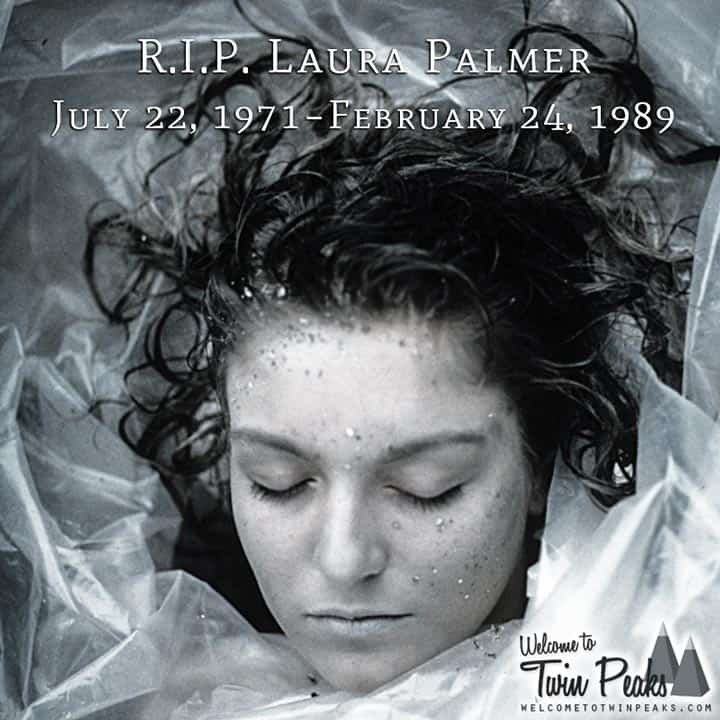
Brand identity relies heavily on visual cues. The prom queen photo of Laura Palmer became the “logo” of the series. It was a static, curated image that represented the “public brand”—innocent, beautiful, and idealized. However, the discovery of her body “wrapped in plastic” represented the “authentic brand”—raw, tragic, and hidden. This duality is a powerful tool in brand strategy, allowing a name to resonate across multiple emotional spectrums simultaneously.
The “Who Killed Laura Palmer?” Campaign: Pioneering Viral Marketing
Before the advent of social media, the “Who killed Laura Palmer?” campaign was one of the first truly viral marketing successes. It utilized a decentralized communication strategy, where the “brand” was discussed in offices, schools, and newspapers, creating a feedback loop that the creators could barely contain.
Creating the Feedback Loop: Engagement Before the Internet
The brilliance of the Laura Palmer mystery lay in its ability to turn passive viewers into active investigators. In brand strategy, this is known as “co-creation.” When a brand leaves gaps for the consumer to fill, the consumer develops a sense of ownership over the narrative. In 1990, fans were not just watching a show; they were stakeholders in the mystery. This level of engagement is what modern digital marketers strive for through interactive polls, AR filters, and community-led forums.
Leveraging Scarcity and Information Gaps
The Laura Palmer brand thrived on the controlled release of information. In an era of instant gratification, we often forget the power of scarcity. By withholding the identity of the killer, the brand maintained its “market value.” Every week, a small “dividend” of information was paid out to the audience, keeping the stock of interest high. This is a tactic seen today in the tech industry, where companies like Apple or Tesla release cryptic teasers months before a keynote, ensuring that the brand remains at the center of the cultural conversation without having to reveal the final product.

Sustaining Longevity: How Brand Aura Outlives the Product
A common challenge in branding is “burnout”—the moment a product loses its relevance after the initial hype. However, the Laura Palmer brand managed to survive a thirty-year hiatus. This was achieved through a combination of transmedia storytelling and the cultivation of an “aura” that transcended the original television run.
The Power of Nostalgia and Retro-Branding
When Twin Peaks returned in 2017, the brand didn’t need to reinvent itself. It leaned into the nostalgia of the Laura Palmer identity. Nostalgia is one of the most potent tools in a brand strategist’s arsenal because it bypasses rational critique and taps directly into emotional memory. By maintaining the same visual motifs—the blue prom photo, the diary, the homecoming tape—the brand reaffirmed its identity to an older demographic while presenting a “vintage” appeal to a newer, younger audience.
Transmedia Storytelling and Brand Extension
The Laura Palmer brand was expanded through various “brand extensions,” most notably The Secret Diary of Laura Palmer. This wasn’t just merchandise; it was an essential piece of the brand’s lore that provided deep-dive content for the most loyal “customers.” In modern brand strategy, this is referred to as an ecosystem. Just as Disney uses films to drive theme park attendance and toy sales, the Laura Palmer narrative used literature and music (Angelo Badalamenti’s iconic score) to create a multi-sensory brand experience that could exist independently of the screen.
Lessons for Modern Brands: Applying the “Laura Palmer Effect”
What happened to Laura Palmer offers a blueprint for contemporary brands looking to build deep, lasting connections with their audience. The “Laura Palmer Effect” is the ability to maintain relevance through mystery, community, and psychological depth.
Cultivating Community Through Shared Inquiry
The most resilient brands are those that foster a community. Tesla has its “fanboys,” Apple has its “evangelists,” and Laura Palmer has her “theorists.” By providing a complex narrative that requires discussion, the brand ensures that the conversation continues even when there is no new “product” being released. For a brand, the community acts as a secondary marketing department, creating content (theories, fan art, podcasts) that keeps the brand ecosystem healthy.
The Risk and Reward of the “Unsolved” Narrative
There is a significant risk in mystery-driven branding: the “payoff” must be worth the wait. When the killer of Laura Palmer was eventually revealed in the second season, the brand suffered a temporary decline in “market share” because the central tension was resolved. The lesson for modern marketers is that the journey is often more valuable than the destination. Brands that focus on “the why” (the mystery/purpose) rather than just “the what” (the product) tend to have much longer lifecycles.
Conclusion: The Eternal Brand
So, what happened to Laura Palmer? From a brand strategy perspective, she became immortal. By never being fully “solved” or “settled” in the minds of the public, the Laura Palmer identity remains a living, breathing asset. She represents the ultimate successful “rebranding” of a tragic event into a multi-decade cultural phenomenon.
For professionals in marketing and brand identity, the takeaway is clear: the most powerful brands are those that invite the audience to participate in their story. Whether through the calculated use of mystery, the strategic deployment of nostalgia, or the creation of a visual icon that stands the test of time, the legacy of Laura Palmer proves that a well-crafted brand identity can survive long after the initial “product” has left the shelf. In the world of branding, as in the town of Twin Peaks, the owls are not what they seem—and the most successful brands are those that keep us guessing.
aViewFromTheCave is a participant in the Amazon Services LLC Associates Program, an affiliate advertising program designed to provide a means for sites to earn advertising fees by advertising and linking to Amazon.com. Amazon, the Amazon logo, AmazonSupply, and the AmazonSupply logo are trademarks of Amazon.com, Inc. or its affiliates. As an Amazon Associate we earn affiliate commissions from qualifying purchases.