
The modern healthcare landscape is no longer just a realm of stethoscopes and manual charts; it is an environment driven by high-speed data, sophisticated imaging software, and complex bio-electronic interfaces. At the heart of this digital transformation is the Cardiovascular Technologist, or “Cardiac Tech.” While the title might suggest a generalist role, the reality is a highly specialized technical position that serves as the bridge between cutting-edge medical hardware and critical patient outcomes.
To understand what a cardiac tech does, one must look past the hospital gown and into the rack of servers, the high-resolution transducers, and the algorithmic processing units that define the contemporary cardiology department.
The Core Technological Toolkit of a Cardiovascular Technician
A cardiac tech is, first and foremost, an operator of some of the most advanced diagnostic machinery in the world. Their daily workflow is defined by the calibration, execution, and interpretation of data generated by specialized hardware.
Electrocardiogram (EKG) and Holter Monitoring Systems
The most foundational tool in the cardiac tech’s arsenal is the EKG machine. However, the tech behind these devices has evolved significantly. Modern EKG systems utilize digital signal processing (DSP) to filter out “noise”—electrical interference from muscles or external electronics—to provide a clean reading of the heart’s electrical activity. Cardiac techs are responsible for the precise placement of electrodes, which act as sensors for the body’s internal bio-electricity. They must also manage Holter monitors and event recorders, which are essentially wearable “edge computing” devices that record cardiac data over 24 to 48 hours, requiring the tech to later upload and analyze large datasets for irregularities.
Advanced Echocardiography and Ultrasound Tech
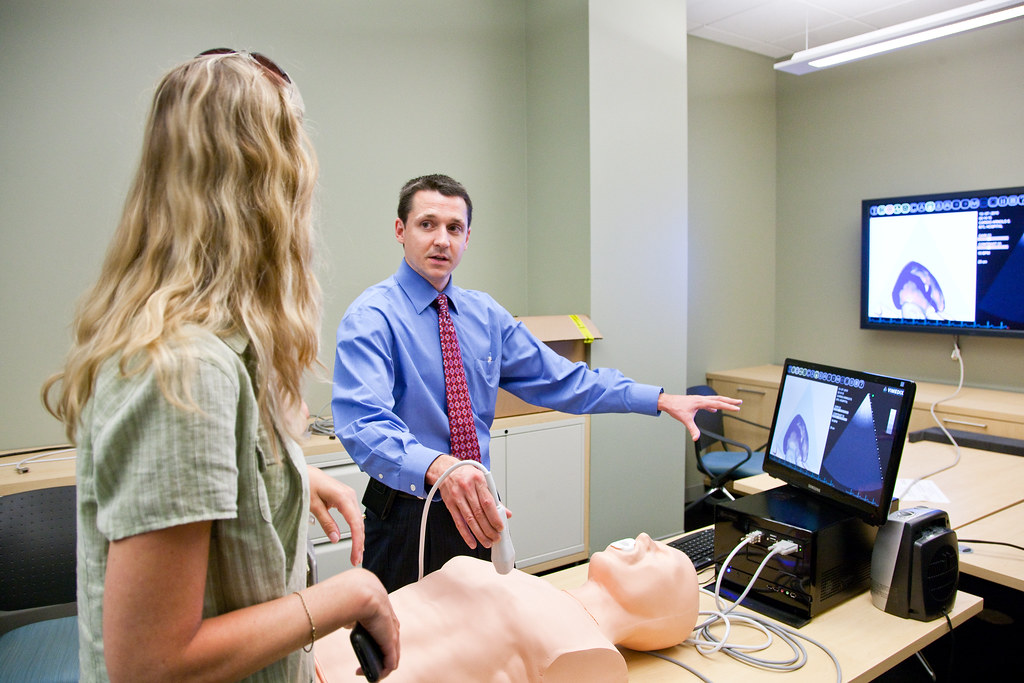
Beyond electrical signals, cardiac techs (specifically cardiac sonographers) utilize ultrasound technology to create 2D and 3D images of the heart. This involves the use of high-frequency sound waves and the “Doppler effect” to measure the speed and direction of blood flow. Operating these machines requires a deep understanding of fluid dynamics and acoustics. The tech must manipulate the transducer to capture specific cross-sections of the heart, adjusting gain, depth, and frequency in real-time to optimize image quality—much like a high-end digital photographer or videographer working in a biological medium.
Invasive Tech: The Cardiac Catheterization Lab
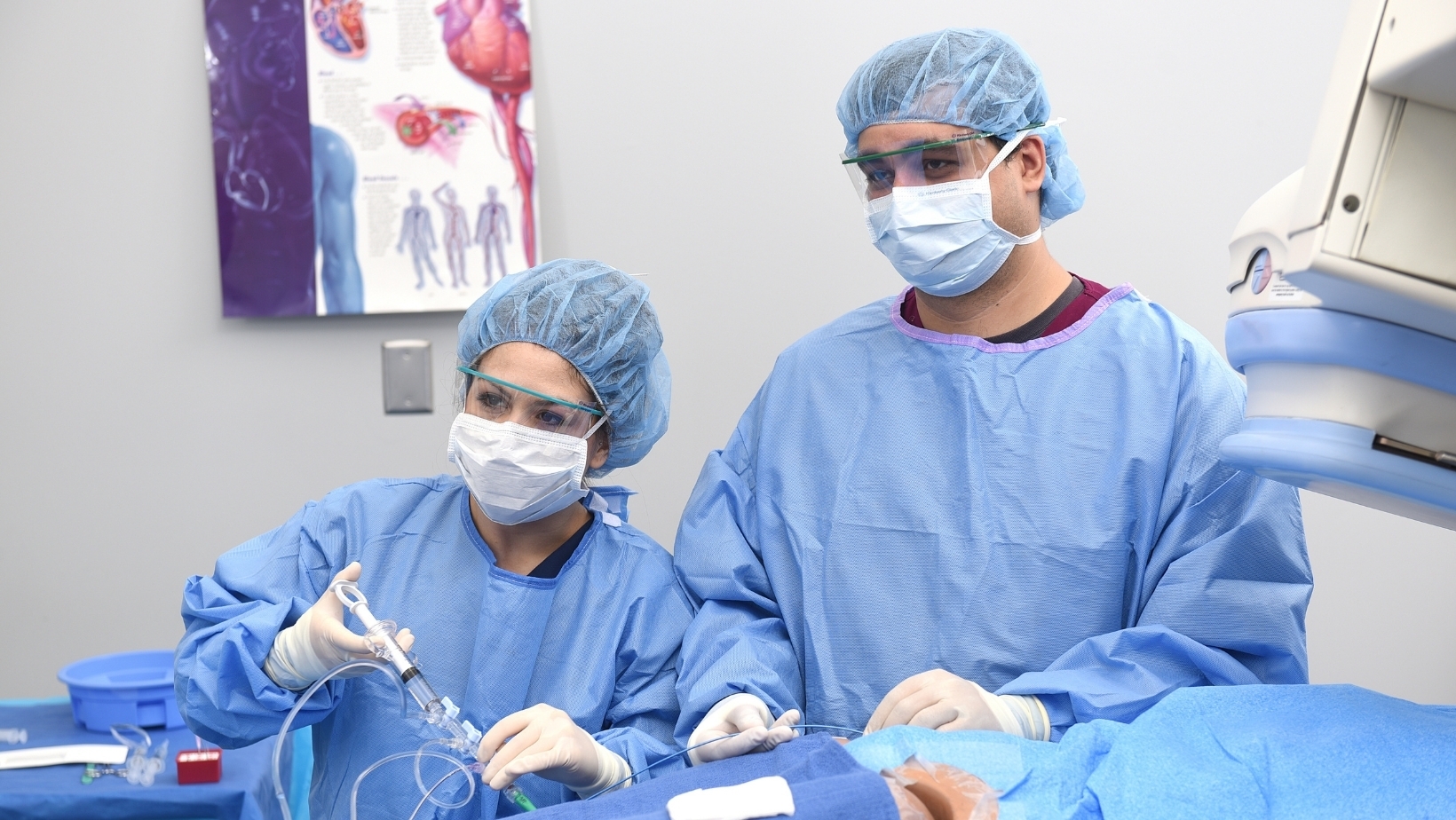
In the “Cath Lab,” the technological stakes are even higher. Here, cardiac techs assist in interventional procedures like angioplasty or stent placement. They operate fluoroscopy equipment—a type of real-time X-ray “video”—that allows doctors to see inside the arteries. The tech manages the hemodynamic monitoring systems, which track the patient’s blood pressure and oxygen levels from inside the heart chambers via sensors. This environment is a masterclass in hardware integration, where various digital streams must be synchronized to ensure patient safety.
The Digital Revolution: Software and AI in Cardiac Diagnostics
The role of a cardiac tech has transitioned from merely “running a test” to “managing a digital workflow.” As the volume of data generated by cardiac imaging grows, software has become the primary tool for diagnostic accuracy.
AI-Powered Arrhythmia Detection
Artificial Intelligence (AI) and Machine Learning (ML) are currently reshaping the cardiac tech’s workflow. Modern EKG software now includes interpretive algorithms that can flag potential atrial fibrillation or long QT syndrome before the tech even looks at the screen. The cardiac tech acts as the first line of human verification for these AI prompts. They must understand the underlying logic of the software to distinguish between a genuine life-threatening arrhythmia flagged by the AI and a false positive caused by a loose lead or mechanical artifact.
Electronic Health Records (EHR) and Image Archiving (PACS)
Data management is a massive component of what a cardiac tech does. Once an image or a reading is captured, it must be stored in a way that is both accessible and secure. This is where PACS (Picture Archiving and Communication Systems) and DICOM (Digital Imaging and Communications in Medicine) standards come into play. A cardiac tech must be proficient in navigating these specialized database architectures, ensuring that high-resolution files (which can be gigabytes in size) are correctly tagged, archived, and transmitted to the cardiology team for review. This ensures a seamless “digital thread” of patient data from the point of capture to the point of diagnosis.
Future Trends: Wearables, Remote Monitoring, and VR
As technology moves out of the hospital and into the home, the definition of a cardiac tech’s workspace is expanding. The future of the role is increasingly tied to the Internet of Medical Things (IoMT).
The Rise of Consumer-Grade Medical Wearables
With the advent of the Apple Watch, Fitbit, and specialized medical-grade wearables like the Zio patch, cardiac techs are now finding themselves analyzing data that wasn’t even recorded in a clinical setting. What does a cardiac tech do in this context? They become data curators. They filter through weeks of remote telemetry data to find the specific “needle in the haystack” that explains a patient’s symptoms. This shift toward remote monitoring requires techs to be tech-savvy enough to troubleshoot software syncing issues and cloud-based data transfers.
Virtual Reality (VR) for Pre-Surgical Mapping
In advanced cardiac centers, VR is being used to map out complex surgeries. Cardiac techs contribute to this by performing high-fidelity 3D echoes or assisting with CT/MRI scans that are then rendered into a three-dimensional virtual environment. This allows surgeons to “walk through” a patient’s heart before making an incision. The tech’s role here is to ensure the raw data is of sufficient quality to be reconstructed into a precise 1:1 digital twin of the patient’s anatomy.
Telemetry and Real-Time Data Analysis
In a hospital setting, the “telemetry floor” is a hub of constant technological surveillance. Cardiac techs (often specialized as telemetry technicians) monitor dozens of screens simultaneously, each displaying a live stream of a patient’s vital signs.
Continuous Monitoring in the ICU Environment
In the Intensive Care Unit (ICU), the tech’s role is to maintain the integrity of the continuous monitoring network. This involves managing the wireless infrastructure that allows patients to move around while their heart data is transmitted to a central station. If a signal drops, the tech must determine if it is a physiological emergency or a hardware failure (such as a battery depletion or a Wi-Fi dead zone). This requires a hybrid skillset that blends clinical knowledge with IT troubleshooting.
Cybersecurity in Cardiac Device Integration
As cardiac devices like pacemakers and implantable cardioverter-defibrillators (ICDs) become increasingly connected, they also become vulnerable to digital interference. While the cardiac tech is not a cybersecurity expert, they are the ones who interface with the programmers used to check these devices. They must follow strict digital hygiene protocols to ensure that the equipment used to “interrogate” a patient’s pacemaker is not compromised, protecting the patient from potential hacking or data breaches.

Conclusion: The Technician as a Digital Interpreter
When we ask “what does a cardiac tech do,” the answer is increasingly found in the realm of high-tech operations. They are the individuals who ensure that the complex machinery of modern medicine functions at peak performance. They are part data scientist, part hardware engineer, and part clinical expert.
In an era where AI can read an EKG and sensors can track heart rates from a wristband, the cardiac tech remains essential because they provide the technical context. They understand how the hardware works, why the software might be glitching, and how to translate a digital signal into a meaningful clinical insight. As medical technology continues to advance—moving into the realms of nanobots, remote robotic surgery, and genomic-based cardiac care—the cardiac tech will continue to evolve, standing at the forefront of the technological revolution in healthcare. They are the guardians of the digital pulse, ensuring that in our world of data and silicon, the human heart remains the central focus.
aViewFromTheCave is a participant in the Amazon Services LLC Associates Program, an affiliate advertising program designed to provide a means for sites to earn advertising fees by advertising and linking to Amazon.com. Amazon, the Amazon logo, AmazonSupply, and the AmazonSupply logo are trademarks of Amazon.com, Inc. or its affiliates. As an Amazon Associate we earn affiliate commissions from qualifying purchases.