
The trajectory of a global superstar is often analyzed through the lens of talent and timing, but from a strategic perspective, it is a masterclass in brand development, market positioning, and long-term equity management. When people ask “what happened to Laura Branigan,” they are often looking for a timeline of her career and her untimely passing in 2004. However, for brand strategists and marketing professionals, the story of Laura Branigan offers a deeper narrative: the construction of a high-octane international identity that managed to survive the volatile shifts of the music industry and achieve a posthumous viral resurgence that most modern brands would envy.
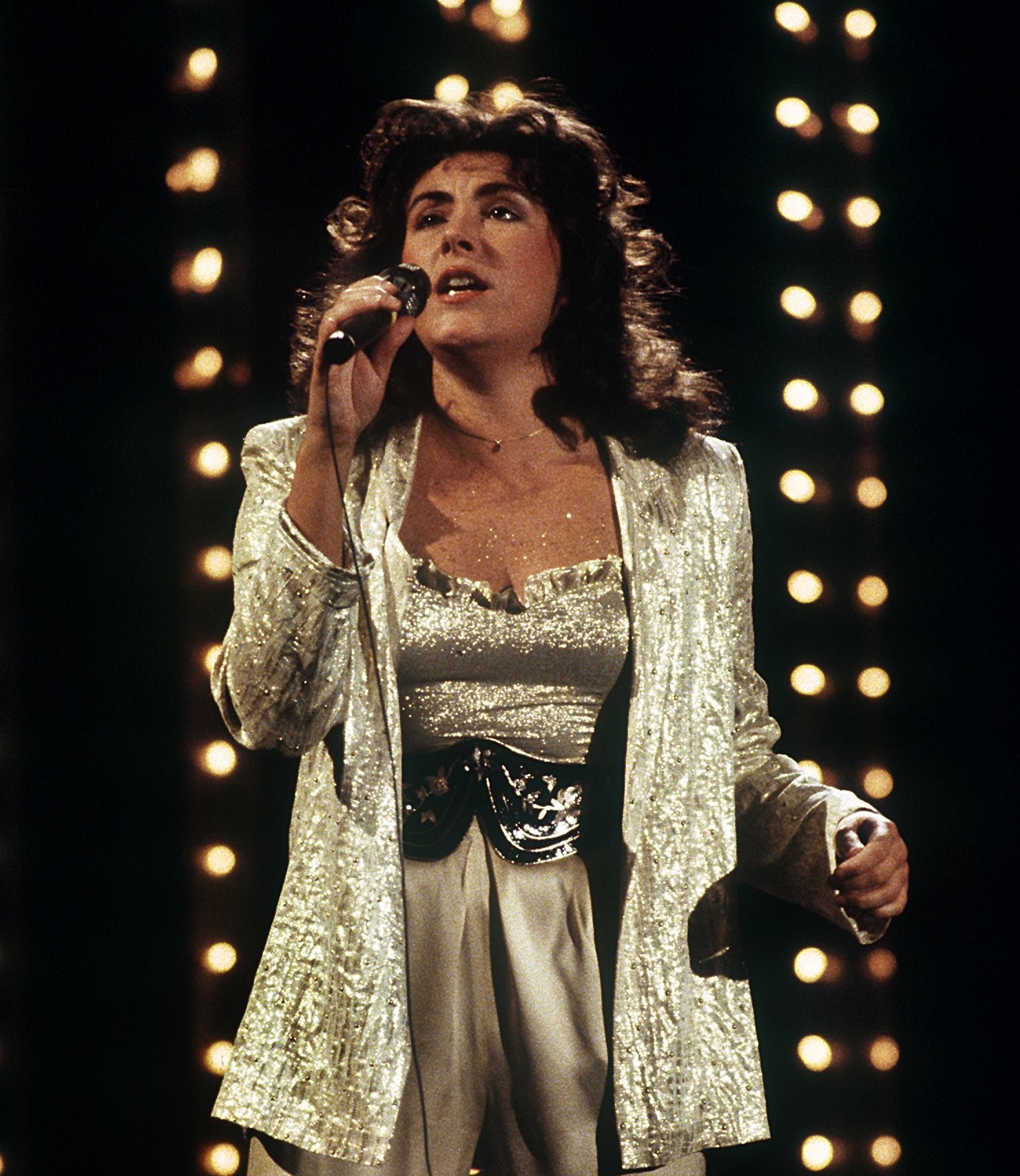
The Architecture of an 80s Icon: Building the Branigan Identity
In the early 1980s, the music industry was undergoing a seismic shift driven by the advent of MTV and the globalization of pop culture. To succeed, an artist needed more than a voice; they needed a cohesive brand identity that could translate across borders and mediums. Laura Branigan’s entry into the market was a calculated exercise in “Vocal Branding.”
Sound as a Visual: The Vocal Signature
In brand strategy, “sensory branding” is the practice of using specific sounds or visuals to create an instant association. For Branigan, her four-octave range was her logo. Unlike the “girl next door” personas of the era, Branigan’s brand was built on power, drama, and emotional intensity. Her breakout hit “Gloria” served as the brand’s mission statement. It was high-energy, sophisticated, and showcased a level of vocal athleticism that became her unique selling proposition (USP). By anchoring her brand in vocal excellence rather than just fashion trends, she established a level of “brand authority” that commanded respect in both domestic and international markets.
International Appeal: Strategic Global Positioning
One of the most impressive aspects of the Branigan brand was its “Market Penetration Strategy.” While many American artists struggled to find footing in Europe, Branigan’s team leaned into a Euro-pop sensibility. By covering hits like “Self Control” (originally by Italian artist Raf), she performed a “cultural arbitrage.” She took established European melodies and repackaged them with American production values and her signature powerhouse vocals. This allowed her brand to achieve a “Global Citizen” status, leading to massive success in Germany, Japan, and South America, effectively diversifying her audience and ensuring that the brand remained profitable even when domestic charts fluctuated.
Navigating the Shifts: Brand Longevity in a Changing Industry
The lifecycle of any brand involves a period of maturity followed by a potential decline if the brand fails to pivot. As the 1980s gave way to the 1990s, the “Synth-Pop” aesthetic began to lose market share to Grunge and Hip-Hop. The Branigan brand faced a classic strategic dilemma: evolve or become a “Legacy Brand.”
The Transition from Pop Star to Legacy Act
By the mid-1990s, Branigan made a strategic pivot toward theater and selective performances. In branding terms, this is known as “Niche Down.” By performing in Wait Until Dark and moving into the Broadway space, she transitioned her brand from “Mass Market Pop” to “Sophisticated Artistry.” This move preserved her brand equity by distancing her from the “dated” sounds of the 80s and repositioning her as a versatile performer. It was an exercise in maintaining brand prestige while the primary market (Top 40 radio) moved in a different direction.
Protecting Intellectual Property in the Post-Peak Era
A critical component of what happened to the Laura Branigan brand during the late 90s and early 2000s was the management of her intellectual property. Unlike artists who faded into obscurity, Branigan’s catalog remained active in film, television, and international compilations. This “Passive Brand Presence” ensured that even during her periods of relative quiet—including her hiatus to care for her husband during his illness—the brand’s core assets (her recordings) continued to generate value and maintain a baseline level of public consciousness.
The Viral Resurgence: A Case Study in Brand Spontaneity

The most fascinating chapter of the Laura Branigan brand occurred nearly fifteen years after her passing. This period highlights the concept of “Brand Resonance”—the idea that a well-built brand can be revitalized by external cultural events.
The “Gloria” Phenomenon and Sports Marketing
In 2019, the St. Louis Blues hockey team adopted Branigan’s 1982 hit “Gloria” as their unofficial victory anthem. What started as a locker room joke transformed into a full-scale marketing phenomenon. This was not a paid brand activation, but an “Earned Media” miracle. The song became synonymous with the team’s historic run to the Stanley Cup.
From a brand strategy perspective, this event demonstrated the “Transfer of Equity.” The Blues’ underdog story merged with the triumphant, high-energy nature of the Branigan brand. The result was a massive spike in streaming numbers and digital sales. The “Gloria” brand was no longer just a piece of 80s nostalgia; it became a symbol of resilience and victory for a new generation. This resurgence proved that a brand with a strong emotional core can lie dormant for decades and still achieve market dominance if it aligns with the right cultural moment.
Reintroducing a Brand to Generation Z
The 2019 resurgence provided a unique opportunity for the executors of the Branigan estate to engage in “Brand Modernization.” Through social media and digital platforms, the estate capitalized on the “Gloria” momentum to introduce Branigan’s wider catalog to a younger demographic. By utilizing platforms like TikTok and Instagram, the brand was able to bridge the generational gap, proving that “Classic Branding” (quality and emotional resonance) is platform-agnostic.
Lessons in Personal Brand Preservation
Analyzing “what happened” to the Laura Branigan brand offers several key takeaways for modern professionals and corporate entities looking to build a lasting legacy.
Managing the Estate as a Corporate Identity
Since her death in 2004 from a brain aneurysm, the management of the Laura Branigan brand has been handled with a focus on “Brand Integrity.” In the world of personal branding, the death of the “CEO” (the artist) often leads to a dilution of the brand through low-quality releases or inappropriate licensing. However, the Branigan estate has been selective, ensuring that any use of her likeness or music aligns with her original brand values of excellence and emotional depth. This “Stewardship Model” is essential for any brand looking to maintain its value over a multi-generational timeline.
Authenticity as a Differentiator
In an era of highly manufactured “Influencer Brands,” the Branigan brand serves as a reminder of the power of authenticity. Her brand was not built on a curated lifestyle but on a tangible, exceptional skill set. In branding terms, she had a “Hard Asset” (her voice). For modern brands, the lesson is clear: while marketing and positioning are vital, the underlying product must be of high enough quality to withstand the test of time. A brand built on a solid foundation can survive market crashes, shifts in consumer taste, and even the absence of its founder.

Conclusion: The Perpetual Brand
The story of Laura Branigan is not merely a tale of 80s stardom and a tragic end; it is a blueprint for enduring brand equity. From the strategic international positioning of the early 80s to the organic, viral explosion of “Gloria” in the 2010s, the Branigan brand has demonstrated an incredible capacity for survival and reinvention.
In the final analysis, “what happened” to Laura Branigan is that her brand transitioned from a temporal presence on the pop charts to a permanent fixture in the cultural lexicon. By maintaining a focus on high-quality output, diversifying into international markets, and allowing for organic cultural adoption, the Laura Branigan brand has achieved a state of “Brand Immortality.” It serves as a potent reminder for any brand strategist that while trends are fleeting, a brand built on power, authenticity, and emotional connection can resonate forever.
aViewFromTheCave is a participant in the Amazon Services LLC Associates Program, an affiliate advertising program designed to provide a means for sites to earn advertising fees by advertising and linking to Amazon.com. Amazon, the Amazon logo, AmazonSupply, and the AmazonSupply logo are trademarks of Amazon.com, Inc. or its affiliates. As an Amazon Associate we earn affiliate commissions from qualifying purchases.