
In the modern landscape of global entertainment, a character is rarely just a fictional entity; they are a multi-billion-dollar brand. Perhaps no character in the 21st century exemplifies the rise, peak, and complex preservation of a brand identity better than Jon Snow. Originally the “bastard of Winterfell” from George R.R. Martin’s A Song of Ice and Fire, the character—portrayed by Kit Harington—transcended the television screen to become a cornerstone of HBO’s corporate identity and a global symbol of the “heroic underdog” archetype.

However, since the conclusion of Game of Thrones in 2019, the question “What happened to Jon Snow?” has shifted from a plot-based inquiry to a strategic one. This article explores the evolution of the Jon Snow brand, the management of intellectual property (IP) in a post-peak market, and the branding lessons we can learn from the trajectory of Westeros’s most reluctant leader.
The Evolution of the Hero Archetype as a Global Brand
The success of the Jon Snow brand was not accidental. It was a masterclass in building a relatable identity within a high-fantasy framework. At its core, the brand was built on the values of integrity, resilience, and the “outsider” perspective—values that resonate deeply with modern consumers across various demographics.
Building the “King in the North” Identity
In branding, “identity” is the outward expression of a brand’s values. For Jon Snow, this was visual and narrative. The heavy furs, the Valyrian steel sword Longclaw, and the stoic, brooding demeanor created a recognizable visual shorthand. HBO’s marketing department leveraged this identity to create a sense of reliability. While other characters in the series were unpredictable or morally ambiguous, Jon Snow represented a “safe” brand choice for the audience. He was the emotional anchor that provided a sense of continuity in a chaotic narrative marketplace.
Reliability and Consistency: The Pillars of Brand Trust
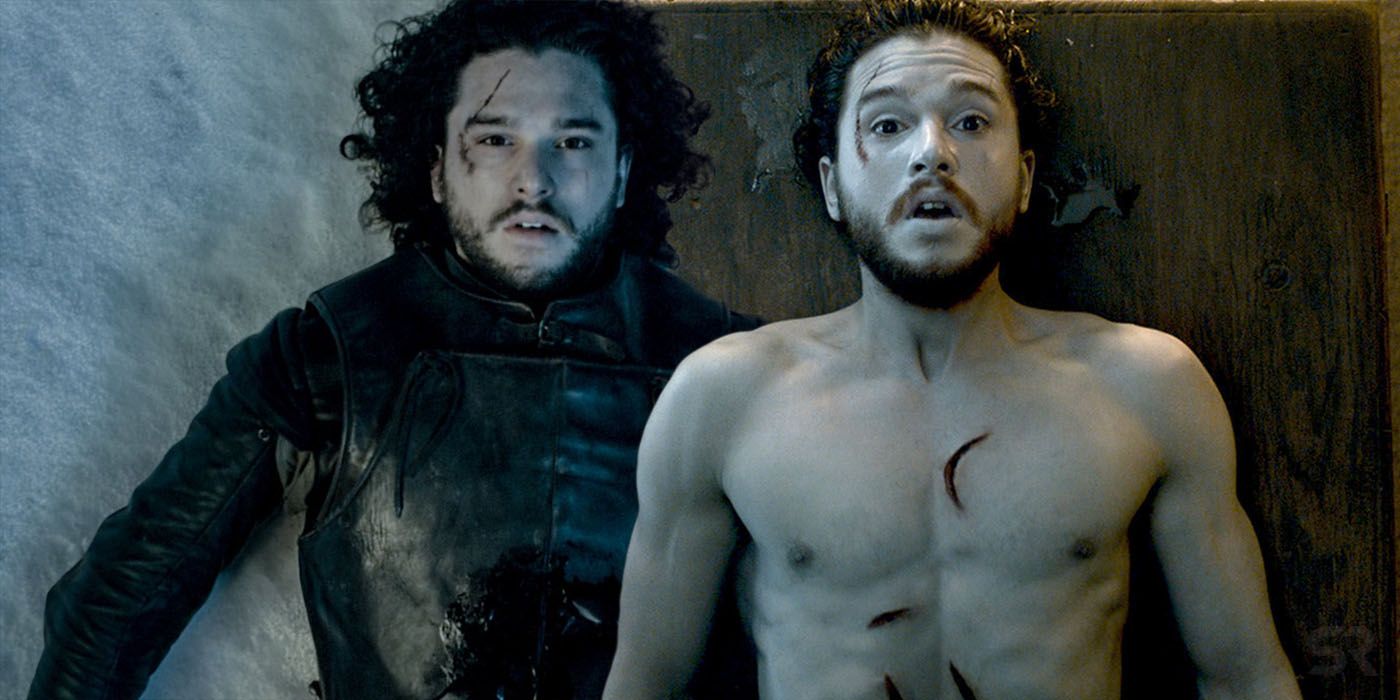
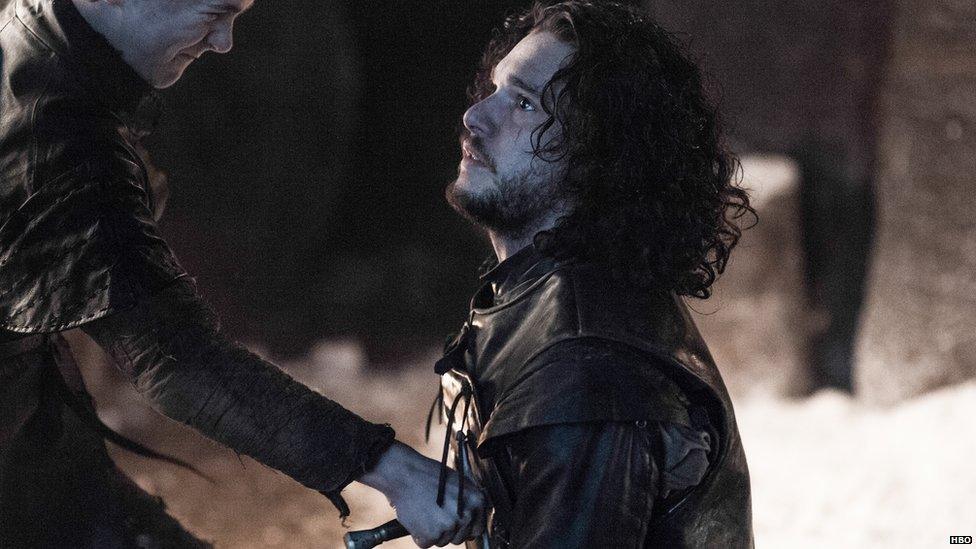
A brand is essentially a promise. The “Jon Snow” brand promised a specific type of moral clarity. In a world of shifting alliances, his character remained consistent to a fault. From a brand management perspective, this consistency built immense equity. By the middle seasons of the show, Jon Snow was no longer just a character; he was a trademarked icon used to sell subscriptions, merchandise, and tourism. His “death” at the end of Season 5 became a global marketing event, demonstrating the sheer power of audience investment in a well-curated brand.
Post-Finale Limbo: Navigating Brand Fatigue and Market Oversaturation
The conclusion of Game of Thrones presented a unique challenge for the HBO brand and the individual legacy of Jon Snow. When a product reaches the end of its lifecycle, the brand must decide between retirement, rebooting, or preservation. The controversial reception of the show’s final season created a “brand crisis” that required careful navigation to ensure the long-term value of the IP remained intact.
The Risks of an Unresolved Narrative Arc
One of the cardinal sins in brand strategy is failing to meet consumer expectations at the point of delivery. For many, Jon Snow’s ending—exiled back to the Night’s Watch—felt like a “brand dilution.” It subverted the “hero’s journey” that had been marketed for a decade. This led to a dip in brand sentiment, as reflected in social media metrics and critical reviews. When the narrative payoff doesn’t match the marketing buildup, the brand’s “Net Promoter Score” (the likelihood of fans recommending the series to others) inevitably suffers.
Managing the “Kit Harington” Personal Brand Beyond Westeros
For the actor Kit Harington, “what happened to Jon Snow” became a question of personal brand management. When an actor is so closely associated with a single role, they face the risk of “typecasting,” which in business terms is the limitation of a brand to a single niche. Harington’s strategic moves post-Snow—including roles in the Marvel Cinematic Universe and West End theater—represent an effort to diversify his personal portfolio. He had to transition from being “the product” (Jon Snow) to being “the creator” or a “versatile talent,” ensuring that his career longevity wasn’t tied solely to the fate of a single fictional asset.
The Cancelled Spin-off: A Strategic Pivot in IP Management
In late 2022, rumors circulated that a sequel series focusing on Jon Snow was in development. However, by 2024, it was confirmed that the project was no longer in active development. This decision provides a fascinating insight into how major studios manage their brand portfolios and when they decide to “kill” a product before it hits the market.
Why the “Snow” Series Was Shelved
In corporate strategy, sometimes the best move is to do nothing. Kit Harington eventually revealed that the creative team couldn’t find a story that was “exciting enough.” From a brand perspective, this is a calculated refusal to release a sub-par product. Had HBO released a Jon Snow sequel that failed to recapture the magic of the original, it could have permanently damaged the value of the entire Game of Thrones franchise. By shelving the project, they preserved the “prestige” status of the brand, opting for quality over immediate commercial gain.
Protecting the Parent Brand from Dilution
The decision to pivot away from a Jon Snow sequel allows HBO to focus on other areas of the “Westeros Universe,” such as House of the Dragon. This is a classic “portfolio diversification” strategy. Instead of over-relying on a single character brand that might be suffering from fatigue, the company is investing in different eras and themes within the same world. This keeps the overarching brand fresh while allowing the “Jon Snow” asset to appreciate in value through nostalgia rather than being degraded by a mediocre continuation.
Lessons for Modern Branding from the Watcher on the Wall
The trajectory of Jon Snow offers several high-level lessons for brand managers, marketers, and creators. Whether you are managing a personal brand or a corporate identity, the “Jon Snow” case study illustrates the delicate balance between growth and preservation.
Emotional Connection vs. Commercial Scalability
The Jon Snow brand succeeded because it cultivated an intense emotional connection with its “consumers” (the fans). However, as the brand scaled, maintaining that emotional depth became harder. The lesson here is that as a brand grows, it must work twice as hard to stay true to its core “why.” If the commercial goals (more seasons, more spin-offs) start to outweigh the core values (storytelling integrity), the audience will eventually disengage.
Longevity: Keeping the Fire Burning Without the Ice
What happened to Jon Snow? Ultimately, he became a “legacy brand.” Like Coca-Cola or Apple, the Jon Snow character has entered a phase where he no longer needs to be actively “sold” to be valuable. His presence is felt in the culture, in memes, and in the “DNA” of the fantasy genre. For any brand, reaching this level of “cultural permeation” is the ultimate goal.
In conclusion, the story of Jon Snow is no longer being written in scripts, but in the annals of brand history. He stands as a reminder that a strong brand identity can survive a divisive conclusion, but only if it is managed with a long-term vision. By knowing when to step back and when to protect the integrity of the IP, the stewards of the Jon Snow brand have ensured that while the character may be gone from our screens for now, his influence remains a permanent fixture in the global marketplace. The “King in the North” may be in exile, but his brand equity remains frozen in time, ready for a potential thaw whenever the market—and the story—is truly ready.
aViewFromTheCave is a participant in the Amazon Services LLC Associates Program, an affiliate advertising program designed to provide a means for sites to earn advertising fees by advertising and linking to Amazon.com. Amazon, the Amazon logo, AmazonSupply, and the AmazonSupply logo are trademarks of Amazon.com, Inc. or its affiliates. As an Amazon Associate we earn affiliate commissions from qualifying purchases.