
Jill Valentine. The name alone conjures images of survival horror, a terrifying mansion, and an unrelenting nemesis. As one of the original protagonists of Capcom’s seminal Resident Evil franchise, Jill carved an indelible mark on gaming culture. But for many fans, her presence in the series has felt increasingly sporadic, leading to the perennial question: “What happened to Jill Valentine?” From a brand perspective, this isn’t merely a query about narrative continuity but a profound examination of how a major intellectual property navigates character development, fan engagement, and strategic relevance within an evolving corporate identity. Jill Valentine isn’t just a character; she’s a valuable brand asset, and her journey reflects the complex decisions behind managing gaming’s most enduring icons.

The Genesis of a Gaming Icon: Establishing Brand Identity
The creation of Jill Valentine was a pivotal moment in establishing the Resident Evil brand. Her initial design and narrative role were instrumental in defining the franchise’s unique blend of horror, action, and character-driven drama. Understanding her origins helps illuminate the foundational brand identity that captivated millions.
Early Design and Role: Crafting a Brand Persona
When Resident Evil first launched in 1996, Jill Valentine was introduced as a member of the elite Special Tactics And Rescue Service (S.T.A.R.S.) Alpha Team. Her initial design — the practical beret, shoulder pads, and tactical uniform — immediately conveyed competence and resilience. Unlike many female characters in gaming at the time, Jill was portrayed not as a damsel in distress but as a capable professional. She was a skilled lock-picker, a bomb disposal expert, and a resourceful survivor, qualities that became intrinsic to her brand persona. Her role in the original game, alongside Chris Redfield, offered players a choice of playstyle and perspective, but Jill’s pathway, with its emphasis on puzzle-solving and limited resources, solidified her as the quintessential Resident Evil experience for many. Her subsequent starring role in Resident Evil 3: Nemesis further cemented her brand, forcing her to confront the ultimate bioweapon, the Nemesis, turning her into an emblem of unyielding defiance against overwhelming odds. These early appearances weren’t just game entries; they were foundational branding exercises, establishing her visual identity, core characteristics, and narrative significance.
Fan Connection and Brand Loyalty: Building Emotional Equity
Jill Valentine quickly transcended her pixels to become a beloved figure in the gaming community. Her relatability, vulnerability mixed with strength, and determination resonated deeply with players. She wasn’t just a hero; she felt like a genuine human being trapped in extraordinary circumstances. This emotional connection translated directly into brand loyalty. Fans didn’t just play Resident Evil; they became invested in Jill’s fate. Her distinct personality, often showcased through her memorable interactions and inner monologues, fostered a sense of empathy and admiration. This robust fan base ensured her continued relevance, even as the franchise expanded its roster of protagonists. From a brand management perspective, Jill Valentine represented significant emotional equity — a character that players cared about, forming a powerful bond that Capcom could leverage for future titles and merchandise. This inherent loyalty is a key indicator of a strong personal brand within a larger corporate identity.
The Nemesis Factor: Reinforcing Brand Stakes
Resident Evil 3: Nemesis was a pivotal chapter in Jill’s brand story. The introduction of Nemesis, a relentless, intelligent bioweapon specifically engineered to hunt down S.T.A.R.S. members, amplified the stakes surrounding Jill. This wasn’t merely a monster; it was her personal tormentor, a constant threat that defined the entire game. This narrative choice dramatically reinforced Jill’s image as a survivor par excellence. The struggle against Nemesis became synonymous with Jill Valentine, further elevating her brand value. It demonstrated her tenacity, resilience, and sheer will to live, making her journey iconic. This unique antagonist-protagonist dynamic not only delivered a thrilling gaming experience but also served as a powerful branding statement, cementing Jill’s place in the pantheon of gaming heroes who faced truly personal horrors.
Navigating the Brand Landscape: Post-Classic Eras
As the Resident Evil franchise evolved, so too did Capcom’s strategy for its beloved characters. The period following the classic fixed-camera entries saw significant shifts in brand direction, impacting Jill Valentine’s visibility and characterization. This phase reveals the challenges of managing established brand assets within a dynamic and expanding universe.
The Shifting Protagonist Focus: Diversifying Brand Appeal
Following the success of the original trilogy, Capcom embarked on a mission to broaden the Resident Evil brand’s appeal, particularly with the groundbreaking Resident Evil 4. This involved introducing new protagonists like Leon S. Kennedy and expanding the roles of characters like Claire Redfield and Ada Wong. This diversification was a strategic move to prevent franchise fatigue and attract new players with fresh perspectives and gameplay styles. While successful in reinvigorating the series, this approach inevitably meant less spotlight for original icons like Jill. Her absence from mainline entries like RE4 and RE6 wasn’t necessarily a demotion but a strategic reallocation of focus. Capcom aimed to demonstrate that the Resident Evil brand was bigger than any single character, capable of thriving with a diverse cast. However, for a brand asset as strong as Jill, extended periods away from the core narrative could lead to concerns about her relevance and future direction.
Resident Evil 5 and the Brand’s Dark Turn: A Controversial Redesign
Jill’s reappearance in Resident Evil 5 marked a significant and, for many, controversial moment in her brand narrative. Initially appearing as a masked antagonist, brainwashed by Albert Wesker, her character underwent a dramatic transformation. Her signature beret and S.T.A.R.S. uniform were replaced with a more revealing outfit, and her agency was temporarily stripped away. This redesign and narrative twist sparked considerable debate among fans. While it offered a dramatic plot point, many felt it undermined Jill’s established brand identity as a strong, independent survivor. Altering such a beloved character in such a profound way presented a considerable brand risk. It highlighted the delicate balance between evolving a character for new narratives and respecting the core essence that endeared them to fans. The backlash demonstrated the strength of the emotional equity Jill possessed and the potential pitfalls of veering too far from an established, cherished brand persona without careful consideration of audience expectations.
Spin-offs and Ancillary Appearances: Maintaining Brand Presence
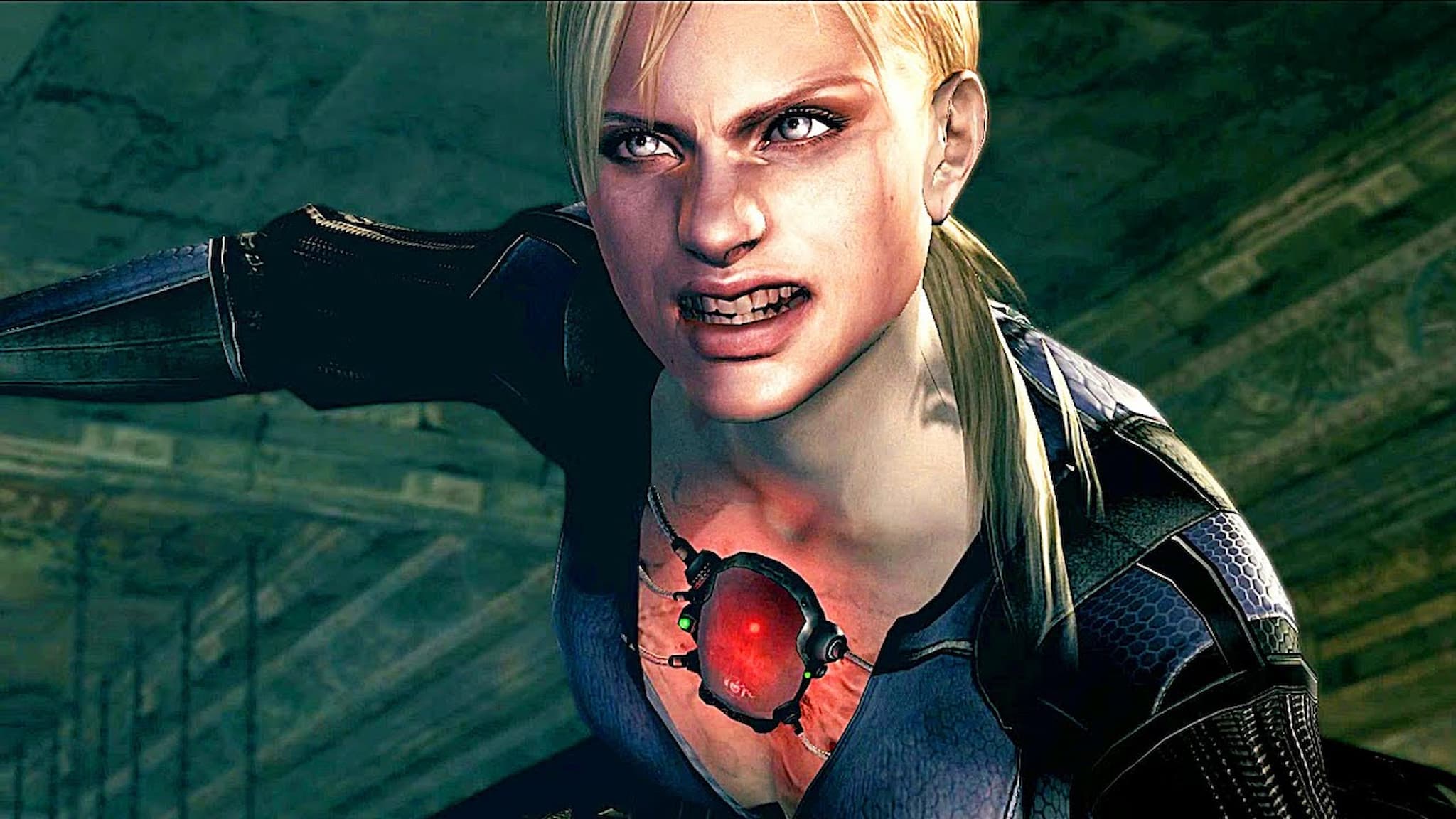
Despite her reduced role in mainline entries, Capcom made efforts to keep Jill Valentine’s brand alive through various spin-off titles and ancillary media. She starred in Resident Evil: Revelations, a return to more classic survival horror, which was generally well-received and offered a more traditional portrayal of her character. She also featured in the Umbrella Chronicles and Darkside Chronicles light-gun games, which retold past events. Beyond the core series, Jill appeared in fighting games like Marvel vs. Capcom, expanding her reach to a different audience segment. These appearances, while not always central to the overarching Resident Evil saga, were crucial for maintaining her brand presence and ensuring she remained in the public consciousness. They allowed Capcom to leverage her iconic status without necessarily shoehorning her into every new mainline narrative, demonstrating a diversified approach to brand asset management.
The Revival and Reimagining: A Brand Re-evaluation
The advent of the Resident Evil remake era provided a golden opportunity for Capcom to revisit, refresh, and re-evaluate the brand identities of its most iconic characters. For Jill Valentine, the Resident Evil 3 Remake was a chance to bring her back to the forefront, catering to both nostalgic fans and a new generation of players.
The Remake Era: A Strategic Recalibration
Capcom’s decision to remake Resident Evil 2 and Resident Evil 3 was a strategic masterstroke in brand management. It offered a chance to update classic narratives with modern graphics and gameplay, effectively extending the lifecycle and relevance of its core intellectual properties. For Jill Valentine, the Resident Evil 3 Remake was particularly significant. It allowed Capcom to reintroduce her to a contemporary audience in a starring role, without the baggage of past narrative complexities that had arguably diluted her brand. This was a direct recalibration of her brand value, signaling to players that she was still a central and vital part of the Resident Evil universe. It was an acknowledgment of her enduring appeal and an investment in her future as a key brand asset.
Modernizing an Icon: Design and Narrative Adjustments
The Resident Evil 3 Remake saw a thoughtful modernization of Jill Valentine’s character design and narrative portrayal. Her iconic tube top and miniskirt were replaced with more practical, tactical attire – a sensible tank top, jeans, and a jacket. This change, while initially debated by some, ultimately aligned her more closely with the contemporary aesthetic of the remakes and reinforced her professional, no-nonsense persona. Narratively, the remake aimed to deepen her character, showcasing her resilience and determination in the face of Raccoon City’s collapse. While some felt the game itself was shorter than ideal, Jill’s portrayal was widely praised for capturing her essence while making her feel more grounded and relatable for a modern audience. These adjustments were crucial for ensuring her brand remained relevant and appealing, demonstrating an understanding of how character branding evolves with cultural expectations.
Fan Reception and Brand Validation
The reception to Jill’s portrayal in the Resident Evil 3 Remake was largely positive, validating Capcom’s efforts to refresh her brand. Fans appreciated the return to a more grounded, capable Jill, free from the constraints of Resident Evil 5‘s controversial plot points. Her updated design was generally accepted as a logical evolution, maintaining her recognizability while enhancing her believability. This positive reception indicated that the core brand identity of Jill Valentine — a strong, resourceful survivor – remained highly valued. It underscored the importance of listening to the audience and carefully curating character development to reinforce, rather than undermine, established brand equity. While the remake itself had mixed reviews regarding content, Jill’s character remained a consistent highlight, reaffirming her status as a beloved icon.
Jill Valentine’s Enduring Brand Legacy and Future Trajectory
Jill Valentine’s journey through the Resident Evil franchise is a masterclass in the complexities of managing iconic brand assets within an evolving multimedia landscape. Her story is far from over, and her enduring legacy speaks volumes about the power of well-crafted character branding.
The Power of Nostalgia and Brand Equity
One of the most powerful elements of Jill Valentine’s brand is the immense nostalgia she evokes. For players who grew up with the original Resident Evil titles, Jill represents a foundational gaming experience. This nostalgia translates directly into significant brand equity – a reservoir of goodwill, recognition, and emotional investment that Capcom can draw upon. Even during periods of absence, the mere mention of her name sparks interest and excitement. This enduring popularity highlights that characters are not just narrative devices but living brands themselves, capable of maintaining relevance and value over decades. Her continued appearance in discussions, fan art, and wish lists is a testament to the strong brand identity forged in her early appearances.
Strategic Character Management in Evolving Franchises
Jill Valentine’s trajectory exemplifies the challenges faced by game brands in balancing legacy with innovation. Franchises like Resident Evil constantly strive for new narratives, gameplay mechanics, and character introductions to keep the series fresh. The strategic management of iconic characters like Jill involves careful decisions about when to feature them, in what capacity, and how to evolve them without alienating long-term fans. Capcom must navigate the desire to push boundaries while respecting the established personas that have built the brand’s foundation. It’s a delicate dance between evolving the brand and staying true to its roots, where each character appearance, or absence, is a strategic choice with brand implications.

What’s Next for Jill? Brand Speculation
The question of “What happened to Jill Valentine?” ultimately morphs into “What will happen to Jill Valentine?” Her re-established presence in the Resident Evil 3 Remake and her brief mention in Resident Evil Village confirms her continued existence within the current canon. The future of the Resident Evil franchise is always a subject of intense speculation, and with it, the potential roles for its iconic characters. Will Jill reclaim a central role in a future mainline title, perhaps alongside Chris Redfield or Leon S. Kennedy, providing a powerful nostalgic anchor for the brand? Or will she continue to appear in more focused, perhaps smaller-scale, narratives that allow her character to shine without dominating a new generation’s story? Capcom has a powerful brand asset in Jill Valentine, and how they choose to leverage her enduring appeal will be a critical part of the Resident Evil brand’s strategic path forward.
In conclusion, “what happened to Jill Valentine” is far more than a simple narrative query. It is a compelling case study in brand management, demonstrating the strategic decisions involved in cultivating, diversifying, and rejuvenating an iconic character within a dynamic franchise. Jill Valentine remains an integral part of the Resident Evil brand, a testament to her foundational impact, enduring appeal, and the strategic foresight required to keep a beloved icon relevant in the ever-evolving world of video games. Her journey underscores the profound truth that in the realm of intellectual property, characters are not just stories; they are brands with lasting power and potential.
aViewFromTheCave is a participant in the Amazon Services LLC Associates Program, an affiliate advertising program designed to provide a means for sites to earn advertising fees by advertising and linking to Amazon.com. Amazon, the Amazon logo, AmazonSupply, and the AmazonSupply logo are trademarks of Amazon.com, Inc. or its affiliates. As an Amazon Associate we earn affiliate commissions from qualifying purchases.