
In the high-stakes ecosystem of the National Football League, a player’s value is dictated by more than just their interceptions or tackle count. It is governed by the strength of their personal brand, their perceived reliability, and their ability to align with the corporate culture of their franchise. When fans and analysts ask “what happened to Jaire Alexander,” they are often referring to the turbulent 2023 season that saw the Green Bay Packers’ star cornerback transition from an untouchable cornerstone to a subject of disciplinary scrutiny. However, from a brand strategy perspective, the story of Jaire Alexander is a masterclass in the complexities of personal branding within a rigid corporate structure.
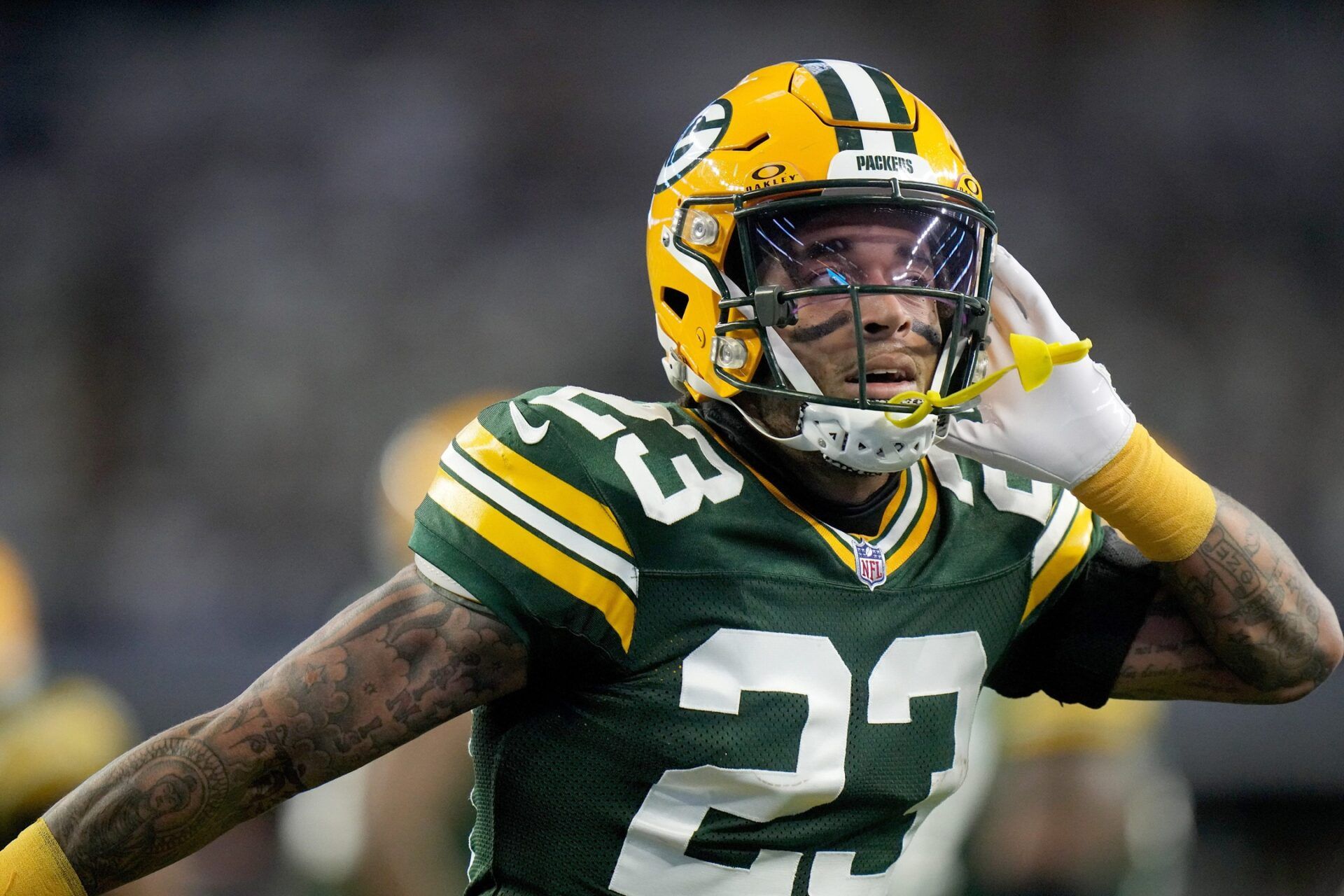
The evolution of Alexander’s career provides a fascinating blueprint for how elite professionals navigate the fine line between individual expression and organizational expectations. To understand what happened, we must look beyond the stat sheet and analyze the shifts in his brand equity, the impact of high-profile “misbranding” incidents, and the strategic recovery required to maintain a top-tier professional identity.
The Evolution of the “Jaire” Personal Brand: From Lockdown Corner to Cultural Icon
Personal branding in professional sports is often a byproduct of performance, but for Jaire Alexander, it was a deliberate construction. From the moment he entered the league, Alexander established a brand centered on “Lockdown Excellence” and “Unapologetic Confidence.” In the world of marketing, this is known as a high-differentiation strategy. While many players opt for the “company man” persona, Alexander leaned into a vibrant, eccentric, and highly vocal identity that made him a favorite among fans and a nightmare for opposing wide receivers.
Building the Foundation: Consistency and Performance
Every successful brand needs a core value proposition. For Alexander, that proposition was elite performance. Between 2018 and 2022, he solidified himself as one of the premier cornerbacks in the NFL. His brand was built on the “island”—the idea that he could neutralize an opponent’s best asset single-handedly. This reliability created immense brand equity. When a professional delivers consistent, high-level results, the organization (in this case, the Green Bay Packers) is more likely to grant that individual “brand autonomy,” allowing for more personal flair and deviation from standard corporate norms.
The “Ja Money” Persona: Lean-In Marketing
As his on-field success grew, so did the “Ja Money” persona. Alexander utilized unique fashion choices, idiosyncratic post-game interviews, and a signature charisma to build a brand that transcended the Green Bay market. This is a crucial phase in personal branding: the transition from a “service provider” to a “personality.” By creating a distinct voice, Alexander ensured that his value was not just tied to his physical output, but to the “vibe” and energy he brought to the stadium. In brand terms, he was no longer just a commodity; he was a premium asset with high emotional resonance.
The Point of Friction: When Individual Brand Conflicts with Corporate Identity
The question of “what happened” to Jaire Alexander reached a fever pitch during the 2023 season. In professional branding, friction occurs when an individual’s actions cease to support the goals of the larger organization. For Alexander, a combination of lingering injuries and a perceived “rogue” mentality led to a temporary devaluing of his personal brand within the Packers organization.
The Suspension Incident: A Breakdown in Team Branding
The most significant “branding crisis” occurred during the Week 16 matchup against the Carolina Panthers. Alexander, who was not a designated captain for that game, walked out for the coin toss and nearly made a procedural error that could have cost the team a possession. While it appeared to be a simple misunderstanding to a casual observer, the organization viewed it as a breach of “Corporate Identity.”
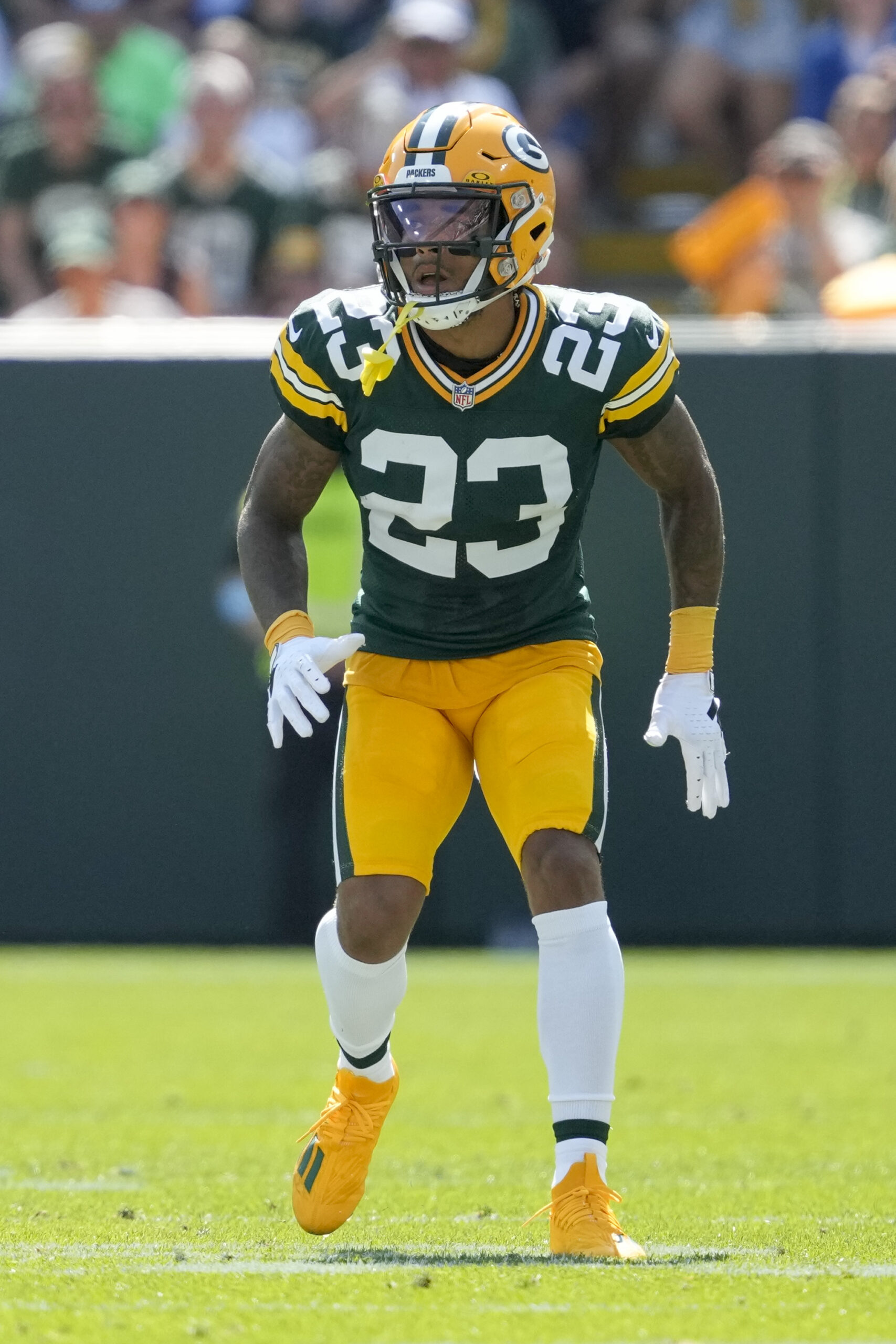
The Packers’ brand is built on tradition, discipline, and a “team-first” mentality. By inserting himself into a leadership role he wasn’t assigned, Alexander’s personal brand shifted from “confident leader” to “distraction” in the eyes of the decision-makers. The resulting one-game suspension was a formal “rebranding” effort by the team—a way to signal that the corporate brand remains superior to the individual brand, regardless of the individual’s talent.
High-Stakes Communication and Public Perception
In any brand crisis, communication is key. Following the suspension, the narrative surrounding Alexander became polarized. Some viewed him as an misunderstood genius of the game, while others saw him as a liability. This is the danger of a highly differentiated brand: when things go wrong, the very traits that made you a star (eccentricity, confidence, independence) are the first things critics use to tear you down. What happened to Jaire Alexander during this period was a classic case of “brand overextension,” where the individual’s desire for autonomy outpaced the organization’s tolerance for risk.
Managing a Brand Crisis: Lessons in Resilience and Redefinition
The aftermath of the 2023 season required a strategic pivot. For Alexander to maintain his status as a $21-million-per-year asset, he had to engage in “Brand Rehabilitation.” This process involves acknowledging the friction, realigning with the organization’s goals, and proving that the core value proposition (elite performance) is still intact.
Rebuilding Trust with Stakeholders
In professional sports, the primary stakeholders are the coaching staff, the front office, and the locker room. Reports following the suspension suggested that Alexander engaged in meaningful conversations with Head Coach Matt LaFleur and General Manager Brian Gutekunst. This is the “internal marketing” phase of brand recovery. Before a brand can be sold to the public again, it must be validated internally. By demonstrating a renewed commitment to the team’s structural hierarchy, Alexander effectively mitigated the “distraction” label and began the process of reintegration.
The Importance of Authentic Alignment
A common mistake in brand management is attempting to become something you are not in response to a crisis. If Alexander had suddenly become a quiet, reserved player who never spoke to the media, his brand would have lost its authenticity—and by extension, its value. Instead, the “new” Jaire Alexander brand appears to be a more “Mature Maverick.” He has retained his signature personality but channeled it more effectively toward team objectives. This authentic alignment allows him to remain true to his personal brand while still providing the ROI (Return on Investment) the Packers require.
The Future of Jaire Alexander as a Global Sport Brand
Looking forward, what happened to Jaire Alexander serves as a turning point rather than an ending. In the world of personal branding, a crisis can often be the catalyst for a more robust and resilient identity. As Alexander enters the next phase of his career, his brand is being positioned for longevity beyond his playing years.
Marketability Beyond the Turf
The “Jaire Alexander” brand has significant potential in the realms of lifestyle, fashion, and media. His ability to command attention and spark conversation makes him an ideal candidate for brand partnerships that value “disruptors.” As he continues to perform at an elite level, his 2023 “rebellion” may eventually be rebranded as a moment of “growth,” adding a layer of depth to his narrative that “perfect” players lack. Consumers—and fans—often gravitate toward figures who have faced adversity and emerged with their personality intact.
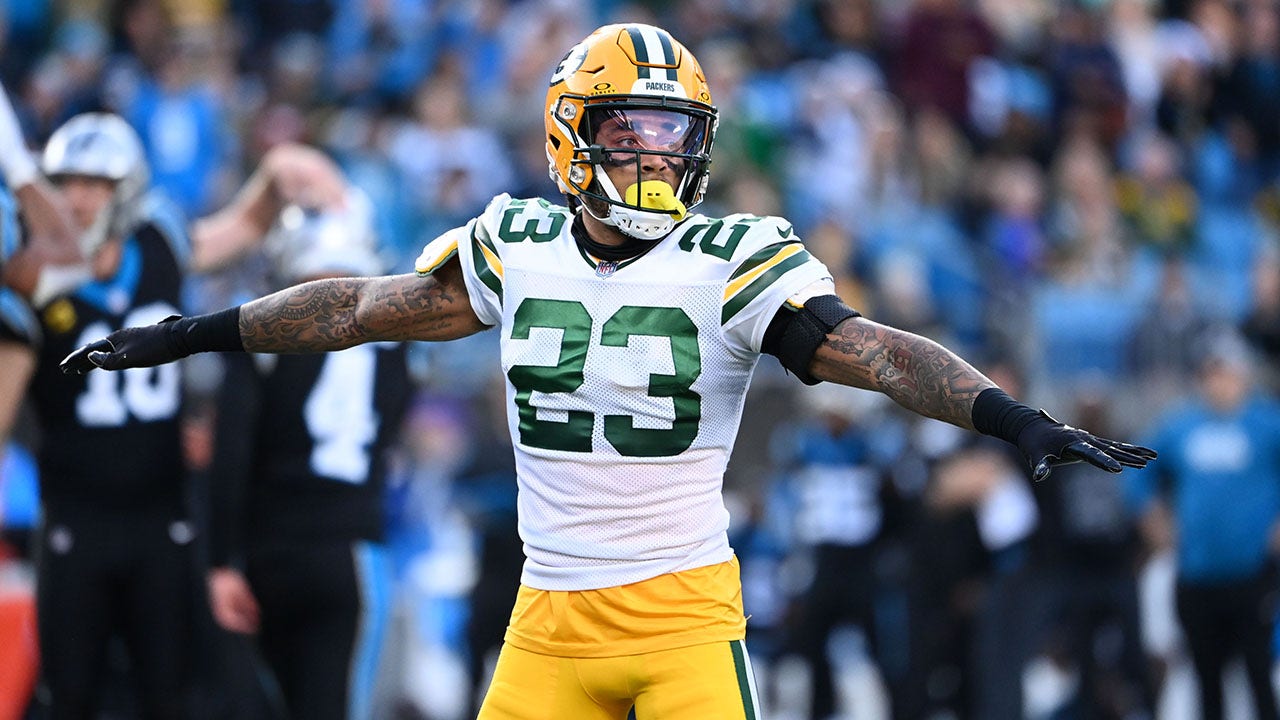
Strategic Pivots in Personal Branding
The lesson for any professional—whether in sports, tech, or finance—is that your brand is a living document. It must adapt to the environment while staying rooted in excellence. Jaire Alexander’s trajectory shows that even the most talented individuals must navigate the “Politics of Presence.” By balancing his “Ja Money” persona with a renewed focus on his “Lockdown Corner” duties, Alexander is securing his legacy as both an athlete and a brand icon.
In conclusion, “what happened” to Jaire Alexander was not a decline, but a recalibration. He navigated a period where his individual brand clashed with a legacy corporate identity, endured the necessary disciplinary corrections, and emerged with a more nuanced understanding of his role within a larger system. For those studying personal branding and brand strategy, Alexander remains one of the most compelling figures in modern sports—a reminder that in the professional world, you are not just what you do, but how you manage the story of who you are.
aViewFromTheCave is a participant in the Amazon Services LLC Associates Program, an affiliate advertising program designed to provide a means for sites to earn advertising fees by advertising and linking to Amazon.com. Amazon, the Amazon logo, AmazonSupply, and the AmazonSupply logo are trademarks of Amazon.com, Inc. or its affiliates. As an Amazon Associate we earn affiliate commissions from qualifying purchases.