
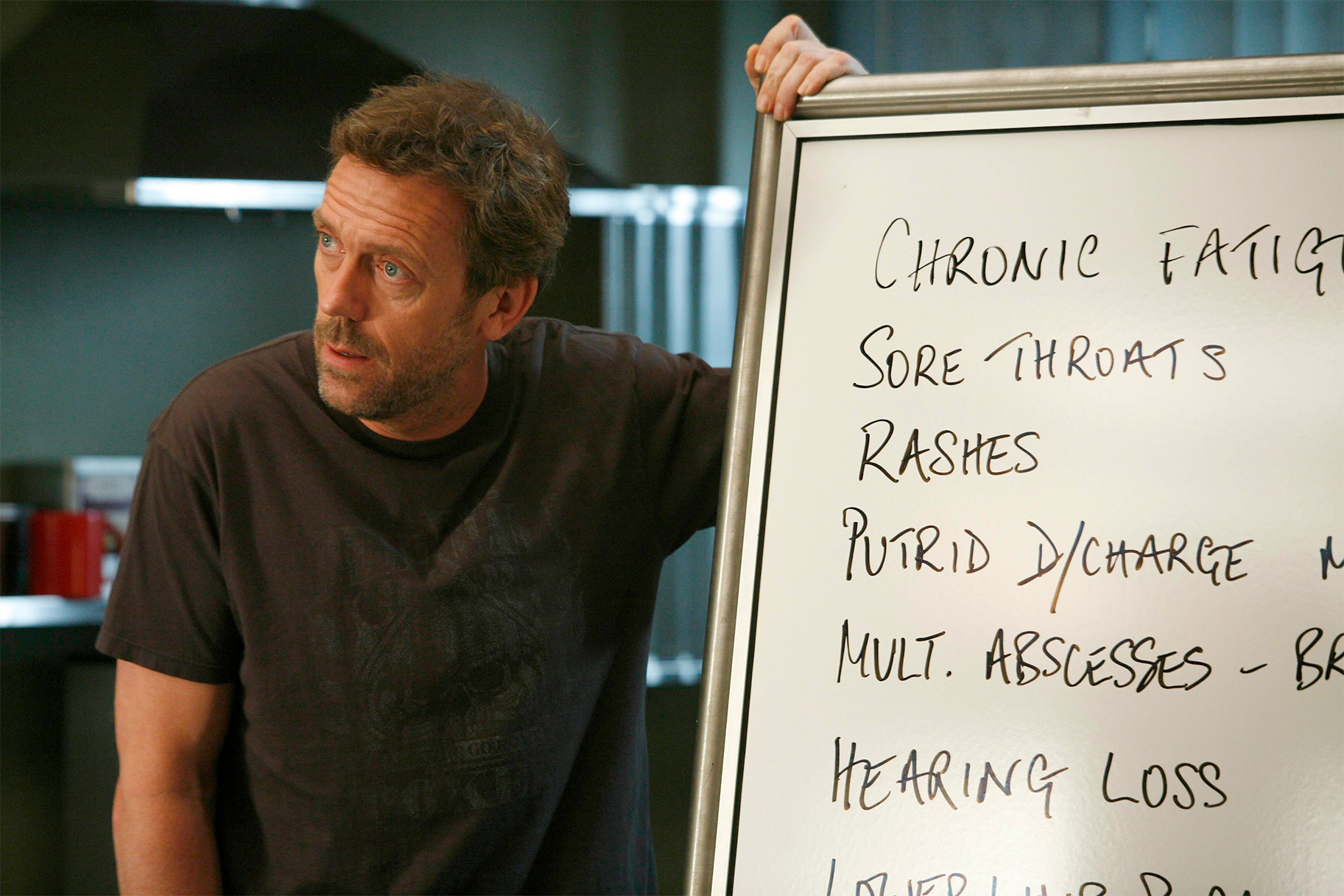
The series finale of the medical drama House M.D. concludes with a dramatic, albeit legally precarious, resolution. Dr. Gregory House, facing a return to prison and the imminent death of his only friend, Dr. James Wilson, chooses to fake his own death. The final scenes show the duo riding motorcycles into the sunset, with House effectively choosing a life “off the grid” to spend Wilson’s remaining five months by his side. While narratively satisfying, this scenario presents a labyrinth of financial, legal, and estate-related consequences. From a wealth management and personal finance perspective, the “death” of Gregory House and the subsequent passing of James Wilson would trigger a series of events that would leave House in a state of extreme financial vulnerability.

The Immediate Financial Implosion of a Faked Death
In the eyes of the law and the banking system, the moment Gregory House is declared dead following the warehouse fire, his legal personhood ceases to exist. This has immediate and irreversible effects on his personal finances.
The Freezing of Assets and Probate
Upon the issuance of a death certificate, House’s bank accounts, investment portfolios, and retirement funds (likely a 401(k) or 403(b) from Princeton-Plainsboro Teaching Hospital) would be frozen. Since House was notoriously reckless with his personal life, it is unlikely he had a complex trust structure in place that would allow for the seamless transition of funds to a third party without court intervention.
In the absence of a spouse or children, his estate would enter probate. Creditors—ranging from mortgage lenders to utility companies and perhaps the hospital itself for previous legal settlements—would have the first claim on his liquid assets. For a man living in a rent-controlled or high-end apartment in New Jersey, the liquidation of his personal property (his piano, his rare books, and his medical equipment) would be handled by a court-appointed executor. For the “living” House, this means he has effectively forfeited every dollar he ever earned.
The Specter of Life Insurance Fraud
A significant variable is whether House carried a life insurance policy. As a high-earning physician, it is standard practice to have significant coverage. If a policy existed, the “death” of House would trigger a payout to his designated beneficiaries—likely his mother or Wilson.
However, faking a death to trigger an insurance payout constitutes major felony fraud. If House intended to use insurance money to fund his and Wilson’s final road trip, he would be committing a crime that federal investigators (and private insurance adjusters) are highly adept at uncovering. The moment the “beneficiary” receives the funds, the clock starts ticking. If House were ever discovered, the legal ramifications would include not just the original prison sentence he fled, but new charges of wire fraud and grand larceny.
The Estate of Dr. James Wilson: A Final Gift?
The most pressing financial question after the five-month window provided by the finale is what happens when Wilson actually dies. As the Head of Oncology, Wilson likely had a substantial net worth, including a high-tier salary, investments, and life insurance.
Inheritance and the “Dead” Beneficiary
If Wilson intended to leave his estate to House, he would have faced a massive legal hurdle. You cannot legally leave money to a person who is officially dead. If Wilson’s will named Gregory House as his primary beneficiary, the inheritance would fail. The assets would then pass to contingent beneficiaries or, if none existed, follow the laws of intestate succession (likely going to Wilson’s surviving family members, such as his brother).
For House to receive any of Wilson’s money, Wilson would have had to liquidate his assets while still alive and give House physical cash. This “under-the-table” transfer of wealth is the only way House could sustain himself. However, withdrawing hundreds of thousands of dollars in cash triggers Bank Secrecy Act filings (CTR) and Suspicious Activity Reports (SARs) by financial institutions. Wilson would have been under intense scrutiny by the IRS and the DEA during his final months if he attempted to move large sums of cash to fund House’s shadow existence.

Medical Debt and Estate Liens
Wilson’s own medical care for stage II thymoma would have been incredibly expensive. Even with top-tier physician health insurance, the out-of-pocket costs and experimental treatments could create significant debt. Before any inheritance could be passed to a “friend” or “ghost,” the estate must settle all medical bills and taxes. If Wilson died with significant medical debt, the “House fund” would be significantly diminished before it ever left the estate.
Living Off the Grid: The Economics of Anonymity
Once Wilson passes away, House is left alone with no legal identity and only whatever cash he managed to squirrel away. This is where the reality of modern finance makes House’s survival nearly impossible.
The Cost of a New Identity
To function in a modern economy, House would need a “clean” identity—a Social Security number, a driver’s license, and a credit history. In the world of high-stakes financial security, obtaining a high-quality “new” identity is exponentially more expensive and difficult than it was decades ago. House would be forced to deal with the black market, where the risk of being defrauded is high. Without a digital footprint, he cannot rent an apartment, buy a vehicle, or receive medical treatment for his own chronic leg pain—a condition that requires expensive, regulated medication.
The Vicodin Problem: A Financial and Legal Drain
House’s addiction to Vicodin is not just a medical issue; it is a financial one. As a dead man, he has no DEA registration and no ability to write prescriptions. He would be forced to purchase opioids on the black market. The “street price” of pharmaceutical-grade opioids is significantly higher than a pharmacy co-pay. Furthermore, the volatility of the illicit market means he would be spending his dwindling cash reserves at an accelerated rate, all while risking arrest every time he sought a refill.
Liquidating the Past
The motorcycles they rode off on were presumably purchased with Wilson’s money or were assets House managed to keep before the fire. However, assets like vehicles require registration and insurance. Driving an unregistered vehicle is an invitation for a police encounter, which would lead to fingerprinting and the immediate discovery that the “deceased” Dr. House is very much alive.
Long-Term Liability and the Statute of Limitations
The financial and legal world does not simply “forget” a high-profile individual. If House survived the initial years following Wilson’s death, he would still be pursued by the ghosts of his financial past.
Forensic Accounting and the IRS
The IRS does not stop pursuing taxes owed just because a person is declared dead; they go after the estate. If the fire that supposedly killed House was investigated as arson (which it likely would be, given the circumstances), and if forensic evidence failed to conclusively prove House was the body found, the case would remain open. Forensic accountants would look for “leakage” in the accounts of those close to him. Any unusual financial activity in Wilson’s accounts would be a red flag.
The Risk of Discovery in a Digital Age
In an era of facial recognition and interconnected digital databases, a man with House’s unique gait and distinctive features would find it nearly impossible to remain anonymous. From a brand and identity perspective, Gregory House is a “high-visibility” asset. Any attempt to practice medicine—his only real way to generate income—would lead to an immediate match in the National Practitioner Data Bank (NPDB).
Conclusion: The Financial Dead End
While the ending of House M.D. offers a poetic look at friendship and sacrifice, the financial reality of “what happened after Wilson died” is a grim tale of poverty and legal evasion. Without Wilson’s income and legal standing to act as a shield, House would be a man without a country, without a bank account, and without a future.
The transition from a high-earning diagnostic genius to a fugitive living off a dwindling pile of Wilson’s cash is a lesson in the permanence of the modern financial footprint. In the end, Gregory House didn’t just kill his career in that warehouse fire; he killed his ability to exist in a world that requires a credit score and a tax ID number to survive. The “sunset” he rode into was likely followed by a very cold, very expensive, and very lonely financial night.
aViewFromTheCave is a participant in the Amazon Services LLC Associates Program, an affiliate advertising program designed to provide a means for sites to earn advertising fees by advertising and linking to Amazon.com. Amazon, the Amazon logo, AmazonSupply, and the AmazonSupply logo are trademarks of Amazon.com, Inc. or its affiliates. As an Amazon Associate we earn affiliate commissions from qualifying purchases.