
The Architect of His Own Brand: Ambition and Image Building
The story of Herod the Great is, in essence, a masterclass in personal and dynastic branding, albeit one with a complex and often contradictory legacy. Ascending to power in a volatile geopolitical landscape, Herod understood intrinsically the critical role of perception, identity, and strategic communication in establishing and maintaining authority. His entire reign can be viewed as an elaborate, multi-faceted branding campaign designed to legitimize his rule, consolidate power, and project an image of unparalleled strength and cultural sophistication.
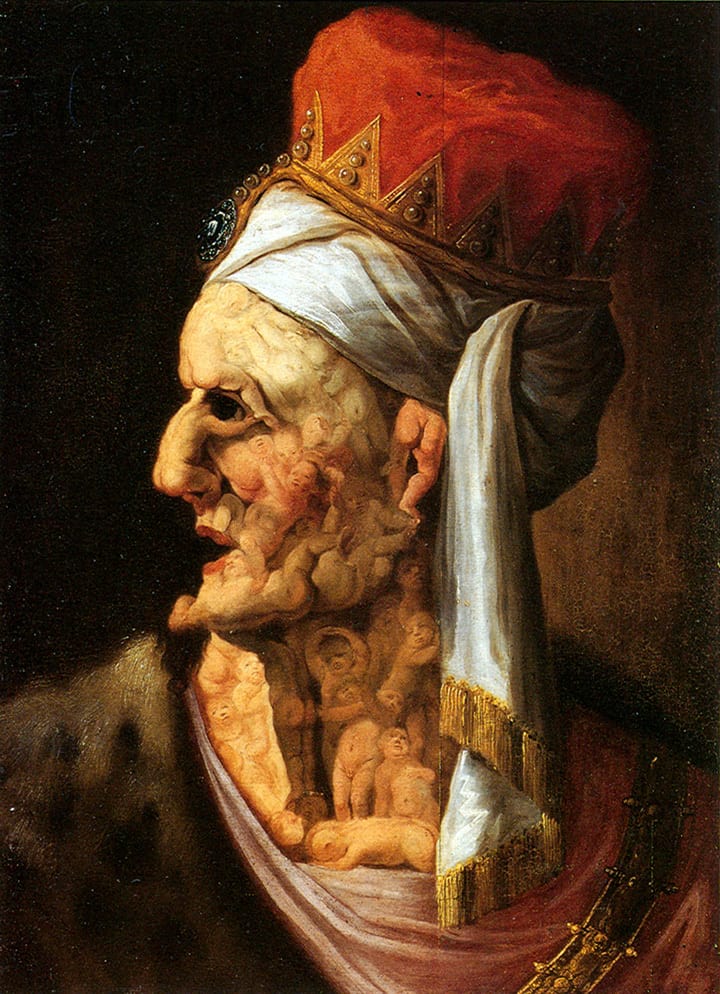
Forging a Royal Persona in a Shifting Political Landscape
Herod’s initial challenge was a significant brand deficit. As an Idumaean, he lacked the direct lineage and traditional legitimacy desired by many of his Jewish subjects. His ascent was largely dependent on Roman patronage, a relationship he carefully cultivated and leveraged as a core component of his personal brand. He branded himself as “King of the Jews” through Roman decree, a title he then vigorously sought to substantiate through his actions and monuments.
His ambitious building projects were not mere infrastructure; they were colossal brand statements. The rebuilding and expansion of the Second Temple in Jerusalem was a monumental undertaking that projected piety, wealth, and respect for Jewish tradition, despite his Hellenistic leanings. This project aimed to associate his name directly with the spiritual heart of Judea, elevating his personal brand to divine proportions in the public consciousness. Similarly, the construction of the port city of Caesarea Maritima, with its Roman-style amphitheaters, hippodromes, and temples dedicated to Augustus, served to brand Judea as a progressive, Hellenized kingdom firmly within the Roman orbit. These architectural marvels were designed to impress both local populations and foreign dignitaries, solidifying his image as a powerful, visionary ruler capable of grand achievements. They were physical manifestations of his desired brand identity: sophisticated, powerful, and divinely sanctioned.
Furthermore, his strategic alliances and marriages were calculated moves in reputation management. By aligning with influential Roman figures and various local elites, he wove a web of political and social connections that bolstered his standing and presented an image of a well-connected, politically savvy leader. Each alliance reinforced his legitimacy, adding credibility to his royal persona and expanding the reach of his dynastic brand.
The Branding Paradox: Splendor, Ruthlessness, and Public Perception
Herod’s brand was inherently paradoxical, characterized by a stark contrast between external grandeur and internal brutality. This duality created a complex public perception that ultimately defined his legacy. His reign serves as a powerful illustration of how even the most meticulously crafted brand can be undermined by internal inconsistencies and ethical failings.
The Grandeur and the Grudge: How Actions Shaped His Brand
On one hand, Herod positioned himself as “Herod the Great,” a title he earned through architectural prowess, administrative efficiency, and his ability to maintain relative peace and prosperity within his realm. He presented himself as a protector of the Jewish people, intervening in times of famine and defending their interests against external threats. These actions contributed to a positive brand image among segments of the population and certainly in the eyes of his Roman patrons.
However, this carefully constructed image was severely damaged by his well-documented ruthlessness and paranoia. His reign was marred by purges within his own family, including the execution of his wife Mariamne and several of his sons, driven by an obsessive fear of rivals and conspirators. The biblical account of the “Massacre of the Innocents” in Bethlehem, while historically debated, became a potent symbol of his tyrannical tendencies, deeply embedding a narrative of cruelty into his public brand. These acts of extreme violence and personal vindictiveness created a significant internal brand conflict, making it difficult for his subjects to reconcile the magnificent builder with the brutal despot. The fear he instilled, while perhaps effective in maintaining control, fundamentally eroded trust and loyalty, essential components of a robust and enduring brand.
Navigating Multiple Audiences: Romans, Jews, and the Hellenistic World
A key challenge for Herod’s branding strategy was the need to appeal to multiple, often conflicting, audiences. He had to maintain the unwavering favor of Rome, which meant adopting Roman customs, building temples to Augustus, and ensuring a stable, revenue-generating province. This positioned him as a loyal client king, strengthening his brand within the Roman political sphere.
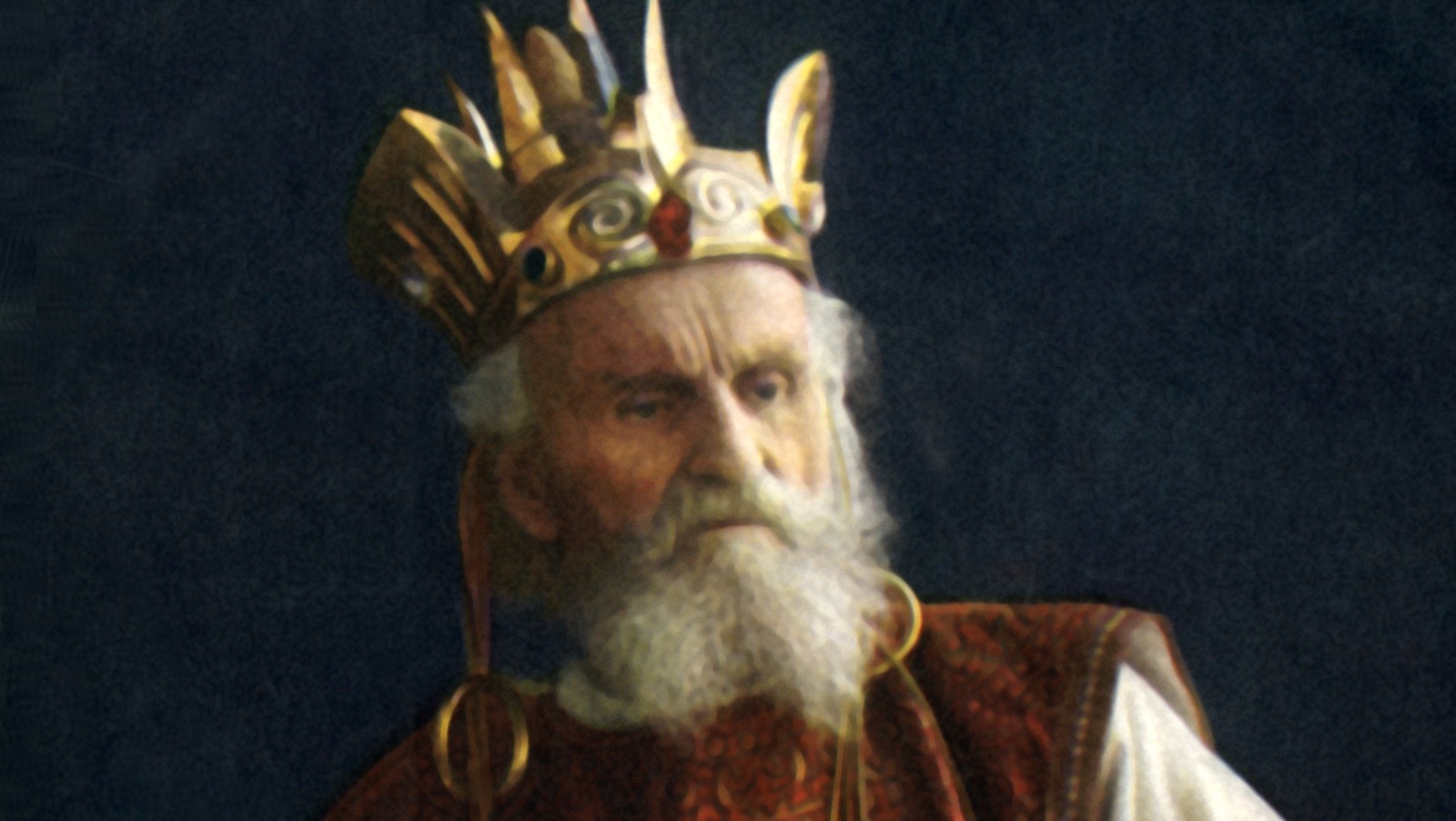
Simultaneously, he needed to govern a predominantly Jewish population, many of whom were deeply religious and resistant to Hellenistic and Roman influences. To them, he projected an image of a devout Jew, rebuilding the Temple and respecting Jewish law (at least outwardly). Yet, his Hellenistic tastes and Roman allegiances often clashed with Jewish sensibilities, leading to widespread distrust and resentment. Finally, he also sought to integrate Judea into the broader Hellenistic world, adopting Greek culture, language, and urban planning. This attempt to be all things to all people resulted in a fragmented and sometimes contradictory brand identity. While he successfully navigated these diverse expectations for a time, the inherent tensions meant his brand was perpetually under strain, unable to fully resonate with any single audience without alienating another. This strategic marketing challenge highlights the difficulty of creating a unified brand message when the core values and expectations of the target demographics are fundamentally divergent.
The Posthumous Brand: Legacy and Enduring Narratives
The ultimate test of any brand is its longevity and how it is remembered and interpreted by future generations. For Herod, his posthumous brand became a battleground of historical and religious narratives, solidifying a complex and often polarizing image that persists to this day.
The Fragmentation of the ‘Herodian Brand’ and Its Aftermath
Upon Herod’s death, his kingdom was divided among his three surviving sons: Archelaus, Antipas, and Philip. This division effectively fragmented the centralized ‘corporate identity’ of the Herodian kingdom that Herod had so meticulously constructed. The political and territorial unity he had championed disintegrated, leading to a rapid decline in the “Herodian brand equity.” Each son attempted to establish his own distinct brand of leadership, often with mixed success and further eroding the strong, singular image their father had projected. The subsequent Roman administration, which absorbed parts of Judea directly, further diminished the dynastic brand’s direct political relevance. What remained was a historical memory, shaped by the contrasting perceptions cultivated during his reign and amplified by the narratives that followed.
From History to Legend: Shaping the Modern Perception of Herod
Herod’s enduring brand image was largely cemented by the writings of contemporaneous and later historians and religious texts. Flavius Josephus, a Jewish historian writing in the late 1st century CE, provided the most comprehensive historical account of Herod’s life. Josephus presented a nuanced, though critical, portrayal, acknowledging Herod’s administrative and architectural genius while also detailing his cruelty and paranoia. This foundational historical record formed the basis for much of his secular posthumous brand.
However, it was the New Testament, particularly the Gospel of Matthew’s account of the Massacre of the Innocents, that perhaps had the most profound and lasting impact on Herod’s brand. This narrative, regardless of its historicity, transformed Herod into an archetype of ruthless tyranny, intertwining his name irrevocably with infamy in Christian tradition. His name became synonymous with oppressive power and murderous jealousy. This religious narrative overshadowed many of his architectural achievements and administrative successes, solidifying a popular brand identity that emphasized his dark side. Thus, the “Herod the Great” of historical grandeur often competes with the “Herod the Evil King” of religious legend, creating a dichotomous brand persona that continues to fascinate and confound scholars and the public alike. His name has transcended historical figure to become a potent cultural symbol, a testament to the lasting power of narrative in brand shaping.
Lessons in Leadership Branding from Herod’s Reign
Herod’s tumultuous reign offers invaluable insights into the complexities of leadership branding, revealing that while grand visions and strategic communication are vital, authenticity, ethical conduct, and genuine public trust are ultimately non-negotiable for an enduring positive brand.
The Perils of Uncontrolled Narrative: When Deeds Outweigh Spin
Herod was a master of self-promotion and image projection. His monumental constructions, his strategic alliances, and his efforts to present himself as a legitimate, powerful, and pious ruler were all highly effective brand-building exercises. However, his personal conduct—his paranoia, his violence, and his willingness to eliminate rivals, even within his own family—ultimately created a powerful counter-narrative that he could not control. Despite his immense efforts to shape public perception through grand gestures, the brutal realities of his reign seeped into the collective consciousness, particularly through the accounts of those who chronicled his deeds. This illustrates a fundamental principle of branding: while strategic communication is crucial, it can only ever partially mask reality. Ultimately, actions speak louder than words, or in Herod’s case, louder than stone monuments. The long-term brand equity of a leader is inextricably linked to their perceived character and ethical behavior, not just their achievements.

Enduring Power of Vision vs. Destructive Power of Paranoia
Herod’s reign demonstrates the double-edged sword of a powerful vision coupled with debilitating personal flaws. His architectural and administrative vision created a lasting physical brand for Judea—the Temple Mount, Masada, and Caesarea stand as testaments to his ambition and organizational skill. These tangible achievements contribute to his image as a truly “Great” builder. This aspect of his brand speaks to the power of a clear, compelling vision in shaping a lasting legacy.
However, his pervasive paranoia and ruthless streak proved to be the destructive force that undermined his human brand. The fear and resentment he fostered, the blood he shed, and the instability his personal insecurities caused, ultimately eroded any positive sentiment he might have garnered. This highlights that while a strong vision can build monumental structures, it is ethical leadership and the cultivation of trust that build enduring human brands. For any leader, whether in business or politics, the story of Herod serves as a cautionary tale: true greatness in branding lies not just in what you build, but in how you build it, and the moral foundations upon which your legacy rests. Authenticity, compassion, and a commitment to justice, rather than fear, are the cornerstones of a truly sustainable and positive brand identity.
aViewFromTheCave is a participant in the Amazon Services LLC Associates Program, an affiliate advertising program designed to provide a means for sites to earn advertising fees by advertising and linking to Amazon.com. Amazon, the Amazon logo, AmazonSupply, and the AmazonSupply logo are trademarks of Amazon.com, Inc. or its affiliates. As an Amazon Associate we earn affiliate commissions from qualifying purchases.