
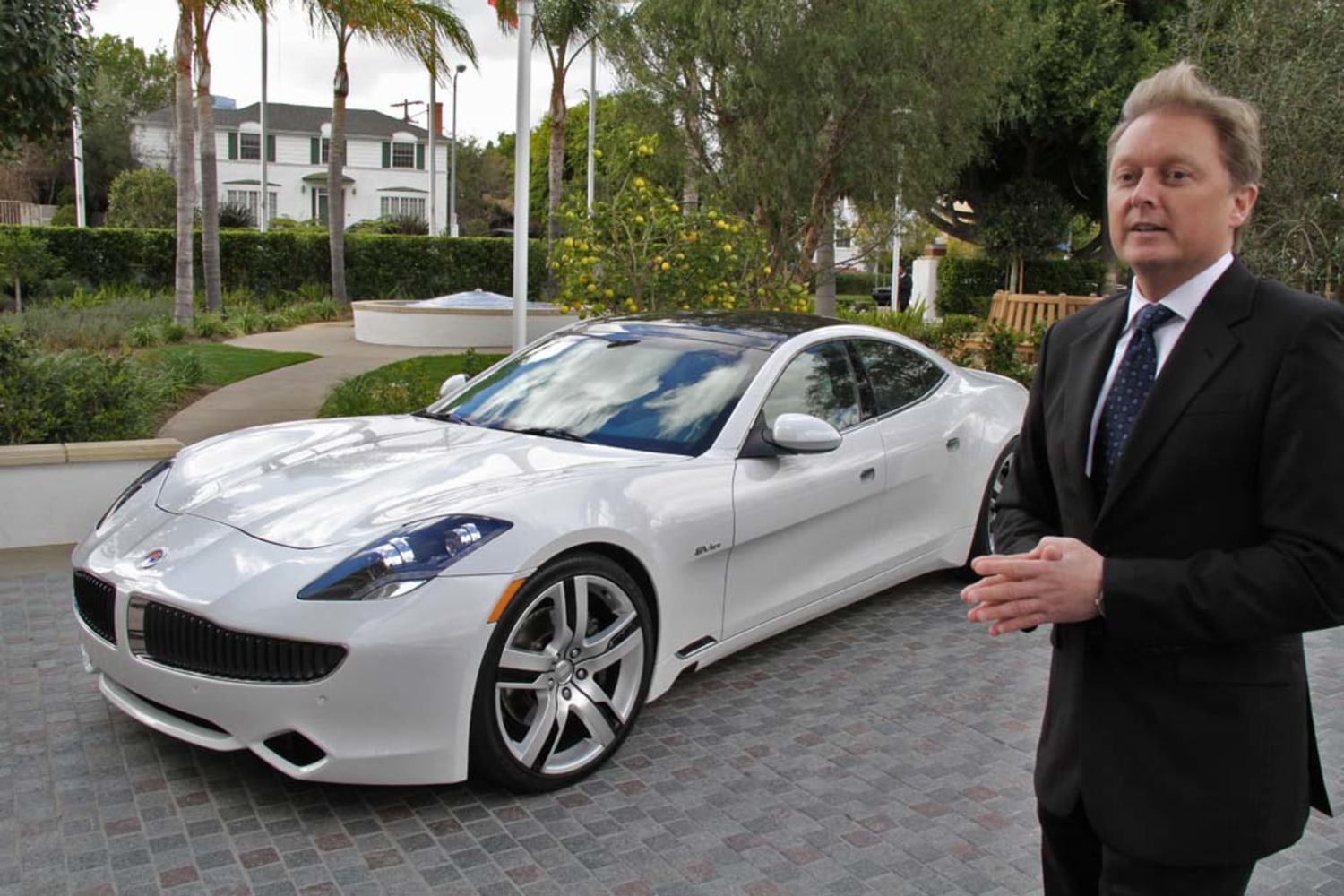
The automotive industry is a notoriously challenging arena, marked by high capital requirements, intense competition, and rapidly evolving consumer preferences. For electric vehicle (EV) startups, these hurdles are amplified. Fisker Inc., a company founded by automotive designer Henrik Fisker, has embodied this struggle. Once heralded as a potential disruptor in the EV space, the company has faced a tumultuous journey, marked by ambitious promises, production woes, and significant financial distress. Understanding “what happened to Fisker” requires a deep dive into its strategic decisions, operational execution, and the broader market forces that have shaped its trajectory.
The Ambitious Vision and Initial Setbacks
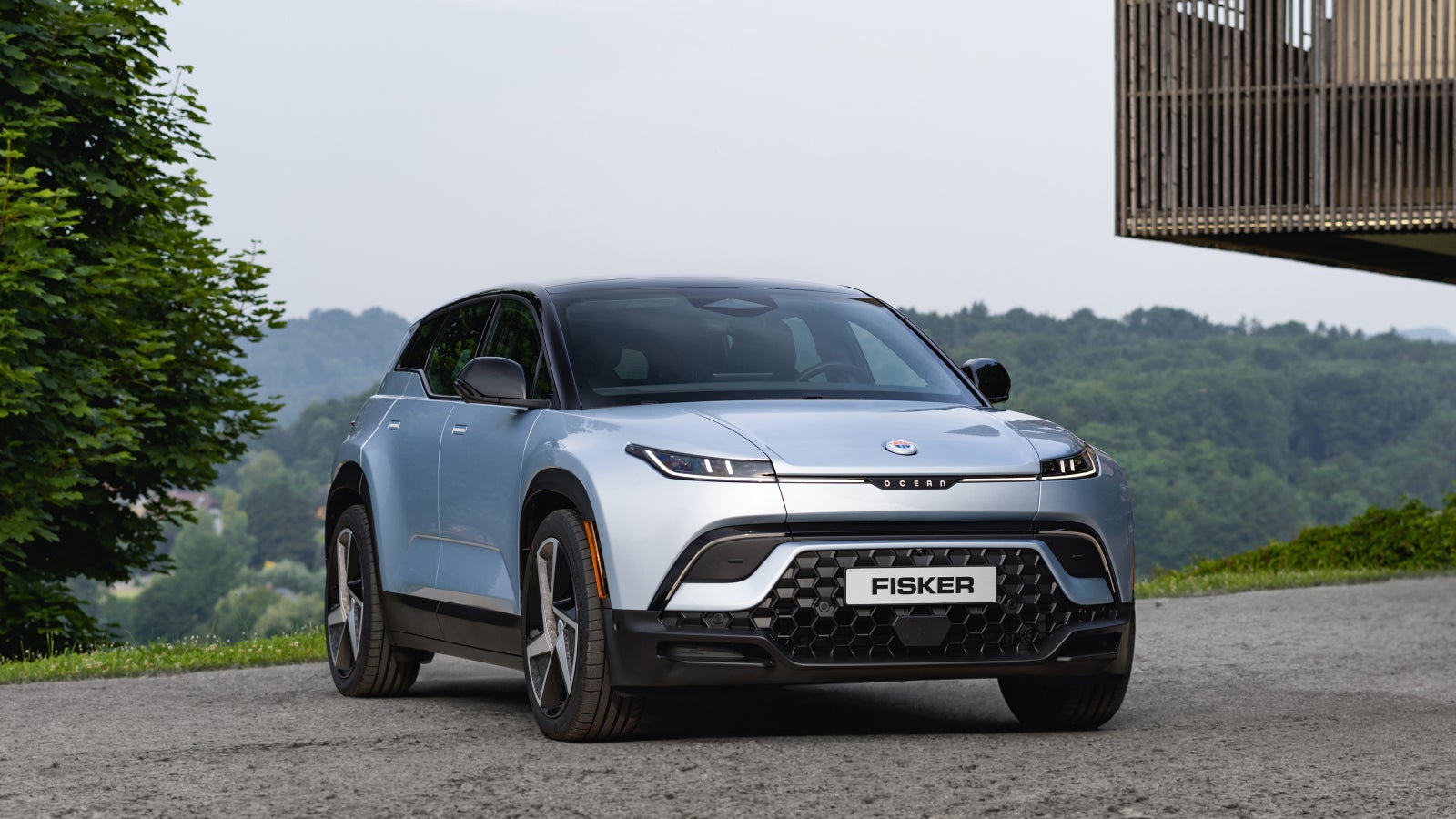
Fisker Inc. was established with a clear objective: to offer uniquely designed, premium electric vehicles that stood apart from the nascent competition. The company’s flagship model, the Ocean SUV, was envisioned as a stylish, sustainable, and technologically advanced option. However, from its inception, Fisker grappled with bringing its ambitious plans to fruition.
Design as a Differentiator
Henrik Fisker’s reputation as a designer, known for his work on iconic cars like the BMW Z8 and Aston Martin DB9, was central to the Fisker brand. The Fisker Ocean was designed to leverage this strength, featuring a distinctive aesthetic that aimed to capture the attention of affluent and environmentally conscious consumers. The exterior showcased flowing lines and a sleek silhouette, while the interior promised a minimalist yet luxurious environment, replete with sustainable materials. This emphasis on design was a core tenet of Fisker’s brand strategy, aiming to create emotional appeal and a sense of exclusivity.
Production Challenges and Delays
Despite the compelling design, the path to mass production proved to be a significant stumbling block. Fisker’s manufacturing strategy involved outsourcing production, initially to Magna Steyr in Austria for the Ocean SUV. This approach, while intended to reduce upfront capital investment in manufacturing facilities, introduced complexities in quality control and supply chain management. Numerous delays plagued the ramp-up of Ocean production, leading to missed delivery targets and growing frustration among reservation holders. These production bottlenecks were not merely logistical inconveniences; they directly impacted the company’s ability to generate revenue and build market momentum.
Navigating a Competitive Landscape
The EV market, initially a niche, rapidly transformed into a fiercely competitive battleground. Established automakers began investing heavily in their own EV lineups, while other startups, like Tesla, solidified their positions. Fisker’s ambitious timeline and its reliance on a differentiated, premium product meant it had to contend with not only EV-specific challenges but also the established market presence of luxury brands. The window for a new entrant to carve out significant market share was closing, demanding flawless execution and rapid scaling.
Financial Struggles and Strategic Pivots
The persistent production issues and the slow uptake of its vehicles inevitably led to severe financial strain for Fisker. The company’s burn rate, the rate at which it consumed cash, was high, and its ability to secure further funding became increasingly difficult as its operational performance failed to meet expectations. This financial pressure forced a series of strategic shifts and a desperate search for capital.
The High Cost of EV Development
Developing and manufacturing electric vehicles is an extraordinarily capital-intensive endeavor. Billions of dollars are required for research and development, battery technology, powertrain engineering, software development, setting up production lines, and establishing charging infrastructure. Fisker, like many other EV startups, underestimated the sheer scale of these financial demands and the time it would take to achieve profitability. Early investment rounds helped fund initial development, but sustained profitability hinged on achieving production volume and sales, which proved elusive.

The Search for Capital and Partnerships
As its cash reserves dwindled, Fisker embarked on an aggressive pursuit of external funding. This involved seeking new investment rounds from venture capitalists and strategic partners. However, the company’s track record of missed production targets and financial performance made it a less attractive investment prospect. In a significant strategic pivot, Fisker sought a manufacturing partnership with another established automaker, aiming to leverage their expertise and infrastructure to scale production more effectively. These efforts, while indicative of a desire to survive and adapt, also signaled the underlying weaknesses in its original business model. The failure to secure a substantial, stabilizing partnership underscored the magnitude of its challenges.
Shifting Market Dynamics and Consumer Perception
The EV market is not static. Battery costs, charging speeds, range capabilities, and software features are constantly evolving. Consumers’ expectations also shift, driven by the innovations of leading players. Fisker’s initial appeal was based on its unique design and sustainability focus. However, as competitors caught up in terms of design and introduced vehicles with superior range, faster charging, and more advanced technology, Fisker’s differentiation began to erode. Negative publicity surrounding production delays and customer service issues further tarnished its brand image, making it harder to attract new customers and retain existing ones.
The Brink of Collapse and Uncertain Future
The cumulative effect of production failures, financial mismanagement, and an increasingly competitive market pushed Fisker to the precipice. The company’s struggles became a stark case study in the pitfalls of the EV startup landscape.
A Worsening Financial Situation
By early 2024, Fisker’s financial situation had become dire. The company disclosed that it had “substantial doubt” about its ability to continue as a going concern. This is a significant accounting term indicating that a company’s financial health is so precarious that its ability to operate for the next year is in question. This announcement was a major red flag for investors, suppliers, and customers alike. Efforts to secure emergency funding or a crucial merger and acquisition deal proved unsuccessful, leading to further cost-cutting measures and a scaling back of operations.
Bankruptcy Filings and Restructuring
In an effort to salvage some value and potentially restructure its debts, Fisker filed for Chapter 11 bankruptcy protection in the United States in June 2024. This legal process allows a company to reorganize its debts and business affairs while continuing to operate, aiming to emerge as a more viable entity. However, for many companies, bankruptcy is a precursor to liquidation. The Chapter 11 filing signaled that Fisker’s independent operational future was in severe jeopardy. The company indicated it was exploring strategic alternatives, including the sale of assets or a potential merger.
The Legacy and Lessons of Fisker
The story of Fisker serves as a cautionary tale for aspiring entrepreneurs and investors in the capital-intensive automotive sector, particularly in the rapidly evolving EV market. It highlights the critical importance of:
- Robust Operational Execution: A compelling product and design are insufficient without the ability to manufacture it reliably and at scale. Production bottlenecks and quality control issues can quickly erode market confidence and financial stability.
- Sustainable Financial Planning: The immense capital requirements of EV development necessitate meticulous financial forecasting, prudent cash management, and a clear path to profitability. Underestimating these costs can lead to a premature demise.
- Adaptability and Market Responsiveness: The automotive industry, especially the EV segment, is characterized by rapid technological advancements and shifting consumer preferences. Companies must be agile enough to adapt to these changes and maintain a competitive edge.
- Strategic Partnerships: For many startups, leveraging the resources and expertise of established players through strategic partnerships can be a viable pathway to scaling and survival. However, these partnerships require careful negotiation and mutual benefit.
While Fisker’s original vision of creating desirable and sustainable electric vehicles was commendable, its execution fell short. The company’s journey from promising startup to bankruptcy filing offers valuable insights into the complex interplay of design, engineering, manufacturing, finance, and market dynamics that dictate success in the modern automotive industry. The ultimate fate of Fisker’s assets and intellectual property will be determined through the bankruptcy proceedings, but its story already stands as a significant chapter in the ongoing evolution of electric mobility.
aViewFromTheCave is a participant in the Amazon Services LLC Associates Program, an affiliate advertising program designed to provide a means for sites to earn advertising fees by advertising and linking to Amazon.com. Amazon, the Amazon logo, AmazonSupply, and the AmazonSupply logo are trademarks of Amazon.com, Inc. or its affiliates. As an Amazon Associate we earn affiliate commissions from qualifying purchases.