
The digital landscape is a relentless arena, constantly shifting under the feet of its most prominent inhabitants. For over a decade, Brian Awadis, universally known as FaZe Rug, has been a cornerstone of this ever-evolving world, cementing his status as one of YouTube’s most recognizable faces. Yet, in an environment where trends are fleeting and public interest can wane almost overnight, the question “what happened to FaZe Rug” isn’t a sign of his disappearance, but rather an inquiry into the fascinating evolution of a personal brand that has successfully navigated the tumultuous currents of the creator economy.
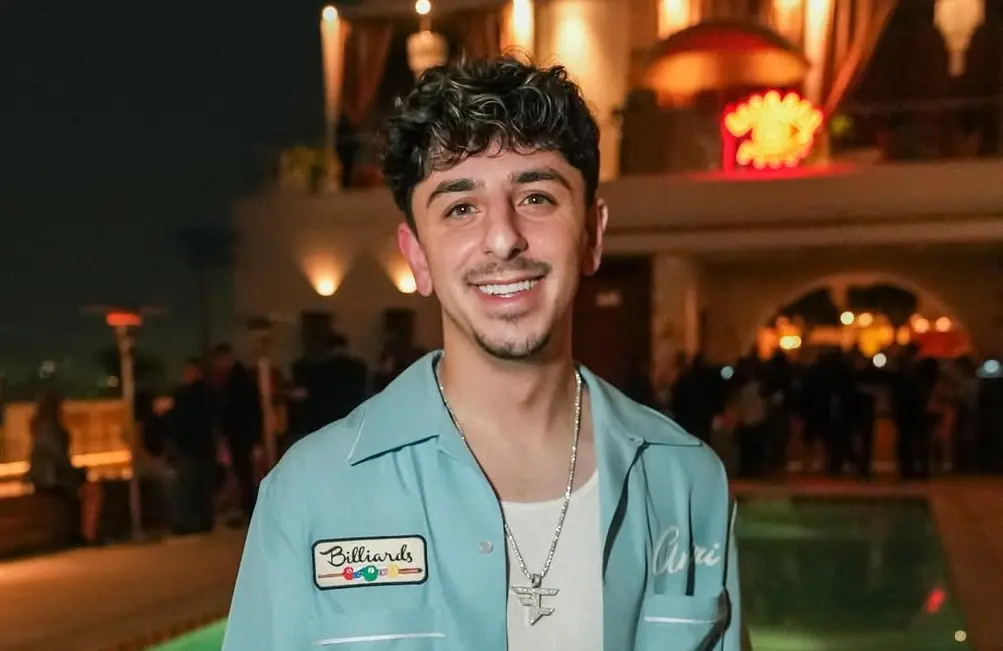
FaZe Rug isn’t just a content creator; he’s a meticulously built, albeit organically grown, brand. His journey from a teenage prankster to a multi-platform entertainment mogul offers invaluable insights into the strategies required to build, sustain, and adapt a personal brand in the digital age. This analysis delves into the strategic pivots, audience engagement tactics, and brand resilience that have defined FaZe Rug’s enduring presence, illustrating the delicate balance between authenticity and commercial viability.
The Formative Years: Building the FaZe Rug Persona
Every successful brand has an origin story, and FaZe Rug’s began in the nascent stages of YouTube’s boom, characterized by raw enthusiasm and a direct connection with his audience. His initial foray laid the groundwork for a personal brand that would resonate with millions.
The YouTube Blueprint: Pranks, Vlogs, and Authenticity
FaZe Rug’s initial ascent was fueled by a formula that, while seemingly simple, was executed with remarkable consistency and relatable charm: elaborate pranks, daily vlogs, and family-centric content. This wasn’t just about creating videos; it was about crafting a persona. Brian Awadis presented himself as the quintessential fun-loving, mischievous younger brother, whose antics and everyday life were open for public consumption.
The “FaZe Rug” brand initially thrived on authenticity. Viewers felt a genuine connection to Brian and his family, often featured prominently in his content. This direct, unvarnished approach to content creation fostered a loyal community. His pranks, ranging from harmless scares on his parents to more elaborate setups, showcased a willingness to entertain and push boundaries, yet always within a context of playful intent. The vlogs, meanwhile, offered a glimpse into his lifestyle, struggles, and triumphs, making his brand feel accessible and human. This blend of aspirational lifestyle and down-to-earth personality was a powerful combination for audience acquisition and retention in the early 2010s. It cultivated not just subscribers, but dedicated followers who felt part of his extended digital family, a critical element in building a strong personal brand.
FaZe Clan’s Catalyst: Synergizing with a Gaming Empire
A pivotal moment in FaZe Rug’s brand development was his integration into FaZe Clan. Founded in 2010, FaZe Clan quickly evolved from a group of Call of Duty trick-shotters into a global esports and entertainment organization. Brian’s association with FaZe Clan was more than just joining a team; it was a strategic brand alignment that exponentially amplified his reach and cemented his identity within a larger, respected entity.
By becoming a prominent member of FaZe Clan, FaZe Rug tapped into an existing, passionate fanbase. The FaZe Clan brand, synonymous with elite gaming, aspirational lifestyles, and a cool, edgy persona, lent significant credibility and a distinct aesthetic to FaZe Rug’s individual brand. This synergy allowed him to broaden his content beyond just pranks and vlogs, incorporating gaming challenges, collaborations with other FaZe members, and insights into the esports world. It diversified his content portfolio and introduced him to new demographics, expanding his brand’s influence from a singular creator to a key pillar of a formidable entertainment empire. This strategic partnership showcased the power of collaboration in brand building, where individual strengths combine to create a greater collective impact.
Navigating the Creator Economy’s Complexities
The initial boom of YouTube gave way to a more mature, competitive landscape. To survive, let alone thrive, brands like FaZe Rug needed to adapt, demonstrating resilience in the face of evolving audience preferences and public scrutiny.
Content Evolution and Audience Adaptation
As the YouTube ecosystem matured, so did its audience. What captivated viewers in 2015 might not hold their attention in 2020 or beyond. FaZe Rug’s ability to maintain relevance lies in his consistent, yet subtle, evolution of content. While pranks and vlogs remained core, their nature and sophistication changed. As he grew older, his content naturally matured alongside him, reflecting his personal experiences and interests.
The “what happened to FaZe Rug” question often arises from viewers noticing this shift. He transitioned from solely relying on shock value or simple daily vlogs to producing more elaborate challenges, travel vlogs, collaborations with mainstream celebrities, and even short-form content for platforms like TikTok. This wasn’t a sudden overhaul but a gradual refinement, demonstrating a keen understanding of audience analytics and emerging content trends. His willingness to experiment with new formats, explore different narrative structures, and even dabble in merchandise lines (which we will discuss further) proved crucial. This strategic adaptation ensures that the FaZe Rug brand remains fresh and engaging for both his long-standing subscribers and new viewers discovering his content. It highlights the dynamic nature of personal branding, where stagnation is the ultimate enemy.
Brand Resilience Amidst Scrutiny and Controversy
No public figure, especially one as exposed as a top-tier content creator, is immune to scrutiny. The digital age provides both a platform for growth and a magnifying glass for criticism. FaZe Rug, like many of his peers, has faced his share of controversies, from accusations of clickbait to more serious allegations that have impacted the broader FaZe Clan brand (e.g., cryptocurrency promotions).
The way a brand responds to criticism is a defining aspect of its resilience. For FaZe Rug, this has involved a mix of direct apologies, transparent explanations, and, crucially, a continued focus on producing engaging content. Instead of allowing controversies to define his narrative, he has often addressed them head-on, learned from the feedback, and recalibrated his approach. This ability to absorb negative feedback, make necessary adjustments, and pivot demonstrates a robust brand management strategy. It’s about acknowledging missteps without letting them derail the entire brand identity. His continued high view counts and subscriber growth post-controversy illustrate that while incidents may cause temporary dips, a strong underlying brand with loyal followers can recover and persist, particularly when authenticity and a commitment to improvement are perceived.
Diversification and Brand Expansion Beyond YouTube
The modern digital brand cannot solely rely on a single platform or content type. True longevity and influence stem from strategic diversification and intelligent brand extension.

Merchandise and Entrepreneurial Ventures
As a personal brand matures, opportunities arise to extend its influence beyond digital content. FaZe Rug has skillfully capitalized on this by venturing into merchandise and other entrepreneurial pursuits. His branded apparel, accessories, and other products are more than just items for sale; they are tangible extensions of the FaZe Rug brand. These products allow fans to physically connect with the brand, transforming passive viewers into active participants and advocates.
Moreover, these ventures represent a critical step in de-risking a creator’s income stream, moving beyond sole reliance on ad revenue and sponsorships. While specific details of his broader entrepreneurial ventures are less public, his long-standing prominence within FaZe Clan indicates an involvement in the organization’s wider business strategies, which span esports, apparel, and potentially media production. This diversification showcases a shrewd understanding of long-term brand building: leveraging initial digital fame to create sustainable, multi-faceted business operations that outlive transient content trends.
The Strategic Role of Social Media Platforms
While YouTube remains FaZe Rug’s primary content hub, his brand success is significantly bolstered by a sophisticated multi-platform strategy. His presence on Instagram, Twitter, and TikTok isn’t merely to repurpose YouTube content; each platform serves a distinct strategic purpose in nurturing and expanding his brand.
Instagram provides a more curated, lifestyle-oriented glimpse into his life, featuring aesthetically pleasing photos and stories that reinforce the aspirational aspects of his brand. Twitter serves as a real-time communication channel, allowing for direct interaction with fans, sharing quick thoughts, and commenting on current events, thus maintaining a dynamic and engaged community. TikTok, meanwhile, is crucial for reaching younger demographics and experimenting with viral short-form content, often bringing new audiences back to his core YouTube channel. This strategic use of diverse social media platforms ensures that the FaZe Rug brand maintains omnipresence, adapts to varying audience behaviors, and continuously feeds new users into his ecosystem, demonstrating a comprehensive approach to digital brand management.
The Nuances of Sustained Digital Presence
Maintaining a prominent digital brand for over a decade is a rare feat. It requires constant recalibration and a deep understanding of the delicate balance between personal authenticity and public expectation.
Engagement Strategies in a Maturing Landscape
In a saturated creator market, merely uploading videos is no longer enough. Sustained brand presence hinges on effective engagement strategies. FaZe Rug has consistently adapted his approach to foster a strong community. This involves more than just reading comments; it includes direct interaction on social media, Q&A sessions, fan meet-and-greets (pre-pandemic), and content that directly responds to viewer feedback or challenges.
As the brand has matured, so has the nature of engagement. It’s less about chasing viral trends and more about nurturing a loyal, invested audience. This involves recognizing the core values that drew viewers to his brand in the first place – entertainment, authenticity, and a sense of connection – and reinforcing them through consistent, quality interactions. The goal is to build an audience that isn’t just watching, but actively participating and advocating for the FaZe Rug brand, transforming consumers into a community.
The Balance Between Personal Brand and Public Expectation
Perhaps the greatest challenge for any long-standing personal brand is managing the evolving boundary between the creator’s true self and their public persona. The “what happened to FaZe Rug” question can often implicitly ask about this very tension: has he changed too much? Is he still the same “Rug” we know?
FaZe Rug’s career trajectory illustrates the necessity of evolving while retaining core brand identity. As an individual, Brian Awadis has naturally matured, and his interests, relationships, and responsibilities have changed. The brand, FaZe Rug, must reflect this personal growth to remain authentic, yet it must also honor the expectations built over years. This involves a careful balance: showing glimpses of personal evolution without alienating the audience who might cherish his earlier content. It requires strategic narrative control, ensuring that any shifts in content or persona feel natural and congruent with the established brand values, rather than forced or opportunistic. This artful negotiation between personal authenticity and public expectation is key to long-term brand viability.
The Future Trajectory of an Enduring Digital Brand
FaZe Rug’s journey is far from over. His continued presence and evolution offer valuable lessons for the future of personal branding in the digital sphere.
Learning from a Decade of Creator Influence
FaZe Rug’s decade-plus career stands as a testament to the power of consistent content creation, strategic brand alignment, and adaptive brand management. His story is a powerful case study for aspiring creators and established brands alike:
-
Authenticity as a Foundation: Starting with genuine content that resonates builds a loyal base.
-
Strategic Collaboration: Aligning with larger brands (like FaZe Clan) can provide exponential growth and credibility.
-
Continuous Adaptation: The digital landscape is fluid; brands must evolve their content and platforms.
-
Resilience in the Face of Adversity: Handling criticism and controversy gracefully is crucial for long-term survival.
-
Diversification: Expanding beyond core content into merchandise and other ventures creates sustainable business models.
These lessons highlight that “what happened to FaZe Rug” is not a tale of decline, but a narrative of strategic endurance and constant reinvention.

Adapting to Tomorrow’s Digital Realities
The digital world never stands still. New platforms emerge, algorithms change, and audience preferences shift. FaZe Rug’s future trajectory will undoubtedly involve continued adaptation. This could mean deeper dives into new forms of media, more sophisticated content production, or even venturing into entirely new industries. His established brand, built on years of trust and entertainment, provides a robust platform for such future explorations.
Ultimately, FaZe Rug’s enduring presence is a powerful reminder that in the creator economy, “what happened” isn’t about disappearing; it’s about the continuous, strategic transformation of a brand that started as a person and grew into a phenomenon. His ability to remain relevant, engaging, and commercially viable for over a decade showcases the profound impact of well-executed personal branding and its potential for long-term success in an unforgiving digital age.
aViewFromTheCave is a participant in the Amazon Services LLC Associates Program, an affiliate advertising program designed to provide a means for sites to earn advertising fees by advertising and linking to Amazon.com. Amazon, the Amazon logo, AmazonSupply, and the AmazonSupply logo are trademarks of Amazon.com, Inc. or its affiliates. As an Amazon Associate we earn affiliate commissions from qualifying purchases.