
Eric B. & Rakim, a name synonymous with a golden era of hip-hop, left an indelible mark on the genre. Their innovative production, Rakim’s intricate lyricism, and their overall sonic tapestry shifted the landscape of rap music. But like many legendary acts, questions inevitably arise: what happened to them? While the duo officially disbanded decades ago, their legacy continues to resonate through music, technology, and even the principles of branding and business. This exploration delves into their impact, the reasons behind their separation, and how their story can be understood through the lens of technology, brand building, and financial independence.

The Unprecedented Rise of a Hip-Hop Dynasty
In the mid-1980s, a young producer named Eric Barrier, known as Eric B., was on the hunt for a fresh voice to complement his cutting-edge beats. He found it in William Michael Griffin Jr., who would soon adopt the moniker Rakim. Their collaboration, forged in the crucible of New York City’s burgeoning hip-hop scene, was nothing short of revolutionary.
Eric B.’s production was a departure from the more rudimentary samples and drum machine loops that dominated early hip-hop. He incorporated jazz influences, funk breaks, and a sophisticated layering of sounds, creating a rich and immersive sonic backdrop. His signature use of strong, often ominous basslines and intricate drum patterns laid the groundwork for a more complex and polished sound. Tracks like “Paid in Full” and “Follow the Leader” showcased his meticulous attention to detail and his ability to craft beats that were both hard-hitting and musically sophisticated. This approach to sound design foreshadowed the evolving role of the producer in hip-hop, moving from simple beatmakers to architects of entire sonic worlds, a concept that resonates even today with the advancements in AI Tools for music creation and the intricate Software used by modern producers.
Rakim, on the other hand, redefined the art of rapping. Before him, lyrical delivery in hip-hop was often characterized by a more straightforward, rhythmic cadence. Rakim, however, brought a lyrical density and complexity that was unprecedented. His flow was smooth, almost conversational, yet packed with multi-syllabic rhymes, intricate internal rhyme schemes, and a profound depth of subject matter. He was the “God MC,” a title he earned through his mastery of language, his intellectual approach to storytelling, and his ability to weave narratives that were both personal and universal. His conscious lyrics, often touching on themes of self-empowerment, social commentary, and spiritual enlightenment, set a new standard for lyrical prowess. This shift in lyrical complexity can be parallested to the evolution of Tech in language processing, where algorithms now understand and generate intricate linguistic structures, mirroring Rakim’s groundbreaking verbal architecture.
Their initial collaboration, culminating in the release of “Paid in Full” in 1987, was a commercial and critical success, catapulting them into the forefront of the hip-hop world. The album became a cornerstone of the genre, influencing countless artists and solidifying their status as pioneers. They followed this with “Follow the Leader” (1988) and “Let the Rhythm Hit ‘Em” (1990), each album building on their established sound while continuing to push boundaries. Their visual aesthetic, too, was carefully curated. The iconic imagery associated with their album covers and music videos contributed to their strong Brand identity. They projected an image of cool, sophisticated power, which was crucial in establishing their lasting appeal.
The Creative Synergy: A Partnership Defined by Innovation
The magic of Eric B. & Rakim lay in their unique synergy. Eric B. provided the sonic canvas, and Rakim painted it with words. It wasn’t just about individual talent; it was about how their talents amplified each other. Eric’s beats provided the perfect playground for Rakim’s lyrical acrobatics, and Rakim’s rhymes gave a voice and narrative to Eric’s sonic landscapes.
This collaborative model is a powerful case study in Brand building. They operated as a unified entity, a distinct brand that audiences recognized and respected. Their consistent quality and innovative approach created a loyal fanbase, demonstrating the importance of maintaining a strong Corporate Identity in any creative venture. The way they presented themselves, from their music to their public persona, was a deliberate act of Brand Strategy, creating a powerful and enduring image that transcended mere musical output. Their ability to consistently deliver high-quality, groundbreaking work established them as leaders in their field, a testament to effective Design and a clear vision.
Their impact extended beyond the music itself. They were pioneers in a sense of Personal Branding within hip-hop. Rakim’s mystique and lyrical authority, combined with Eric B.’s behind-the-scenes genius, created a dynamic that was both aspirational and accessible. This carefully crafted image wasn’t just about selling records; it was about creating a cultural moment. Their influence can be seen in how modern artists approach their public image, their collaborations, and their overall artistic presentation, all of which are now heavily influenced by the principles of Marketing and Reputation management.
The Unraveling: Creative Differences and Business Realities
Despite their undeniable success, the partnership of Eric B. & Rakim eventually fractured. While the exact reasons remain somewhat debated and shrouded in the complexities of artist-producer relationships, several key factors contributed to their eventual separation.
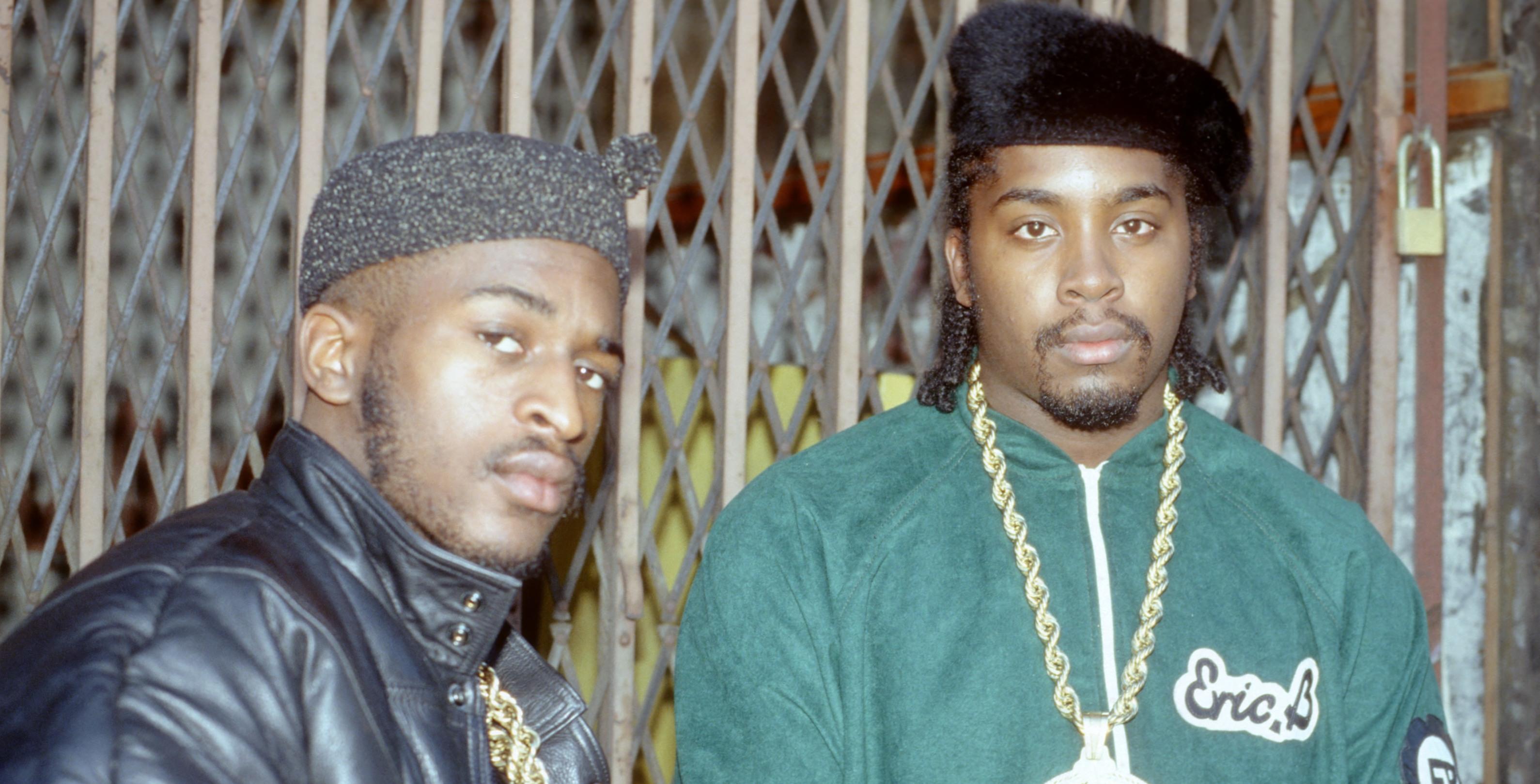
One of the most significant factors was the strain of the music industry’s business realities. Recording contracts, royalty disputes, and the pressures of constant touring and album production can take a toll on any creative partnership. While their music consistently performed well, the financial arrangements and the internal dynamics of their business dealings may have created friction. This highlights the crucial importance of understanding Business Finance and securing favorable terms for artists. The lack of transparency or equitable distribution of profits can often be a silent killer of creative collaborations, even those that seem invincible.
Creative differences also likely played a role. As artists mature and their individual visions evolve, it’s natural for those visions to diverge. Rakim, with his increasing lyrical depth and desire for artistic control, may have found himself at odds with Eric B.’s production direction or the overall artistic output of the duo. This is a common challenge in any creative field, where the desire for individual artistic growth can sometimes conflict with the established synergy of a partnership. The evolution of Tech can also influence creative directions. New Software for music production, for example, might open up possibilities that one partner embraces while the other remains hesitant, leading to artistic divergence.
Furthermore, the pressures of fame and the industry itself can be isolating. Maintaining a collaborative spirit when faced with external pressures, differing opinions on artistic direction, and potential financial disagreements is a monumental task. This underscores the need for strong Financial Tools and robust business acumen to navigate the complexities of the music industry, ensuring that creative ventures remain sustainable and equitable for all parties involved.
The Echoes of Separation: Solo Careers and Lasting Influence
Following their split in the early to mid-1990s, both Eric B. and Rakim pursued solo careers. Rakim released “The 18th Letter” in 1997, which was critically acclaimed and demonstrated his continued lyrical prowess. He also released “The Master” in 1999, further cementing his reputation as one of hip-hop’s greatest MCs. His solo work showcased his ability to evolve as an artist, exploring new sonic territories while staying true to his lyrical foundations.
Eric B., on the other hand, focused more on production and business ventures, though he occasionally produced for other artists. His influence continued to be felt through the artists he worked with and the foundational role he played in shaping the sound of hip-hop. The ability to transition to new roles and leverage existing expertise is a key aspect of long-term success, a principle that applies equally to the world of Online Income and Side Hustles where adaptability is paramount.
The separation, while marking the end of an era, did not diminish their collective impact. Their music remained a touchstone for aspiring artists, and their innovative approaches continued to be studied and emulated. The narrative of their rise and fall also serves as a cautionary tale within the music industry, emphasizing the importance of clear communication, equitable business practices, and a shared vision for sustained creative output. Their story is a testament to the fact that even when a partnership ends, the Reputation built and the Brand established can endure for generations.

Legacy in the Digital Age: Enduring Influence and Adaptability
In the current landscape, the legacy of Eric B. & Rakim is more accessible and influential than ever, thanks in large part to advancements in Tech and digital distribution. Their music, once confined to vinyl and cassettes, is now readily available on streaming platforms, introducing their timeless sound to new generations. This ease of access has amplified their reach, allowing their innovative production and lyrical mastery to inspire artists and fans alike.
The Tech trends of today, particularly in the realm of AI Tools and Software, are constantly pushing the boundaries of creative expression. While Eric B. & Rakim operated in a pre-digital revolution era, their pioneering spirit of innovation resonates with the current drive for technological advancement. Rakim’s complex rhyme schemes can be seen as an early form of algorithmic lyricism, and Eric B.’s intricate beats foreshadow the sophisticated sound design now achievable with advanced Apps and digital audio workstations. Their influence is a reminder that foundational principles of creativity, when combined with evolving tools, can lead to groundbreaking results.
From a Brand perspective, Eric B. & Rakim created an enduring Brand through their consistent quality and distinct artistic identity. Their story highlights the power of a strong Corporate Identity that is both authentic and aspirational. In today’s hyper-connected world, where personal and corporate brands are constantly being cultivated and scrutinized, their ability to establish such a powerful and lasting image serves as a valuable Case Study in effective branding. Their influence on Marketing and Design within hip-hop is undeniable, shaping visual aesthetics and promotional strategies that continue to be relevant.
Furthermore, the concept of Personal Finance and achieving financial independence, a core topic on this website, can be explored through their journey. While the specifics of their financial arrangements remain private, their success in a burgeoning industry demonstrates the potential for lucrative careers in creative fields. Their story, in a way, is a testament to the power of talent and hard work translating into Online Income and potentially significant Side Hustles for those who master their craft. The ability to navigate the financial aspects of the music business, ensuring fair compensation and long-term security, is a crucial element for any artist’s enduring success. Understanding Business Finance and utilizing sound Financial Tools are essential, a lesson that can be learned from the triumphs and potential challenges faced by any iconic duo.
In conclusion, while Eric B. & Rakim may no longer be an active musical unit, their impact on hip-hop is immeasurable. Their story, viewed through the lenses of technological evolution, strategic brand building, and the pursuit of financial stability, offers enduring insights. They were not just musicians; they were innovators whose work continues to inspire, proving that true artistry, combined with strategic foresight, can transcend time and shape the very fabric of culture. The question of “what happened to Eric B. & Rakim” is less about their physical whereabouts and more about the lasting imprint they left on the world.
aViewFromTheCave is a participant in the Amazon Services LLC Associates Program, an affiliate advertising program designed to provide a means for sites to earn advertising fees by advertising and linking to Amazon.com. Amazon, the Amazon logo, AmazonSupply, and the AmazonSupply logo are trademarks of Amazon.com, Inc. or its affiliates. As an Amazon Associate we earn affiliate commissions from qualifying purchases.