
Eastern Airlines, once a titan of the American aviation landscape, is a name that evokes a powerful sense of nostalgia for many. From its beginnings as a small regional carrier to its status as one of the “Big Four” U.S. airlines, Eastern’s trajectory was a dramatic story of innovation, ambition, and ultimately, collapse. Understanding the demise of Eastern Airlines is not just about a defunct airline; it’s a profound case study in the complexities of brand management, corporate identity, and the relentless forces of market dynamics. This article delves into the intricate web of factors that led to the grounding of Eastern Airlines, focusing on its brand strategy, its evolving corporate identity, and the marketing missteps that contributed to its ultimate downfall.

The Golden Age and the Genesis of a Brand Icon
Eastern Airlines wasn’t just a way to get from point A to point B; it was an experience, a symbol of American progress and sophistication. Its early years were marked by a forward-thinking approach to branding and customer service that set it apart.
Early Innovations and Brand Promise
Founded in 1927 as Pitcairn Aviation and later evolving into Eastern Air Transport, the airline quickly distinguished itself through a commitment to passenger comfort and operational efficiency. Early marketing efforts focused on the burgeoning appeal of air travel, positioning Eastern as a premium and reliable choice. The airline was an early adopter of advanced aircraft, which were prominently featured in its advertising, reinforcing an image of modernity and technological prowess. This wasn’t just about selling tickets; it was about selling a vision of the future, a future that was accessible and exciting through Eastern’s services.
The brand promise was clear: safe, swift, and comfortable travel. This promise was cultivated through various touchpoints, from the uniformed flight attendants who exuded professionalism and grace, to the onboard amenities that were considered luxurious for the era. Think of the emphasis on cabin crew training, the introduction of pressurized cabins for smoother flights, and the carefully curated dining experiences. These elements were not accidental; they were deliberate components of a comprehensive brand strategy designed to build loyalty and create an aspirational image.
Cultivating a Distinct Corporate Identity
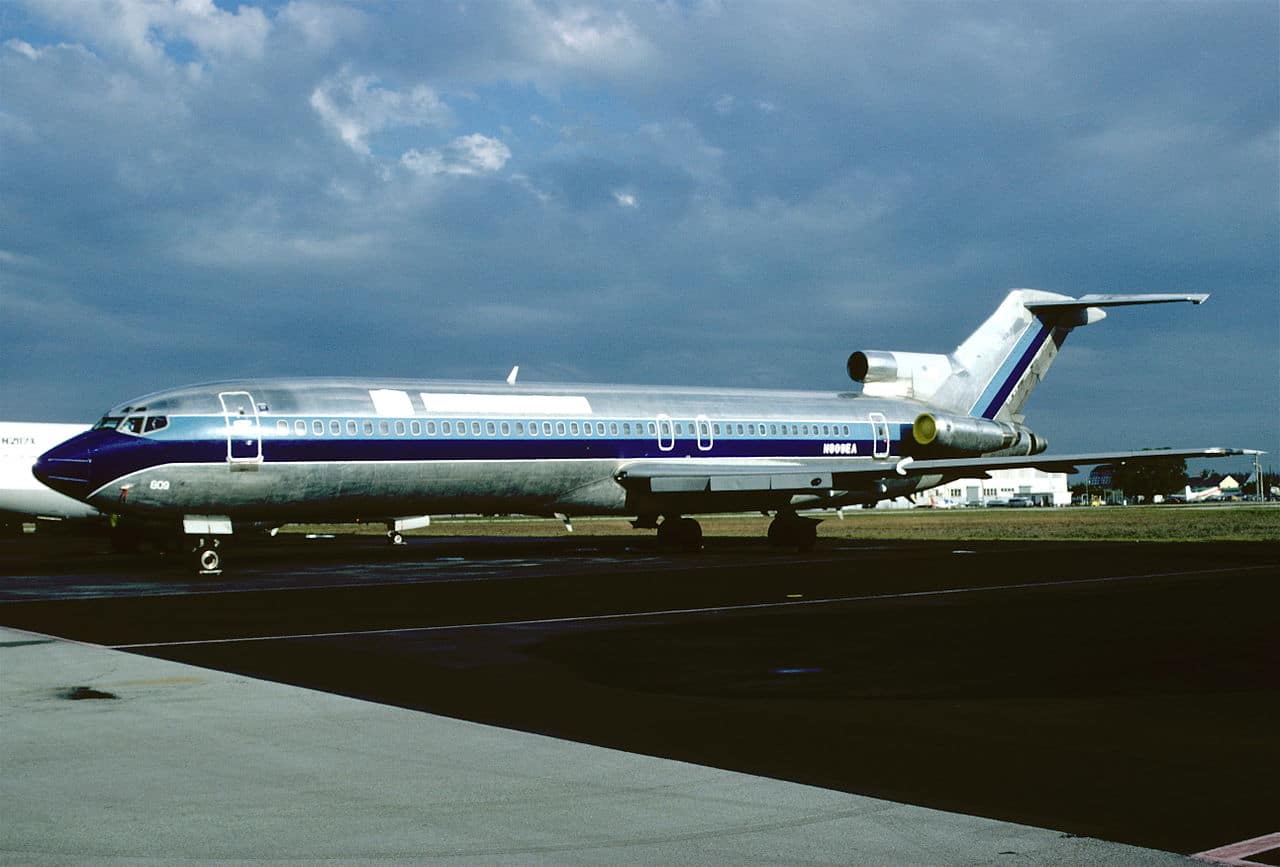
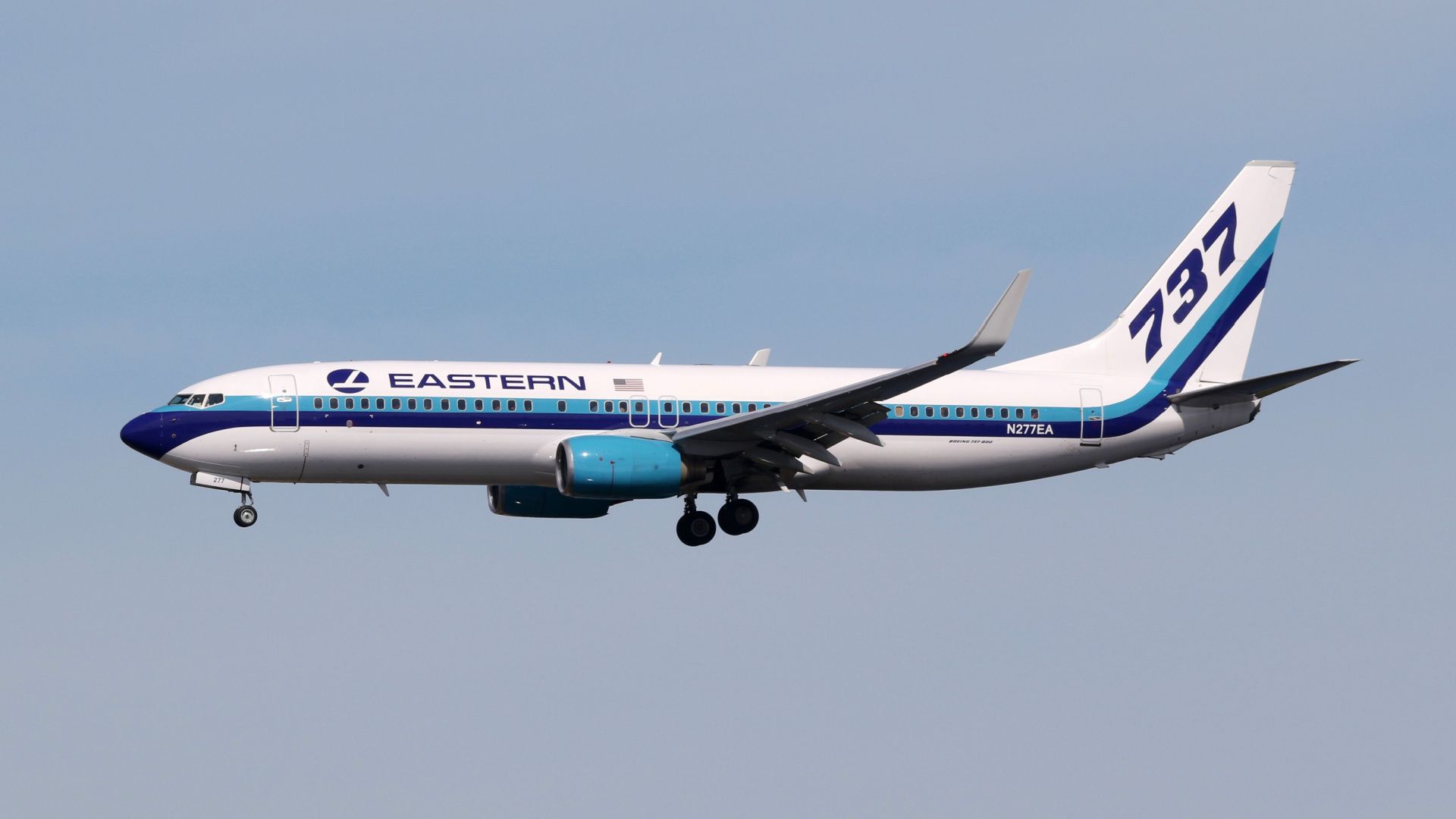
Eastern’s corporate identity was meticulously crafted to resonate with a broad spectrum of travelers. The iconic “Eastern” logo, with its distinctive italicized font, became instantly recognizable, a mark of quality and prestige. The airline’s livery, often featuring bold colors and sleek designs, further solidified its visual identity, making its aircraft stand out against the vast skies. Beyond the visual, the very name “Eastern” carried connotations of progress, accessibility, and reaching new horizons.
The airline also fostered a strong internal culture that translated externally. Employees, from pilots and mechanics to customer service agents, were instilled with a sense of pride in representing Eastern. This internal branding effort contributed to a cohesive and professional customer experience, where every interaction reinforced the airline’s established identity as a leader in aviation. The commitment to excellence was not just a marketing slogan; it was embedded in the fabric of the company’s operations, creating a genuine and palpable brand experience.
Shifting Market Dynamics and the Erosion of Brand Equity
As the aviation industry evolved, particularly with the advent of deregulation, Eastern Airlines faced unprecedented challenges. Its established brand, while once a formidable asset, struggled to adapt to the new competitive landscape, leading to a gradual erosion of its market share and brand equity.
The Impact of Deregulation
The Airline Deregulation Act of 1978 was a watershed moment for the industry. It dismantled decades of government regulation, opening the skies to increased competition. For established carriers like Eastern, which had benefited from a protected market, this transition was jarring. New, more agile airlines emerged, often with lower cost structures, aggressively competing on price.
Eastern, burdened by legacy contracts, a large workforce, and a more traditional operational model, found it difficult to match the pricing strategies of its new rivals. The brand, which had been built on a promise of premium service, was now being challenged by competitors offering similar routes at significantly lower fares. This created a perception gap: was Eastern still the superior choice if its prices were no longer justified by a demonstrably better experience? The brand’s established image began to falter as consumers increasingly prioritized cost.
Marketing Missteps and a Diluted Brand Message
In response to increasing competition, Eastern attempted to adapt its marketing strategies, but these efforts were often disjointed and ultimately detrimental to its brand identity. The airline experimented with various campaigns, some focusing on cost-cutting measures to compete on price, while others attempted to reassert its legacy of quality. This lack of a consistent message confused consumers and weakened the overall brand perception.
Furthermore, a series of high-profile labor disputes and management upheavals during the 1980s severely damaged Eastern’s public image. Negative press coverage surrounding strikes and financial instability overshadowed any positive marketing efforts. The brand, once synonymous with reliability, became associated with turmoil and uncertainty. This perception crisis was particularly damaging because the airline’s core brand promise was deeply intertwined with trust and stability. When that trust eroded, the brand’s foundation was severely weakened. The marketing department struggled to regain traction against a narrative that was increasingly dictated by external events rather than strategic brand building.
The Unraveling: From Corporate Identity Crisis to Bankruptcy
The confluence of market pressures and internal strife ultimately proved too much for Eastern Airlines. Its corporate identity became fractured, and its brand, once a source of immense pride, became a symbol of decline.
Labor Relations and the Strained Corporate Culture
A significant contributing factor to Eastern’s downfall was its protracted and acrimonious relationship with its labor unions, particularly the International Association of Machinists and Aerospace Workers (IAM). The airline’s management, often perceived as intransigent, engaged in a series of bitter disputes that led to costly strikes and debilitating work stoppages.
These labor conflicts did more than just disrupt operations; they inflicted deep wounds on the airline’s corporate culture and its external brand image. The strikes led to a significant loss of public confidence and customer loyalty. Passengers, weary of cancellations and delays, sought alternative carriers. Internally, the constant conflict fostered an environment of distrust and animosity, undermining the very sense of shared purpose that had once been a hallmark of Eastern’s success. The brand’s promise of seamless travel was directly contradicted by the chaotic reality of ongoing labor disputes, creating a deep disconnect between the intended brand and the experienced reality.
Management Challenges and Strategic Drift
Beyond labor issues, Eastern was plagued by inconsistent management and a lack of coherent strategic direction. The airline went through a series of ownership changes and leadership transitions, each bringing new strategies that were often short-lived or poorly executed. This instability prevented the development of a long-term vision for the brand and its place in the evolving market.
For instance, attempts to pivot towards a low-cost model were often hampered by the airline’s existing cost structure and union agreements, leading to a “neither here nor there” positioning that failed to resonate with any specific customer segment. Conversely, attempts to recapture premium market share were undermined by the perception of operational unreliability. The brand’s identity became a confused amalgam of conflicting strategies, alienating both price-sensitive travelers and those seeking a premium experience. The inability of successive management teams to articulate and consistently execute a compelling brand narrative was a critical failure.
The Final Descent and the Legacy of a Brand
By the late 1980s, Eastern Airlines was on a precipice. Mounting debt, dwindling passenger numbers, and ongoing operational challenges created an unsustainable situation. The airline’s brand, once a beacon of aviation excellence, had been severely tarnished. The once-proud corporate identity had fragmented under the weight of internal conflicts and external pressures.
Despite various attempts at restructuring and salvage, the airline’s financial woes were insurmountable. In 1991, after a final, failed attempt to secure new financing, Eastern Airlines ceased operations, marking the end of an era. Its bankruptcy sent shockwaves through the industry and left a void in the hearts of many aviation enthusiasts.
The legacy of Eastern Airlines serves as a powerful reminder of the critical importance of maintaining a strong, consistent brand identity, adapting to market shifts with agility, and nurturing a healthy corporate culture. For brands, especially those in highly competitive and dynamic industries, the story of Eastern Airlines is a compelling case study in how the erosion of these fundamental elements can lead to a dramatic and irreversible decline. The brand’s story is a cautionary tale, etched in the history of aviation, highlighting the profound connection between corporate strategy, brand perception, and ultimate survival.
aViewFromTheCave is a participant in the Amazon Services LLC Associates Program, an affiliate advertising program designed to provide a means for sites to earn advertising fees by advertising and linking to Amazon.com. Amazon, the Amazon logo, AmazonSupply, and the AmazonSupply logo are trademarks of Amazon.com, Inc. or its affiliates. As an Amazon Associate we earn affiliate commissions from qualifying purchases.