
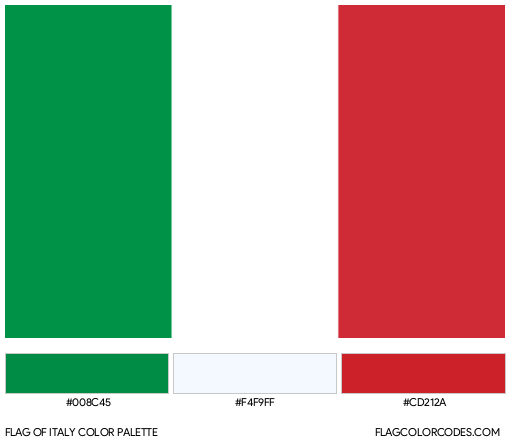
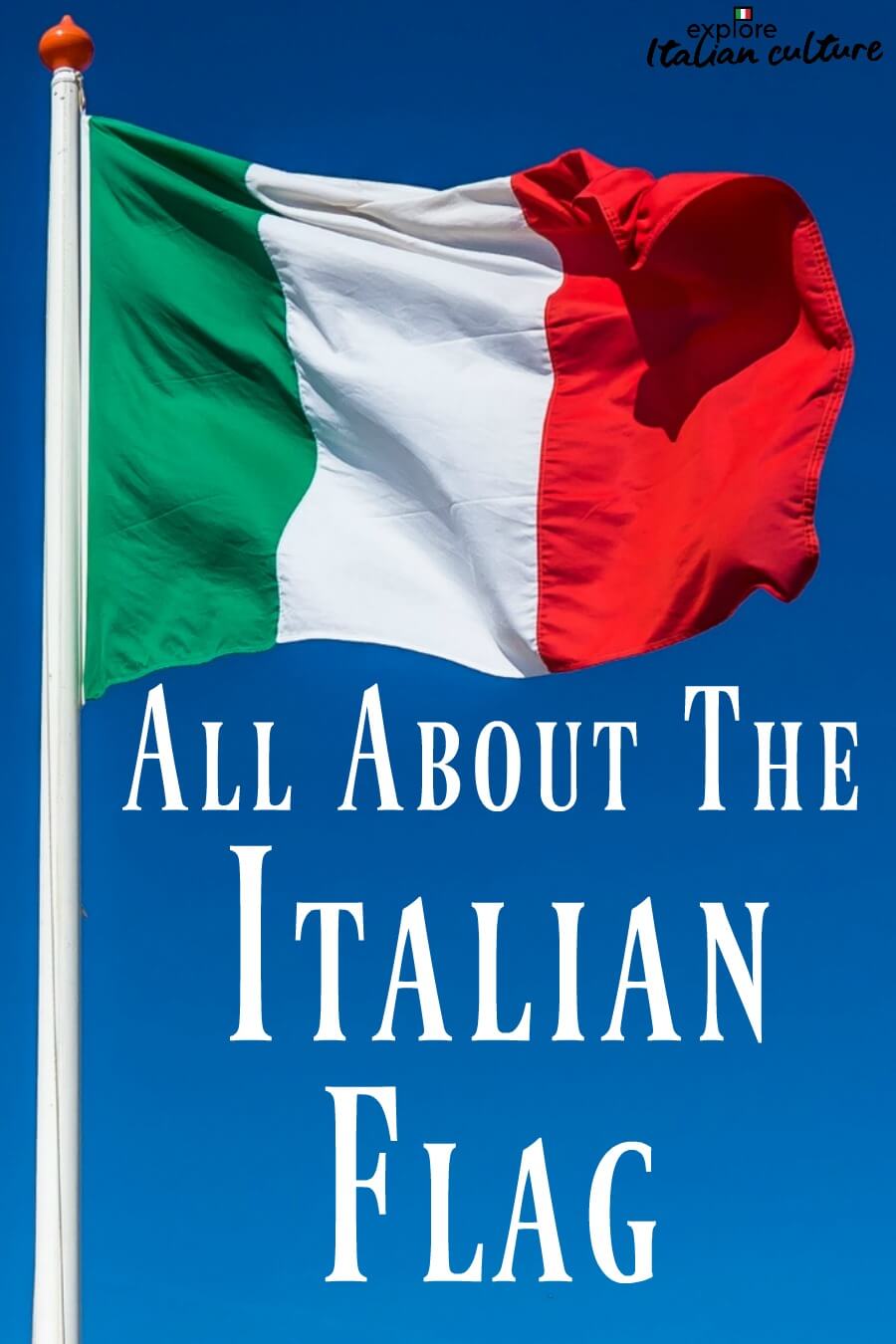
The Italian flag, a tricolor of green, white, and red, is far more than just a national symbol. It’s a powerful visual identifier, a historical narrative woven into fabric, and a potent element of Italy’s global brand. While the question “What color is the Italian flag?” might elicit a straightforward answer, a deeper exploration reveals the profound brand implications behind this iconic design. The specific hues, their historical origins, and their contemporary interpretation all contribute to Italy’s multifaceted national brand, influencing perceptions, fostering unity, and shaping its international image.
The Genesis of the Tricolor: Historical Threads in the National Brand
The very inception of the Italian flag is steeped in historical context, reflecting the aspirations and struggles of a nation striving for unification and independence. These historical roots are crucial for understanding the enduring power of the flag as a brand element.
Revolutionary Echoes and National Aspirations
The genesis of the Italian tricolor is inextricably linked to the late 18th and early 19th centuries, a period marked by revolutionary fervor across Europe and the burgeoning desire for Italian unification. While various regional flags existed, the adoption of a tricolor design gained significant momentum during the Napoleonic era. French revolutionary ideals, advocating for liberty, equality, and fraternity, significantly influenced Italian patriots. The French tricolor, with its blue, white, and red, served as a direct inspiration. However, Italian revolutionaries sought to imbue their flag with their own unique identity.
The Cispadane Republic, established in 1797, is widely credited with the first official adoption of a tricolor flag resembling the modern Italian one. The chosen colors – green, white, and red – were not arbitrary. Green was often associated with hope and the country’s verdant landscape, while red symbolized love and sacrifice. White represented faith and peace. These early interpretations laid the groundwork for a color palette that would become synonymous with Italian national pride. This period of fervent political upheaval and the adoption of the tricolor marked a critical step in forging a nascent national identity, laying the very foundation for Italy’s future brand. The flag became a visual rallying point, a tangible representation of a shared dream for a unified nation, thus embedding these colors deeply into the Italian brand narrative.
The Risorgimento and the Cementing of National Identity
The 19th century witnessed the Risorgimento, the protracted and often tumultuous period of Italian unification. Throughout this era, the tricolor flag became an increasingly prominent and unifying symbol. It flew at revolutionary rallies, adorned military banners, and was embraced by patriots advocating for a single Italian state. The Savoyard dynasty, which eventually led the unification effort, adopted the tricolor as its national flag when the Kingdom of Italy was proclaimed in 1861. The royal coat of arms of the House of Savoy was placed in the center of the white band, further solidifying the flag’s position as the emblem of the new nation.
The Risorgimento was not just a political and military undertaking; it was also a cultural and emotional one. The flag played a pivotal role in fostering a sense of shared Italianness among a population previously divided by regional loyalties and dialects. It transcended these differences, acting as a powerful unifying force. The colors, with their evolving interpretations – green representing the plains and hills, white the snowy Alps, and red the blood shed for unification – became deeply embedded in the collective consciousness of the Italian people. This period transformed the flag from a revolutionary emblem to a powerful symbol of national unity, an essential element in the construction of Italy’s enduring national brand. The very act of fighting for and achieving unification under this banner imbued it with a powerful legacy, a narrative of resilience and shared purpose that continues to resonate.
The Symbolic Resonance: Colors as Brand Equity
Beyond their historical origins, the colors of the Italian flag possess deep symbolic meanings that contribute significantly to Italy’s brand equity. These meanings are not static; they evolve and are reinforced through cultural expression, media representation, and popular perception.
Green: Nature, Hope, and the Italian Lifestyle
The green in the Italian flag is often interpreted as representing the country’s lush and diverse natural landscape. From the rolling hills of Tuscany to the verdant plains of the Po Valley and the olive groves of the south, nature is an integral part of Italy’s allure. This association with natural beauty translates directly into Italy’s brand as a destination, its agricultural products, and its fashion and design industries, which often draw inspiration from the organic forms and vibrant colors of the natural world.
Furthermore, green signifies hope. In the context of national history, it represented the hope for a unified and prosperous Italy. Today, it continues to evoke a sense of optimism and future potential. This hopeful connotation aligns with the aspirational aspects of Italy’s brand, suggesting a nation with a vibrant future, a place where creativity and progress flourish. The association of green with freshness and vitality also links to the perception of Italian cuisine, renowned for its fresh ingredients and healthy Mediterranean diet. Thus, the green band on the flag subtly but effectively communicates core aspects of Italy’s brand, encompassing its natural heritage, its optimistic outlook, and its connection to a healthy and vibrant lifestyle.
White: Peace, Purity, and Italian Craftsmanship
White, the central band of the tricolor, carries significant symbolic weight. It is universally understood as a symbol of peace, a desired state after periods of conflict and division. For Italy, this resonates deeply with its long journey towards unification and its subsequent role in promoting peace and diplomacy on the international stage. The aspiration for peace, hard-won and cherished, is a quiet but powerful undercurrent in the nation’s brand.
Beyond peace, white also represents purity and clarity. This can be seen as reflecting the clarity of Italian art, the purity of its design principles, and the unadulterated quality of its artisanal products. In the realm of fashion and design, white is often associated with elegance, simplicity, and timelessness – qualities frequently attributed to Italian style. Similarly, in its culinary traditions, the emphasis on fresh, high-quality ingredients often evokes a sense of purity. The white band, therefore, contributes to Italy’s brand by subtly communicating notions of integrity, excellence, and a dedication to quality that underpins many of its most celebrated industries. It speaks to a foundational value of integrity and refined taste.
Red: Passion, Sacrifice, and Italian Artistry
The vibrant red band is perhaps the most emotionally charged color on the flag. It is widely interpreted as symbolizing passion, love, and courage – qualities often associated with the Italian spirit. This passion is evident in Italian art, music, opera, and the very way life is lived in Italy. It speaks to a zest for life, an emotional depth, and an artistic sensibility that are core components of Italy’s global brand.
Furthermore, red is a potent reminder of the sacrifices made during the Risorgimento and other historical struggles for freedom and independence. It honors the blood shed by patriots and heroes, serving as a solemn tribute to their courage and dedication. This association with sacrifice and bravery adds a layer of gravitas and historical depth to Italy’s brand. It suggests a nation that has overcome adversity and possesses a strong, enduring spirit. In the context of international perception, this red imbues the Italian brand with a sense of dynamism, emotional richness, and historical significance, contributing to its powerful and complex identity. It’s the color that often electrifies the national narrative.
The Flag as a Global Brand Asset: Visual Identity and Cultural Exports
The Italian flag is not merely a passive symbol; it actively functions as a powerful global brand asset, influencing perceptions and promoting Italy’s diverse cultural and economic exports. Its visual ubiquity and deep-seated symbolism contribute to a cohesive and recognizable national identity.
Ubiquity in Global Discourse and Cultural Representation
The Italian flag is a constant presence in international forums, sporting events, and diplomatic occasions. Its recognizable tricolor design immediately identifies Italian athletes, teams, and representatives on the world stage. This consistent visual representation reinforces Italy’s global presence and fosters a sense of familiarity among international audiences. When the Italian flag is displayed, it carries with it a wealth of associations – from world-class cuisine and high fashion to artistic masterpieces and historical monuments.
Beyond official contexts, the tricolor is also frequently incorporated into the branding of Italian products and services. Fashion houses, automotive manufacturers, and food companies often subtly or overtly incorporate the flag’s colors into their logos, packaging, or advertising campaigns. This strategic use leverages the inherent positive associations with Italy, tapping into the country’s reputation for quality, style, and heritage. The flag, therefore, acts as a visual shorthand, instantly communicating Italian origin and the associated brand values. This deliberate association solidifies the flag’s role as a critical component of Italy’s brand equity, actively promoting its cultural and economic interests worldwide. It is a powerful, globally understood emblem that carries immense brand value.
The Brand Halo Effect: From Flag to “Made in Italy”
The “Made in Italy” label is arguably one of the most potent and respected brand identifiers globally. It is synonymous with superior craftsmanship, exquisite design, innovation, and timeless quality across a vast array of industries, from fashion and furniture to food and machinery. The Italian flag, as the primary visual emblem of the nation, plays an instrumental role in creating and sustaining this powerful brand halo effect.
When consumers encounter a product bearing the Italian flag or its colors, they often intuitively associate it with the established qualities of “Made in Italy.” This subconscious connection is a testament to the flag’s effectiveness as a brand symbol. The flag’s historical narrative of unification, its symbolic representation of passion and artistry, and its association with natural beauty all contribute to a positive emotional connection that consumers often feel towards Italian products. This brand equity derived from the flag enhances the perceived value and desirability of Italian goods, allowing them to command premium prices and enjoy sustained global demand. The colors themselves, when used thoughtfully, evoke a sense of authenticity and prestige that is difficult to replicate, making the Italian flag an invaluable and enduring asset in the global marketplace. It is a brand within a brand, amplifying all that Italy represents.
The Evolving Narrative: Adapting the Tricolor’s Brand Message
While the core colors and their fundamental symbolism remain constant, the way the Italian flag’s brand message is interpreted and utilized can evolve. This adaptability ensures its continued relevance and effectiveness in the modern global landscape.
Contemporary Interpretations and Modern Italian Identity
In contemporary times, the interpretation of the Italian flag’s colors continues to evolve, reflecting the nation’s current values and aspirations. While historical narratives remain important, modern Italy also embraces innovation, diversity, and its role in a globalized world. The green might now also represent environmental consciousness and sustainability, vital concerns for a nation rich in natural beauty. The white can symbolize transparency and ethical business practices, while the red can signify modern Italian dynamism, technological advancement, and a progressive outlook.
Furthermore, the flag serves as a unifying symbol for a diverse Italian population. It represents a shared heritage while acknowledging the vibrant regional identities that contribute to Italy’s rich cultural tapestry. The flag’s ability to resonate with a broad spectrum of Italians, from the north to the south, young and old, reinforces its foundational role in the national brand. This inclusivity and forward-looking perspective ensure that the flag remains a relevant and potent symbol of modern Italian identity, capable of attracting and engaging diverse audiences both domestically and internationally. The brand narrative is not static; it embraces the dynamism of the present.
Challenges and Opportunities in Brand Messaging
The strength of the Italian flag as a brand asset also presents certain challenges and opportunities. One challenge lies in ensuring consistent and positive brand messaging across all platforms and products. Misappropriation or trivialization of the flag’s symbolism could dilute its impact. Conversely, opportunities abound in creatively leveraging the flag’s iconic status. Innovative marketing campaigns, cultural collaborations, and digital storytelling can further enhance the flag’s brand equity and connect with new generations.
The digital age offers new avenues for exploring and promoting the narrative behind the Italian flag. Social media platforms can be used to share historical insights, highlight contemporary interpretations, and foster online communities around Italian culture and identity. By strategically managing and promoting the rich symbolism of its tricolor, Italy can continue to strengthen its global brand, ensuring that the colors of its flag remain synonymous with quality, passion, and enduring excellence. The ongoing dialogue around the flag’s meaning is vital for its continued brand power.
aViewFromTheCave is a participant in the Amazon Services LLC Associates Program, an affiliate advertising program designed to provide a means for sites to earn advertising fees by advertising and linking to Amazon.com. Amazon, the Amazon logo, AmazonSupply, and the AmazonSupply logo are trademarks of Amazon.com, Inc. or its affiliates. As an Amazon Associate we earn affiliate commissions from qualifying purchases.