
In the hyper-accelerated world of fitness social media, the question “What happened to David Laid?” has trended periodically over the last decade. To the casual observer, Laid is a transformation success story—a skinny teenager who sculpted a physique that defined an era of aesthetic bodybuilding. However, to the brand strategist, David Laid represents one of the most sophisticated examples of personal brand management in the digital age.
Rather than fading into the background of a saturated market, Laid has executed a series of strategic pivots that transitioned him from a viral content creator into a corporate powerhouse. His journey is not merely about physical gains; it is a case study in brand equity, strategic scarcity, and the successful merging of a personal identity with a global corporate giant.
The Architecture of a Digital Transformation Brand
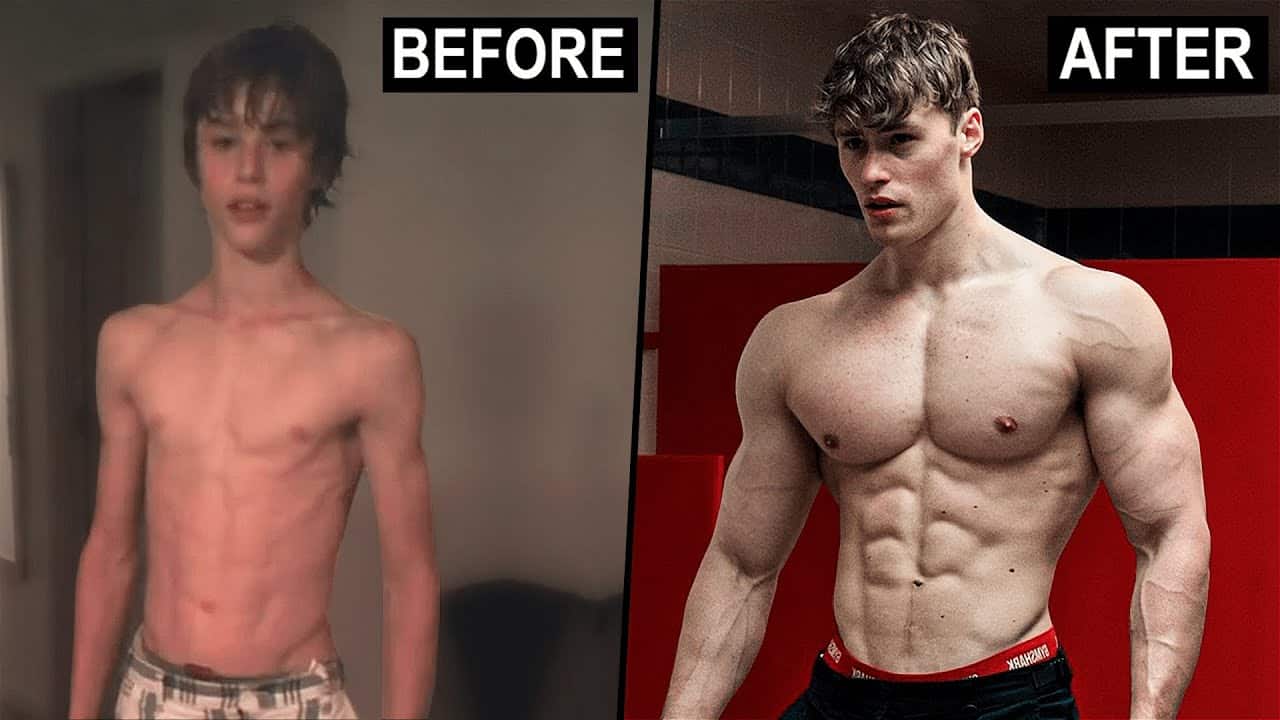
The foundation of David Laid’s brand was built on the “Transformation” trope, but with a level of cinematic execution that was previously unseen in the fitness niche. In 2013, a 15-year-old Laid uploaded a transformation video that would eventually garner tens of millions of views. This was the genesis of his brand identity: the underdog who mastered his environment through discipline.
From Viral Sensation to Industry Icon
Most viral stars struggle to convert a moment of fame into a sustainable career. Laid avoided this pitfall by establishing a distinct visual language. While other fitness influencers relied on shaky vlogs and high-energy shouting, Laid’s content was characterized by moody lighting, high-frame-rate cinematography, and a minimalist aesthetic. He didn’t just sell workouts; he sold an atmosphere. By focusing on the “aesthetic” niche, he positioned his brand alongside luxury and lifestyle rather than just “gym culture.” This high-end positioning allowed him to command higher market value and attract premium partnerships early on.
The Power of Vulnerability in Niche Marketing
A core pillar of Laid’s brand strategy was the narrative of the “relatable elite.” Despite possessing a physique that seemed unattainable to many, his early content focused heavily on his struggles with scoliosis and his history of being bullied for his thin frame. In brand marketing, this is known as “The Hero’s Journey.” By anchoring his brand in vulnerability, he created a deep emotional moat around his community. His followers weren’t just fans of his muscles; they were invested in his resilience. This emotional loyalty is the most valuable currency a personal brand can possess, as it transcends temporary trends.
Strategic Alignment: The Gymshark Partnership
If you want to understand “what happened” to David Laid, you have to look at his relationship with Gymshark. While many influencers jump from sponsor to sponsor, chasing the highest monthly retainer, Laid maintained a decade-long loyalty to the UK-based apparel brand. This strategic consistency culminated in 2023 with a landmark announcement that redefined the influencer-brand relationship.
From Influencer to Creative Director
In a move that sent shockwaves through the fitness industry, Gymshark appointed David Laid as its first-ever “Creative Director of Lifting.” This was not a mere honorary title or a simple extension of his modeling contract. It was a formal integration of his personal brand into the corporate structure of a multi-billion dollar company. This transition answered the “what happened” question definitively: Laid didn’t disappear; he ascended to the C-suite.
By taking on this role, Laid moved from being a “tool” used by a brand to reach an audience to being the “architect” of the brand’s future direction. This move protected him from the volatility of the creator economy. If Instagram were to disappear tomorrow, Laid’s value as a creative strategist and brand visionary remains intact.

Synergistic Branding: When Personal and Corporate Identities Merge
The partnership between Laid and Gymshark is a masterclass in brand synergy. Gymshark gained the “cool factor” and authenticity associated with the golden era of YouTube fitness, while Laid gained the infrastructure and resources of a global retail powerhouse. For Laid, this meant his “lifting” brand could now manifest in physical products—specifically the “Heritage Collection”—which leveraged his penchant for old-school bodybuilding aesthetics. This alignment proves that a personal brand is at its most powerful when it finds a corporate partner that shares its core values and aesthetic DNA.
Navigating Longevity in the Creator Economy
The lifecycle of a fitness influencer is typically short. The pressure to maintain a certain physique, combined with the “content treadmill” of daily posting, often leads to burnout. David Laid took a different approach, utilizing a strategy of scarcity that is more common in the luxury fashion world than in the fitness influencer space.
Managing Scarcity and Exclusivity
During the periods when fans were asking “where is David Laid?”, he was often intentionally silent. In an era of oversharing, Laid’s decision to post infrequently created an aura of mystery. When he did post, the engagement rates were astronomical. From a brand perspective, he moved from being a “commodity” (someone who is always available) to a “luxury” (someone whose appearance is an event). This scarcity increased his brand equity; by not being everywhere, he became more valuable when he was anywhere. He effectively trained his audience to value quality over quantity, a move that is essential for long-term brand survival.
Pivoting Beyond the Physical Aesthetic
One of the greatest risks to a fitness brand is the inevitability of aging or injury. Recognizing this, Laid began to pivot his brand focus from his own body to the culture of lifting itself. His content shifted from “look at me” to “look at the sport.” By focusing on cinematography, gym design, and the creative direction of apparel, he decoupled his brand’s value from his body fat percentage. This is the ultimate “brand insurance.” By becoming a curator of culture rather than just a model of it, he ensured that his brand could thrive well into his 30s, 40s, and beyond.
Lessons for Modern Brand Strategists
The evolution of David Laid offers several critical takeaways for entrepreneurs and personal brand managers looking to build a legacy in the digital space.
The Importance of Visual Storytelling
Laid’s success was never just about the weights he lifted; it was about how he filmed the process. In any niche—be it tech, finance, or fitness—the medium is often as important as the message. A brand that invests in high-production value and a consistent visual language will always outcompete a brand that relies on generic content. Laid’s “moody” aesthetic became so influential that it spawned thousands of imitators, effectively making him the “category king” of aesthetic fitness.
Authenticity as a Brand Moat
Throughout his career, Laid has been remarkably transparent about his height, weight, and the realities of his training. In an industry often plagued by exaggerated claims, his commitment to a realistic (though exceptional) narrative built a foundation of trust. In branding, trust is the ultimate moat. Once a brand loses the trust of its core audience, it is nearly impossible to recover. Laid’s “disappearances” were often attributed to him dealing with back injuries or mental fatigue—honesty that only strengthened his bond with his community.

The “End Game” of Personal Branding
What happened to David Laid is that he successfully navigated the transition from “Creator” to “Business Entity.” Many influencers fail because they do not have an exit strategy for their personal brand. Laid’s end game was never to be the world’s most famous bodybuilder; it was to become a pivotal figure in the fitness industry’s infrastructure.
By identifying his strengths—aesthetic vision, storytelling, and community building—and applying them to a corporate role, he has secured his financial and professional future. He transformed his name from a “handle” on a social media app into a “seal of quality” for a global brand.
In conclusion, David Laid did not “go” anywhere. He evolved. He moved from the front of the camera to the room where the decisions are made. For anyone looking to build a personal brand in the 21st century, the lesson is clear: your image is your entry point, but your strategy and your ability to pivot into larger structures are what will define your legacy. David Laid remains the blueprint for how to turn 15 minutes of viral fame into a lifelong career in brand leadership.
aViewFromTheCave is a participant in the Amazon Services LLC Associates Program, an affiliate advertising program designed to provide a means for sites to earn advertising fees by advertising and linking to Amazon.com. Amazon, the Amazon logo, AmazonSupply, and the AmazonSupply logo are trademarks of Amazon.com, Inc. or its affiliates. As an Amazon Associate we earn affiliate commissions from qualifying purchases.