
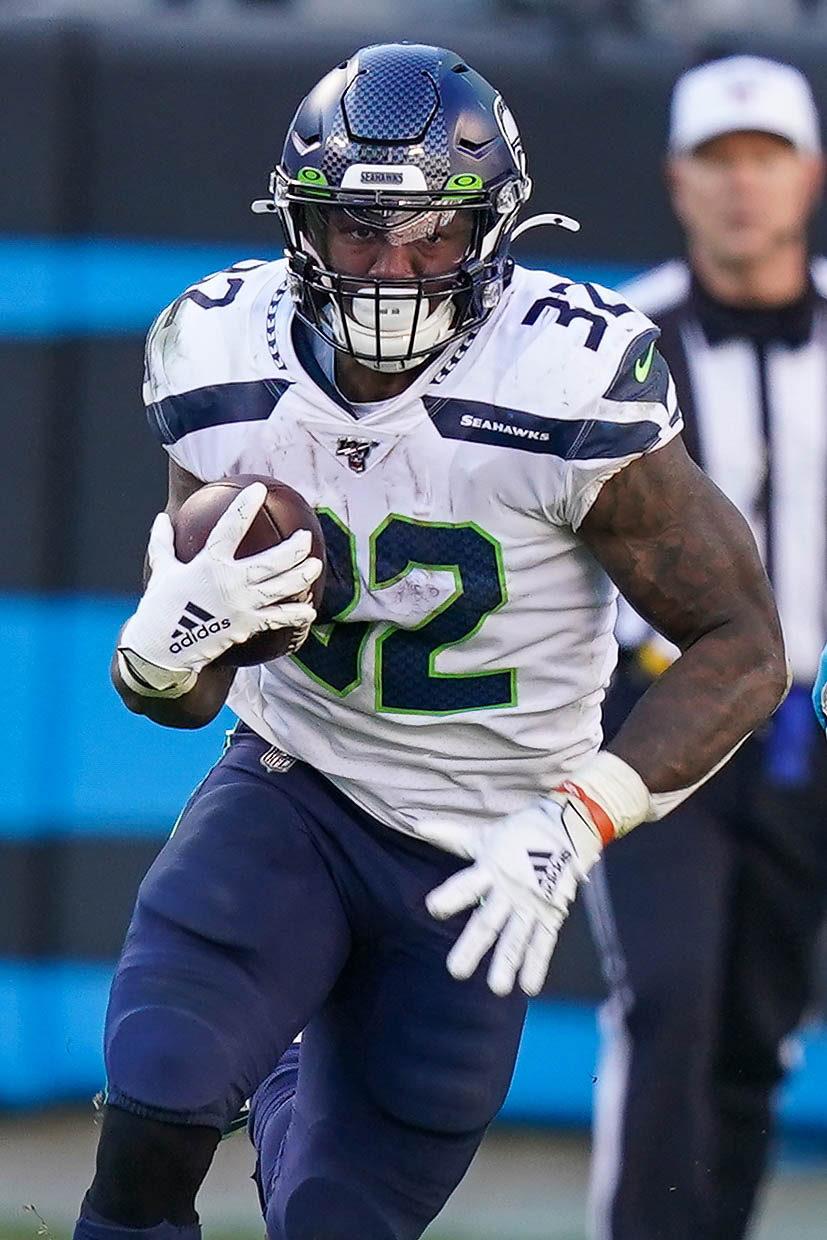
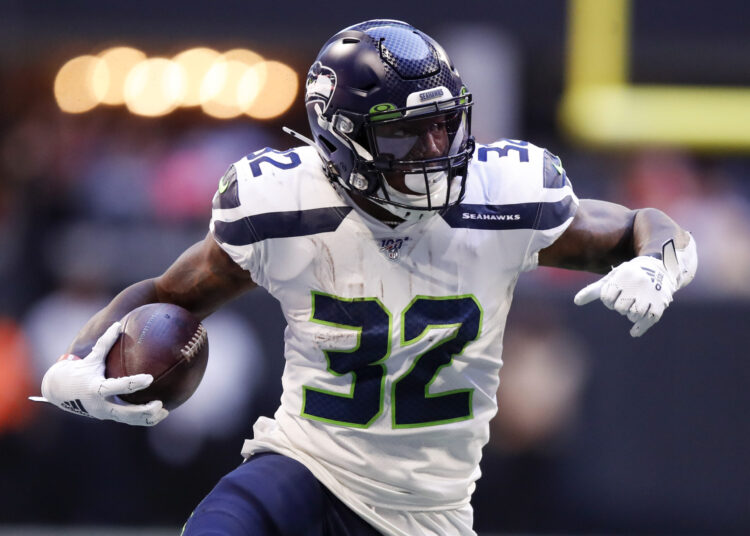
In the high-stakes theater of the National Football League, a player’s brand is often inextricably linked to their physical performance. For Chris Carson, the former star running back for the Seattle Seahawks, that brand was built on a foundation of “unapologetic physicality.” Known for his punishing running style and his ability to turn a three-yard loss into a five-yard gain through sheer willpower, Carson became the personification of the “Go Hawks” identity during his tenure.
However, when a significant neck injury forced his premature retirement in 2022, the question “What happened to Chris Carson?” shifted from a query about his presence on the depth chart to a fascinating case study in personal branding. For professional athletes and high-level executives alike, Carson’s journey offers profound insights into brand equity, narrative control, and the necessity of a “Pivot Strategy” when the primary product—in this case, his body—is no longer viable.

The Evolution of the “Hard-Hitting” Brand Identity
To understand the branding implications of Chris Carson’s career, one must first analyze the “product” he brought to the market. In professional sports, a brand is often built on a specific niche. Carson’s niche was resilience. Unlike the “flashy” backs who relied on speed, Carson’s brand was built on the blue-collar ethos of the Pacific Northwest.
The Seahawks Legacy: Building Brand Equity Through Consistency
Carson entered the league as a seventh-round draft pick. From a branding perspective, this is the “startup” phase. He lacked the venture capital of a first-round pedigree, meaning his brand equity had to be built from the ground up through consistent delivery. By the time he recorded back-to-back 1,000-yard seasons in 2018 and 2019, he had successfully established a “Corporate Identity” within the Seahawks organization. He wasn’t just a player; he was the “heartbeat” of the offense. This internal brand loyalty is what eventually led to a significant contract extension, proving that internal brand perception is just as critical as public-facing marketing.
When the Product Changes: Navigating a Forced Rebranding
In 2021, the narrative took a sharp turn. A chronic neck condition—specifically disc issues that eventually required surgery—halted the physical delivery of his brand. In the world of brand management, this is equivalent to a flagship product being discontinued due to a supply chain failure. When Carson officially retired in July 2022, he faced the ultimate brand challenge: how to maintain relevance when the core service you provide is no longer available. Carson’s “forced rebranding” required a shift from “Active Athlete” to “Legacy Figure,” a transition that many fail to navigate successfully.
Strategic Personal Branding Beyond the Field
The transition from a professional career to a “post-career” brand requires a delicate balance of sentimentality and forward-thinking strategy. Chris Carson’s approach to this transition highlights several key principles of personal branding that apply far beyond the gridiron.
Identity Transition: Moving from Athlete to Entrepreneur
The most common mistake in personal branding is tethering one’s entire identity to a single job title. When that title is removed, the brand collapses. Carson’s post-NFL life has been characterized by a quiet but intentional shift toward entrepreneurship and community presence. By diversifying his interests and investing in his image as a mentor and local icon, he has decoupled his “Value Proposition” from his “On-Field Production.” This is a vital lesson for any professional: your brand should be a reflection of your character and skills, not just your current role.
Narrative Control and Digital Footprint
In the absence of weekly highlights, an athlete’s brand is sustained through their digital footprint and media appearances. Carson has managed his exit with grace, maintaining a positive relationship with the Seahawks organization. This “Institutional Alignment” is a strategic move; by remaining “a Seahawk for life,” he leverages the massive brand power of a multi-billion dollar franchise to bolster his personal brand. Whether through social media updates or appearances at team events, he ensures that the search query “what happened to Chris Carson” yields results of a respected veteran rather than a forgotten casualty of the game.
Case Study: Lessons for Professionals in High-Volatility Industries
The suddenness of Carson’s retirement serves as a cautionary yet inspiring tale for professionals in any volatile industry, from tech startups to corporate finance. The “Carson Model” of branding emphasizes preparation for the unexpected.
The Importance of Diversifying the Brand Portfolio
Just as an investor diversifies a financial portfolio, a professional must diversify their brand. Carson was more than a runner; he was a leader in the locker room. In the corporate world, this translates to developing “Soft Skill Equity.” If your “Hard Skill” (like coding or financial modeling) becomes obsolete or you are unable to perform it, your “Soft Skill” brand (leadership, strategy, mentorship) becomes your primary asset. Carson’s brand survived the end of his physical career because his reputation for work ethic and leadership remained intact.
Community Engagement and Sustaining Relevance
A brand only exists if it is recognized by a community. Carson’s continued engagement with the Seattle community and his involvement in youth football camps are not just philanthropic acts; they are brand-sustaining activities. They keep his “Market Share” active in the minds of his target audience. For a professional, this means staying active in industry circles, contributing to thought leadership, and maintaining a network even when you aren’t looking for a new “contract.”
The Future of the Chris Carson Brand: Legacy and Longevity
As we look toward the future of the Chris Carson brand, the focus shifts from what he did to what he represents. His legacy is now his primary product, and the management of that legacy will determine his long-term marketability.
Philanthropy as a Brand Pillar
Many retired athletes use philanthropy to anchor their post-career brand. By aligning with specific causes, they transform their “Physical Brand” into a “Purpose-Driven Brand.” For Carson, his journey through injury provides a unique platform to advocate for player safety or medical advancements in sports. If he chooses to lean into this narrative, his brand could evolve into that of an advocate or consultant, opening up entirely new revenue streams and levels of influence.
Strategic Partnerships and Post-NFL Marketability
The final stage of the athlete brand pivot is the establishment of long-term partnerships. We see this with legends who become brand ambassadors for life. Because Carson retired with his reputation untarnished and his relationship with his former employer strong, he remains a “Brand-Safe” asset for local businesses and national sponsors. The “What happened to Chris Carson” story concludes not with a disappearance, but with a transformation. He has moved from being a participant in the market to being a symbol within it.
In conclusion, the story of Chris Carson is a powerful reminder that while professional titles are temporary, a well-constructed brand is durable. By focusing on consistency during his peak, maintaining narrative control during his transition, and diversifying his identity post-retirement, Carson has ensured that his brand will continue to resonate long after he has taken his last snap. For anyone looking to build a career that survives the inevitable “injuries” of the professional world, the Chris Carson story is a roadmap for a successful, dignified, and strategic brand pivot.
aViewFromTheCave is a participant in the Amazon Services LLC Associates Program, an affiliate advertising program designed to provide a means for sites to earn advertising fees by advertising and linking to Amazon.com. Amazon, the Amazon logo, AmazonSupply, and the AmazonSupply logo are trademarks of Amazon.com, Inc. or its affiliates. As an Amazon Associate we earn affiliate commissions from qualifying purchases.