
For several years, Cash App Pay stood as a cornerstone of the platform’s evolution from a simple peer-to-peer money transfer tool into a comprehensive digital wallet. It promised a seamless checkout experience for users, bridging the gap between Cash App balances and online merchants. However, as the digital payment landscape has shifted, so too has the functionality of Cash App Pay. To understand the current state of this feature, we must examine the broader evolution of Block, Inc.’s ecosystem and the strategic pivots the company has made to maintain its competitive edge in a crowded fintech market.
The Rise and Strategic Integration of Cash App Pay
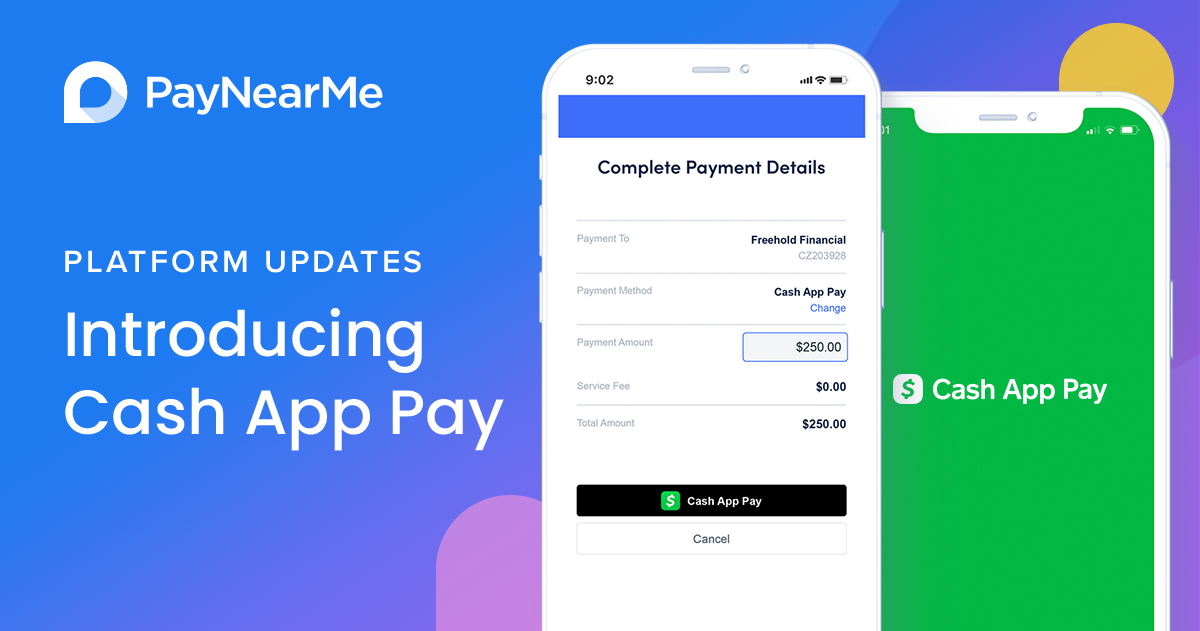
When Cash App Pay was introduced, it was designed to solve a friction point in the mobile commerce funnel. At its core, the feature allowed users to pay for goods and services at online merchants directly using their Cash App balance or linked debit card without the need to enter lengthy credit card numbers or shipping information.
Bridging the Peer-to-Peer Gap
Initially, Cash App gained massive market share through its social, viral nature. Users primarily leveraged the app to split bills, send birthday gifts, or reimburse friends. The introduction of Cash App Pay was an attempt to leverage that massive active user base into the merchant services sector. By allowing users to treat their app balance like a mobile wallet, Cash App sought to compete directly with giants like PayPal and Apple Pay.
Reducing Checkout Friction
The primary value proposition for merchants was conversion. Retailers have long struggled with “cart abandonment,” where shoppers leave a site because the checkout process is too tedious. By integrating a one-tap solution that pulled data directly from the user’s established Cash App account, merchants were promised higher completion rates. For a time, this integration seemed poised to turn Cash App into a daily utility rather than just an occasional money-sending app.
The Shifting Financial Landscape and Strategic Retrenchment
As the fintech sector matured, the operational priorities for Cash App underwent a significant change. What was once an aggressive growth phase—prioritizing the sheer volume of features and user acquisition—shifted toward a focus on unit economics, risk management, and long-term sustainability.
Risk Management and Regulatory Scrutiny
One of the primary factors influencing the evolution of Cash App Pay has been the increasing complexity of regulatory compliance. Operating a merchant-facing payment system involves rigorous Know Your Customer (KYC) and Anti-Money Laundering (AML) checks. As the volume of transactions processed through “Pay” features increased, the burden on the platform to mitigate fraud grew exponentially. To ensure the integrity of the platform, the company had to refine which merchants and which types of transactions were supported, leading to a more curated and sometimes more restricted experience for the end user.
Consolidating the Ecosystem: The Role of Afterpay
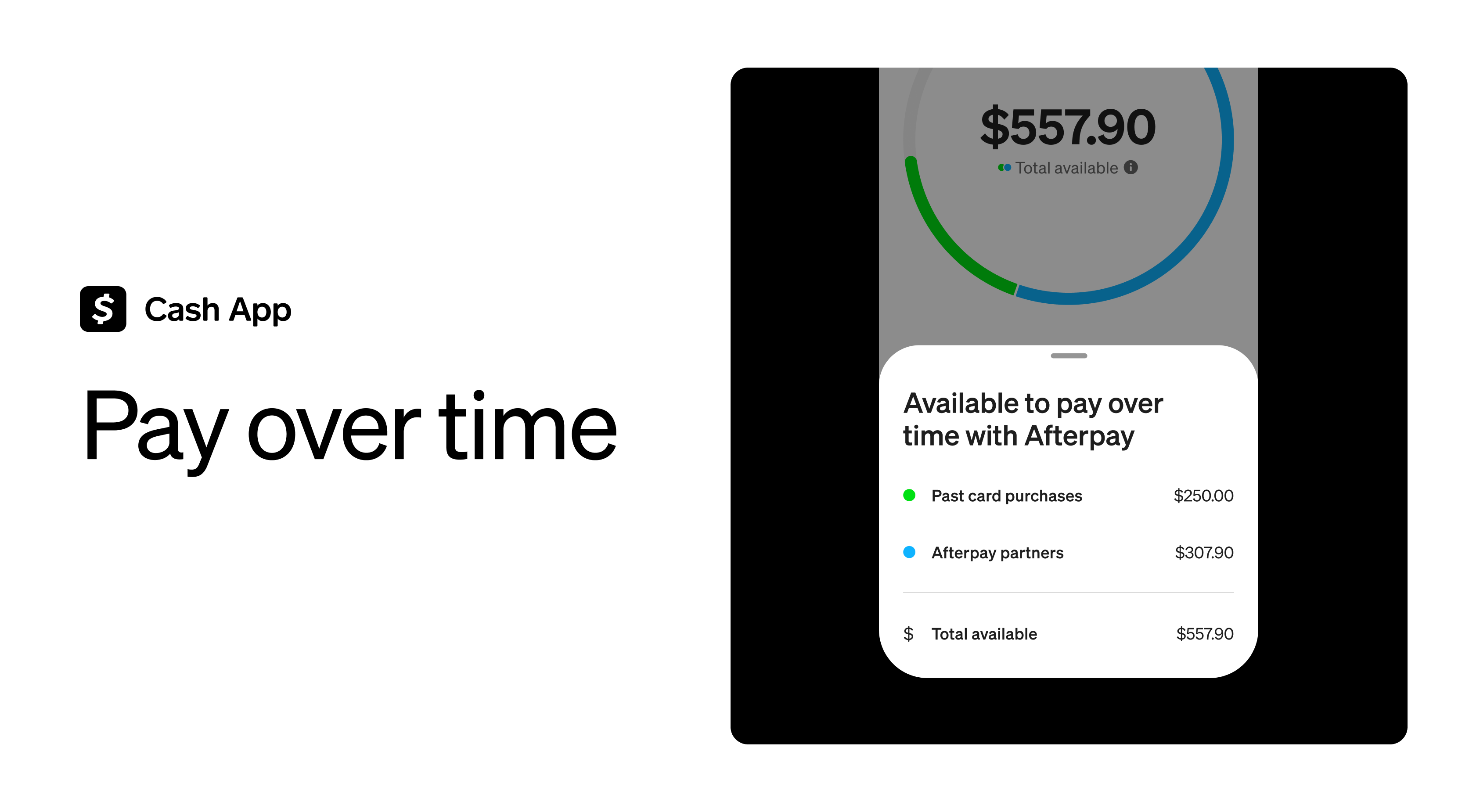
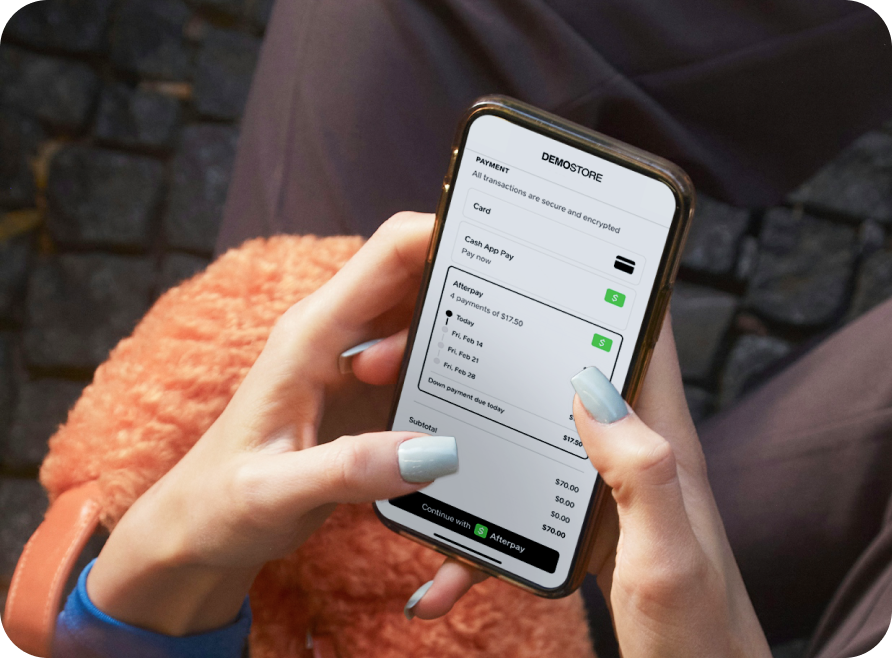
Perhaps the most significant factor affecting the trajectory of Cash App Pay was Block’s acquisition of Afterpay. With the addition of a robust “Buy Now, Pay Later” (BNPL) infrastructure, the company’s internal focus shifted. Integrating BNPL capabilities directly into the Cash App user interface provided a more compelling value proposition for users than simple transactional payments. The company began prioritizing credit-based products, which often yield higher merchant fees and better engagement than standard payment processing. This strategic shift forced standard “pay-now” features to take a backseat to more sophisticated credit offerings.
The Current State: From Standalone Feature to Background Utility
If you find that Cash App Pay feels less prominent today than it did in the past, it is because the technology has been absorbed into a more unified financial suite. It has not necessarily disappeared, but it has undergone a transformation in how it is marketed and deployed.
Integration with the Cash App Card
For most users, the distinction between “Cash App Pay” and the Cash App Card has blurred. The Cash App Card—a physical or virtual Visa debit card—now serves as the primary instrument for retail transactions. By prioritizing the card, Block has managed to align its product more closely with traditional banking rails, making it easier for users to pay at any merchant that accepts Visa, rather than relying on specific merchant-level integrations that were required by the old Cash App Pay system.
Focus on Closed-Loop and Direct Ecosystems
The modern strategy for Cash App centers on building a closed-loop system where users spend their money within the app’s own ecosystem, which includes stock trading, Bitcoin purchasing, and tax preparation. By encouraging users to hold funds within the app rather than instantly transferring them out, Cash App increases its “float” and engagement. Consequently, the importance of a standalone “Pay” button at a third-party checkout screen has been superseded by the importance of the app being the user’s “primary financial hub.”
Future Outlook: Where Financial Tools are Headed
As we look toward the future of mobile payments, the decline of the standalone “Pay” feature as a marquee product is likely permanent. However, this does not indicate a failure of the concept; rather, it highlights the evolution of the industry toward embedded finance.
The Rise of Invisible Payments
The industry is moving away from branded “Pay” buttons and toward invisible payment structures. In this future, the payment is triggered by the user’s intent and verified by biometric authentication, with the underlying provider being abstracted away. Cash App is currently positioning itself to be the layer that manages that intent, whether through the debit card, direct bank transfers, or future credit products. The focus has moved from “Can you pay with Cash App?” to “Is Cash App the app where your money lives?”
Strengthening the Merchant Network
Despite the shift away from the specific “Cash App Pay” branding, the company continues to invest heavily in Square, the merchant-facing side of its business. The synergy between Square (the merchant) and Cash App (the consumer) is the true long-term goal. Instead of chasing third-party website integrations, the company is focusing on connecting the two halves of its business. When a user shops at a store that uses a Square point-of-sale system, the integration with Cash App is seamless and profound. This “closed loop” is much more valuable to the business than trying to insert a button on every e-commerce site across the internet.
Final Observations on the Evolution of Fintech
The “disappearance” or evolution of Cash App Pay serves as a microcosm for the broader fintech market. The initial excitement surrounding digital wallets and novel payment buttons has cooled, replaced by a realization that sustainable growth comes from deepening the relationship with the user.
Cash App transitioned from a utility to a financial platform. In doing so, it outgrew the need for a specific, standalone “Pay” feature that required constant marketing and merchant adoption. Instead, it has optimized its offering to focus on the Cash App Card and integrated financial services. For the user, this means the experience is arguably more reliable and ubiquitous than it was during the “Pay” era, even if the specific branding of that feature has faded into the background.
Ultimately, Cash App Pay taught the company vital lessons about consumer behavior, fraud prevention, and the importance of merchant-side infrastructure. These lessons have been baked into the platform’s current architecture. While the industry continues to move at a breakneck pace, the shift in how we process transactions—moving from clunky, branded buttons to frictionless, integrated debit and credit solutions—is a testament to the maturation of the digital economy. Cash App Pay wasn’t so much a failed experiment as it was a necessary bridge to a more integrated and sophisticated future. As consumers continue to demand speed and simplicity, the tools that facilitate these transactions will continue to change, likely becoming even more invisible and integrated than they are today.
aViewFromTheCave is a participant in the Amazon Services LLC Associates Program, an affiliate advertising program designed to provide a means for sites to earn advertising fees by advertising and linking to Amazon.com. Amazon, the Amazon logo, AmazonSupply, and the AmazonSupply logo are trademarks of Amazon.com, Inc. or its affiliates. As an Amazon Associate we earn affiliate commissions from qualifying purchases.