
The acronym “WEF” stands for the World Economic Forum, an independent international organization committed to improving the state of the world by engaging political, business, cultural, and other leaders of society to shape global, regional, and industry agendas. While its literal meaning is straightforward, understanding what WEF “stands for” in a broader brand context involves a deep dive into its corporate identity, strategic positioning, stakeholder engagement, and overall global perception. As a prominent global brand, the WEF’s meaning extends far beyond its name, encompassing its mission, values, and the significant impact it seeks to make on the international stage.
The Core Identity: Unpacking the World Economic Forum
At its foundation, the World Economic Forum is a not-for-profit foundation established in 1971, headquartered in Geneva, Switzerland. Its brand identity is meticulously constructed around its core mission: to serve as an impartial platform for dialogue and collaboration on critical global issues. This mission is the bedrock of its brand promise, distinguishing it from political bodies or purely commercial entities. Understanding the WEF brand begins with recognizing its commitment to fostering public-private cooperation as a means of addressing the world’s most pressing challenges.
Origins and Mission: From Davos to Global Dialogue
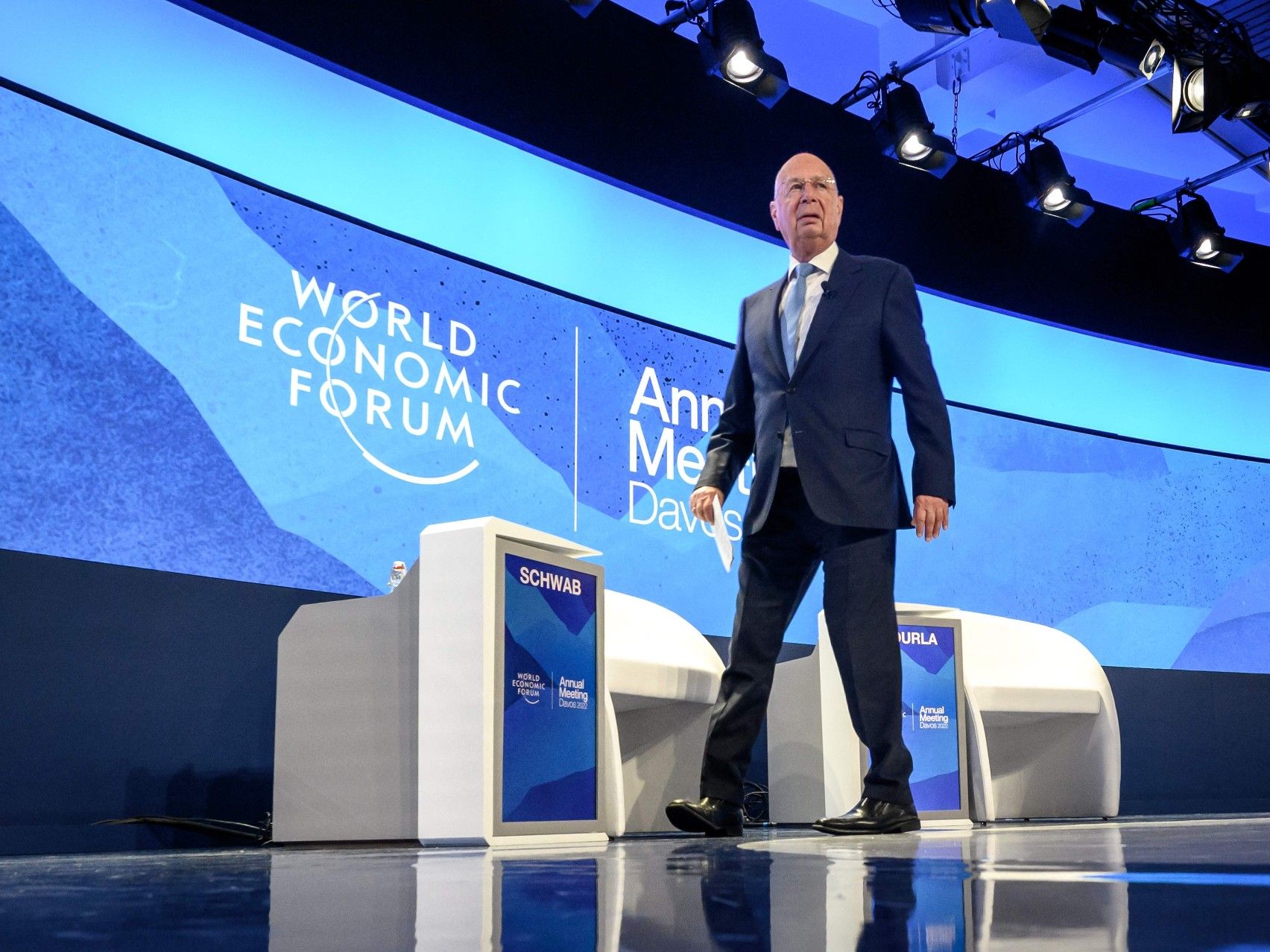
The WEF’s origins trace back to Professor Klaus Schwab, who founded the “European Management Forum” in 1971, bringing European business leaders together to introduce them to American management practices. This initial gathering in Davos, Switzerland, laid the groundwork for what would become a unique global institution. The evolution from a regional management forum to the “World Economic Forum” in 1987 marked a significant shift in its brand ambition, reflecting a broadened scope to include international political and social issues. Its brand mission evolved from management education to facilitating multi-stakeholder dialogue on a global scale, positioning itself as a neutral convener rather than an advocate for any single agenda. This foundational brand narrative emphasizes its role as a catalyst for change, built on principles of independence and impartiality.
Beyond the Acronym: Defining its Purpose and Values
The WEF brand is defined not just by what it is, but by what it does and what it represents. Its core purpose is to act as the “International Organization for Public-Private Cooperation,” a statement that powerfully articulates its brand proposition. This involves convening leaders from diverse sectors—government, business, academia, and civil society—to foster collaborative solutions. The brand’s values, such as global stewardship, entrepreneurship in the global public interest, and maintaining integrity and neutrality, are consistently reflected in its operations, content, and events. These values are crucial brand anchors, shaping its messaging, guiding its initiatives, and underpinning its reputation for facilitating meaningful, albeit often complex, discussions that transcend national and sectoral boundaries.
The WEF’s Unique Selling Proposition (USP) as a Brand
The World Economic Forum’s brand possesses a distinctive USP: its unparalleled ability to convene the world’s most influential decision-makers in a setting designed for both formal and informal dialogue. No other organization consistently brings together such a high concentration of heads of state, CEOs of multinational corporations, leading academics, and civil society representatives. This convening power is a core brand asset, allowing the WEF to facilitate discussions that can genuinely influence global policy, business strategies, and societal norms. Its brand promise centers on providing a unique platform for idea exchange, problem-solving, and relationship-building among global elites, making it a critical hub in the ecosystem of international governance and commerce. This exclusive access and ability to foster high-level interaction are central to its brand identity and value proposition.
Building the WEF Brand: Strategy, Communication, and Perception
The WEF’s brand strategy is multifaceted, aiming to cultivate an image of authority, neutrality, and influence. This involves careful corporate identity management, strategic communication, and proactive reputation stewardship. The challenge lies in maintaining this carefully constructed brand image amidst global scrutiny and diverse stakeholder expectations. The WEF consistently leverages its events, publications, and digital presence to reinforce its brand messaging and demonstrate its relevance in a constantly evolving world.
Crafting Corporate Identity: Visuals, Tone, and Messaging
The visual identity of the WEF brand—its logo, color palette, and design aesthetic—conveys professionalism, seriousness, and global reach. Its communications consistently adopt a tone that is authoritative, insightful, and forward-looking, reflecting its role as a thought leader. Messaging is carefully crafted to emphasize collaboration, innovation, and a commitment to addressing systemic global challenges. Whether through its flagship annual meeting in Davos, its regional summits, or its extensive array of reports and initiatives, the WEF ensures a consistent brand experience. This consistency in identity, tone, and messaging reinforces its positioning as a credible, impactful, and essential platform for global dialogue and action.
Reputation Management in a Global Arena
Managing the WEF’s brand reputation is a complex undertaking, given its high profile and the contentious nature of many issues it addresses. The organization faces scrutiny and criticism regarding its inclusivity, its perceived influence, and the impact of its initiatives. Effective reputation management involves transparent communication, actively engaging with critics, and demonstrating tangible outcomes. The WEF must continually articulate its value proposition and show how its efforts contribute to positive global change. Its brand resilience depends on its ability to navigate these challenges, acknowledge legitimate concerns, and maintain the trust of its diverse stakeholders, proving that its brand promise of “improving the state of the world” is more than just rhetoric.
The ‘Davos Man’ Narrative: Branding by Association

The term “Davos Man” has emerged as a shorthand to describe the global elite who gather at the WEF’s annual meeting. This popular culture phenomenon, while not officially sanctioned by the WEF, has become an indelible part of its brand narrative, often carrying connotations of disconnect from ordinary citizens or perceived elitism. For the WEF brand, this presents both an opportunity and a challenge. On one hand, it highlights the influence and exclusivity of its network; on the other, it necessitates continuous efforts to demonstrate broader societal relevance and inclusivity. Proactively addressing this perception through initiatives that engage a wider array of voices and focus on tangible societal benefits is critical for the WEF to evolve its brand beyond mere association with a select group.
Stakeholder Engagement and Brand Impact
The World Economic Forum’s brand impact is largely derived from its ability to effectively engage a wide array of stakeholders. Its initiatives are designed to foster cooperation between these groups, and its brand serves as the unifying force that encourages their participation. The WEF’s influence extends through its curated content, strategic partnerships, and the direct outcomes of its collaborative efforts, all reinforcing its brand as a powerful catalyst for global progress.
Engaging Diverse Audiences: A Multi-faceted Brand Approach
The WEF’s brand strategy meticulously targets distinct stakeholder groups—governments, multinational corporations, civil society organizations, academic institutions, and media—each with tailored engagement strategies. For governments, the brand emphasizes policy dialogue and international cooperation; for businesses, it highlights opportunities for leadership and shaping industry agendas; for civil society, it underscores inclusive dialogue and advocacy platforms. This multi-faceted brand approach ensures that the WEF remains relevant and valuable across a broad spectrum of global actors, cementing its reputation as an essential convener for comprehensive, cross-sectoral problem-solving. Its brand’s strength lies in its ability to bridge these diverse interests under a common banner of global improvement.
Thought Leadership as a Brand Asset
A cornerstone of the WEF brand is its extensive output of thought leadership, including reports, analyses, and initiatives focused on critical global issues such as climate change, artificial intelligence, economic inequality, and geopolitical risks. These publications and platforms are powerful brand assets, establishing the WEF as an authoritative source of insights and a primary driver of global discourse. By consistently publishing high-quality, data-driven content, the WEF reinforces its brand as an intellectual hub that not only convenes leaders but also provides the foundational knowledge and frameworks for informed decision-making. This thought leadership strategy is crucial for maintaining its credibility and relevance in a competitive landscape of ideas.
Partnerships and Alliances: Extending Brand Reach and Credibility
The WEF strategically forms partnerships and alliances with leading organizations, institutions, and expert networks around the world. These collaborations are vital for extending its brand reach, enhancing its credibility, and amplifying the impact of its initiatives. By partnering with entities that share its commitment to global betterment, the WEF can co-create solutions, leverage diverse expertise, and mobilize resources more effectively. Such alliances are a testament to the WEF’s brand appeal, as reputable organizations choose to associate themselves with its mission and platform, thereby mutually reinforcing their collective brand equity and demonstrating a shared commitment to addressing complex global challenges collaboratively.
The Evolving WEF Brand: Relevance and Future Trajectory
In an increasingly complex and fragmented world, the WEF brand faces the ongoing imperative to remain relevant, impactful, and trusted. Its future trajectory will depend on its ability to adapt to new global dynamics, embrace digital transformation, and continuously reinforce its core values of inclusivity and authenticity. The brand’s agility in responding to emerging crises and shifting priorities will define its enduring legacy and its continued role as a leading global convener.
Adapting to Global Shifts: Maintaining Brand Resonance
The WEF brand must continually adapt its focus and approach to maintain resonance in a world characterized by rapid technological advancement, geopolitical shifts, and evolving societal expectations. This involves proactively identifying emerging global challenges and opportunities, and then designing initiatives that address them with foresight and impact. For instance, the brand has expanded its focus from purely economic issues to include environmental sustainability, social equity, and the ethical implications of emerging technologies. This adaptive strategy ensures that the WEF’s brand remains perceived as forward-thinking and responsive, rather than static or out of touch, thereby securing its relevance for future generations of leaders and global challenges.
Digital Presence and Brand Storytelling
In the digital age, the WEF’s brand extends significantly beyond its physical meetings, leveraging its online platforms, social media presence, and digital content to engage a broader, more diverse audience. Effective digital presence and brand storytelling are critical for democratizing access to its insights and initiatives, amplifying its voice, and shaping public narratives. Through live streams of sessions, interactive reports, and social media campaigns, the WEF can connect with individuals far beyond Davos, fostering a sense of global community and participation. This digital transformation of its brand strategy is essential for demonstrating transparency, fostering broader engagement, and ensuring its messages reach a wider audience that is increasingly digitally native.
Sustaining Authenticity and Trust in a Skeptical World
Perhaps the greatest ongoing challenge for the WEF brand is to sustain authenticity and trust in an era marked by widespread skepticism towards global institutions and elites. This requires unwavering commitment to transparency, accountability, and demonstrating tangible, positive impact. The WEF must continually prove its neutrality and its dedication to the global public interest, rather than perceived narrow corporate or national agendas. By consistently delivering on its brand promise to facilitate meaningful dialogue and drive actionable solutions, and by fostering an environment of genuine collaboration, the WEF can reinforce its brand integrity and ensure its continued standing as a respected and influential voice in shaping the future of the world.
aViewFromTheCave is a participant in the Amazon Services LLC Associates Program, an affiliate advertising program designed to provide a means for sites to earn advertising fees by advertising and linking to Amazon.com. Amazon, the Amazon logo, AmazonSupply, and the AmazonSupply logo are trademarks of Amazon.com, Inc. or its affiliates. As an Amazon Associate we earn affiliate commissions from qualifying purchases.