
The acronym “ACA” has functioned as a cornerstone in the American discourse for over a decade, yet its meaning and the financial implications surrounding it have shifted dramatically since its inception. For the individual navigating personal finance and the business owner balancing a ledger, the Affordable Care Act—commonly referred to as the ACA or “Obamacare”—represents a massive, evolving line item. Understanding what happened to the ACA requires viewing it not just as a piece of legislation, but as a complex financial ecosystem that dictates how millions of households allocate their monthly budgets and how corporations approach their human capital investments.
The Financial Evolution of the Insurance Marketplace
When the ACA was signed into law, the primary objective was to expand access to coverage by mandating individual participation and providing federal subsidies to lower the barrier to entry. However, the “marketplace” has transformed from a fledgling experiment into a stabilized, yet highly sensitive, financial instrument.
The Role of Enhanced Subsidies
The most significant financial shift in recent years occurred through the expansion of Advanced Premium Tax Credits (APTCs). Originally, subsidies were tightly bracketed by income levels, often creating a “subsidy cliff” where individuals earning just slightly over 400% of the Federal Poverty Level lost all financial assistance. Recent legislative adjustments removed this cliff, capping insurance premiums at a percentage of household income regardless of total earnings. For the average consumer, this transformed the ACA from an unaffordable luxury for the middle class into a viable, predictable line item in their annual budget.
Market Stabilization and Premium Fluctuations
In the early years of the exchanges, insurers faced significant volatility. Many left the market entirely, citing adverse selection—a financial phenomenon where the pool of insured individuals skewed toward those with higher medical needs, driving costs upward. Over the last five years, however, the market has entered a period of relative maturation. Insurance carriers have developed more sophisticated actuarial models, leading to a stabilization of premium growth. For the consumer, this means that while healthcare costs remain high, the erratic, double-digit annual premium spikes that characterized the 2015–2017 era have largely subsided, replaced by more manageable, inflationary-level adjustments.
Corporate Liability and Employer Mandates
The ACA fundamentally altered the financial relationship between employers and employees. Large employers were mandated to provide “minimum essential coverage” that met specific “affordability” thresholds. This shift forced a massive recalibration of corporate balance sheets.
The Rise of Self-Funding Plans
To combat rising premium costs, many mid-sized and large corporations transitioned away from fully insured plans to self-funded models. In a self-funded arrangement, the company assumes the financial risk of providing health benefits to its employees, paying for claims out-of-pocket rather than paying a fixed premium to an insurance carrier. This strategy allowed companies to avoid the “ACA premium tax” and gain greater control over their cash flow. By effectively “becoming the insurance company,” businesses have been able to mitigate the impact of ACA mandates while tailoring coverage to suit their specific demographic needs.
The Impact on Human Capital Strategy
Small businesses, particularly those hovering near the 50-employee threshold, have had to navigate the ACA as a significant hurdle to growth. The “Employer Mandate” acts as a form of shadow taxation. Companies that choose to scale past 50 full-time equivalent employees trigger a suite of financial responsibilities, including reporting requirements and the potential for shared responsibility payments if coverage is deemed unaffordable. Consequently, the ACA has become a key variable in strategic business planning, often influencing decisions regarding hiring practices, the use of independent contractors versus W-2 employees, and the overall total compensation packages offered to attract talent.
Navigating the ACA as a Personal Finance Tool
For the self-employed, the gig economy worker, and the early retiree, the ACA is no longer just a policy—it is a critical component of one’s personal financial strategy. It serves as a bridge for individuals who lack employer-sponsored insurance, fundamentally changing how they approach retirement planning and career pivots.
Retirement Bridge and Early Exit Planning
One of the most profound impacts of the ACA on personal finance is its influence on the “FIRE” (Financial Independence, Retire Early) movement. Before the ACA, an early retiree’s primary financial obstacle was the high cost of private health insurance until they reached the age of Medicare eligibility at 65. Today, because subsidies are based on Modified Adjusted Gross Income (MAGI), savvy early retirees can manipulate their taxable income through strategic asset liquidation or retirement account withdrawals to keep their premiums artificially low. This has fundamentally lowered the “number”—the amount of money required to retire—for thousands of Americans.
Optimizing Tax-Advantaged Accounts
Because ACA subsidies are calculated based on MAGI, the interaction between insurance costs and tax-advantaged accounts like 401(k)s, Traditional IRAs, and Health Savings Accounts (HSAs) has become a high-stakes puzzle. Contributing to a traditional 401(k) lowers one’s MAGI, which in turn can increase the amount of federal subsidy one receives for their ACA premium. This creates a “double dip” advantage: the individual reduces their current taxable income while simultaneously reducing their immediate insurance overhead. Mastering this interplay is now considered an essential skill for the financially literate American.
The Future of the ACA’s Financial Landscape
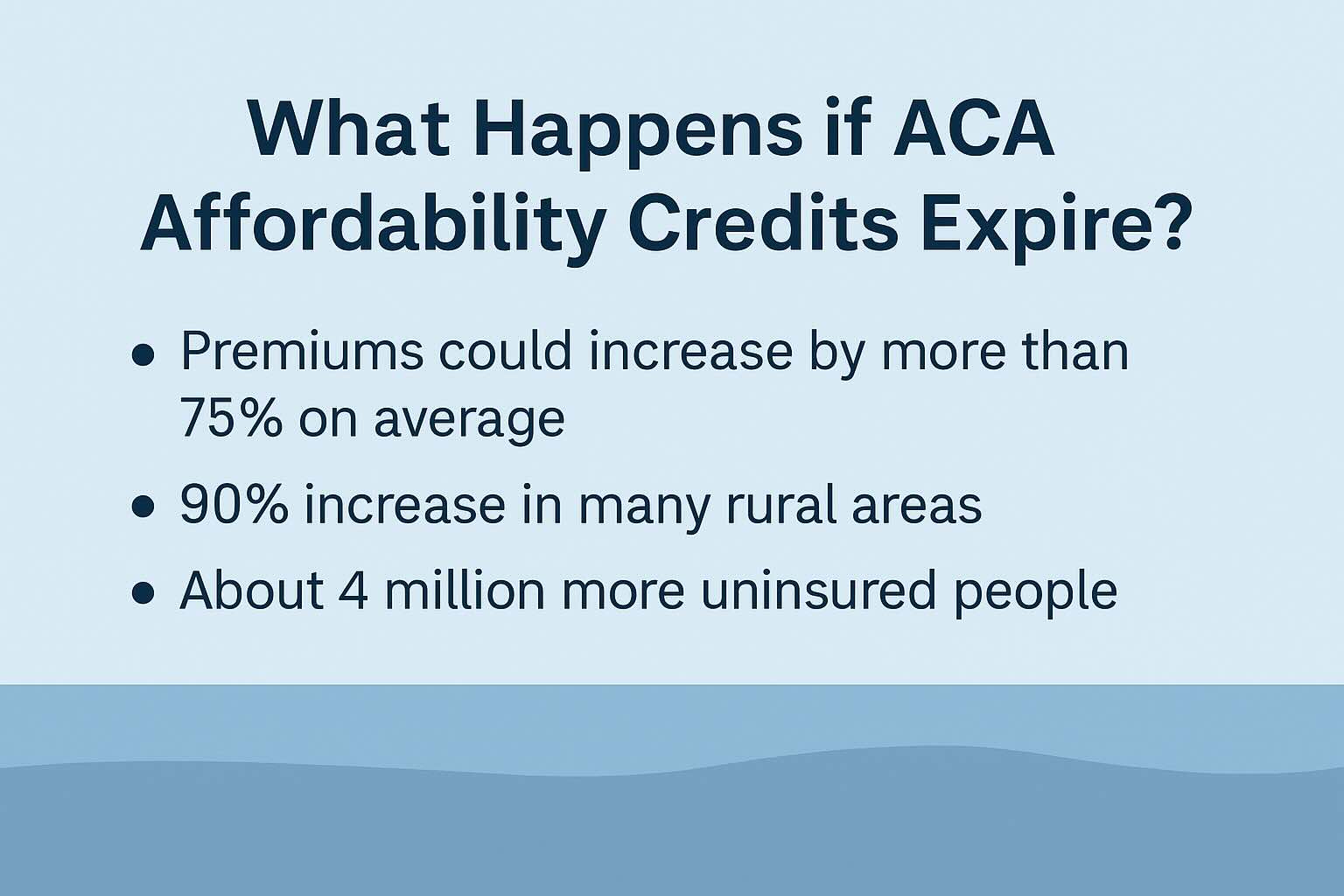
Looking forward, the financial structure of the ACA faces ongoing scrutiny regarding its long-term sustainability. The federal government’s fiscal policy is heavily tethered to the longevity of these subsidies. Should the enhanced tax credits be allowed to expire, the financial landscape for millions would shift overnight, forcing a rapid reallocation of disposable income.
The Shift Toward Value-Based Care
Beyond premiums and subsidies, the ACA introduced frameworks for “value-based care,” an attempt to transition the American healthcare system from a “fee-for-service” model to one that rewards providers for patient outcomes. While this is primarily a medical operational change, it has profound financial implications. As insurance networks tighten and become more restrictive, the cost-to-benefit ratio for patients is changing. Consumers are increasingly forced to balance the monthly cost of their plan against the “network adequacy,” or the ability to see specific, high-quality providers.

Strategic Planning in an Uncertain Environment
Ultimately, the ACA has evolved from a controversial political initiative into a permanent, albeit complex, fixture of the American financial system. Whether for an enterprise managing its risk pool or a household managing its retirement savings, the ACA requires a proactive approach. It rewards those who understand the nuances of income structuring, the mechanics of market subsidies, and the long-term impact of choosing between self-funded and fully insured plans. As the legislative landscape continues to fluctuate, the financial success of individuals and businesses will depend on their ability to treat healthcare not as a fixed cost, but as a dynamic variable that can be managed, optimized, and integrated into a broader fiscal strategy. The ACA is no longer just a law; it is a financial environment that demands constant monitoring and strategic foresight.
aViewFromTheCave is a participant in the Amazon Services LLC Associates Program, an affiliate advertising program designed to provide a means for sites to earn advertising fees by advertising and linking to Amazon.com. Amazon, the Amazon logo, AmazonSupply, and the AmazonSupply logo are trademarks of Amazon.com, Inc. or its affiliates. As an Amazon Associate we earn affiliate commissions from qualifying purchases.