
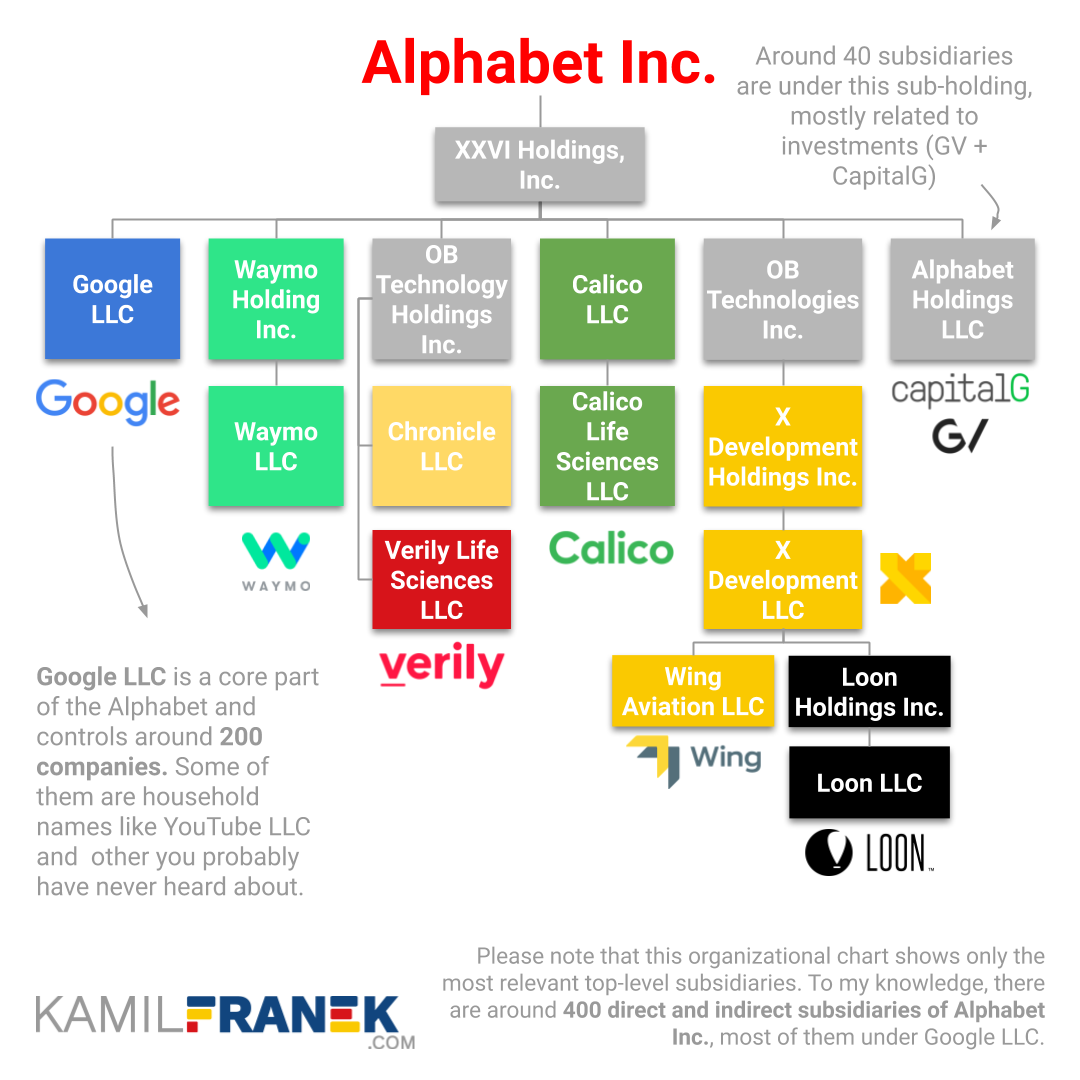
Alphabet Inc., the sprawling conglomerate born from a strategic restructuring in 2015, stands as a titan at the forefront of global technology. Far more than just Google, Alphabet represents a meticulously engineered ecosystem designed to foster innovation, diversify investments, and pursue audacious “moonshot” projects that push the boundaries of what’s technologically possible. The question “what does Alphabet own?” is an inquiry into the very fabric of modern tech, revealing a complex web of companies, products, and research initiatives that touch nearly every aspect of digital life and beyond. This article delves into the intricate portfolio of Alphabet, dissecting its core technological assets and its ambitious ventures into future-shaping industries.
The Core Pillar: Google’s Dominance in Digital Services
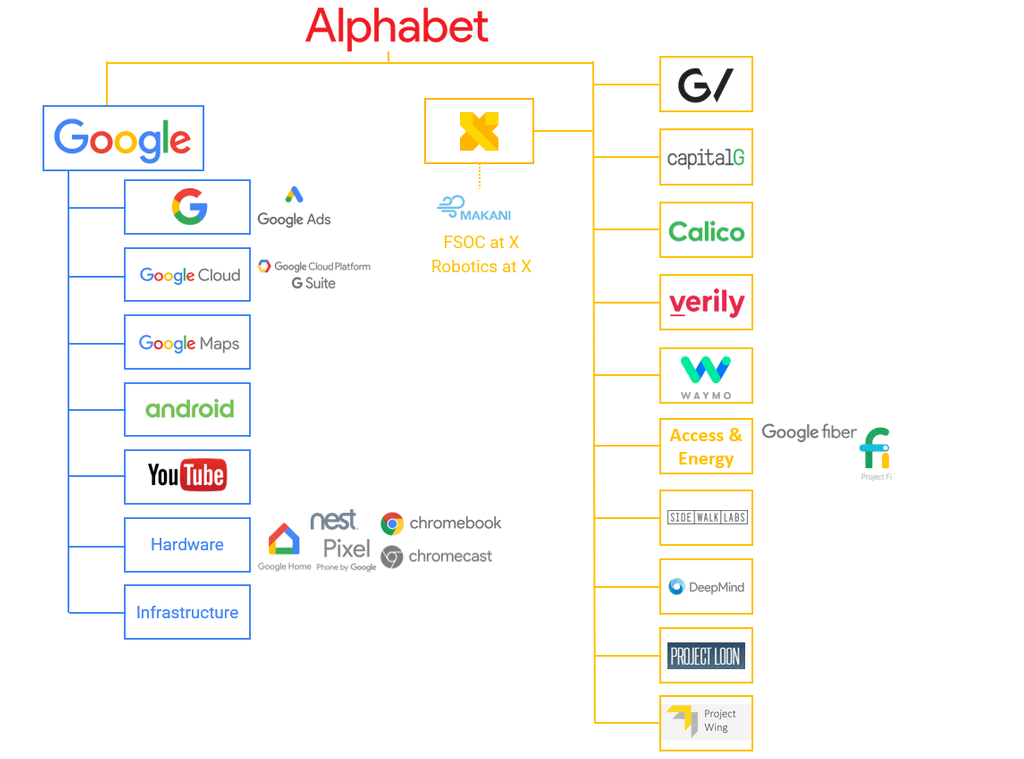
At the heart of Alphabet’s empire lies Google, the foundational tech giant responsible for the vast majority of Alphabet’s revenue and global reach. Google is not a single entity but a constellation of services and products that have become indispensable to billions worldwide. Its ownership under Alphabet represents a strategic consolidation, allowing Google to focus on its core mission while other “bets” pursue more speculative, long-term visions.
Search, Advertising, and AI Foundation
Google’s origins are rooted in its eponymous search engine, which remains its most recognizable and powerful product. Google Search, processing trillions of queries annually, is not merely a tool for information retrieval but a sophisticated AI-driven platform that continuously learns and adapts. This search prowess forms the bedrock of Google’s colossal advertising business, which leverages vast datasets and advanced algorithms to deliver targeted ads across its own properties and a multitude of third-party websites and apps. The underlying artificial intelligence and machine learning capabilities developed for search and ads are cross-pollinated throughout Alphabet, forming a crucial technological advantage. Beyond the immediate user experience, Google’s AI research has yielded breakthroughs in natural language processing, computer vision, and recommendation engines, powering everything from Google Assistant to content moderation systems.
Pervasive Platforms: Android, Chrome, and Maps
Alphabet’s ownership extends to some of the most widely adopted technological platforms on the planet. Android, the world’s most popular mobile operating system, powers billions of smartphones and an ever-growing array of smart devices, creating an expansive ecosystem for apps and services. Complementing this mobile dominance is Google Chrome, the leading web browser, which serves as a gateway to the internet for a significant portion of global users, seamlessly integrating with other Google services. Google Maps, a mapping and navigation service that has revolutionized how people explore and traverse the world, utilizes an immense amount of data, satellite imagery, and AI to provide real-time information, traffic updates, and detailed geographical insights. These platforms are not just standalone products; they are interconnected conduits that facilitate access to Google’s broader suite of services, cementing its omnipresence in daily digital interactions.
Enterprise and Cloud Solutions: Google Cloud & Workspace
While Google’s consumer products are globally recognized, its enterprise offerings represent a rapidly growing segment of Alphabet’s tech portfolio. Google Cloud Platform (GCP) provides businesses with a robust suite of cloud computing services, including infrastructure as a service (IaaS), platform as a service (PaaS), and software as a service (SaaS). Competing directly with industry giants like Amazon Web Services and Microsoft Azure, GCP leverages Google’s global infrastructure and expertise in AI/ML to offer scalable, secure, and cutting-edge solutions for data analytics, machine learning, and application development. Alongside GCP, Google Workspace (formerly G Suite) offers a comprehensive set of productivity and collaboration tools – including Gmail, Docs, Drive, Calendar, and Meet – designed for businesses and educational institutions, facilitating seamless remote work and digital communication. These enterprise technologies are crucial for Alphabet’s diversification strategy, tapping into the lucrative market for business-critical software and infrastructure.
Content & Communication: YouTube and Other Media Ventures
Alphabet’s acquisition of YouTube in 2006 proved to be one of the most prescient moves in tech history. YouTube has evolved from a nascent video-sharing platform into the world’s largest video community, a global entertainment powerhouse, and a significant driver of cultural trends. Its vast content library, sophisticated recommendation algorithms, and creator ecosystem make it an invaluable asset, driving substantial advertising revenue and engaging billions of users monthly. Beyond YouTube, Alphabet’s investments in media technology include ventures like Google TV (formerly Android TV), which integrates streaming services and live television, and initiatives to enhance news dissemination and media consumption across its platforms, reinforcing its role as a key player in how digital content is created, distributed, and consumed globally.
Charting Future Frontiers: Alphabet’s “Other Bets” in Emerging Technologies
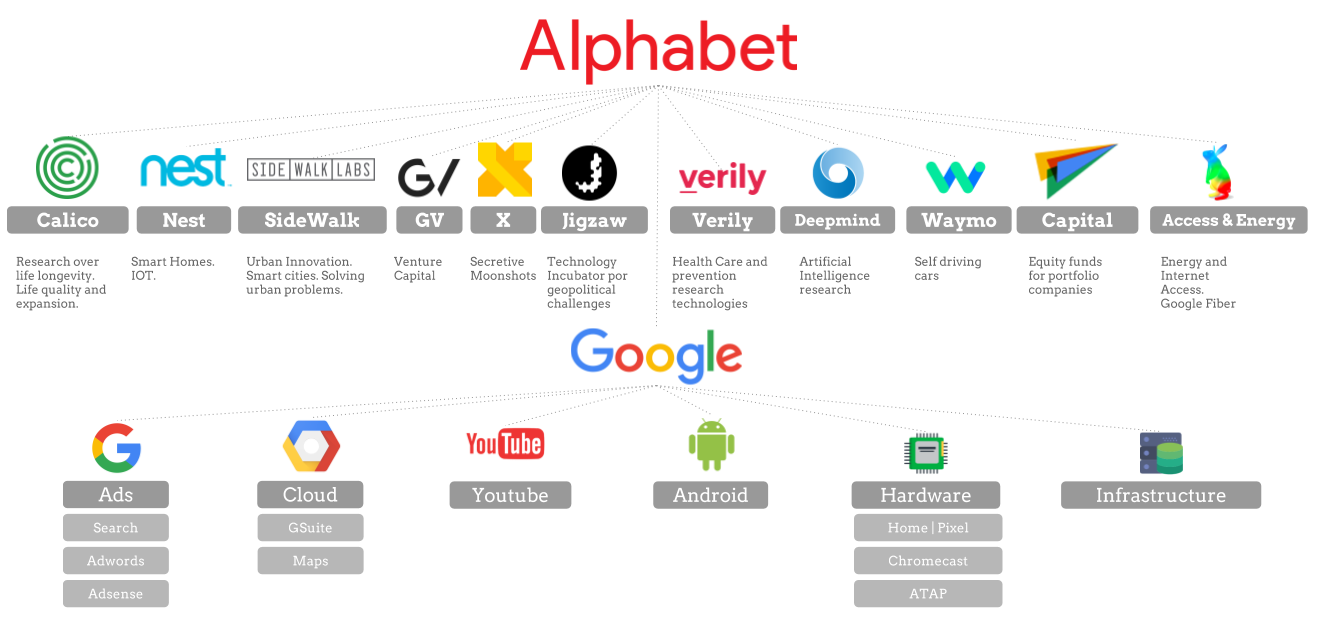
Beyond the established dominance of Google, Alphabet strategically owns a portfolio of innovative companies known collectively as “Other Bets.” These ventures, often characterized by their long-term vision and ambitious technological pursuits, represent Alphabet’s commitment to exploring and investing in cutting-edge fields that could define the next generation of technology.
Autonomous Innovation: Waymo’s Self-Driving Vision
Waymo stands as a pioneering force in the development of autonomous driving technology. Leveraging decades of research in robotics, AI, and sensor fusion, Waymo is developing self-driving vehicles (SDVs) that aim to revolutionize transportation, enhance safety, and create new mobility services. Its technology encompasses advanced Lidar, radar, and camera systems, combined with sophisticated AI algorithms that enable vehicles to perceive their environment, predict behaviors, and navigate complex road conditions. Alphabet’s ownership of Waymo underscores its belief in the transformative potential of autonomous systems, positioning it at the forefront of a technology expected to reshape urban planning, logistics, and personal mobility.
Artificial Intelligence’s Vanguard: DeepMind and Google AI
Alphabet’s commitment to artificial intelligence is perhaps best exemplified by its ownership of DeepMind, a world-leading AI research company based in London. DeepMind is renowned for its breakthroughs in areas like reinforcement learning, producing landmark achievements such as AlphaGo (which defeated the world champion Go player) and AlphaFold (which accurately predicted protein structures). These fundamental AI advances are not confined to academic papers; their insights and techniques are increasingly integrated into Google’s core products and services, enhancing everything from search algorithms to energy efficiency in data centers. Alongside DeepMind, various Google AI divisions conduct extensive research, ensuring that Alphabet remains at the cutting edge of AI development, from foundational models to practical applications across its diverse portfolio.
Life Sciences & Health Tech: Verily and Calico
Alphabet’s “Other Bets” also venture into the realm of health and life sciences, leveraging technology to address some of humanity’s most pressing challenges. Verily (formerly Google Life Sciences) focuses on using data science, software, and hardware to prevent, detect, and manage disease. Its projects span from developing miniature continuous glucose monitors to creating AI tools for medical imaging analysis and building robust clinical research platforms. Calico (California Life Company), on the other hand, is dedicated to understanding the biology of aging and developing interventions that extend human lifespan and improve healthspan. These ventures represent Alphabet’s long-term bet on the convergence of technology and biology, aiming to bring computational power and data-driven insights to healthcare and medical research.
The Moonshot Factory: X’s Transformative Projects
X, formerly known as Google X, is Alphabet’s “moonshot factory” – a semi-secret research and development facility dedicated to inventing and launching groundbreaking technologies that could solve some of the world’s biggest problems. Projects within X are designed to be radical and speculative, with the potential for massive impact. Examples of past and present X projects include Wing (drone delivery), Loon (internet balloons, now wound down), and Makani (kite-power generation, also wound down after showing technical feasibility). X embodies Alphabet’s philosophy of exploring high-risk, high-reward innovations, providing a structured environment for ideas to evolve from audacious concepts into potentially transformative businesses, sometimes eventually “graduating” into standalone Alphabet companies.
Strategic Investments and Innovation Engines
Beyond direct ownership of operational companies, Alphabet also employs strategic investment arms that fuel innovation externally and internally, ensuring a continuous pipeline of new technologies and ideas.
Fueling the Next Generation: GV (Google Ventures) and CapitalG
Alphabet maintains two distinct venture capital funds: GV (formerly Google Ventures) and CapitalG (formerly Google Capital). GV focuses on early-stage investments across a broad spectrum of tech sectors, including life sciences, AI, robotics, enterprise software, and consumer internet. Its portfolio includes many high-growth startups, providing Alphabet with early insights into emerging technologies and potential future partners or acquisition targets. CapitalG, in contrast, focuses on later-stage, growth equity investments in established tech companies. These investment vehicles allow Alphabet to extend its influence and foster innovation beyond its internal R&D, ensuring it remains plugged into the broader tech ecosystem and can capitalize on new market opportunities.
The Strategic Imperative: Why Alphabet Owns What It Does
The intricate structure of Alphabet and its diverse ownership portfolio are not arbitrary; they are the result of a deliberate, long-term strategic vision aimed at maintaining technological leadership, mitigating risks, and exploring new frontiers.
Diversification and Risk Mitigation in Tech
The tech industry is notoriously dynamic and subject to rapid shifts. By diversifying its ownership across multiple high-growth and emerging sectors—from search and advertising to AI, autonomous vehicles, and life sciences—Alphabet hedges against over-reliance on any single technology or market segment. If one area faces challenges, others may thrive, providing a resilient foundation for long-term growth and stability. This diversified approach also allows Alphabet to absorb the significant capital expenditures required for its “moonshot” projects without jeopardizing the stability of its core revenue streams.
Synergies and Ecosystem Reinforcement
While seemingly disparate, many of Alphabet’s owned entities benefit from powerful synergies. Google’s AI research, for instance, underpins advancements in Waymo’s self-driving technology and DeepMind’s foundational work. The vast data collection capabilities of Google’s consumer products can inform Verily’s health initiatives (with appropriate privacy safeguards), while cloud infrastructure developed for Google Cloud can support the intensive computing needs of other Alphabet companies. This interconnected ecosystem allows for cross-pollination of talent, technology, and data, creating a powerful network effect that reinforces Alphabet’s overall technological advantage.
Staying Ahead of the Innovation Curve
Ultimately, Alphabet’s ownership strategy is about future-proofing. By investing heavily in cutting-edge research and development through entities like X, DeepMind, and its “Other Bets,” Alphabet positions itself to be a primary architect of future technologies, rather than merely a consumer of them. This proactive approach ensures that it not only participates in but actively defines the next waves of technological revolution, from quantum computing to advanced robotics, thereby securing its relevance and leadership in the decades to come.
Conclusion
What Alphabet owns is a testament to an expansive vision that transcends immediate profit motives to embrace the profound potential of technology. From the ubiquitous reach of Google’s core services to the ambitious, often speculative, ventures of its “Other Bets,” Alphabet has meticulously assembled a portfolio designed to dominate current tech landscapes while simultaneously charting pathways into entirely new industries. Its ownership reflects a sophisticated strategy of diversification, synergistic integration, and relentless innovation, ensuring that this tech behemoth remains a pivotal force in shaping not just the digital present, but also the technological future of humanity.
aViewFromTheCave is a participant in the Amazon Services LLC Associates Program, an affiliate advertising program designed to provide a means for sites to earn advertising fees by advertising and linking to Amazon.com. Amazon, the Amazon logo, AmazonSupply, and the AmazonSupply logo are trademarks of Amazon.com, Inc. or its affiliates. As an Amazon Associate we earn affiliate commissions from qualifying purchases.