
In the mid-20th century, the soft drink landscape was a battlefield of brown liquids. Coca-Cola and Pepsi-Cola were locked in a perpetual struggle for dominance, leaving little room for competitors. Yet, one brand managed to carve out a legendary niche by defining itself not by what it was, but by what it wasn’t. 7 Up, the “Uncola,” became a cultural phenomenon, a masterclass in brand positioning that challenged the status quo.
However, in recent decades, the clear soda that once sat comfortably as the third most popular soft drink in the world has seen its market share erode. To understand what happened to 7 Up, one must look beyond the liquid in the bottle and analyze the complexities of brand identity, fragmented ownership, and the cutthroat evolution of the lemon-lime category.

The Rise of the Uncola: A Masterclass in Positioning
The story of 7 Up is fundamentally a story of brilliant marketing. Originally launched in 1929 as “Bib-Label Lithiated Lemon-Lime Soda,” the brand initially survived the Great Depression by marketing its mood-stabilizing ingredients (lithium citrate was removed in 1948). But its true brand evolution occurred in the late 1960s.
The 1960s Counter-Culture Breakthrough
In 1967, the J. Walter Thompson advertising agency conceived the “Uncola” campaign. This was a pivotal moment in brand strategy history. By positioning 7 Up as the “Uncola,” the brand didn’t just market a lemon-lime flavor; it marketed an alternative lifestyle. In an era of social upheaval and counter-culture movements, being “Un” was cool. This strategy allowed 7 Up to bypass the Cola Wars entirely, framing itself as the refreshing, lighter, and more rebellious choice for a new generation.
The “Spot” Era and Visual Identity
In the 1980s and 90s, the brand reinforced its identity through the creation of “Cool Spot,” a personified version of the red dot in the 7 Up logo. This mascot became a cross-media icon, appearing in video games and commercials, giving the brand a playful, high-energy personality. The visual identity—dominated by a specific shade of emerald green and the high-contrast red dot—became synonymous with refreshment. During this period, 7 Up wasn’t just a soda; it was a lifestyle brand that resonated with youth culture.
The Identity Crisis: Corporate Fragmentation and Ownership Shifts
While marketing genius propelled 7 Up to the top, corporate complexity began to pull it back down. Unlike Coca-Cola, which is managed globally by a single entity, 7 Up’s brand management became fractured, leading to inconsistent messaging and diluted brand equity.
PepsiCo vs. Keurig Dr Pepper: A Divided House
The most significant hurdle for 7 Up’s brand consistency is its split ownership. In the United States, 7 Up is owned and distributed by Keurig Dr Pepper (KDP). However, internationally, the rights to 7 Up are owned by PepsiCo. This creates a strategic paradox. In the U.S., 7 Up often competes for attention within a portfolio that includes Dr Pepper, Sunkist, and Canada Dry. Internationally, PepsiCo markets 7 Up, but it also has its own lemon-lime interests, leading to a “split-brain” approach to the brand’s global growth.
The Impact of Distributed Brand Management
When a brand is managed by two different corporate giants with different priorities, the cohesive “story” of the brand suffers. In the U.S., 7 Up’s marketing spend has often been overshadowed by KDP’s focus on its flagship Dr Pepper. Meanwhile, internationally, PepsiCo’s marketing for 7 Up has occasionally been sidelined in favor of other regional priorities. This lack of a unified global vision made it difficult for 7 Up to maintain the aggressive, unified front necessary to fend off a rising challenger: Sprite.
The Battle for the Lemon-Lime Crown: Why Sprite Won
If 7 Up was the king of the 1970s, Sprite became the emperor of the 1990s and 2000s. Coca-Cola’s lemon-lime offering didn’t just compete on taste; it out-branded 7 Up by leaning into cultural relevance in a way that 7 Up failed to sustain.
Demographic Targeting and Cultural Relevance
Sprite’s “Obey Your Thirst” campaign, launched in 1994, was a transformative branding move. By aligning itself with hip-hop culture, basketball, and street art, Sprite moved from being a “clear soda” to being a “cool brand.” While 7 Up was still leaning on “Cool Spot” and a somewhat dated “Uncola” vibe, Sprite was signing deals with Grant Hill and Kobe Bryant. Sprite became the “cool” choice for urban youth, while 7 Up began to be perceived as a brand for an older demographic or as a mixer for cocktails.
Product Innovation and the “Starry” Factor
The final blow to 7 Up’s dominance in the “lemon-lime” space came from within its own international parent company. In 2023, PepsiCo launched “Starry” in the U.S. market. While 7 Up is a KDP product in the States, PepsiCo had been distributing it in many regions. By launching Starry, PepsiCo signaled a move toward a brand it owned entirely, aimed squarely at Gen Z. This further crowded the shelf space and relegated 7 Up to a “legacy brand” status, forcing it to fight for relevance against two well-funded, modern competitors.
Modern Strategy: Reclaiming Relevance in a Health-Conscious Era
Despite the challenges, 7 Up is not going quietly. The brand has spent the last few years undergoing a strategic pivot to align with modern consumer values: health, simplicity, and “upliftment.”
Clean Labels and Flavor Extensions
Recognizing the shift away from high-fructose corn syrup and artificial ingredients, the brand has experimented with “Simple 7 Up” and various fruit-infused iterations like 7 Up Cherry and 7 Up Tropical. By focusing on “natural flavors” and the “clear and crisp” nature of the product, 7 Up is attempting to recapture the “Uncola” magic—repositioning itself as the “cleaner” alternative to heavy colas and complex energy drinks.
The 2023 Global Visual Identity Overhaul
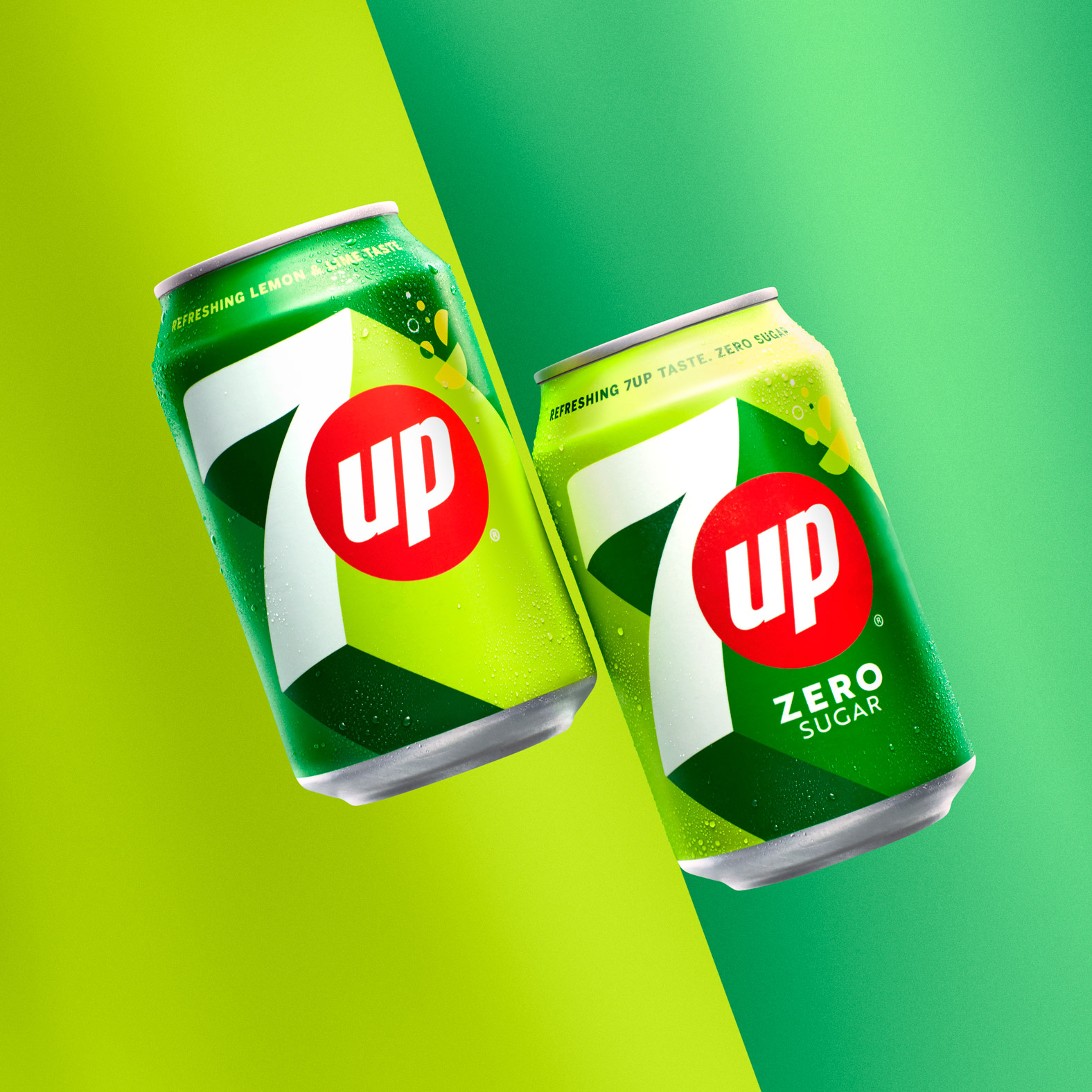
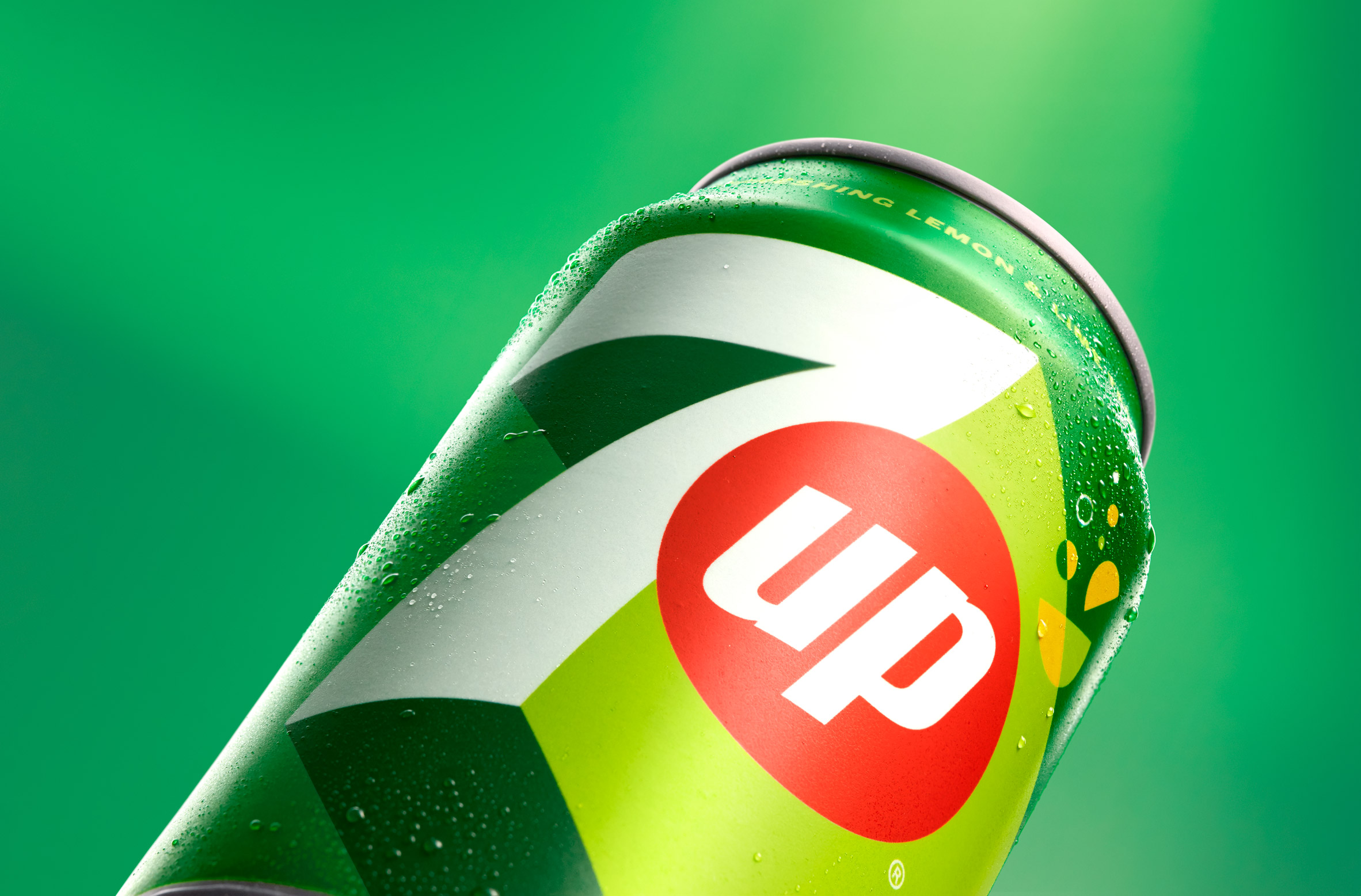
In early 2023, 7 Up launched its first major international brand refresh in over seven years. The new look, centered around the concept of “Upliftment,” features a modernized logo with a 3D effect, vibrant neon colors, and a design language that feels energetic and contemporary. This rebrand aimed to unify the brand’s international presence under a single, cohesive visual identity, moving away from the “retro” feel and toward a “premium” aesthetic that stands out on digital platforms and modern retail shelves.
Lessons in Brand Longevity: Can 7 Up Return to Its Former Glory?
The trajectory of 7 Up offers vital lessons for brand strategists and corporate leaders. It highlights that even the most brilliant positioning can falter if it isn’t backed by consistent management and cultural agility.
The Danger of Brand Stagnation
7 Up’s decline wasn’t due to a bad product; it was due to a loss of “cultural currency.” While the “Uncola” campaign was revolutionary, the brand failed to evolve that spirit of rebellion for the digital age. Brands must do more than just exist; they must inhabit the spaces where their consumers live. 7 Up’s recent move toward “Upliftment” and a vibrant digital-first visual identity suggests the brand has finally realized that it cannot rely on nostalgia alone.
Consistency Over Fragmentation
The 7 Up case study serves as a warning about the complexities of split ownership. For a brand to thrive in a globalized market, it requires a unified voice. The 2023 global refresh is a step in the right direction, attempting to bridge the gap between regional markets. To truly return to its former status, 7 Up must find a way to make its “Un” status feel relevant again—perhaps not as the “Un-cola,” but as the “Un-complicated” choice in an increasingly saturated and artificial beverage market.
In conclusion, what happened to 7 Up wasn’t a single catastrophic failure, but a gradual “brand drift.” It was out-maneuvered by Sprite’s cultural marketing and squeezed by corporate ownership structures. However, with its latest rebranding efforts and a renewed focus on “uplifting” consumer experiences, 7 Up is attempting to reclaim its crown. Whether it can once again become the definitive alternative to the cola giants remains to be seen, but its journey remains one of the most insightful chapters in the history of global brand strategy.
aViewFromTheCave is a participant in the Amazon Services LLC Associates Program, an affiliate advertising program designed to provide a means for sites to earn advertising fees by advertising and linking to Amazon.com. Amazon, the Amazon logo, AmazonSupply, and the AmazonSupply logo are trademarks of Amazon.com, Inc. or its affiliates. As an Amazon Associate we earn affiliate commissions from qualifying purchases.