
For many aspiring investors, the stock market can feel like an impenetrable fortress of jargon, flashing red and green numbers, and conflicting opinions. The question of “how to know what stock to buy” is the fundamental hurdle that separates the casual observer from the disciplined wealth builder. Identifying the right investment is not about chasing the latest “meme stock” or following a “hot tip” from a social media influencer. Instead, it is a systematic process of evaluation that blends quantitative data with qualitative insights.
Successful investing requires a shift in perspective: you are not just buying a ticker symbol; you are purchasing a fractional ownership stake in a living, breathing business. To determine if that business is worth your capital, you must look under the hood, assess the competitive landscape, and determine if the price you are paying reflects the value you are receiving.
Establishing Your Financial Foundation and Goals
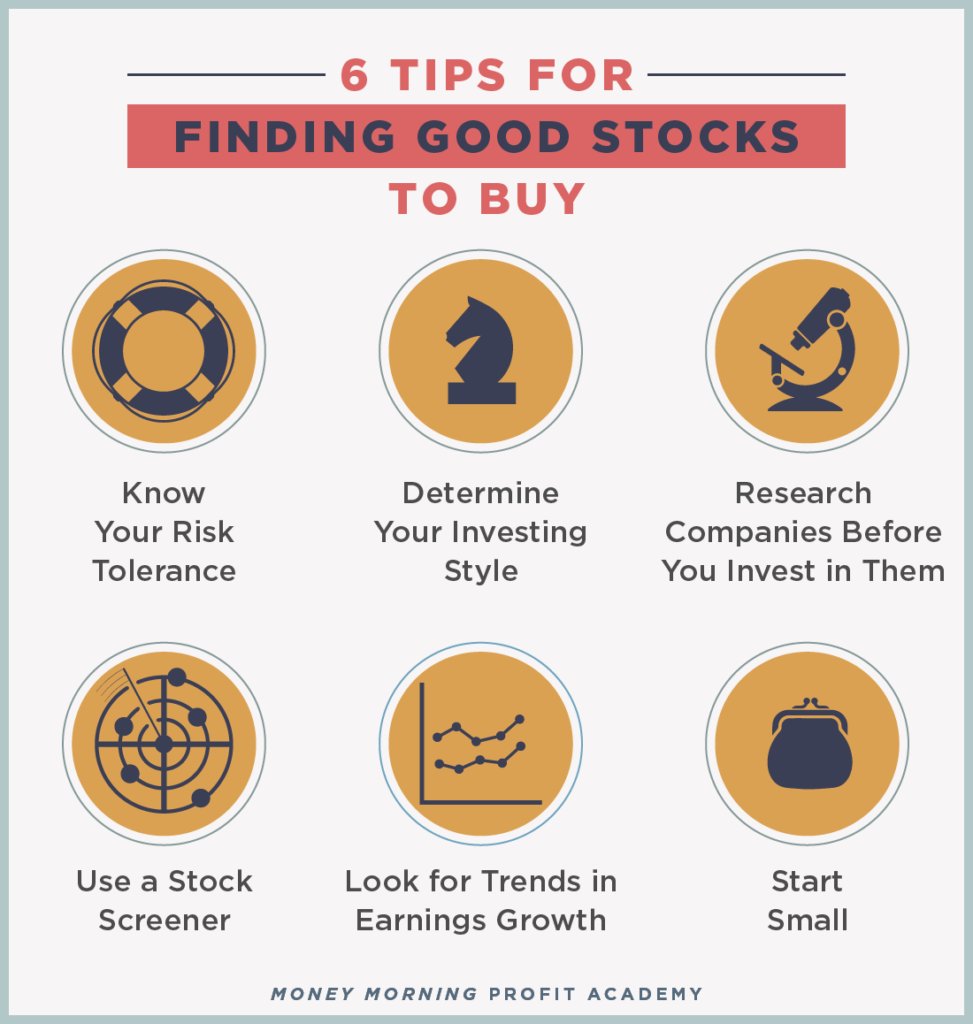
Before diving into individual balance sheets, you must first understand the context of your own financial situation. Knowing what stock to buy starts with knowing why you are buying it in the first place. Without a clear objective, you are likely to make emotional decisions driven by market volatility.
Defining Investment Objectives
Your investment objective dictates your selection criteria. Are you looking for long-term capital appreciation, or do you require a steady stream of passive income through dividends? A young professional with a thirty-year horizon until retirement might prioritize high-growth tech companies that reinvest all their profits. Conversely, someone closer to retirement might look for “Value” stocks—established companies with predictable cash flows and a history of increasing dividend payouts. By defining your goal, you narrow the universe of thousands of stocks down to a manageable shortlist that aligns with your lifestyle.
Assessing Risk Tolerance and Time Horizon
Risk tolerance is your psychological and financial ability to withstand market downturns. If the thought of your portfolio dropping 20% in a month keeps you awake at night, high-beta growth stocks may not be for the right choice for you. Your time horizon—how long you plan to keep your money invested—is equally critical. The longer your horizon, the more you can afford to invest in volatile stocks, as you have the time to recover from cyclical bear markets. Understanding this “inner” landscape is the essential first step in filtering out stocks that don’t fit your personal risk profile.
Fundamental Analysis: Evaluating the Business Health
Once you have established your goals, the next step is fundamental analysis. This is the process of examining a company’s financial health and its operational efficiency to determine its intrinsic value. In the world of finance, the numbers rarely lie, but they do require careful interpretation.
Analyzing Financial Statements
To know what stock to buy, you must become comfortable with three primary documents: the Income Statement, the Balance Sheet, and the Cash Flow Statement.
- The Income Statement shows revenue, expenses, and profit over a specific period. Look for consistent revenue growth and expanding profit margins.
- The Balance Sheet provides a snapshot of assets and liabilities. A healthy company typically has more assets than debt and a strong cash reserve.
- The Cash Flow Statement is perhaps the most vital, as it reveals how much actual cash is moving through the business. “Net Income” can sometimes be skewed by accounting maneuvers, but “Free Cash Flow”—the cash left over after capital expenditures—is the lifeblood of any sustainable business.
The Importance of Competitive Moats
A “moat,” a term popularized by Warren Buffett, refers to a company’s sustainable competitive advantage. If a company makes a great product but has no moat, competitors will quickly move in and erode its profits. Moats can take several forms:
- Brand Power: Companies like Apple or Coca-Cola can charge premium prices because of consumer loyalty.
- Network Effects: Platforms like Visa or Meta become more valuable as more people use them.
- Cost Advantages: Companies like Walmart or Amazon use their scale to provide lower prices than anyone else.
Identifying a wide moat is one of the most reliable ways to ensure a stock will remain a leader in its industry for years to come.
Management Quality and Corporate Governance
A great business can be ruined by poor leadership. When researching a stock, look at the track record of the CEO and the board of directors. Have they been good stewards of shareholder capital? Do they have a clear vision for the future, or are they constantly pivoting to follow trends? Look for “Skin in the Game”—when executives own a significant amount of company stock, their interests are aligned with yours. Transparency in earnings calls and a history of honest communication with shareholders are hallmarks of a company worth owning.
Quantitative Metrics and Valuation Ratios
A great company is not always a great investment if you pay too much for it. Valuation is the process of determining if a stock is “cheap” or “expensive” relative to its earnings and assets. To know what stock to buy, you must master the basic ratios used by professional analysts.
Price-to-Earnings (P/E) and PEG Ratios
The P/E ratio is the most common valuation tool, calculated by dividing the stock price by the earnings per share (EPS). A high P/E might suggest that the market expects high growth, while a low P/E might indicate that the stock is undervalued or that the company is in trouble. To add more nuance, investors use the PEG ratio (Price/Earnings to Growth). A PEG ratio of 1.0 is generally considered fair value; it implies that the P/E ratio is in line with the company’s expected earnings growth rate.
Dividend Yield and Payout Ratios
For income-focused investors, the dividend yield (annual dividend divided by stock price) is a key metric. However, a very high yield can sometimes be a “dividend trap”—a sign that the stock price has crashed because the company is failing. To verify the safety of a dividend, check the Payout Ratio. If a company is paying out more than 60–70% of its earnings as dividends, it may not have enough left over to reinvest in the business or sustain the dividend during a recession.
Debt-to-Equity and Liquidity Ratios
In a high-interest-rate environment, debt can kill a company. The Debt-to-Equity ratio tells you how much the company relies on borrowed money versus its own equity. Furthermore, the “Current Ratio” (current assets divided by current liabilities) helps you understand if the company can cover its short-term obligations. A company with a strong balance sheet can survive economic storms that might bankrupt its competitors, making it a much safer long-term bet.
Qualitative Factors and Market Trends
Numbers tell the story of the past, but qualitative analysis helps you predict the future. This involves looking at the broader industry and the macroeconomic environment to see if the company is positioned for growth or obsolescence.
Industry Growth Potential and Market Share
Even the best-managed company will struggle if it is in a dying industry. Conversely, a mediocre company in a rapidly expanding sector (such as renewable energy or specialized healthcare) might see significant gains. Evaluate the Total Addressable Market (TAM). Is the market for this product growing? Is the company gaining or losing market share? If a company is successfully capturing more of its market every year, it is a strong signal of a healthy business model.
Economic Cycles and Macroeconomic Indicators
The broader economy heavily influences stock performance. Some industries are “Cyclical,” meaning they follow the ups and downs of the economy (like airlines, luxury goods, and construction). Others are “Defensive,” meaning they remain stable regardless of the economy (like utilities, healthcare, and consumer staples). Knowing where we are in the economic cycle—whether we are in a period of expansion, peak, contraction, or trough—can help you decide whether to pivot toward growth or protection.
Building a Diversified Portfolio Strategy
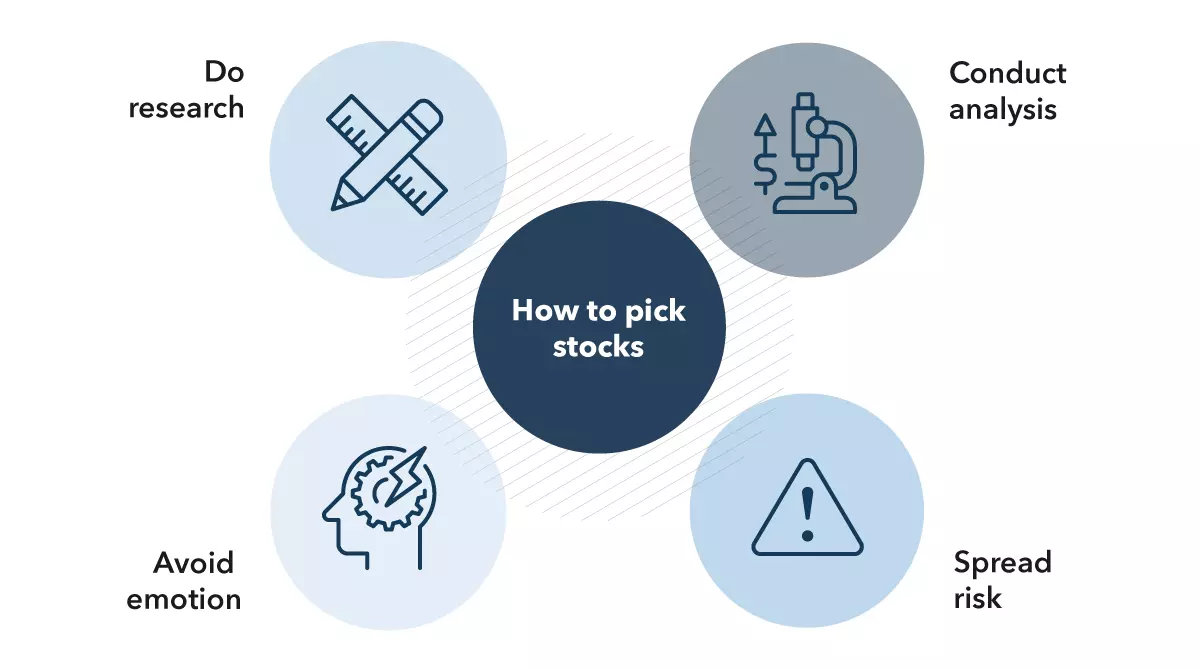
The final step in knowing what stock to buy is understanding how that stock fits into your overall portfolio. Even the most rigorous analysis can be wrong due to unforeseen “Black Swan” events. Therefore, your selection process must be tempered by a strategy of diversification.
Sector Allocation and Risk Mitigation
To protect your wealth, you should avoid “over-concentration.” If you only buy technology stocks, your entire portfolio will suffer if that sector faces a regulatory crackdown or a sudden shift in interest rates. A balanced portfolio includes a mix of sectors—Finance, Healthcare, Technology, Consumer Goods, and Energy. This ensures that when one sector underperforms, another may be thriving, smoothing out your returns over time.

The Role of Continuous Monitoring
Buying a stock is not a “set it and forget it” action. While you should avoid checking prices every hour, you must monitor your holdings quarterly. Review their earnings reports and listen to management’s guidance. Ask yourself: “Does the original reason I bought this stock still hold true?” If a company’s fundamental story has changed—perhaps they lost their competitive moat or took on too much debt—you must be prepared to sell. Knowing what stock to buy also involves knowing when the original thesis is no longer valid.
In conclusion, knowing what stock to buy is a disciplined exercise in research and patience. It requires the emotional intelligence to stick to a plan, the analytical skills to read a balance sheet, and the wisdom to wait for a fair price. By focusing on fundamental health, sustainable moats, and reasonable valuations, you move away from the realm of gambling and into the realm of professional investing. Wealth is rarely built overnight, but through a systematic approach to stock selection, it can be built with certainty.
aViewFromTheCave is a participant in the Amazon Services LLC Associates Program, an affiliate advertising program designed to provide a means for sites to earn advertising fees by advertising and linking to Amazon.com. Amazon, the Amazon logo, AmazonSupply, and the AmazonSupply logo are trademarks of Amazon.com, Inc. or its affiliates. As an Amazon Associate we earn affiliate commissions from qualifying purchases.