
The Evolution of an Athlete’s Personal Brand
Kevin Durant, one of the most gifted athletes of his generation, presents a compelling case study in the dynamic evolution of a personal brand within the high-stakes world of professional sports. His journey, marked by unparalleled skill, controversial career moves, and a relentless pursuit of greatness, has continuously reshaped public perception and influenced his marketability, endorsements, and overall legacy. Understanding “what happened” to Kevin Durant isn’t merely about recounting his career highlights; it’s about dissecting the strategic branding decisions, both intentional and perceived, that have defined his identity beyond the basketball court.

Early Career: Building the Foundation
Durant’s personal brand began its formation during his collegiate days at the University of Texas, where his effortless scoring ability and humble demeanor quickly garnered national attention. Drafted second overall by the Seattle SuperSonics (soon to become the Oklahoma City Thunder), he entered the league with a “nice guy” image – a lanky, quiet phenom with an insatiable hunger for basketball. This initial branding positioned him as an underdog hero, a stark contrast to some of the more boisterous personalities in the NBA. His early endorsements, aligning with brands like Nike, reflected this wholesome, aspirational image, emphasizing hard work and quiet determination. During this period, his brand was largely organic, driven by his on-court performance and a perceived lack of ego. He was the loyal star of a small-market team, consistently delivering exceptional individual performances and building a reputation as one of the league’s purest scorers. This foundation established a strong emotional connection with fans who admired his purity of game and perceived dedication to a single franchise.
The OKC Thunder Era: Loyalty and Near Misses
The bulk of Durant’s early professional career was spent with the Oklahoma City Thunder, a period critical for solidifying his initial personal brand. He became synonymous with the franchise, leading them to an NBA Finals appearance in 2012 and consistently contending for championships. His brand during this era was deeply tied to themes of loyalty, resilience, and the pursuit of an elusive championship alongside his co-star, Russell Westbrook. Marketing campaigns often highlighted his humble beginnings and his commitment to the team and city. He was the “Slim Reaper,” a nickname that encapsulated his lethal scoring ability without veering into overt showmanship, maintaining his reserved persona. This loyalty resonated deeply with fans and corporate partners alike, projecting stability and dedication – highly valued attributes in personal branding. The brand narrative was clear: a transcendent talent striving to bring a title to a dedicated fanbase, embodying the spirit of an underdog organization. However, the repeated near-misses in the playoffs, culminating in the painful Western Conference Finals loss in 2016, set the stage for a dramatic shift in his brand narrative, challenging the very loyalty that had become a cornerstone of his public identity.
The Golden State Warriors Chapter: A Calculated Risk and Brand Transformation
The summer of 2016 marked the most significant turning point in Kevin Durant’s personal brand journey. His decision to leave the Oklahoma City Thunder and join the Golden State Warriors, a team that had just defeated his Thunder in an epic playoff series and boasted a record-setting 73-9 regular season, sent shockwaves through the sports world. This move was widely perceived as a direct challenge to the established norms of athlete loyalty and competitive integrity. For a personal brand built on quiet heroism and underdog status, this was a calculated, yet immensely risky, strategic pivot.
The “Villain” Narrative and Perception Shift
Immediately following his decision, Durant’s brand underwent a drastic and rapid transformation. He transitioned from a beloved figure to, in the eyes of many, a “villain.” The media narrative shifted from celebrating his skill to questioning his competitive spirit and character. He was accused of taking the easy route, of chasing rings rather than earning them through traditional struggle. This perception dramatically altered his brand equity among a significant portion of the fanbase. For personal branding, controlling the narrative is paramount, and in this instance, Durant faced an uphill battle against a powerful, negative public sentiment. The backlash was intense, manifesting in criticism across social media, sports talk shows, and even from former players. His actions challenged the very notion of what an NBA superstar should be, forcing his brand to adapt from one of universal adoration to one of divisive admiration and even scorn. This era demonstrated the immense power of public opinion and narrative framing in shaping an individual’s brand identity.
Strategic Marketing and Endorsement Growth
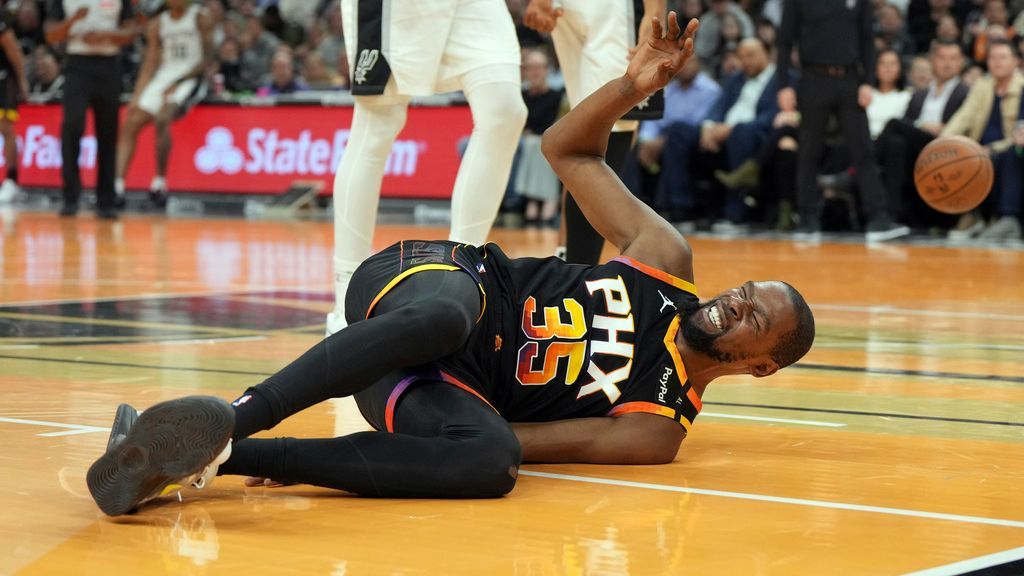
Despite the controversial perception shift, Durant’s move to the Warriors paradoxically also elevated his global profile and, in many respects, strengthened his brand from a purely commercial standpoint. Winning two NBA championships and two Finals MVP awards with the Warriors undeniably cemented his status as an all-time great. This on-court success, combined with playing for a high-profile, globally recognized franchise like the Warriors, significantly expanded his reach. His endorsements not only continued but diversified. Brands understood that while he might be a polarizing figure, his talent, global visibility, and now championship pedigree were undeniable assets. His connection to Silicon Valley also opened doors to venture capital and tech investments, leading to the formation of Thirty Five Ventures, a clear strategic move to build an entrepreneurial extension of his personal brand beyond basketball. This demonstrated a savvy approach to personal branding, leveraging his increased fame and financial success to build long-term wealth and influence, proving that controversy, when coupled with undeniable success, does not necessarily hinder commercial appeal for a global superstar. Instead, it can make a brand more interesting and dynamic, attracting partners who value impact and reach over universal likability.
Navigating Injury, Team Changes, and Public Scrutiny
Following his departure from the Golden State Warriors in 2019, Kevin Durant’s personal brand entered another complex phase, marked by significant injury, further team changes, and continued scrutiny. This period tested the resilience and adaptability of his brand, highlighting how athletes must navigate physical setbacks and career transitions under an unforgiving public gaze.
Injury’s Impact on Marketability and Resilience
The Achilles tear Durant suffered in the 2019 NBA Finals was a pivotal moment, not just for his playing career but for his brand narrative. Injuries, especially career-threatening ones, inherently complicate an athlete’s brand. They introduce uncertainty, questions about future performance, and can diminish immediate marketability. For Durant, a player whose brand was deeply intertwined with his unparalleled scoring ability and consistent availability, this injury forced a re-evaluation. However, his meticulous recovery and eventual return to elite form underscored themes of resilience, determination, and a relentless commitment to his craft. This narrative of overcoming adversity resonated with certain segments of his audience, adding a layer of depth to a brand that had sometimes been perceived as unapproachable or purely driven by success. His return to the court, demonstrating that he could still perform at an MVP level post-injury, became a powerful testament to his unwavering dedication and physical prowess, re-establishing confidence in his long-term value for both teams and endorsement partners.
Brooklyn and Phoenix: Rebuilding and Refining the Brand
Durant’s move to the Brooklyn Nets alongside Kyrie Irving and James Harden was presented as an opportunity for him to lead a superteam and write a new chapter, potentially softening the “villain” image from his Warriors tenure by demonstrating a willingness to build something from the ground up. This move, framed as taking control of his destiny, aimed to refine his brand image towards leadership and vision. While injuries and team chemistry issues ultimately hampered their success, his individual performances continued to be stellar, reinforcing his brand as an unstoppable offensive force. His eventual trade to the Phoenix Suns marked yet another significant career shift. Each move presented unique challenges and opportunities for his personal brand. In Phoenix, he joined another contending team, but the narrative focused more on his veteran leadership and his role in elevating an existing contender, rather than being the primary architect. These transitions highlight the ongoing process of an athlete’s personal brand management, where strategic moves are made not just for on-court success but to continually shape public perception, narrative, and legacy. Through these changes, Durant’s brand has evolved to reflect a more seasoned, introspective superstar who prioritizes control over his career path and narrative, even if it means enduring public criticism.
Kevin Durant’s Enduring Legacy: A Masterclass in Personal Branding
Kevin Durant’s career trajectory offers a fascinating and complex study in personal branding. From the quiet, humble scorer to the polarizing champion, and now to the seasoned veteran navigating complex team dynamics, his brand has consistently adapted and evolved. What happened to Kevin Durant is not a singular event but a continuous narrative of strategic choices, public perception, and a steadfast commitment to individual excellence, all wrapped within a meticulously managed persona.
Authenticity and Control in the Digital Age
A key aspect of Durant’s enduring brand success is his consistent, albeit sometimes controversial, authenticity. In an era where athletes are increasingly scrutinized, Durant has often chosen to address critics directly, particularly through social media, rather than conforming to a pre-packaged public image. This willingness to engage, even defensively, reveals a brand that values genuine expression over universal likability. This approach, while risky, has allowed him to maintain a sense of control over his narrative, preventing him from being entirely defined by external media narratives. His social media presence, personal interviews, and direct engagement, often raw and unfiltered, offer glimpses into his mindset, reinforcing a brand that, at its core, is fiercely independent and committed to its own truth. This authenticity, combined with his unwavering skill, fosters a deeper, albeit more fractured, connection with his audience, resonating with those who value sincerity over polished PR.

Diversification Beyond the Court
Beyond his playing career, Kevin Durant has strategically diversified his personal brand into a formidable business empire. Through Thirty Five Ventures, he has become a significant player in the tech and sports investment landscape, with stakes in numerous companies. This move positions him not merely as an athlete but as a savvy entrepreneur and thought leader in the business world. This diversification is a crucial long-term branding strategy, ensuring his relevance and influence extend far beyond his playing days. It reshapes his image from solely a basketball player to a multi-hyphenate mogul, leveraging his fame and financial capital to build a lasting legacy. His investments, public speaking engagements, and media ventures all contribute to a comprehensive personal brand that is multifaceted, resilient, and built for sustained impact. In sum, “what happened” to Kevin Durant is the ongoing narrative of a superstar who, through strategic decisions and a willingness to embrace change, has mastered the art of personal brand evolution in the hyper-connected, high-stakes world of modern sports.
aViewFromTheCave is a participant in the Amazon Services LLC Associates Program, an affiliate advertising program designed to provide a means for sites to earn advertising fees by advertising and linking to Amazon.com. Amazon, the Amazon logo, AmazonSupply, and the AmazonSupply logo are trademarks of Amazon.com, Inc. or its affiliates. As an Amazon Associate we earn affiliate commissions from qualifying purchases.