
The American Revolution, from its inception, was a bold and audacious undertaking. A collection of disparate colonies dared to challenge the might of the most powerful empire in the world. While the initial skirmishes and pronouncements of independence laid the groundwork, it was the Battle of Saratoga, fought in the autumn of 1777, that truly solidified the nascent “brand” of the United States, transforming it from a rebellion into a credible contender for nationhood. This victory was not merely a military triumph; it was a masterful exercise in brand building, re-framing perceptions both domestically and internationally, and ultimately, attracting vital strategic partnerships that would prove indispensable.
The Pre-Saratoga Brand Perception: A Risky Venture
Before Saratoga, the brand image of the American colonies was largely perceived through the lens of rebellion and defiance. From the perspective of Great Britain and many European powers, the colonists were seen as disorganized insurgents, lacking the discipline, leadership, and resources to mount a sustained challenge to the Crown. The early years of the war had seen significant setbacks for the Continental Army. Victories were hard-won and often fleeting, and the British military machine, with its professional soldiery and naval superiority, presented an formidable obstacle.
Early Setbacks and the Narrative of Weakness
The initial optimism following the Declaration of Independence was tempered by harsh realities on the battlefield. The loss of New York City in 1776, followed by a series of strategic retreats, contributed to a narrative that painted the American cause as fragile and ultimately doomed. European powers, observing these developments, were hesitant to offer any official endorsement or substantial aid. Their investment in supporting the American rebellion was perceived as a high-risk proposition, akin to investing in a start-up with a high failure rate. The Continental Army, despite its patriotic fervor, was often characterized by its lack of standardized training, inadequate supplies, and fluctuating enlistments. This narrative of weakness and disorganization was a significant barrier to building international confidence in the American venture.
The Strategic Imperative of External Validation
For the burgeoning American nation, securing foreign recognition and support was not merely desirable; it was essential for survival. The brand of “revolution” needed to be bolstered by the brand of “legitimacy.” This required a decisive demonstration of military capability and strategic prowess that could overcome the ingrained perception of colonial inferiority. The British strategy, articulated by General John Burgoyne, aimed to sever New England from the rest of the colonies, thereby crippling the rebellion. The success of this strategy would have sent a devastating message, reinforcing the narrative of American failure and likely dissuading any potential allies. Saratoga, therefore, presented a critical juncture where the outcome would profoundly shape the external perception of the American brand.
Saratoga as a Brand Launch: The Power of a Decisive Victory
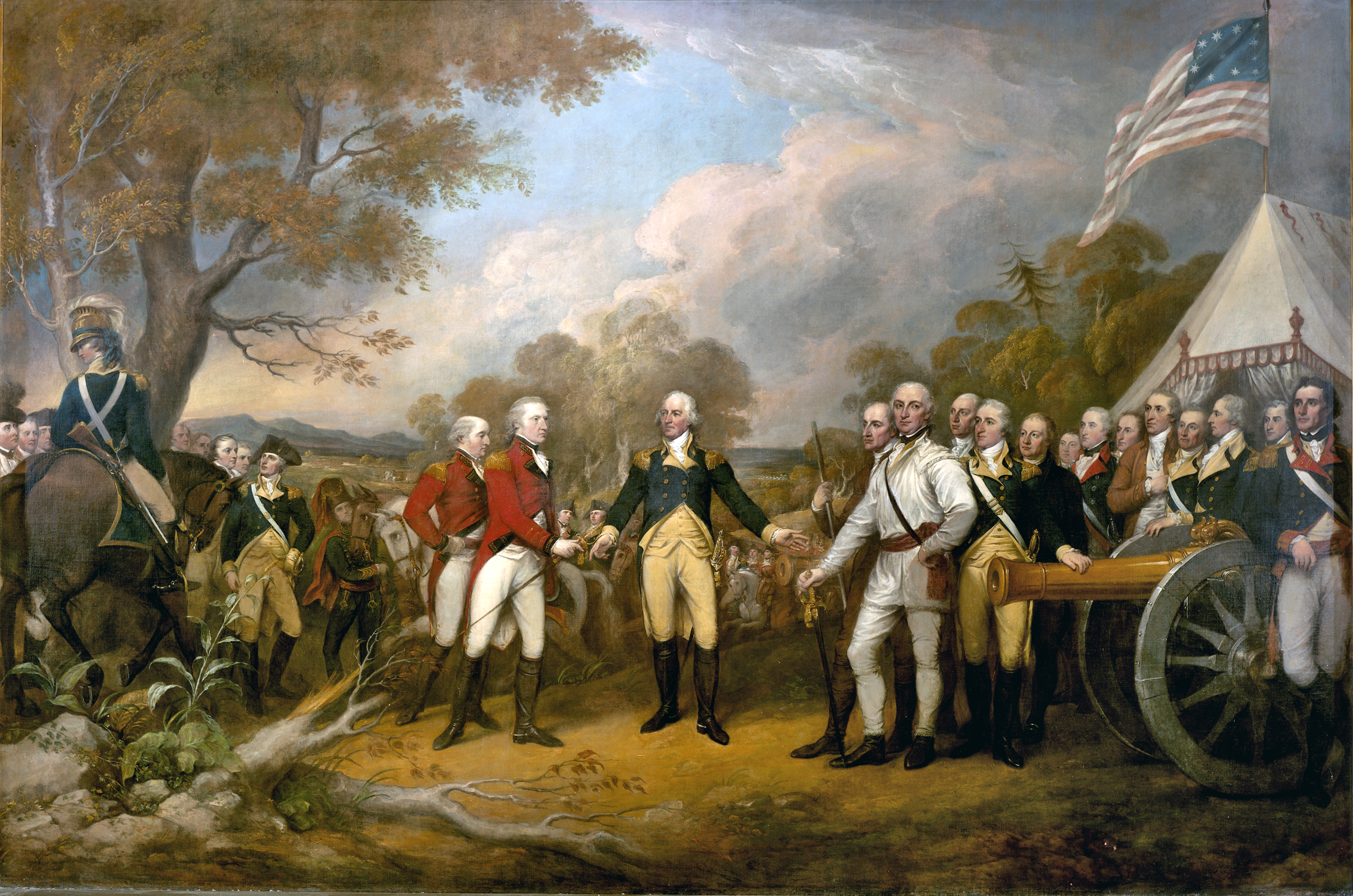
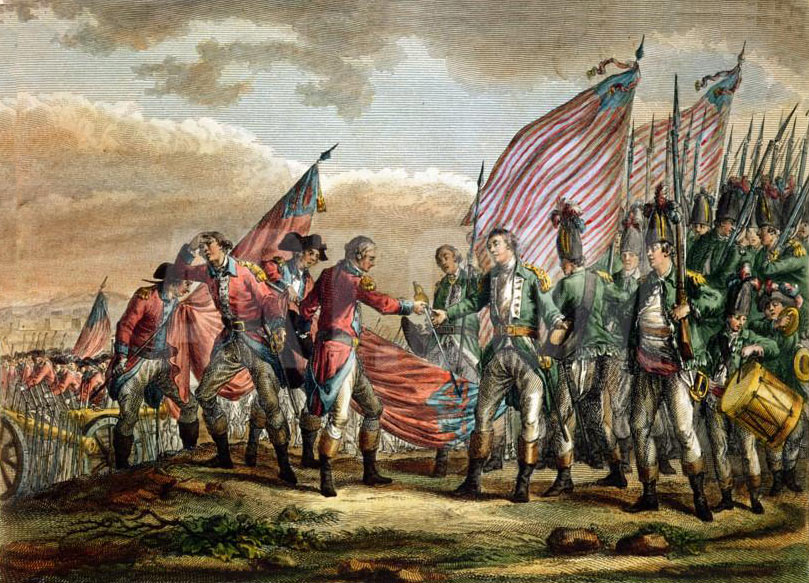
The Battles of Saratoga, culminating in the surrender of General Burgoyne’s army, represented a monumental shift in the perception of the American brand. This wasn’t just another skirmish; it was a strategic masterpiece that captured the imagination and garnered the respect of the international community. The victory effectively rebranded the American rebellion from a disorganized uprising into a legitimate military force capable of defeating seasoned European armies.
The Narrative Reframing: From Rebellion to Resilience
The surrender of an entire British army, led by a renowned general, was a powerful statement. It countered the prevailing narrative of American weakness with an irrefutable demonstration of resilience, strategic acumen, and unwavering determination. News of the victory spread like wildfire, both across the Atlantic and within the colonies themselves. For the American populace, it was a potent morale booster, solidifying their belief in the cause and reinforcing their commitment to the brand of independence. It provided tangible proof that their sacrifices were not in vain and that the pursuit of self-governance was a realistic aspiration.
The “Saratoga Effect”: Attracting Strategic Partnerships
The most significant impact of Saratoga on the American brand was its transformative effect on international relations. The victory acted as a powerful validation for potential allies, particularly France. Prior to Saratoga, French support, while covertly provided, was hesitant and cautious. The French monarchy was wary of antagonizing Great Britain without concrete evidence of American military viability. The victory at Saratoga provided that undeniable proof. It signaled that supporting the American cause was no longer a speculative gamble but a strategic opportunity to weaken a long-standing rival. This directly led to the crucial Franco-American alliance in 1778, which brought much-needed military and financial resources to the Continental Army, transforming the brand of American independence into a globally recognized and supported endeavor.
The Lasting Brand Equity of Saratoga
The Battle of Saratoga did more than just win a military campaign; it cemented a lasting brand equity for the United States that continues to resonate to this day. It established core tenets of the American brand: resilience, the capacity for strategic innovation, and the power of conviction against overwhelming odds. These elements have been consistently leveraged and evolved throughout American history, forming the bedrock of its national identity and its standing on the world stage.
A Cornerstone of National Identity
The narrative of Saratoga became deeply ingrained in the American consciousness. It serves as a foundational story, illustrating the courage, ingenuity, and perseverance that defined the nation’s birth. This narrative has been consistently invoked to inspire patriotism and reinforce the idea that challenges can be overcome through unity and strategic thinking. The “spirit of Saratoga” became synonymous with overcoming adversity, a key component of the enduring American brand.

Influencing Global Perceptions and Alliances
The strategic alliances forged in the wake of Saratoga laid the groundwork for a new global order. The American brand of self-determination and republicanism began to influence movements for independence and democratic reform around the world. The victory demonstrated that a nation could successfully defy imperial power, inspiring others and reshaping geopolitical landscapes. The credibility gained at Saratoga allowed the United States to gradually build its own brand of diplomacy and international engagement, moving from a dependent entity to an independent actor on the global stage. The legacy of Saratoga continues to inform how the United States positions itself, emphasizing its historical commitment to liberty and its capacity for transformative change.
aViewFromTheCave is a participant in the Amazon Services LLC Associates Program, an affiliate advertising program designed to provide a means for sites to earn advertising fees by advertising and linking to Amazon.com. Amazon, the Amazon logo, AmazonSupply, and the AmazonSupply logo are trademarks of Amazon.com, Inc. or its affiliates. As an Amazon Associate we earn affiliate commissions from qualifying purchases.