
The Spark of Speculation: Genesis of a Financial Frenzy
The term “gold rush” conjures images of immediate, unimaginable wealth, a phenomenon rooted in several historical periods where the discovery of significant gold deposits triggered a mass migration of hopeful prospectors. From the California Gold Rush of 1849 to the Klondike in the late 19th century, these events were not merely geographical movements but profound economic and financial upheavals, driven by the potent allure of overnight riches. The gold rush was, at its core, an immense speculative bubble, fueled by individual ambition and a widespread belief in effortless prosperity.

Discovery and the Lure of Overnight Wealth
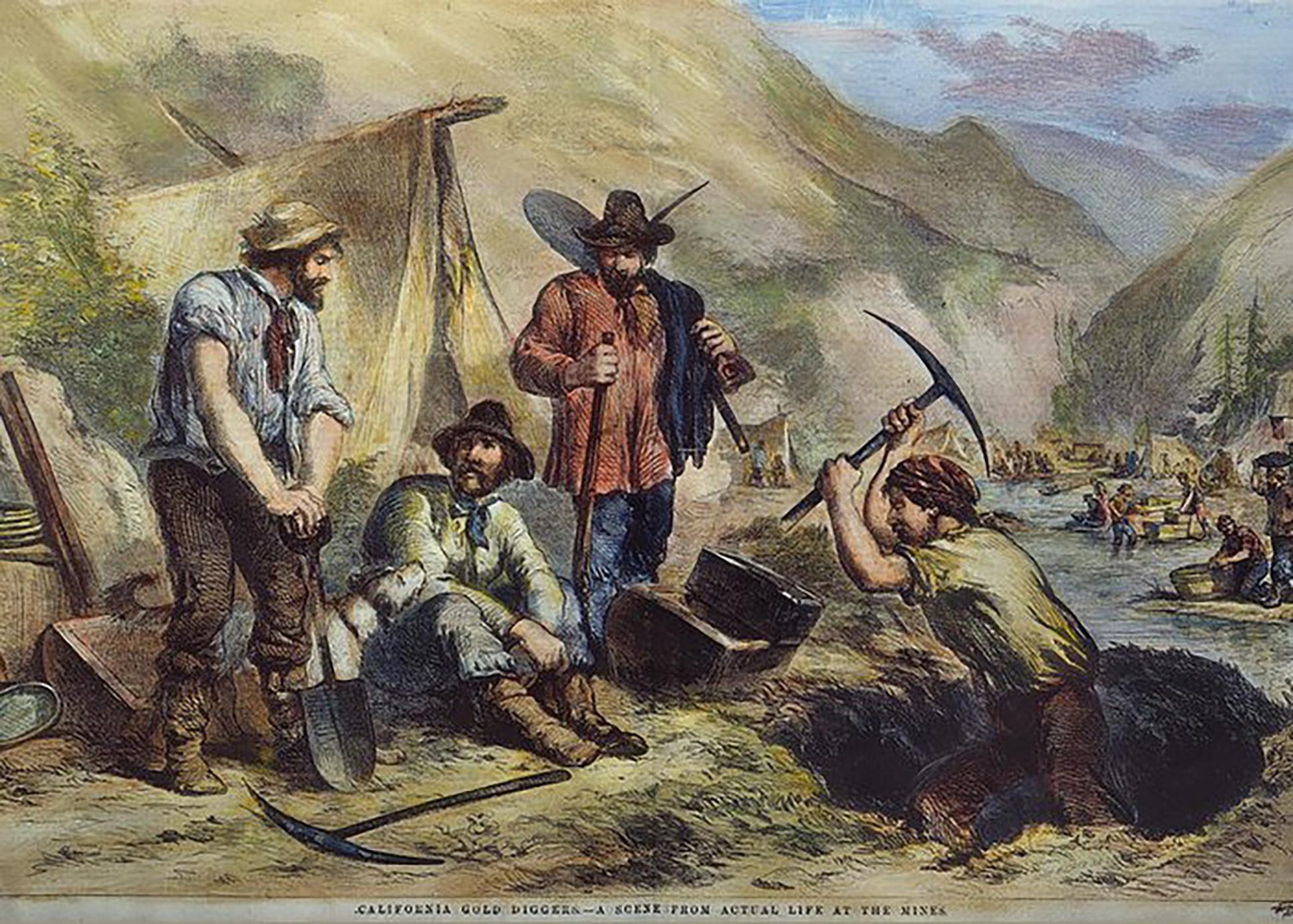
The initial discoveries, often accidental, served as the catalyst. When James W. Marshall found gold at Sutter’s Mill in California in 1848, or when George Carmack, Skookum Jim Mason, and Dawson Charlie struck gold on Rabbit Creek (later Bonanza Creek) in the Yukon in 1896, news spread like wildfire. This news wasn’t just about gold; it was about the prospect of escaping poverty, social stagnation, or economic hardship with a single lucky strike. The narrative of the lone prospector unearthing a fortune became a powerful psychological driver, convincing thousands to liquidate assets, borrow heavily, or pool meager resources to finance their journey. This initial phase was characterized by an almost irrational optimism, where the perceived ease of finding gold far outweighed the actual statistical probabilities, creating a vibrant, yet ultimately dangerous, market for risk-takers.
Mass Migration as an Economic Bet
The ensuing mass migrations—the “forty-niners” to California, or the thousands braving the Chilkoot Trail to the Klondike—were colossal economic bets. Individuals committed their life savings, sold farms, mortgaged homes, or pooled funds with partners to purchase passage, equipment, and provisions. The journey itself was an enormous financial outlay, often costing more than a year’s wages for an average worker. This investment was a high-stakes wager on a future discovery, a calculated risk that often yielded devastating financial losses for the majority. For many, it represented their entire financial portfolio, consolidated into a single, highly speculative venture. The infrastructure supporting these migrations, from shipping lines to outfitters, experienced an unprecedented boom, demonstrating how even the expectation of a gold strike could generate significant economic activity, albeit often at inflated prices for essential goods and services.
The Realities of Resource Extraction: From Prospector’s Dream to Business Venture
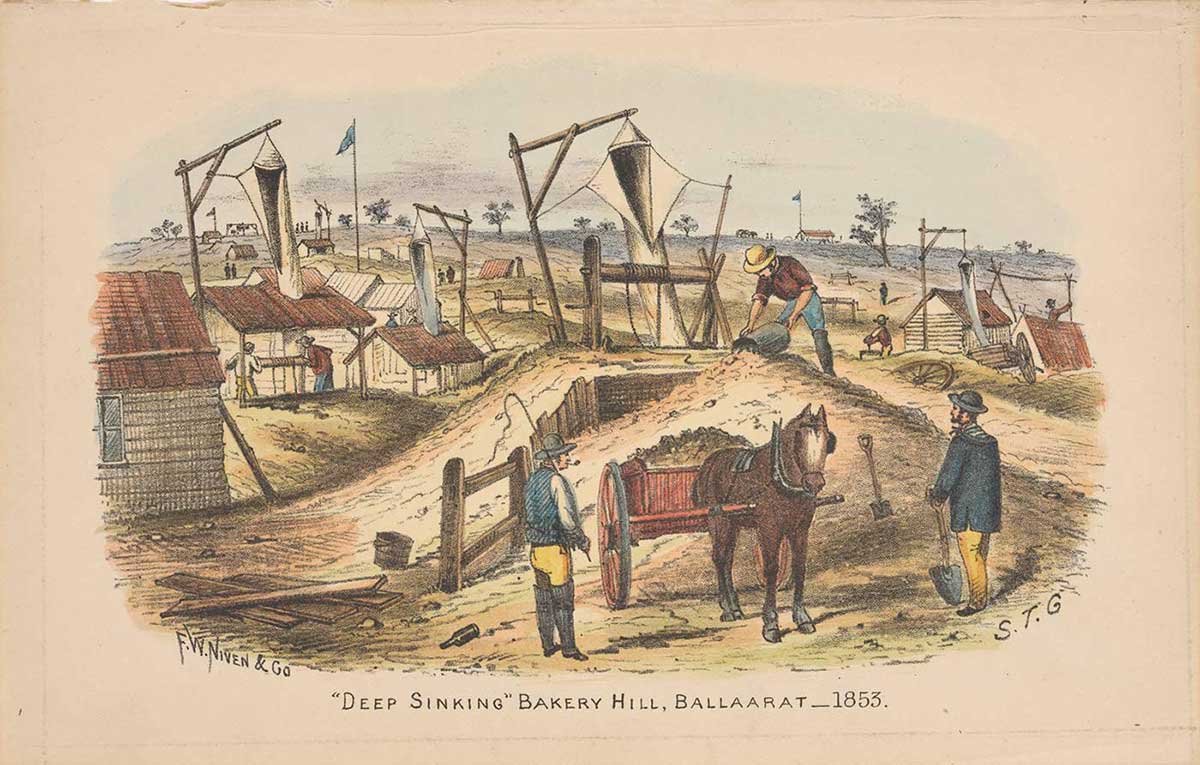
While the initial phase of a gold rush might seem romantic, characterized by individual prospectors panning rivers, the reality quickly shifted. The accessible, easily discoverable gold was finite. As surface deposits dwindled, the pursuit of gold transformed from a solo endeavor into a capital-intensive business, demanding significant financial investment and complex organizational structures. This evolution marked a transition from pure speculation to a more formalized, albeit still risky, form of resource extraction and corporate finance.
The Cost of the Claim: High Barriers to Entry
Early prospectors often operated on a first-come, first-served basis, staking simple claims. However, as the rushes matured, securing and maintaining a valuable claim became increasingly costly. Legal fees, surveys, and defending against claim jumpers often required substantial financial outlays. Furthermore, as the easily accessible placer gold (gold found in riverbeds) was depleted, miners had to dig deeper, extract gold from hard rock, or employ more sophisticated methods like hydraulic mining. These techniques demanded heavy machinery, explosives, and the construction of elaborate water systems, transforming the individual’s pickaxe and pan into an insufficient toolkit. These new operational requirements escalated the barriers to entry, pushing out the lone prospector and demanding significant capital, often sourced through loans, partnerships, or the formation of nascent mining companies.
The Evolution of Mining Finance: Capitalizing on the Land
The shift from individual effort to industrial mining fundamentally altered the financial landscape. Small groups of prospectors pooled resources to buy sluices or dredges. Larger ventures required syndicated investments, drawing capital from distant financial centers. Early forms of corporate finance emerged, with shares in mining companies being bought and sold, often based more on rumor and speculative hype than on proven reserves. Investors, both large and small, poured money into these enterprises, betting on the expertise of engineers and the potential of underground veins. This period saw the rise of sophisticated financial instruments for the time, including promissory notes, early bonds, and the formation of joint-stock companies specifically designed to fund high-cost, high-risk mining operations.
Scarcity and Diminishing Returns
The economic principle of diminishing returns became starkly apparent. While the aggregate amount of gold extracted might have increased with industrial methods, the cost per ounce of extraction steadily climbed as the easily accessible gold became scarce. This squeezed profit margins, particularly for smaller operations. Many ventures, despite massive initial capital investments, failed to turn a profit, demonstrating the inherent risk in resource speculation. The need for constant innovation, efficiency improvements, and access to fresh capital became paramount for survival. This phase solidified the understanding that while gold was valuable, the process of extracting it required a robust financial and operational strategy, far removed from the romanticized image of striking it rich with a single swing of a pickaxe.
Beyond the Dig: Ancillary Economies and Unforeseen Financial Booms
While the miners chased the elusive gleam of gold, a parallel and often more consistent economy flourished around them. The “gold rush” was not just about finding gold; it was a massive economic stimulus that created opportunities for wealth generation far removed from the actual digging. Smart entrepreneurs, understanding basic principles of supply and demand, realized that the real and often more stable fortune lay in serving the needs of the hopeful masses.
The Merchant’s Gold: Profiting from Supply and Demand
The most successful participants in many gold rushes were often not the miners, but the merchants and service providers. Thousands of people flocking to remote, undeveloped regions created an insatiable demand for everything: food, tools, clothing, shelter, and entertainment. Storekeepers, often arriving ahead of or alongside the first wave of prospectors, established businesses selling goods at exorbitant markups. A shovel costing a dollar elsewhere might sell for ten times that. Transport providers, saloon owners, assayers, and even laundry services reaped consistent profits from a captive, often desperate, clientele. This phenomenon underscores a crucial investment lesson: during a boom, providing essential services to the primary actors can be a more reliable and less risky path to wealth than direct participation in the speculative asset itself. These “pick and shovel” businesses often built enduring financial empires that far outlasted the gold fever.
Real Estate and Infrastructure Investment
As temporary mining camps swelled into bustling towns, the value of land skyrocketed. What was once wilderness became prime real estate, creating immense wealth for those astute enough to acquire property early. Investors poured capital into building hotels, boarding houses, stores, and more permanent dwellings. This rapid urbanization spurred significant infrastructure development, from rudimentary roads and bridges to port facilities and eventually railways, all funded by private and public investment to support the burgeoning population and commerce. The appreciation of real estate, driven by the sustained influx of people and capital, became a powerful and often more stable investment vehicle than speculating on individual gold claims.
Financial Services and Speculative Markets
The immense flow of capital, both from prospectors and ancillary businesses, necessitated the development of financial infrastructure. Banks emerged to hold deposits, facilitate transactions, and offer loans (often at high interest rates) to miners and businesses. Assayers provided crucial services, verifying the purity of gold and ensuring fair exchange. Beyond legitimate services, the gold rush also spawned a vibrant, often unscrupulous, speculative market in mining stocks and claims. Companies were formed overnight, their stock traded actively, often based on little more than a promising name or a rumor of a strike. This period saw both legitimate investment in promising ventures and widespread fraud, highlighting the risks of unregulated financial markets driven by intense speculation.
Lasting Financial Legacies and Economic Transformation
The gold rushes, despite their often chaotic and short-lived nature, left indelible financial and economic legacies. They were potent forces of capital formation, population redistribution, and infrastructure development, fundamentally altering the economic landscape of the regions they touched and providing enduring lessons in market dynamics and investment psychology.
Capital Formation and Regional Development
The sheer volume of wealth extracted, even if unevenly distributed, led to significant capital formation. This concentrated wealth wasn’t just spent; it was reinvested. Many individuals and businesses that profited from the gold rushes directed their capital into other ventures, diversifying their portfolios. This capital fueled the development of major financial centers, such as San Francisco, which evolved from a small settlement into a global financial hub on the back of the California Gold Rush. The wealth generated kickstarted industrialization, agriculture, and manufacturing in these regions, transforming them from frontier outposts into integral parts of national economies.
Infrastructure Investment for the Future
The urgent need to transport people, goods, and gold led to massive investments in infrastructure. Roads, bridges, ports, and eventually railway lines were constructed with unprecedented speed. While initially built to serve the gold fields, this infrastructure proved invaluable for long-term economic growth. It facilitated trade, allowed for the movement of goods and people, and opened up new markets long after the gold veins ran dry. These investments represented a foundational layer for future economic expansion, demonstrating how even a temporary boom could leave permanent, beneficial physical assets.
Lessons in Investment and Market Psychology
The gold rushes serve as powerful case studies in investment and market psychology. They illustrate the dangers of speculative bubbles, where irrational exuberance can lead to widespread financial ruin for those caught chasing the primary “gold.” They underscore the value of a diversified investment strategy and the often-overlooked profitability of providing essential services during periods of intense demand. The enduring lesson is that while the allure of quick wealth is powerful, sustained financial success often comes not from striking it rich directly, but from shrewdly understanding market needs, building resilient businesses, and investing in the foundational elements that support an economy, rather than chasing its most volatile asset. The gold rush, in essence, taught generations that true financial gold often lies in the “picks and shovels” and the infrastructure of commerce, rather than just the precious metal itself.
aViewFromTheCave is a participant in the Amazon Services LLC Associates Program, an affiliate advertising program designed to provide a means for sites to earn advertising fees by advertising and linking to Amazon.com. Amazon, the Amazon logo, AmazonSupply, and the AmazonSupply logo are trademarks of Amazon.com, Inc. or its affiliates. As an Amazon Associate we earn affiliate commissions from qualifying purchases.