
Embarking on the journey of stock market investing can feel like navigating a complex maze. For many, the idea of owning a piece of a company, watching their money grow, and building long-term wealth is appealing, yet the initial steps seem daunting. Jargon like “bull markets,” “bear markets,” “ETFs,” and “dividends” can be overwhelming, creating a perception that investing is only for financial experts. However, with the right knowledge and a methodical approach, anyone can learn how to buy stocks and start building a robust investment portfolio. This guide aims to demystify the process, providing a clear, step-by-step roadmap for new and seasoned investors alike, focusing on practical advice to help you make informed decisions in the exciting world of equity markets.

I. Laying the Groundwork: Understanding the Basics Before You Invest
Before diving headfirst into buying stocks, it’s crucial to understand what you’re getting into. A solid foundation of knowledge will not only build your confidence but also protect you from common pitfalls. Investing isn’t merely about picking winning stocks; it’s about understanding the underlying principles, your own financial situation, and the landscape in which you’re operating.
A. What Exactly Are Stocks?
At its core, a stock (also known as equity) represents a fractional ownership interest in a public company. When you buy a company’s stock, you become a shareholder, meaning you own a tiny portion of that company. This ownership comes with potential benefits and risks. As a shareholder, you might gain if the company performs well and its stock price increases (capital appreciation), or you might receive a share of the company’s profits in the form of dividends. Conversely, if the company struggles, the value of your shares could decrease, leading to potential losses. Understanding this fundamental concept is the first step toward becoming an informed investor.
B. Understanding Market Dynamics and Risk
The stock market is influenced by a myriad of factors, including economic conditions, company performance, industry trends, geopolitical events, and investor sentiment. Stock prices constantly fluctuate, driven by supply and demand. A strong economy, positive company news, or increased investor confidence can drive prices up, while recessions, poor earnings reports, or market fear can send them plummeting.
Crucially, investing in stocks always involves risk. There’s no guarantee of returns, and you could lose some or all of your invested capital. However, different stocks carry different levels of risk. Blue-chip companies, large established firms with a history of stable earnings, are generally considered less volatile than penny stocks or growth stocks of new, unproven companies. Your ability to stomach these fluctuations—your risk tolerance—is a critical factor in determining your investment strategy and asset allocation. It’s essential to invest only money you can afford to lose without jeopardizing your immediate financial stability.
II. Preparing for Investment: Setting Your Financial Stage
Effective stock market participation requires more than just interest; it demands preparation. This involves evaluating your personal financial health, setting clear objectives, and understanding your comfort level with risk. Skipping these preliminary steps can lead to impulsive decisions and suboptimal outcomes.
A. Defining Your Financial Goals and Time Horizon
Why do you want to invest? Is it for a down payment on a house in five years, retirement in thirty years, your children’s education, or simply long-term wealth accumulation? Your financial goals will dictate your investment strategy. Short-term goals (under five years) are generally not suitable for significant stock market exposure due to market volatility. For long-term goals, stocks have historically offered higher returns than other asset classes, making them a suitable component of a diversified portfolio. Understanding your time horizon—how long you plan to hold your investments—is paramount, as it influences the level of risk you can reasonably undertake.
B. Assessing Your Risk Tolerance
Before buying stocks, you need to honestly assess your risk tolerance. Are you comfortable with the idea that your portfolio could drop by 10% or even 20% in a short period? Or would such a drop cause you significant stress and prompt you to sell at a loss? Your risk tolerance is a personal metric influenced by your age, income stability, financial obligations, and emotional temperament. Generally, younger investors with a longer time horizon can afford to take on more risk, as they have more time to recover from market downturns. Older investors nearing retirement might prefer a more conservative approach to protect their accumulated capital. Tools like online questionnaires can help you gauge your risk profile, which is essential for making suitable investment choices.
C. Building an Emergency Fund and Managing Debt
Before allocating funds to the stock market, ensure your personal finances are in order. A robust emergency fund, typically covering three to six months of living expenses, is non-negotiable. This fund acts as a financial safety net, preventing you from having to sell investments at an inopportune time if unexpected expenses arise. Additionally, high-interest debt, such as credit card balances, should be a priority. The guaranteed return from paying off debt often outweighs the potential, but uncertain, returns from stock market investing. By solidifying your financial foundation, you create a stable platform from which to invest confidently.
III. Choosing Your Investment Vehicle: Navigating Brokerage Options
Once you’re financially prepared and clear on your objectives, the next practical step is to open an investment account. This account will serve as your gateway to the stock market, allowing you to buy and sell shares. The choice of brokerage firm is a significant decision that depends on your needs, budget, and desired level of guidance.
A. Types of Brokerage Accounts
There are primarily two types of accounts for individual investors:
- Taxable Brokerage Accounts: These are standard investment accounts where your capital gains, dividends, and interest are generally subject to taxes in the year they are realized or received. They offer maximum flexibility in terms of withdrawals.
- Tax-Advantaged Retirement Accounts: These accounts offer specific tax benefits, primarily designed for long-term retirement savings. Examples include:
- 401(k)s (Employer-Sponsored): Often come with employer matching contributions, which are essentially free money. Contributions are typically pre-tax, growing tax-deferred until withdrawal in retirement.
- IRAs (Individual Retirement Accounts):
- Traditional IRA: Contributions may be tax-deductible, and growth is tax-deferred until retirement.
- Roth IRA: Contributions are made with after-tax dollars, but qualified withdrawals in retirement are tax-free.
The choice between traditional and Roth often depends on your current income level and anticipated future tax bracket.
Understanding these options helps you optimize your tax situation while investing.
B. Selecting the Right Brokerage Firm
With numerous brokerage firms available, finding the right fit is crucial. Consider the following factors:
- Fees and Commissions: Many online brokers now offer commission-free trading for stocks and ETFs. However, be aware of other potential fees like account maintenance fees, inactivity fees, or fees for transferring funds.
- Minimum Deposit: Some brokers require a minimum initial deposit to open an account, while others have no minimums, making them accessible to investors with smaller capital.
- Investment Options: Ensure the broker offers access to the types of investments you’re interested in (e.g., individual stocks, ETFs, mutual funds, options, international markets).
- Research Tools and Educational Resources: Look for brokers that provide robust research tools, analytical insights, market news, and educational content to help you make informed decisions.
- Customer Service: Good customer support, available through various channels (phone, chat, email), can be invaluable, especially for new investors.
- User Interface (UI) and Mobile App: A user-friendly platform and a well-designed mobile app can significantly enhance your trading experience.
- Regulatory Compliance and Security: Ensure the broker is regulated by relevant authorities (e.g., SEC and FINRA in the US) and offers strong security measures, including Securities Investor Protection Corporation (SIPC) coverage, which protects your securities up to $500,000 in case the brokerage firm fails.
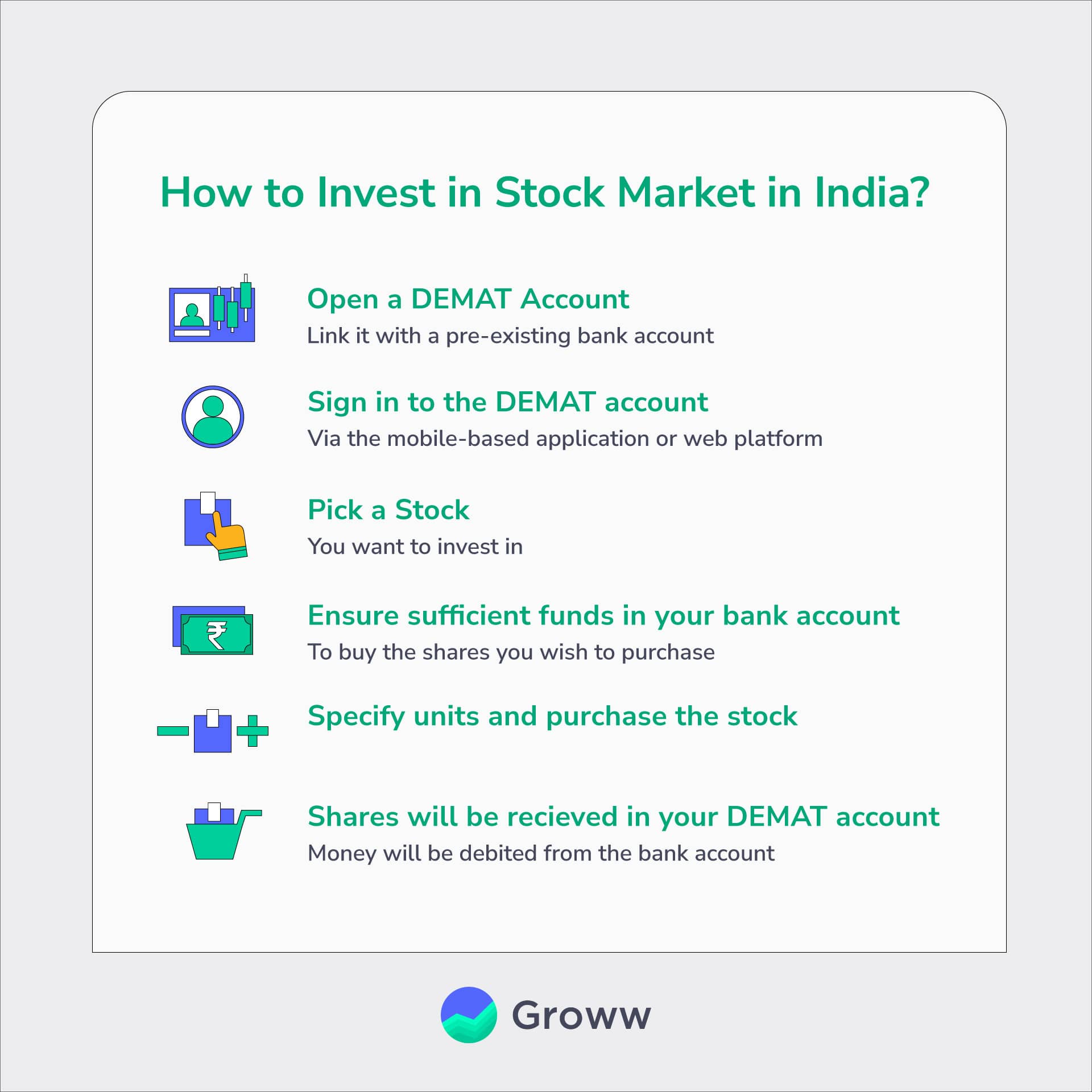
Popular choices include major online brokers like Charles Schwab, Fidelity, Vanguard, E*TRADE, and newer fintech platforms like Robinhood or M1 Finance, each with its own strengths and target audience.
IV. Making Your First Investment: Research, Execution, and Diversification
Once your account is set up, the exciting part begins: identifying what to buy and placing your first order. This stage requires diligent research, strategic thinking, and a disciplined approach to portfolio management.
A. Conducting Due Diligence: Researching Stocks
Never buy a stock based on a “hot tip” or without doing your homework. Thorough research is the cornerstone of successful investing. Here’s what to look for:
- Company Fundamentals:
- Revenue and Earnings Growth: Is the company consistently growing its sales and profits?
- Profit Margins: How efficiently does the company convert revenue into profit?
- Balance Sheet Health: Look at assets, liabilities, and debt levels. Is the company financially stable?
- Cash Flow: Does the company generate sufficient cash from its operations?
- Valuation Metrics:
- P/E Ratio (Price-to-Earnings): Compares the stock price to the company’s earnings per share. Helps determine if a stock is over- or undervalued relative to its peers.
- P/B Ratio (Price-to-Book): Compares market value to book value.
- Dividend Yield: If the company pays dividends, this shows the annual dividend payment as a percentage of the stock price.
- Industry and Competitive Landscape: Understand the industry the company operates in, its competitive advantages (moat), and growth prospects.
- Management Team: Evaluate the competence and integrity of the company’s leadership.
- News and Analyst Reports: Read company press releases, earnings transcripts, and independent analyst reports to stay informed.
Many brokerage platforms offer extensive research tools, fundamental data, and analyst ratings to assist you. Start by understanding businesses you are familiar with or industries you have an interest in.
B. Placing Your Order: Types of Orders
When you’re ready to buy, you’ll typically use one of two main order types:
- Market Order: This instructs your broker to buy or sell shares immediately at the best available current market price. While it guarantees execution, it doesn’t guarantee a specific price, which can be problematic in fast-moving markets.
- Limit Order: This instructs your broker to buy or sell shares only at a specified price or better. For buying, you set the maximum price you’re willing to pay. For selling, you set the minimum price you’re willing to accept. Limit orders offer price control but do not guarantee execution if the market never reaches your specified price.
For most new investors, especially when dealing with relatively stable, liquid stocks, a limit order offers better control and can prevent unexpected price execution.
C. The Power of Diversification
“Don’t put all your eggs in one basket” is one of the oldest and wisest maxims in investing. Diversification means spreading your investments across various assets, industries, and geographies to reduce overall risk. If one stock or sector performs poorly, the impact on your entire portfolio is mitigated by the performance of others.
Instead of buying only individual stocks, consider:
- Exchange-Traded Funds (ETFs): These are baskets of securities (like stocks, bonds, commodities) that trade like individual stocks on an exchange. ETFs allow you to instantly diversify across an entire index (e.g., S&P 500 ETF), sector, or asset class with a single purchase. They are often low-cost and highly liquid.
- Mutual Funds: Similar to ETFs, mutual funds pool money from multiple investors to invest in a diversified portfolio of securities. They are managed by professional fund managers. While often more expensive than ETFs, they can provide expert management and broad diversification.
For beginners, starting with broad market index ETFs or mutual funds is often recommended as it provides immediate diversification and generally lower risk than picking individual stocks, while still capturing market returns.
V. Developing an Investment Strategy and Long-Term Vision
Buying your first stock is just the beginning. Successful investing is a continuous process that requires a well-defined strategy, regular monitoring, and a commitment to long-term growth.
A. Long-Term vs. Short-Term Investing
- Long-Term Investing (Buy and Hold): This strategy involves buying stocks with the intention of holding them for many years, often decades. The goal is to benefit from capital appreciation and dividends over time, allowing the power of compounding to work its magic. This approach typically involves less frequent trading, lower transaction costs, and less stress from short-term market fluctuations. It’s often recommended for most individual investors.
- Short-Term Trading (Day Trading, Swing Trading): This involves buying and selling stocks rapidly, sometimes within the same day, to profit from small price movements. This is a highly speculative and risky strategy that requires significant knowledge, experience, capital, and emotional discipline. It is generally not advisable for beginners.
B. The Importance of Rebalancing and Review
Your portfolio’s asset allocation can drift over time due to varying asset performances. Rebalancing involves periodically adjusting your portfolio back to your target asset allocation. For example, if stocks have performed exceptionally well, you might sell some stock to buy more bonds, restoring your desired risk profile. Regular portfolio reviews (e.g., annually) are also crucial to ensure your investments align with your evolving financial goals, risk tolerance, and market outlook.
C. Continuous Learning and Emotional Discipline
The investment world is dynamic, and continuous learning is paramount. Stay informed about market trends, economic news, and changes in the companies you own. Read financial books, reputable news sources, and educational materials. Equally important is developing emotional discipline. Market volatility is inevitable, and fear or greed can lead to poor investment decisions. Sticking to your pre-defined strategy, avoiding impulsive reactions to market swings, and maintaining a long-term perspective are critical for success.

Conclusion
The journey to buying stocks and building wealth is an empowering one. It begins with understanding the basics, preparing your finances, choosing the right tools, and diligently researching your investments. While the initial steps might seem complex, remember that successful investing is often about consistency, patience, and a commitment to continuous learning. By starting with a clear financial plan, embracing diversification through vehicles like ETFs, and maintaining a long-term perspective, you can confidently navigate the stock market and work towards achieving your financial aspirations. The sooner you start, the more time your money has to grow, unlocking the powerful potential of compounding and securing your financial future.
aViewFromTheCave is a participant in the Amazon Services LLC Associates Program, an affiliate advertising program designed to provide a means for sites to earn advertising fees by advertising and linking to Amazon.com. Amazon, the Amazon logo, AmazonSupply, and the AmazonSupply logo are trademarks of Amazon.com, Inc. or its affiliates. As an Amazon Associate we earn affiliate commissions from qualifying purchases.