
In the high-altitude heart of the Andes, the city of Cusco served as more than just a political administrative center; it was the ultimate flagship for one of the most sophisticated brand identities in human history. Every morning, as the sun broke over the surrounding peaks, the Inca capital engaged in a series of meticulously choreographed rituals that would make a modern corporate communications officer marvel. These morning sequences were not merely religious or social; they were strategic exercises in brand reinforcement, designed to maintain the “Corporate Identity” of the Tahuantinsuyu (the four quarters of the world) and solidify the Sapa Inca’s position as the living embodiment of the state’s core values.
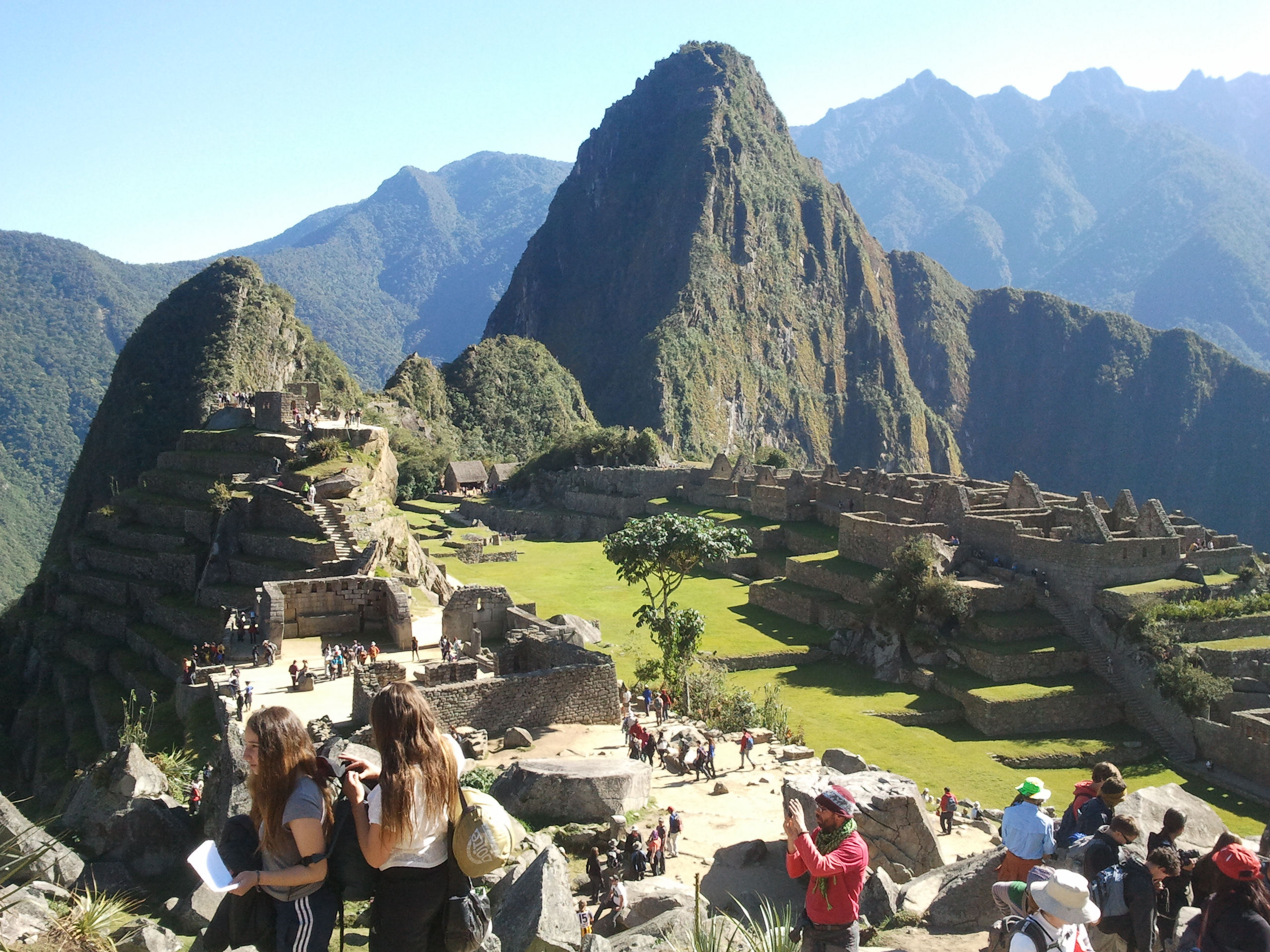
To understand what happened every morning in Cusco is to understand the power of consistency, the importance of visual assets, and the efficacy of a well-defined value proposition. By analyzing these ancient routines through the lens of modern brand strategy, we can extract timeless lessons on how to build a legacy that commands loyalty and projects an image of absolute authority.
The Ritual of the Sunrise: Establishing the Sovereign Narrative
Every morning began with the “Inti” ritual—the greeting of the sun. The Sapa Inca, acting as the brand ambassador of the empire, would emerge from his palace to face the rising sun. This was the primary touchpoint between the leadership and the spiritual “vision” of the empire. In branding terms, this represented the alignment of the executive leadership with the organization’s North Star.
The Power of Ritualistic Consistency
Consistency is the bedrock of brand equity. For the Inca, the sun rising was not a passive event; it was a contract. Every morning, the monarch offered a golden goblet of chicha (fermented maize beer) to the sun, effectively “renewing” the brand’s promise to the people. This ritual ensured that every citizen, from the high-ranking nobles to the common laborers, understood that the brand was active and the mission was being fulfilled. Modern brands often fail when their “morning rituals”—their daily internal and external communications—become erratic or disconnected from their core mission. The Inca understood that to maintain a vast, diverse empire, the brand narrative had to be repeated daily without fail.
Public Perception and the CEO Figurehead
The Sapa Inca’s presence in the central plaza every morning served as a masterclass in personal branding. He did not merely manage from a hidden office; he was the visual personification of the state. By appearing in the public square, draped in the finest textiles and gold ornaments, he was reinforcing the “visual identity” of power. In today’s corporate world, the visibility of leadership is a critical component of brand trust. The morning ritual in Cusco was the 15th-century equivalent of a high-stakes keynote address, delivered daily to ensure the market—in this case, the people—remained confident in the brand’s stability.
The Architecture of Influence: Spatial Branding and Visual Assets
As the sun climbed higher, it illuminated the physical infrastructure of Cusco, revealing a city designed with a singular brand aesthetic. The architecture of the capital was not accidental; it was a deliberate choice in “environmental branding” meant to communicate strength, permanence, and divine favor.
The Coricancha as a Visual Anchor
The Coricancha, or the Temple of the Sun, was the crown jewel of the Inca’s visual identity. Every morning, as the sunlight hit the gold-plated walls of the temple, the entire city would glow with a brilliance that was visible for miles. This was not just a display of wealth; it was the use of premium “brand assets” to command attention. In branding, the use of color and light can evoke specific emotional responses. The Inca utilized gold not as a currency, but as a visual signifier of the sun’s energy. The morning reflection off the temple walls served as a persistent “logo” that dominated the skyline, reminding everyone of the brand’s origin story.
The Puma Shape: The Macro-Identity
Even the layout of Cusco was a branding exercise. Chroniclers suggest the city was built in the shape of a puma, with the fortress of Sacsayhuamán representing the head and the Coricancha at the tail. This “spatial branding” meant that to walk through the city was to participate in a living symbol. For a modern brand, this is the equivalent of a perfectly designed user interface (UI). Every street, every plaza, and every building was a touchpoint that reinforced the identity of the Inca as masters of the natural world. The morning activities—the opening of the markets, the movement of workers—happened within this highly structured “brand environment,” ensuring that no one could forget where they were or who they served.
The Flow of Information: Chaskis and the Data-Driven Empire
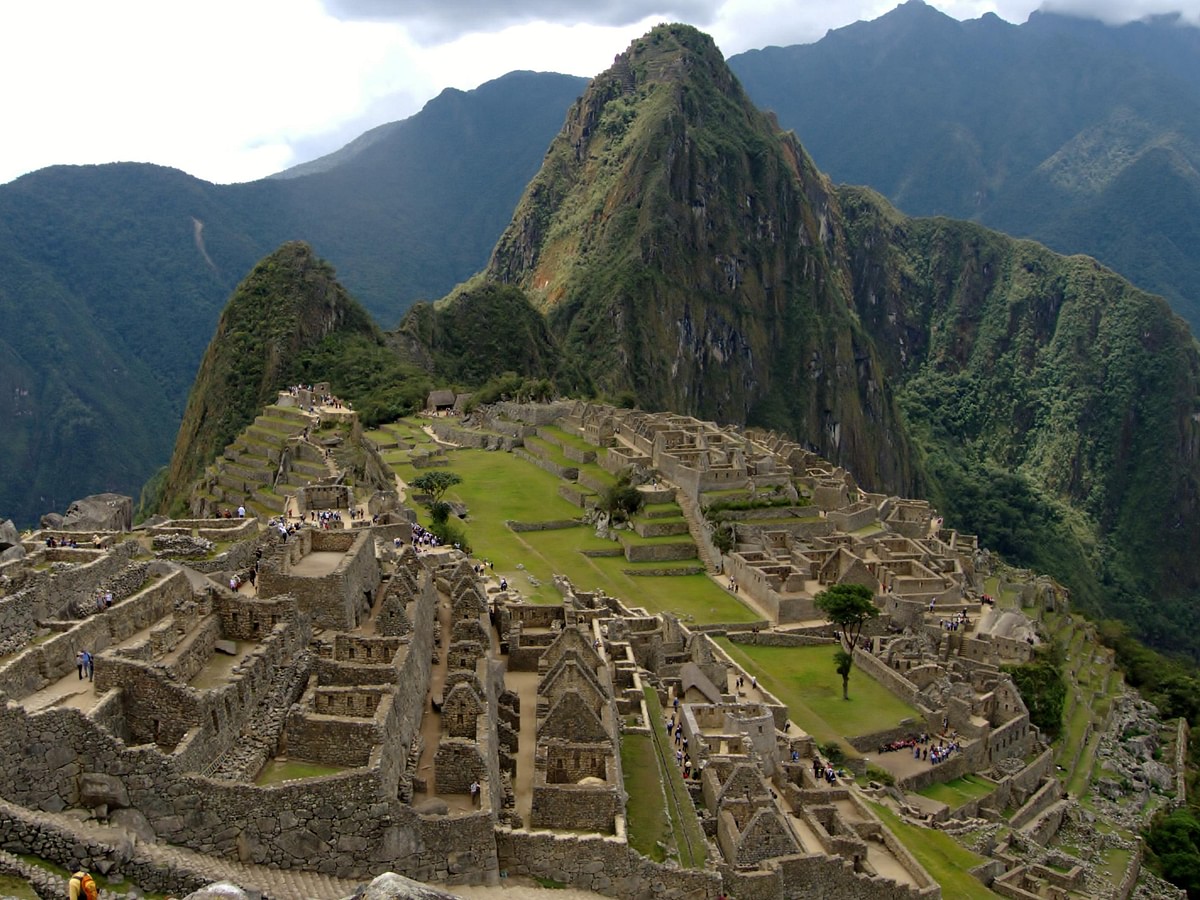
Once the morning rituals were concluded, the operational side of the brand took over. Cusco was the hub of a massive communication network, and every morning, the Chaskis (messenger runners) would depart from or arrive at the capital, carrying vital information across the empire’s vast “Inti Ñan” or Royal Road.
Real-Time Brand Management
In modern brand strategy, data is king. The Inca managed their empire using quipus—complex knotted strings used for record-keeping. Every morning, quipucamayocs (accountants) would brief the administration on resource levels, labor quotas, and regional stability. This allowed the “brand” to be agile. If a particular province was facing a shortage, the central brand could redistribute resources immediately. This level of responsiveness is what modern companies strive for through CRM systems and real-time analytics. The Inca brand was built on the promise of security and provision; to maintain that promise, they needed a morning data-flow that was second to none.
Internal Communications and the Chasqui Network
The Chasquis were the “internal marketing” team of the empire. They carried the Sapa Inca’s directives to the furthest reaches of the Andes. Every morning, these runners moved with the speed of a high-bandwidth connection, ensuring that the brand’s message remained unified across thousands of miles. A brand is only as strong as its weakest link; if a regional office (or province) begins to deviate from the core identity, the brand suffers. The morning departures of the Chasquis from Cusco were the mechanism by which the Inca ensured “brand alignment” across a territory that spanned multiple modern countries.
Reciprocity and the Value Proposition: The Morning Redistribution
One of the most critical events that happened every morning in the Inca capital was the opening of the qullqas, or state storehouses. This was the physical manifestation of the Inca brand’s value proposition: “Work for the state, and the state will provide for you.”
Stakeholder Management through Reciprocity
The Inca economic model was not based on a market exchange but on Ayni (reciprocity). Every morning, goods were distributed to the nobility, the workers, and the priests. This was the “dividend” paid to the brand’s stakeholders. In a corporate context, this represents the value delivered to customers and employees. A brand that only takes and never gives back will eventually face a “hostile takeover” (rebellion). By consistently delivering on the promise of food, clothing, and protection every morning, the Inca brand built a level of loyalty that allowed them to conquer and integrate dozens of different ethnic groups.
Brand Loyalty and the Psychology of Abundance
By showcasing the vast wealth of the storehouses every morning, the Inca leadership practiced “abundance branding.” They projected an image of an empire so wealthy and so well-managed that scarcity was a thing of the past. This helped to neutralize competitors (neighboring tribes). Why fight the Inca when you could join their “brand” and share in the morning distributions? This is a classic lesson in market positioning: if your brand offers a significantly better lifestyle and value proposition than the competition, people will choose to align with you voluntarily.
Legacy Architecture: Why the Inca Brand Still Resonates
As the morning progressed into afternoon, the daily life of Cusco settled into a rhythm of administrative excellence. But the foundation laid in those early hours—the rituals, the visual displays, the data management, and the resource distribution—is what allowed the Inca brand to survive even after the physical fall of the empire.
The Durability of a Well-Defined Identity
Even today, the “Cusco Brand” attracts millions of people. This is because the Inca didn’t just build a city; they built a corporate identity that was rooted in the environment, the stars, and human psychology. They understood that a brand is not a logo, but a set of expectations and a series of consistent actions. What happened every morning in the Inca capital was the deliberate maintenance of those expectations.
Takeaways for Modern Brand Architects
Modern organizations can learn a great deal from the Cusco morning routine.
- Define Your Rituals: What are the daily actions that reinforce your brand’s mission?
- Invest in Visual Anchors: Does your “temple” (website, office, product design) reflect your brand’s highest values?
- Prioritize Data and Communication: How quickly can your “Chasquis” deliver information to keep your brand aligned?
- Deliver on Your Value Proposition: Are you paying “dividends” to your stakeholders every day?
The Inca capital was more than a city; it was a living manual on brand strategy. By starting every morning with a focus on consistency, visibility, and reciprocity, the Inca built a brand that redefined the possibilities of human organization. In the silence of the Andean morning, before the world woke up, the Sapa Inca and his administrators were already busy crafting a legacy that would echo through the centuries.
aViewFromTheCave is a participant in the Amazon Services LLC Associates Program, an affiliate advertising program designed to provide a means for sites to earn advertising fees by advertising and linking to Amazon.com. Amazon, the Amazon logo, AmazonSupply, and the AmazonSupply logo are trademarks of Amazon.com, Inc. or its affiliates. As an Amazon Associate we earn affiliate commissions from qualifying purchases.