
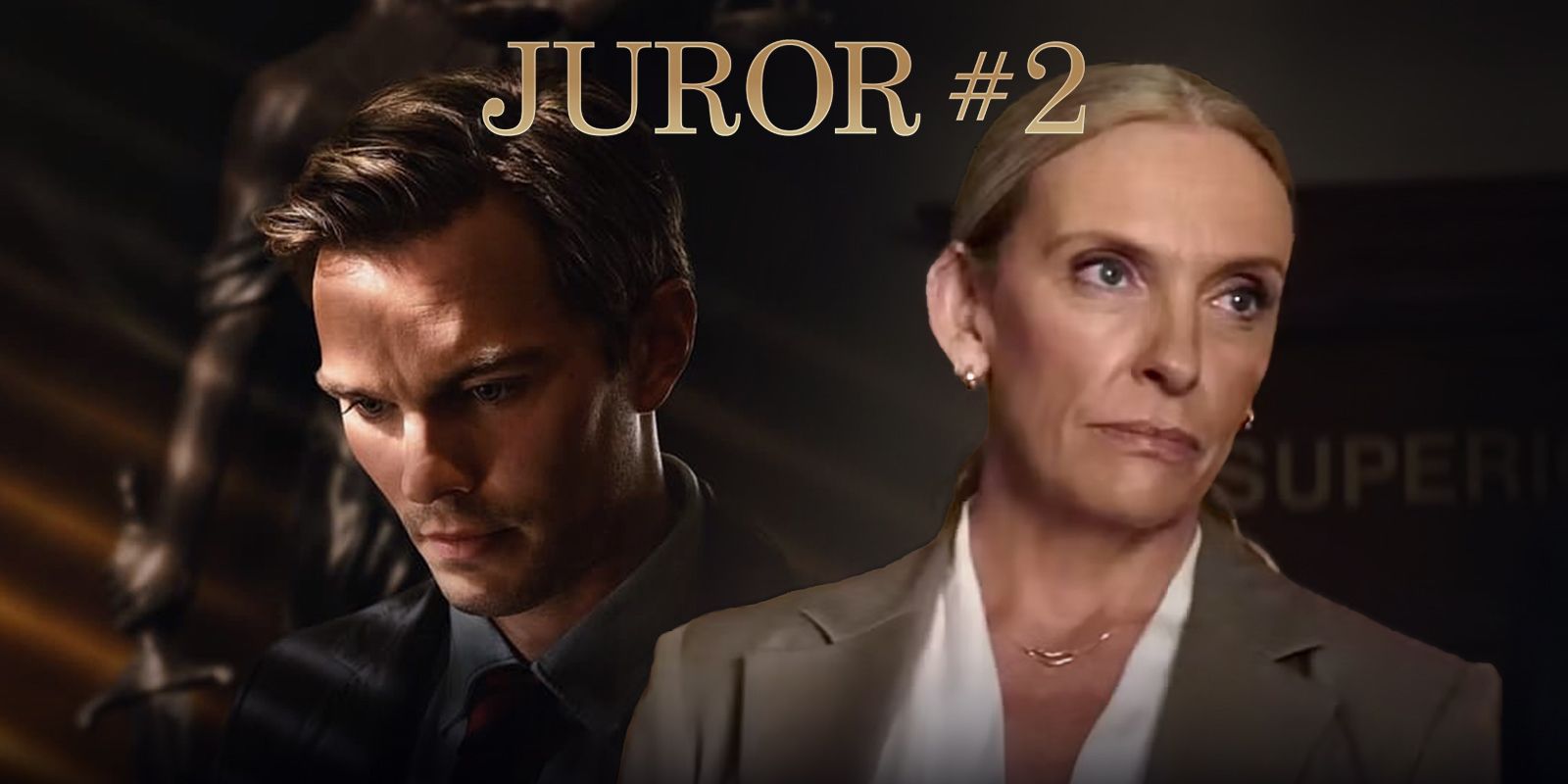
The conclusion of Clint Eastwood’s Juror #2 serves as a masterclass in modern storytelling, pushing the boundaries of legal drama by shifting the focus from the courtroom to the architecture of the human conscience. For those who have followed the discourse surrounding this film, the final act is not merely a resolution of a plot point; it is a profound examination of moral accountability and the fragility of the justice system. By dismantling the traditional hero narrative, the film forces the audience to confront the uncomfortable intersection of self-preservation and civic duty.

The Climax of Moral Ambiguity
At the heart of the finale lies a fundamental shift in perspective. Throughout the film, the protagonist, Justin Kemp, navigates a precarious tightrope. His position as a juror in a high-stakes murder trial becomes increasingly complicated by his own secret—a secret that implicates him in the very crime being adjudicated. As the deliberation phase reaches its boiling point, the film pivots away from traditional “whodunit” tropes and settles into an exploration of the psychological weight of the law.
The Breakdown of Deliberation
The tension within the jury room serves as a microcosm of society’s broader struggle with objective truth. In the final scenes, the dialogue strips away the veneer of legal decorum. As the jurors grapple with conflicting evidence and personal biases, the realization dawns that the system is not designed to find the truth, but rather to construct a narrative that satisfies the legal requirements for a verdict. This thematic choice highlights a critical aspect of modern jurisprudence: the law is a tool, not a mirror of reality.
The Turning Point for Justin Kemp
The character arc of Justin Kemp culminates in a decision that defies cinematic expectation. Rather than seeking a clean slate or an easy path toward absolution, Kemp is forced to weigh the cost of his silence against the integrity of his conscience. The ending does not provide a definitive, explosive confession that cleanses the soul. Instead, it offers a somber, muted realization that some actions have permanent consequences that cannot be erased by a gavel or a verdict. This nuanced approach elevates the film, moving it from a standard thriller into a meditative piece on human fallibility.
The Legal System and the Ethics of Doubt
The ending of Juror #2 invites a critical analysis of the jury system itself. By showcasing the internal machinations of a group tasked with deciding a person’s life, the film exposes the inherent flaws in how justice is dispensed. The final moments suggest that the legal system relies heavily on the hope that individuals will act with perfect altruism, despite being susceptible to the same fears and pressures as the people they are judging.
The Burden of Reasonable Doubt
“Reasonable doubt” is perhaps the most misused term in the criminal justice lexicon, and the film’s conclusion weaponizes it. The way the final vote is cast serves as a poignant reminder that the weight of an innocent life often rests on the shoulders of individuals who are themselves distracted, conflicted, or compromised. The ambiguity of the final scene suggests that justice, as administered by a jury, is fundamentally an act of approximation rather than absolute precision.
The Collision of Justice and Personal Interest

When personal stakes collide with public service, the result is rarely a clean victory. The finale depicts this collision with stark realism. There is no triumphant music or cinematic redemption arc. Instead, there is the quiet, heavy reality of a life altered forever by the choices made within the walls of a deliberation room. This underscores the film’s premise: the justice system is a human construct, and therefore, it is susceptible to the same moral erosion that plagues the individuals participating in it.
The Resonance of Unfinished Business
A hallmark of a compelling ending is the ability to linger in the viewer’s mind long after the credits roll. Juror #2 achieves this by refusing to tie every loose end into a neat bow. In doing so, it forces the audience to engage in a form of post-movie deliberation, weighing the actions of the characters against their own moral standards.
The Absence of Absolute Closure
In a cinematic landscape dominated by definitive resolutions, the lack of a clear “what happens next” for Justin Kemp is a bold stylistic choice. By leaving his ultimate fate—both legally and personally—open to interpretation, the film emphasizes the internal struggle over the external outcome. The ambiguity of the final frame acts as a Rorschach test for the viewer; whether one sees the ending as a tragedy or a moment of quiet grace depends entirely on their perception of justice and forgiveness.
Themes of Accountability in Modern Media
The discourse surrounding the end of this film mirrors the broader societal debates regarding accountability in public and private life. As we navigate an era where transparency is increasingly elusive, the film’s focus on the silent, internal battle for integrity feels especially relevant. It poses a difficult question: if no one sees your crime, does it still exist? And if you choose to remain silent, does the legal system’s inability to catch you mean that justice was truly served?
Legacy of the Cinematic Resolution
The final act of Juror #2 is a testament to the power of subtle storytelling. By avoiding the typical histrionics of courtroom dramas, the film ensures that the weight of the story remains on the characters’ psychological transformation. It serves as a reminder that the most compelling conflicts are not always those fought with arguments or evidence, but those fought within the privacy of one’s own mind.
The Role of the Protagonist as an Everyman
Justin Kemp is not a villain, nor is he a classic hero. He is an everyman, which makes his predicament all the more terrifying. His ending resonates because it reflects the vulnerabilities inherent in being human. We are all, at some point, faced with situations where the “right” thing to do is obscured by the fear of self-destruction. The film’s refusal to judge him outright allows the audience to step into his shoes, asking themselves what they would do if placed in the same impossible position.
Crafting a Lasting Impression
Ultimately, the conclusion of the film serves as a mirror for the audience’s own values. By presenting a complex moral dilemma without providing a simplified moral compass, the film demands active participation from the viewer. The legacy of Juror #2 will likely be defined by the conversations it sparks—about the nature of guilt, the subjectivity of truth, and the ongoing, often flawed, human attempt to balance the scales of justice in a world that is rarely black and white. Through its restrained, thoughtful, and deeply haunting finale, the film secures its place as a significant contribution to the genre, proving that the most powerful courtroom verdicts are the ones we deliver to ourselves.
aViewFromTheCave is a participant in the Amazon Services LLC Associates Program, an affiliate advertising program designed to provide a means for sites to earn advertising fees by advertising and linking to Amazon.com. Amazon, the Amazon logo, AmazonSupply, and the AmazonSupply logo are trademarks of Amazon.com, Inc. or its affiliates. As an Amazon Associate we earn affiliate commissions from qualifying purchases.